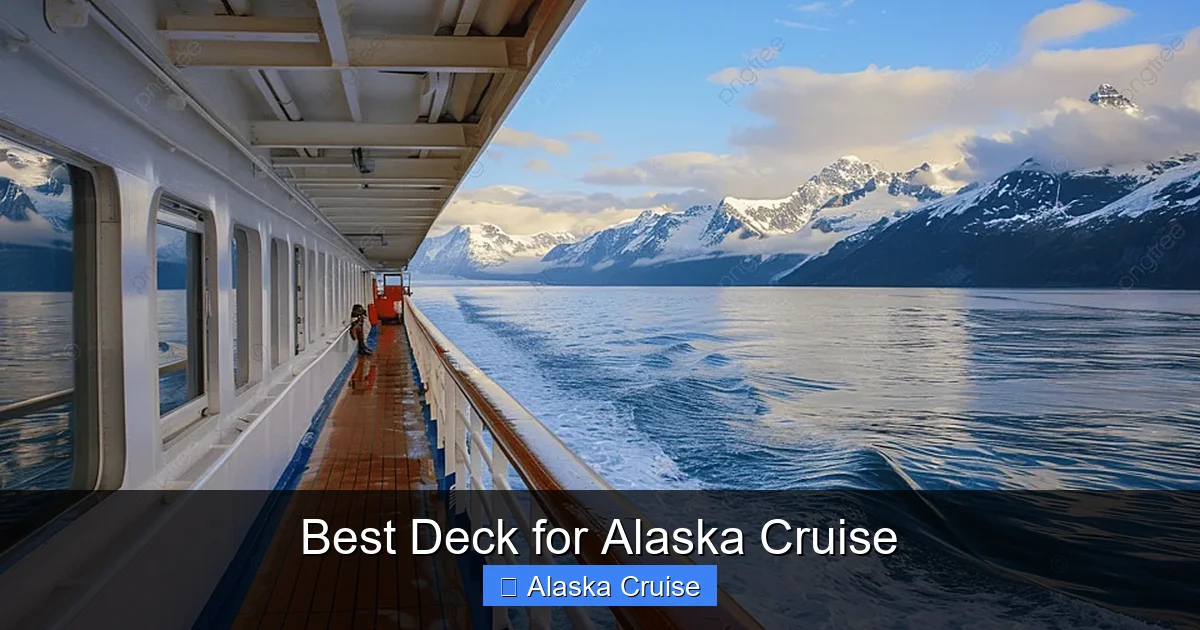
Choosing the best deck for Alaska cruise travel can make or break your experience. With breathtaking glaciers, playful whales, and rugged coastlines, your deck location matters more than you think. Whether you’re after panoramic views, quiet solitude, or easy access to amenities, we’ve got the insider tips to help you pick the ideal spot.
Key Takeaways
- Higher decks offer better views: Elevated decks provide unobstructed sightlines to glaciers, mountains, and wildlife—ideal for photographers and nature lovers.
- Mid-ship cabins reduce motion sickness: Located near the ship’s center of gravity, mid-ship rooms on lower to mid-level decks offer a smoother ride in rough seas.
- Forward decks capture sunrise and wildlife: The front of the ship is perfect for early risers wanting to spot whales, seals, and dramatic fjords at dawn.
- Aft decks offer sunset views and quieter spaces: The back of the ship provides stunning evening skies and often less crowded observation areas.
- Outdoor decks enhance the Alaska experience: Open-air spaces like promenade or observation decks let you feel the crisp air and hear the sounds of nature.
- Balcony cabins add comfort and convenience: Private outdoor space lets you enjoy views without leaving your room—great for private wildlife sightings.
- Consider cruise line and ship design: Different ships have unique layouts; research your vessel to find the best deck for your priorities.
📑 Table of Contents
Why Deck Choice Matters on an Alaska Cruise
Alaska cruises are unlike any other vacation. You’re not just sailing—you’re immersing yourself in one of the world’s most dramatic natural landscapes. Towering glaciers calve into icy waters, humpback whales breach near the ship, and snow-capped peaks rise from the sea like ancient sentinels. Every moment feels cinematic. But here’s the thing: your experience hinges not just on where you go, but *where you are* on the ship.
Choosing the best deck for Alaska cruise travel isn’t just about comfort—it’s about access. It’s about being in the right place at the right time to witness a glacier calving or catch a pod of orcas gliding past. It’s about feeling the crisp, clean air on your face as you sail through Tracy Arm Fjord. And yes, it’s even about avoiding seasickness when the waters get choppy near the Gulf of Alaska.
Many first-time cruisers assume all cabins and decks are created equal. But the truth? They’re not. Deck placement affects everything from view quality and noise levels to motion sensitivity and proximity to key ship amenities. A cabin on Deck 3 might feel the sway of the ocean more than one on Deck 8. A room at the front of the ship could give you front-row seats to wildlife, while one at the back offers peaceful sunset views.
So how do you pick? It depends on your priorities. Are you a photographer chasing the golden hour light? A family with young kids who need easy access to the pool and dining? Or maybe you’re prone to motion sickness and want the smoothest ride possible? Understanding your needs—and how different decks meet them—is the first step to an unforgettable Alaska adventure.
Understanding Cruise Ship Deck Layouts
Visual guide about Best Deck for Alaska Cruise
Image source: png.pngtree.com
Before diving into which deck is best, it helps to understand how cruise ships are structured. Most modern cruise vessels have 10 to 15 passenger decks, each serving different purposes. Lower decks typically house interior cabins, crew areas, and mechanical systems. Mid-level decks often feature oceanview and balcony rooms, along with dining rooms, lounges, and theaters. Upper decks are usually reserved for premium cabins, sun decks, pools, and observation areas.
Let’s break it down by deck type:
Lower Decks (Decks 2–5)
These are closest to the waterline. While they offer the most stability in rough seas—great for those prone to motion sickness—they also have the least impressive views. Most cabins here are interior or oceanview (with a window, not a balcony). You’ll be farther from outdoor spaces and popular amenities like the pool deck or buffet. However, if you’re on a budget or prioritize a smooth ride over views, lower decks can be a smart choice.
Mid-Level Decks (Decks 6–9)
This is the sweet spot for many cruisers. These decks often feature a mix of balcony cabins, family rooms, and accessible staterooms. They’re close enough to the water to feel connected to the scenery but high enough to offer decent views. You’re also near major public areas like the main dining room, theater, and shopping promenade. If you want balance—good views, manageable motion, and easy access to activities—mid-level decks are a solid bet.
Upper Decks (Decks 10–14+)
The upper decks are where the magic happens. These levels typically house premium suites, expansive balconies, and outdoor observation areas. You’ll have sweeping views of glaciers, mountains, and wildlife. However, they’re also more affected by wind and motion, which can be a downside in rough weather. Plus, you’ll be farther from the gangway during port stops, meaning longer walks to shore excursions.
Specialty Decks: Promenade, Sun, and Observation Decks
Some ships feature unique outdoor spaces designed specifically for sightseeing. The promenade deck often wraps around the ship, offering 360-degree views—perfect for spotting whales or glaciers. Sun decks come with loungers, hot tubs, and shaded areas, ideal for relaxing under the midnight sun. Observation decks, usually at the front of the ship, are quiet, glass-enclosed spaces with comfortable seating and panoramic windows—great for wildlife watching without the wind.
Understanding these layouts helps you match your deck choice to your travel style. But now, let’s get specific: which deck is truly the best for an Alaska cruise?
Best Deck for Alaska Cruise: Top Contenders
There’s no one-size-fits-all answer to the best deck for Alaska cruise travel. It depends on what you value most. But based on passenger feedback, expert reviews, and scenic opportunities, here are the top deck choices—and why they stand out.
Deck 8–10: The Goldilocks Zone
For most travelers, mid-to-upper level decks (around Decks 8 to 10) offer the ideal balance. You’re high enough to see over the ship’s superstructure and enjoy unobstructed views of glaciers and mountains, but not so high that you’re battling strong winds or excessive motion. These decks often feature balcony cabins with direct access to outdoor spaces, making it easy to step outside and soak in the scenery.
For example, on Holland America’s Nieuw Statendam, Deck 8 and 9 offer spacious verandah staterooms with floor-to-ceiling windows and private balconies. Passengers rave about waking up to views of Misty Fjords or the Inside Passage. Similarly, on Princess Cruises’ Grand-class ships, Deck 10 features premium balconies with prime positioning for glacier viewing in places like Hubbard Glacier or Glacier Bay.
Forward Decks: Front-Row Seats to Nature
If you want to be the first to spot wildlife or catch a glacier calving, the forward (front) decks are your best bet. These areas—especially on upper levels—offer unobstructed views ahead of the ship. As the vessel moves forward, you’ll see the landscape unfold before anyone else.
Many ships have observation lounges or outdoor promenades at the front. On Norwegian Cruise Line’s Breakaway-class ships, the forward-facing Observation Lounge on Deck 15 is a favorite among Alaska cruisers. It’s quiet, rarely crowded, and offers floor-to-ceiling windows perfect for whale watching or photographing snow-capped peaks.
Tip: Book a forward-facing balcony cabin if available. You’ll enjoy sunrise views and early wildlife sightings—like sea lions basking on rocky outcrops or eagles soaring overhead.
Aft Decks: Sunset Serenity
While the front of the ship gets the sunrise, the back (aft) decks capture the sunset. These areas are often quieter, making them ideal for travelers who want a peaceful retreat after a day of excursions. Aft-facing balconies offer stunning evening views as the sun dips behind the mountains, painting the sky in shades of orange, pink, and purple.
On Royal Caribbean’s Oasis-class ships, the aft decks feature expansive outdoor spaces with hot tubs and loungers. Even better, many aft cabins have private balconies that face the wake of the ship—perfect for watching the coastline disappear as you sail toward your next destination.
Outdoor Promenade Decks: Immersive Alaska
For those who want to feel fully immersed in the Alaskan wilderness, outdoor promenade decks are unbeatable. These wraparound decks let you walk the perimeter of the ship, offering 360-degree views. You can feel the cool breeze, hear the waves, and even smell the pine-scented air as you pass through forested shorelines.
Carnival Cruise Line’s Vista-class ships feature a full outdoor promenade on Deck 5, complete with seating areas and shaded spots. It’s a popular spot for morning coffee or an evening stroll. Similarly, Disney Cruise Line’s ships have wide outdoor decks with themed lounging areas—great for families who want to enjoy the scenery together.
Sun and Pool Decks: Relaxation with a View
If you’re traveling with kids or just want to unwind, the sun and pool decks offer a mix of relaxation and scenery. These upper-level decks often have hot tubs, loungers, and shaded cabanas. While they may not offer the most dramatic views (due to railings or nearby structures), they’re perfect for soaking up the Alaskan sun during calm sailing days.
On Celebrity Cruises’ Edge-class ships, the Rooftop Garden on Deck 14 combines lush greenery, lounge seating, and ocean views. It’s a peaceful oasis where you can enjoy a cocktail while watching the coastline glide by.
Factors to Consider When Choosing Your Deck
Now that you know the top deck options, how do you decide which is right for you? Here are the key factors to weigh before booking.
Motion Sensitivity
If you’re prone to seasickness, your deck choice can make a big difference. The ship’s center of gravity is located in the lower, mid-ship area. Cabins in this zone experience less motion, especially in rough waters. Avoid upper decks and extreme ends (forward or aft) if stability is a priority.
Tip: Book a mid-ship cabin on Deck 6 or 7 for the smoothest ride. Many cruisers report little to no motion in these areas, even in choppy conditions.
View Quality
For photographers and nature lovers, view quality is paramount. Higher decks offer broader, unobstructed views, especially of glaciers and mountain ranges. Forward and aft decks provide directional views—great for tracking wildlife or capturing sunrises and sunsets.
Avoid cabins with lifeboats directly in front of the window or balcony, as they can block your view. Check deck plans online before booking to ensure your room has a clear line of sight.
Noise and Foot Traffic
Upper decks near pools, theaters, or lounges can be noisy, especially at night. If you value quiet, consider a cabin away from high-traffic areas. Forward and aft decks are often quieter, as are cabins on lower decks away from public spaces.
Also, consider proximity to elevators and stairwells. While convenient, these areas can be busy and noisy, especially during peak times.
Accessibility and Convenience
Think about how often you’ll be going ashore. Lower decks are closer to the gangway, making it easier to get on and off the ship during port stops. If you’re taking multiple excursions, this can save time and energy.
Families with strollers or elderly travelers may also prefer lower decks for easier access to dining, medical facilities, and restrooms.
Weather and Climate
Alaska’s weather can be unpredictable. Upper decks are more exposed to wind and rain, which can make outdoor time uncomfortable. If you’re sailing in early spring or late fall, when temperatures are cooler, a mid-level deck with a balcony might offer better shelter.
Conversely, during the summer months, upper sun decks can be delightful—especially under the midnight sun.
Tips for Booking the Best Deck
Ready to book? Here are some practical tips to help you secure the ideal deck for your Alaska cruise.
Research Your Ship
Not all ships are created equal. Some have more outdoor space, while others prioritize indoor amenities. Look up your ship’s deck plan online—most cruise lines provide interactive diagrams. Pay attention to cabin categories, view obstructions, and proximity to elevators.
Book Early
The best cabins—especially forward-facing balconies and mid-ship rooms—sell out fast. Booking 6–12 months in advance gives you the best selection and often better pricing.
Use a Travel Agent
Experienced cruise agents know which decks and cabins offer the best views and value. They can also alert you to promotions or upgrades. Many offer perks like onboard credit or free drink packages.
Consider a Guarantee Cabin
If you’re flexible, a “guarantee” or “free upgrade” cabin can be a great deal. You book a lower category and let the cruise line assign your room. While you won’t know the exact deck in advance, you might end up with a better room than you paid for.
Read Reviews
Check sites like Cruise Critic or TripAdvisor for passenger reviews. Look for comments about specific decks, cabins, and views. Real traveler experiences can reveal hidden gems—or warn you about noisy or obstructed rooms.
Conclusion: Finding Your Perfect Alaska Deck
Choosing the best deck for Alaska cruise travel isn’t just about picking a number—it’s about crafting the experience you want. Whether you’re chasing wildlife, seeking serenity, or simply want to feel the wind in your hair as you sail past a glacier, your deck location plays a crucial role.
For most travelers, mid-to-upper level decks (Decks 8–10) offer the ideal mix of views, stability, and convenience. Forward decks are perfect for early risers and wildlife enthusiasts, while aft decks provide peaceful sunset views. Outdoor promenade and sun decks let you fully immerse yourself in the Alaskan wilderness.
Remember to consider your personal needs: motion sensitivity, noise tolerance, and accessibility. Research your ship, book early, and don’t hesitate to ask for help from a travel agent.
Ultimately, the best deck is the one that lets you connect with Alaska’s raw, breathtaking beauty. So take a deep breath, step onto your balcony, and let the adventure begin.
Frequently Asked Questions
Which deck is best for avoiding seasickness on an Alaska cruise?
The mid-ship cabins on lower to mid-level decks (around Decks 6–7) are best for minimizing motion. These areas are closest to the ship’s center of gravity, offering the smoothest ride in rough waters.
Are higher decks better for viewing glaciers?
Yes, higher decks provide unobstructed views of glaciers, mountains, and wildlife. Upper-level forward or mid-ship balconies are ideal for capturing glacier calving and scenic fjords.
Can I see wildlife from my cabin balcony?
Absolutely. Many passengers spot whales, seals, and eagles from their balconies, especially on forward or mid-ship decks. Early morning hours offer the best wildlife activity.
Are aft-facing cabins worth it for Alaska cruises?
Yes, aft-facing cabins offer stunning sunset views and are often quieter. They’re perfect for travelers who enjoy peaceful evenings and watching the coastline fade into the distance.
Do all cruise ships have outdoor promenade decks?
Not all, but many modern ships feature outdoor promenade or observation decks. Check your ship’s deck plan to see if it offers wraparound outdoor spaces for sightseeing.
Should I book a balcony cabin for an Alaska cruise?
Highly recommended. A private balcony lets you enjoy Alaska’s scenery in comfort, whether you’re sipping coffee at dawn or watching a glacier calve at sunset.