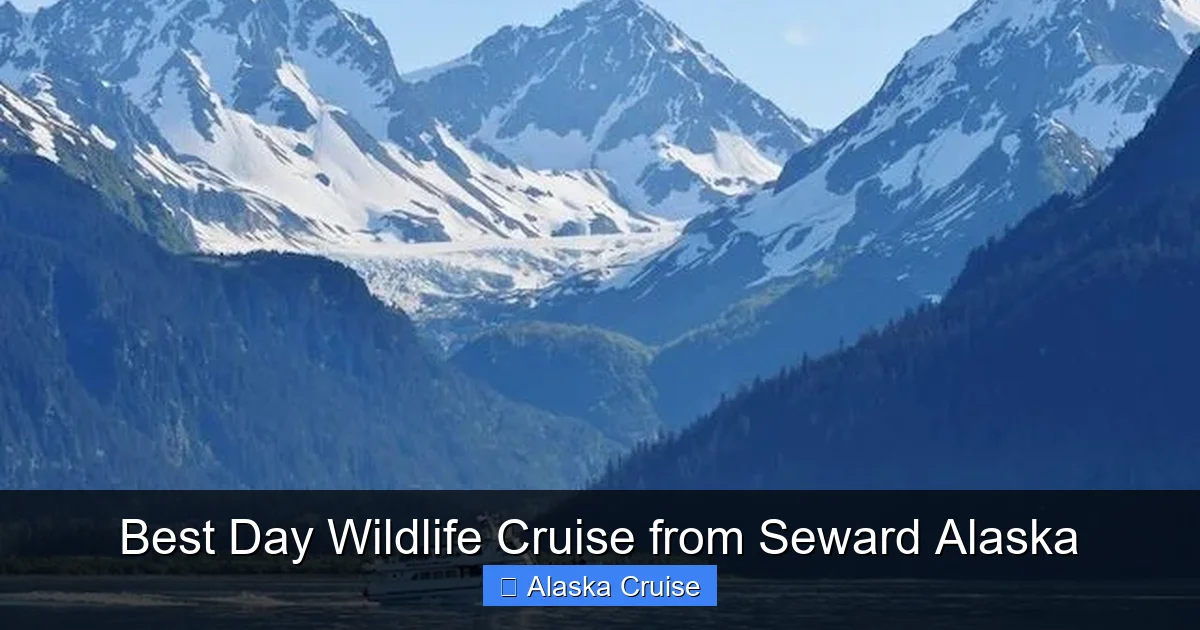
Experience Alaska’s wild heart on the best day wildlife cruise from Seward Alaska. Glide past towering glaciers, spot humpback whales breaching, and watch sea lions bask on rocky shores—all in one unforgettable day.
Key Takeaways
- Prime wildlife viewing: See humpback whales, orcas, sea otters, puffins, and bald eagles in their natural habitat.
- Glacier encounters: Cruise within feet of massive tidewater glaciers, including Aialik Glacier in Kenai Fjords National Park.
- Expert naturalist guides: Learn from knowledgeable crew who share insights about marine life and local ecosystems.
- Small group or private options: Choose intimate tours for a more personal experience or join larger vessels for social energy.
- All-weather gear provided: Most operators supply rain jackets and binoculars so you stay dry and see every detail.
- Departures from Seward’s harbor: Easy access from downtown Seward, with multiple daily departures during peak season.
- Best time to go: Late May through September offers the highest chances of calm seas and active wildlife.
📑 Table of Contents
- Why Seward Alaska Is the Ultimate Launch Point for Wildlife Adventures
- What to Expect on a Day Wildlife Cruise from Seward
- Top Wildlife You’ll Encounter
- Glacier Encounters: A Highlight of the Cruise
- Choosing the Right Cruise Operator
- Packing Tips for a Successful Day on the Water
- Best Time to Take a Wildlife Cruise from Seward
- Making the Most of Your Cruise Experience
- Conclusion: Why This Cruise Is a Must-Do in Alaska
Why Seward Alaska Is the Ultimate Launch Point for Wildlife Adventures
Nestled at the edge of the Kenai Peninsula, Seward, Alaska, is more than just a charming coastal town—it’s a gateway to some of the most spectacular marine wilderness in North America. With its deep fjords, icy glaciers, and nutrient-rich waters, this region teems with life. From the moment you step aboard a wildlife cruise, you’re not just sightseeing—you’re stepping into an ecosystem where nature runs wild and free.
What makes Seward truly special is its proximity to Kenai Fjords National Park, a protected area spanning over 600,000 acres of rugged coastline, towering peaks, and marine habitats. The park’s centerpiece, Aialik Bay, is home to one of the most active tidewater glaciers in the region. This means your day cruise isn’t just a boat ride—it’s a front-row seat to dynamic natural processes like calving glaciers, migrating whales, and bustling seabird colonies. Whether you’re a first-time visitor or a seasoned traveler, the best day wildlife cruise from Seward Alaska delivers awe-inspiring moments that stay with you long after you return to shore.
What to Expect on a Day Wildlife Cruise from Seward
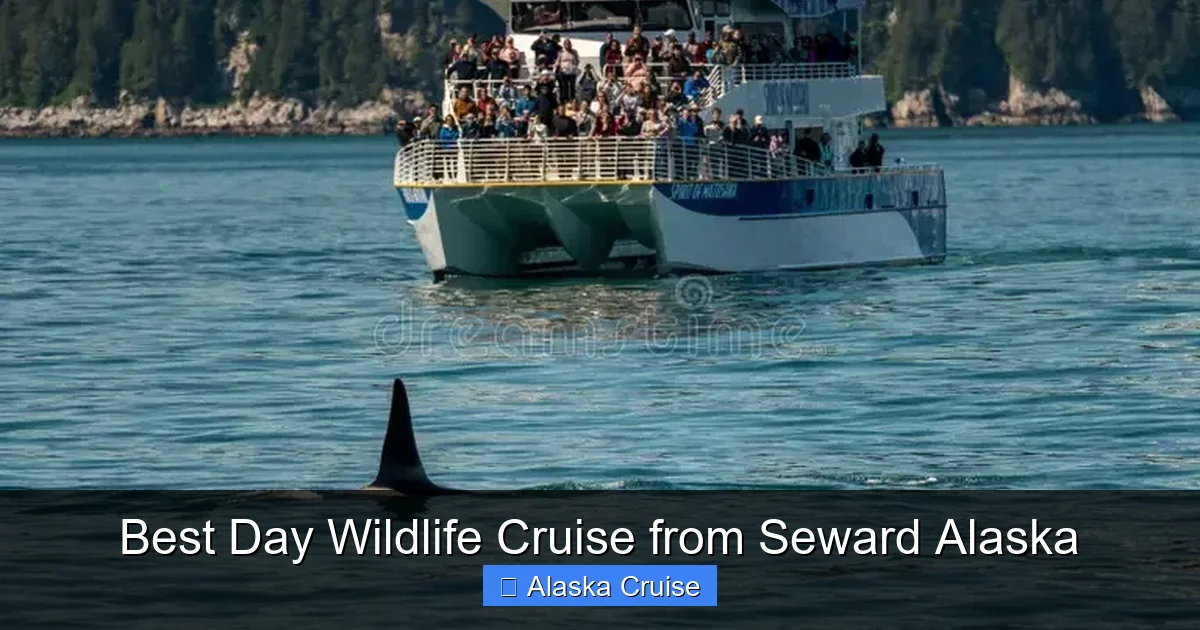
Visual guide about Best Day Wildlife Cruise from Seward Alaska
Image source: thumbs.dreamstime.com
A typical day wildlife cruise from Seward Alaska lasts between 6 to 8 hours, depending on the operator and itinerary. Most tours depart early in the morning—around 8:00 or 9:00 a.m.—to take advantage of calmer seas and peak wildlife activity. You’ll board a comfortable vessel, often equipped with heated cabins, large viewing windows, and open decks for unobstructed views. Before departure, the crew will brief you on safety procedures and what to expect during the journey.
Once underway, the pace is relaxed but exciting. The captain navigates carefully through narrow fjords and open waters, slowing down whenever wildlife is spotted. Naturalist guides are on hand to point out animals, explain behaviors, and answer questions. You’ll likely pass through Resurrection Bay, a scenic inlet known for its deep waters and abundant marine life, before entering the protected waters of Kenai Fjords National Park. Along the way, you might see sea otters floating on their backs, harbor seals lounging on ice floes, and bald eagles perched high in spruce trees.
One of the highlights is approaching tidewater glaciers. These massive rivers of ice calve into the ocean with thunderous cracks, sending icebergs tumbling into the water. Standing on deck as a chunk of glacier the size of a house breaks off and crashes into the sea is a humbling experience. The best day wildlife cruise from Seward Alaska isn’t just about seeing animals—it’s about feeling connected to the raw power of nature.
Top Wildlife You’ll Encounter
Humpback Whales and Orcas
No wildlife cruise in Seward is complete without a whale sighting—and humpbacks are the stars of the show. These majestic creatures migrate through Alaskan waters from spring to fall, feeding on schools of herring and capelin. On a good day, you might see them breaching, tail-slapping, or even lunge-feeding right beside the boat. Their acrobatic displays are not only thrilling but also a sign of a healthy ecosystem.
Orcas, or killer whales, are less common but equally captivating. These apex predators travel in pods and are often seen hunting near seal haul-outs or following salmon runs. While sightings aren’t guaranteed, many cruises report orca encounters, especially in deeper channels where they hunt. The crew will use hydrophones to listen for whale vocalizations, adding an auditory layer to the experience.
Sea Otters and Harbor Seals
Sea otters are a favorite among passengers for their playful antics and adorable faces. You’ll often spot them floating on their backs, using rocks to crack open shellfish—a behavior known as tool use. They’re commonly seen in kelp forests, where they wrap themselves in seaweed to stay anchored while they eat.
Harbor seals, on the other hand, are more elusive. They’re frequently seen resting on ice floes or rocky outcrops, especially near glacier fronts. Their large, dark eyes and whiskered faces make them easy to spot, and they often watch the boat with curious stillness. Pups are sometimes visible in early summer, clinging to their mothers or learning to swim.
Puffins, Cormorants, and Bald Eagles
Birdwatchers will be in heaven on a Seward wildlife cruise. Tufted puffins and horned puffins nest on coastal cliffs from May to August, their colorful beaks and comical waddles making them instant favorites. Look for them diving into the water to catch fish or flying in synchronized flocks along the shoreline.
Double-crested cormorants are also common, often seen perched on rocks with their wings spread to dry. These skilled divers can stay underwater for over a minute, chasing fish with powerful kicks. And soaring high above, bald eagles are a constant presence. With wingspans reaching up to seven feet, they’re hard to miss—especially when they swoop down to snatch a fish from the surface.
Glacier Encounters: A Highlight of the Cruise
Aialik Glacier: The Crown Jewel
One of the most dramatic moments on any wildlife cruise is approaching Aialik Glacier. This active tidewater glacier calves frequently, sending massive ice chunks into the bay with a sound like thunder. The glacier’s face can be over 200 feet tall, and its blue ice glows under the Alaskan sun, creating a surreal, almost otherworldly scene.
The captain will position the boat at a safe distance—usually about 100 yards—allowing you to witness calving events up close. Some days, the glacier is quiet; other days, it’s alive with movement. Either way, the sight of ancient ice meeting the ocean is a powerful reminder of the planet’s changing climate and the beauty of natural forces at work.
Ice Floes and Mini Icebergs
As you cruise near the glacier, you’ll pass through fields of ice floes—smaller pieces of ice that have broken off and drifted into the bay. These icy landscapes are home to harbor seals, which use them as resting platforms. You might even see a seal pop its head out of the water, curious about the boat.
Mini icebergs, or growlers, float just below the surface, their blue hues hinting at their glacial origin. Some are small enough to fit in your hand; others are the size of cars. The crew may use a long pole to bring a small piece aboard for passengers to touch—just be warned, it’s colder than you think!
Photography Tips for Glacier Views
Capturing the perfect glacier shot requires preparation. Use a polarizing filter to reduce glare on the water and enhance the blue tones of the ice. A telephoto lens helps zoom in on calving events, while a wide-angle lens captures the full scale of the glacier and surrounding mountains. Shoot in burst mode during calving to increase your chances of getting the perfect action shot. And don’t forget to look up—sometimes the best shots are of the sky reflecting off the ice.
Choosing the Right Cruise Operator
Small Group vs. Large Vessel Tours
When planning your best day wildlife cruise from Seward Alaska, one of the first decisions is choosing between a small group tour and a larger vessel. Small group tours—often with 12 to 25 passengers—offer a more intimate experience. You’ll have better access to the crew, more opportunities to ask questions, and greater flexibility in navigating tight fjords. These tours are ideal for photographers, families, or anyone seeking a quieter atmosphere.
Larger vessels, on the other hand, can accommodate 100 or more passengers. While they may feel more crowded, they often have more amenities, such as full-service cafés, observation lounges, and educational programs. They’re also more stable in rough seas, which can be a plus if you’re prone to motion sickness.
Reputation and Reviews Matter
Not all cruise operators are created equal. Look for companies with strong safety records, experienced captains, and certified naturalist guides. Check online reviews on platforms like TripAdvisor, Google, and Yelp. Pay attention to comments about wildlife sightings, crew knowledge, and overall experience. A reputable operator will also follow guidelines set by the National Oceanic and Atmospheric Administration (NOAA) to minimize disturbance to marine life.
Some top-rated companies in Seward include Kenai Fjords Tours, Major Marine Tours, and Seward Ocean Excursions. Each offers slightly different itineraries, so compare options based on your interests—whether that’s glacier viewing, birdwatching, or whale-focused tours.
What’s Included in the Price
Most wildlife cruises include round-trip transportation from downtown Seward, all-weather gear (rain jackets, binoculars), and a light snack or boxed lunch. Some premium tours offer gourmet meals, hot beverages, and even souvenir photos. Be sure to read the fine print—some operators charge extra for park entrance fees or require you to bring your own food.
Packing Tips for a Successful Day on the Water
Layer Up for Changing Conditions
Alaska’s weather can shift quickly, even in summer. Mornings on the water can be chilly, especially near glaciers, while afternoons may be warm and sunny. Dress in layers: start with a moisture-wicking base layer, add a fleece or sweater, and top it off with a waterproof outer shell. Don’t forget a hat, sunglasses, and sunscreen—the sun reflects strongly off the water and ice.
Footwear and Accessories
Wear non-slip, closed-toe shoes with good grip. Deck surfaces can be wet and slippery, especially after rain or spray. Waterproof boots are ideal, but sturdy sneakers or hiking shoes work too. Bring a small backpack to store extra layers, snacks, and your camera. A dry bag is a smart investment to keep electronics safe from splashes.
Camera and Gear Essentials
A good camera is a must, but even a smartphone can capture great shots with the right settings. Bring extra batteries and memory cards—cold weather drains batteries faster. A monopod or small tripod can help stabilize your shots on a moving boat. And don’t forget a lens cloth—salt spray and mist can fog up your lens quickly.
Best Time to Take a Wildlife Cruise from Seward
Peak Season: June to August
The best time for a day wildlife cruise from Seward Alaska is from late May through September, with peak activity from June to August. During these months, daylight lasts up to 18 hours, giving you plenty of time to explore. Wildlife is most active, with whales feeding heavily, birds nesting, and seals pupping.
July and August are particularly popular, so book your tour well in advance. These months also offer the warmest weather and calmest seas, increasing your chances of smooth sailing and clear skies.
Shoulder Seasons: May and September
Traveling in May or September can be rewarding for those seeking fewer crowds and lower prices. In May, you might see newborn seal pups and early whale migrations. September brings vibrant fall colors to the surrounding forests and increased chances of spotting orcas, which are more common later in the season. However, weather can be less predictable, and some operators may have reduced schedules.
Weather Considerations
Always check the forecast before your trip. While most cruises run rain or shine, severe weather may lead to cancellations or route changes. If your cruise is postponed, reputable operators will offer refunds or reschedule your trip. Flexibility is key—sometimes the best wildlife sightings happen on overcast days when animals are more active.
Making the Most of Your Cruise Experience
Arrive Early and Be Prepared
Plan to arrive at the harbor at least 30 minutes before departure. This gives you time to check in, use the restroom, and get settled. Listen carefully to the safety briefing—even if you’ve been on a boat before, each vessel has its own procedures.
Stay Engaged and Ask Questions
The naturalist guides are there to enhance your experience. Don’t hesitate to ask about animal behavior, glacier formation, or local history. Many guides are passionate locals with years of experience and fascinating stories to share. Engaging with them can turn a good tour into a great one.
Respect Wildlife and the Environment
Remember, you’re a guest in a wild place. Keep noise levels down, avoid sudden movements, and never throw anything overboard. Follow the captain’s instructions when approaching animals—maintaining a safe distance protects both you and the wildlife. By traveling responsibly, you help preserve this incredible ecosystem for future visitors.
Conclusion: Why This Cruise Is a Must-Do in Alaska
A day wildlife cruise from Seward Alaska is more than just a tour—it’s a transformative experience. From the first glimpse of a humpback whale breaching to the thunderous crack of a glacier calving, every moment reminds you of nature’s power and beauty. Whether you’re a nature lover, photographer, or simply seeking adventure, this cruise delivers unforgettable memories.
With expert guides, diverse wildlife, and stunning scenery, it’s no wonder this journey is considered one of the top activities in Alaska. So pack your bags, bring your camera, and get ready to explore the wild heart of the Last Frontier. The best day wildlife cruise from Seward Alaska awaits.
Frequently Asked Questions
What wildlife can I expect to see on a Seward cruise?
You can expect to see humpback whales, orcas, sea otters, harbor seals, tufted puffins, bald eagles, and more. Sightings vary by season and weather, but most cruises report multiple animal encounters.
How long is a typical wildlife cruise from Seward?
Most day cruises last between 6 to 8 hours, departing in the morning and returning in the afternoon. Some operators offer shorter 4-hour tours focused on specific areas like Resurrection Bay.
Is the cruise suitable for children?
Yes, most wildlife cruises are family-friendly and welcome children. Some operators offer kid-friendly activities and educational programs. However, younger children may find the long duration challenging, so bring snacks and entertainment.
What should I wear on the cruise?
Dress in layers with a waterproof outer shell, wear non-slip shoes, and bring a hat and sunglasses. Most operators provide rain jackets, but it’s best to come prepared for changing weather.
Can I bring my own food and drinks?
Some cruises allow passengers to bring their own snacks and non-alcoholic beverages, while others offer onboard meals for purchase. Check with your operator in advance to confirm their policy.
What happens if the weather is bad?
Most cruises operate in light rain or overcast conditions. However, severe weather may lead to cancellations or route changes. Reputable operators will offer refunds or reschedule your trip if needed.