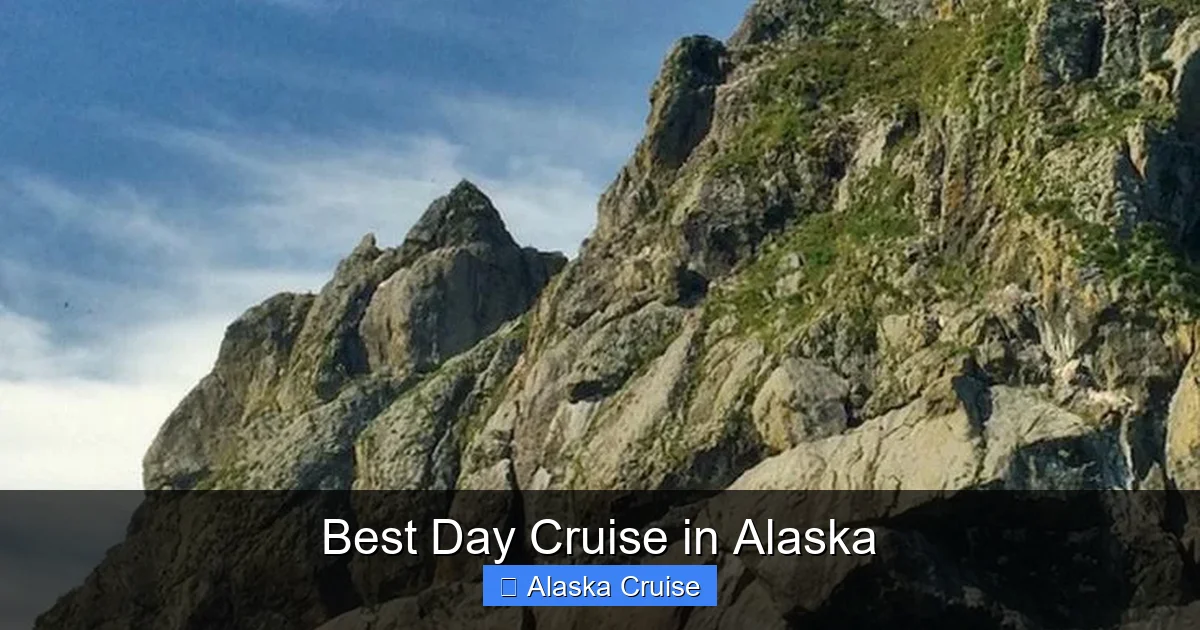
The best day cruise in Alaska offers a thrilling, all-in-one experience of glaciers, wildlife, and rugged coastline—without needing a week-long voyage. Whether you’re spotting humpback whales or cruising past towering icebergs, a single-day cruise delivers Alaska’s magic in a compact, unforgettable journey.
Key Takeaways
- Glacier viewing is a highlight: Day cruises often visit iconic spots like Tracy Arm or Glacier Bay, offering close-up views of calving glaciers and icy fjords.
- Wildlife sightings are common: Expect to see whales, sea lions, puffins, and even bears along the shorelines during your journey.
- Perfect for short itineraries: Ideal for cruise ship passengers with limited time or travelers exploring Alaska by land.
- Multiple departure points: Popular launch cities include Juneau, Seward, Ketchikan, and Whittier, each offering unique routes and scenery.
- All-weather gear provided: Most operators supply rain jackets and binoculars, so you can focus on enjoying the views.
- Educational and entertaining: Knowledgeable naturalist guides share insights about Alaska’s ecosystem, geology, and wildlife throughout the trip.
- Book in advance: Day cruises fill up quickly, especially during peak summer months, so early reservations are recommended.
📑 Table of Contents
- Why a Day Cruise in Alaska Is a Must-Do Experience
- Top Destinations for the Best Day Cruise in Alaska
- What to Expect on a Day Cruise in Alaska
- Tips for Choosing the Best Day Cruise in Alaska
- Wildlife You Might See on a Day Cruise
- Best Time of Year for a Day Cruise in Alaska
- Conclusion: Why You Shouldn’t Miss a Day Cruise in Alaska
Why a Day Cruise in Alaska Is a Must-Do Experience
Alaska is a land of extremes—towering mountains, endless forests, and glaciers that crack and thunder as they calve into the sea. While many travelers dream of week-long cruises through the Inside Passage, not everyone has the time or budget for a full voyage. That’s where the best day cruise in Alaska comes in. These single-day excursions pack the essence of Alaska into just 6 to 10 hours, delivering breathtaking scenery, incredible wildlife, and unforgettable moments—all in one compact adventure.
Imagine sipping hot cocoa as your boat glides silently past a wall of blue ice, or gasping as a humpback whale breaches just 50 yards away. That’s the magic of a day cruise. Whether you’re docked in Juneau for a few hours or exploring the Kenai Fjords from Seward, these short but powerful trips are designed to maximize your time and minimize hassle. You’ll get the full Alaska experience—glaciers, wildlife, and coastal beauty—without needing to commit to a longer journey.
And the best part? Day cruises are accessible, affordable, and often more intimate than large cruise ships. With smaller vessels and expert guides, you’ll feel like you’re discovering Alaska’s secrets firsthand. Whether you’re a first-time visitor or a seasoned traveler, a day cruise offers a fresh, immersive way to connect with one of the world’s most stunning destinations.
Top Destinations for the Best Day Cruise in Alaska
Alaska’s coastline is vast and varied, but a few key locations stand out as the launch points for the best day cruises. Each offers a unique flavor of Alaska, from icy fjords to lush rainforests and abundant wildlife. Choosing the right departure city can make all the difference in your experience.
Juneau: Gateway to Glacier Bay and Tracy Arm
Juneau, Alaska’s capital city, is one of the most popular starting points for day cruises. Accessible only by boat or plane, Juneau sits nestled between the mountains and the sea, making it a dramatic backdrop for any adventure. From here, you can embark on a cruise to Tracy Arm Fjord or Glacier Bay National Park—two of Alaska’s most iconic destinations.
Tracy Arm is a narrow, 30-mile-long fjord flanked by steep granite walls and dotted with waterfalls. The main attraction? The Sawyer Glaciers, two massive tidewater glaciers that regularly calve icebergs into the water. On a calm day, your boat may drift so close you can hear the ice crack and groan. It’s a surreal, almost spiritual experience.
Glacier Bay, on the other hand, is a UNESCO World Heritage Site and part of a larger national park. While full-day cruises here are less common due to park regulations, some operators offer shorter excursions that still deliver stunning views of glaciers like Margerie and Lamplugh. Naturalist guides on board provide fascinating commentary about the park’s ecology and history, making the journey both scenic and educational.
Seward: Explore the Kenai Fjords
If you’re arriving in Alaska via Anchorage, Seward is your best bet for a world-class day cruise. Located on the Kenai Peninsula, Seward is the gateway to Kenai Fjords National Park—a rugged, glacier-carved landscape that’s home to some of the state’s most dramatic scenery.
The most popular route from Seward heads into Resurrection Bay and onward to the fjords, where you’ll pass towering cliffs, sea caves, and glaciers like Aialik and Holgate. These glaciers are active and frequently calve, sending chunks of ice crashing into the water with a thunderous roar. It’s a sight that stays with you long after the trip ends.
Wildlife is abundant here. Keep your eyes peeled for orcas, humpback whales, sea otters, and Steller sea lions lounging on rocky outcrops. Puffins—those charming, colorful seabirds—are also common, especially in summer. Many cruises include a stop at a seabird rookery, where thousands of birds nest on cliff ledges.
Ketchikan: Rainforest and Totem Poles
Ketchikan, known as the “Salmon Capital of the World,” offers a different kind of Alaska experience. While glaciers are less prominent here, the lush temperate rainforest and rich Indigenous culture make it a standout destination.
Day cruises from Ketchikan often focus on the Misty Fjords National Monument—a stunning wilderness area of deep canyons, waterfalls, and mist-shrouded peaks. These cruises typically include a flightseeing component, where you board a small seaplane for a bird’s-eye view of the fjords before landing on a lake or inlet for a boat tour.
You’ll also have opportunities to learn about Tlingit, Haida, and Tsimshian cultures. Many tours include visits to totem parks or cultural centers, where you can see intricately carved totem poles and hear stories passed down through generations.
Whittier: A Hidden Gem Near Anchorage
Whittier is a small, quirky town tucked inside a mountain tunnel—literally. To get there from Anchorage, you drive through the Anton Anderson Memorial Tunnel, one of the few tunnels in the world that accommodates both cars and trains.
Despite its remote feel, Whittier is a major cruise departure point, especially for those exploring Prince William Sound. Day cruises here often visit Blackstone Glacier or Portage Glacier, both of which offer dramatic ice views and calm waters perfect for photography.
Prince William Sound is also rich in marine life. You might spot Dall’s porpoises racing alongside the boat, or a bald eagle perched high in a spruce tree. Some cruises even include a stop at a historic salmon hatchery or a remote beach for a short walk.
What to Expect on a Day Cruise in Alaska
So, what does a typical day cruise in Alaska look like? While each operator and route varies, most follow a similar pattern designed to maximize sightseeing, comfort, and safety.
Boarding and Departure
Most day cruises begin early—around 8 or 9 a.m.—to make the most of daylight. You’ll meet at a designated dock, usually near the town center or cruise ship terminal. Staff will check you in, assign seats, and provide a brief safety orientation.
Many operators offer complimentary coffee, tea, and light snacks upon boarding. Some even serve a full lunch, especially on longer tours. Be sure to arrive at least 30 minutes early to allow time for check-in and boarding.
Onboard Experience
Once underway, you’ll have access to both indoor and outdoor viewing areas. The upper decks are ideal for panoramic views and photography, while the enclosed cabins offer shelter from wind and rain—essential in Alaska’s unpredictable weather.
Most boats are equipped with large windows, heated cabins, and restrooms. Some even have observation lounges with 360-degree views. Binoculars are usually provided, and many cruises include a naturalist guide who narrates the journey, pointing out wildlife and explaining the geology and ecology of the area.
Wildlife and Scenic Highlights
The real magic happens when you reach the highlights. Whether it’s a glacier calving event, a pod of whales feeding, or a bear foraging along the shore, these moments are what make a day cruise unforgettable.
Guides often use hydrophones to amplify underwater sounds, so you can hear whales communicating or glaciers cracking from deep below. Some cruises also include a “whale watch guarantee”—if you don’t see whales, you get a free return trip.
Return and Wrap-Up
Most day cruises return to port by late afternoon or early evening, around 4 to 6 p.m. You’ll disembark with a camera full of photos, a heart full of memories, and maybe even a souvenir from the onboard gift shop.
Some operators offer add-ons like a post-cruise meal or a visit to a local attraction. In Seward, for example, you might combine your cruise with a trip to the Alaska SeaLife Center.
Tips for Choosing the Best Day Cruise in Alaska
With so many options available, how do you pick the right day cruise? Here are some practical tips to help you make the best choice.
Consider the Duration
Day cruises range from 4 to 10 hours. Shorter tours (4–6 hours) are great if you’re short on time or traveling with kids. Longer cruises (8–10 hours) offer more time for exploration and are ideal for serious wildlife and glacier enthusiasts.
Check the Itinerary
Not all cruises are created equal. Some focus on glaciers, others on wildlife, and some on a mix of both. Read the itinerary carefully to ensure it matches your interests. For example, if you’re hoping to see whales, choose a cruise that spends time in known feeding areas.
Read Reviews
Look for recent reviews on sites like TripAdvisor or Google. Pay attention to comments about the guide’s knowledge, the boat’s comfort, and the likelihood of wildlife sightings. A highly rated operator with experienced naturalist guides can make a huge difference.
Ask About Cancellations
Weather in Alaska can be unpredictable. Some cruises operate rain or shine, while others may cancel due to high winds or heavy fog. Ask about the cancellation policy before booking. Many companies offer refunds or rescheduling if conditions are unsafe.
Book Early
Popular cruises—especially in Juneau and Seward—sell out months in advance during peak season (June to August). If you’re traveling during this time, book as early as possible to secure your spot.
Dress Appropriately
Even in summer, Alaska can be chilly on the water. Dress in layers and bring a waterproof jacket, even if the forecast looks clear. Don’t forget sunglasses, sunscreen, and a hat—the sun reflects off the water and ice, making it stronger than you’d expect.
Wildlife You Might See on a Day Cruise
One of the biggest draws of a day cruise in Alaska is the chance to see wildlife in its natural habitat. The state’s coastal waters are teeming with marine life, and a good guide can help you spot even the most elusive creatures.
Whales
Humpback whales are the stars of the show. Known for their acrobatic breaches and haunting songs, these gentle giants are commonly seen feeding in Alaska’s nutrient-rich waters. Orcas (killer whales) are also frequent visitors, especially in areas like Resurrection Bay and the Inside Passage.
Sea Otters and Sea Lions
Sea otters are playful and curious, often seen floating on their backs or cracking shellfish on their chests. Steller sea lions gather in large colonies on rocky islands, barking loudly and lounging in the sun.
Birds
Alaska is a birdwatcher’s paradise. You might spot bald eagles, puffins, cormorants, and kittiwakes. Many cruises pass through seabird rookeries, where thousands of birds nest on cliff faces.
Bears
While less common, brown bears and black bears are sometimes seen along the shoreline, especially in areas like Tracy Arm and Kenai Fjords. They’re often foraging for salmon or berries, and spotting one from a distance is a thrilling moment.
Best Time of Year for a Day Cruise in Alaska
Timing matters when it comes to Alaska day cruises. The peak season runs from late May to early September, but each month offers a slightly different experience.
May and Early June
These months are ideal for fewer crowds and lower prices. The weather is cooler, but the landscapes are lush and green. Wildlife is active, and you might see newborn seal pups or migrating birds.
July and August
This is the height of summer and the most popular time to visit. Days are long, weather is milder, and wildlife is abundant. However, expect larger crowds and higher prices.
September
As summer winds down, the crowds thin out and the fall colors begin to appear. It’s a great time for photography, and you might still see whales and bears before they head inland for winter.
Conclusion: Why You Shouldn’t Miss a Day Cruise in Alaska
A day cruise in Alaska isn’t just a tour—it’s a front-row seat to one of nature’s greatest shows. Whether you’re marveling at a glacier calving into the sea, watching a whale breach in the distance, or learning about Indigenous cultures from a knowledgeable guide, the experience is both humbling and exhilarating.
For travelers with limited time, a day cruise offers the perfect balance of adventure, education, and relaxation. It’s a chance to see Alaska’s most iconic sights without the commitment of a longer trip. And with so many departure points and routes to choose from, there’s a cruise to match every interest and schedule.
So, if you’re planning a trip to Alaska—or even just a stopover on a larger cruise—don’t skip the chance to take a day cruise. It might just be the highlight of your entire journey.
Frequently Asked Questions
How long is a typical day cruise in Alaska?
Most day cruises in Alaska last between 6 and 10 hours, depending on the departure point and destination. Shorter tours are available for those with limited time.
Will I see whales on a day cruise?
Yes, whale sightings are common, especially humpback whales and orcas. Many operators offer a whale watch guarantee, promising a free return trip if no whales are spotted.
Do I need to bring my own gear?
Most cruise operators provide rain jackets, binoculars, and sometimes even cameras. However, it’s wise to bring layers, sunglasses, and a waterproof bag for your belongings.
Are day cruises suitable for children?
Yes, many day cruises are family-friendly and offer shorter durations. Some include kid-focused activities and educational talks to keep younger passengers engaged.
What happens if the weather is bad?
Most cruises operate in light rain or overcast conditions. However, trips may be canceled due to high winds or heavy fog. Check the operator’s cancellation policy before booking.
Can I book a day cruise if I’m on a cruise ship?
Absolutely. Many cruise lines offer day cruise excursions as part of their shore programs, or you can book independently through local operators in port cities.