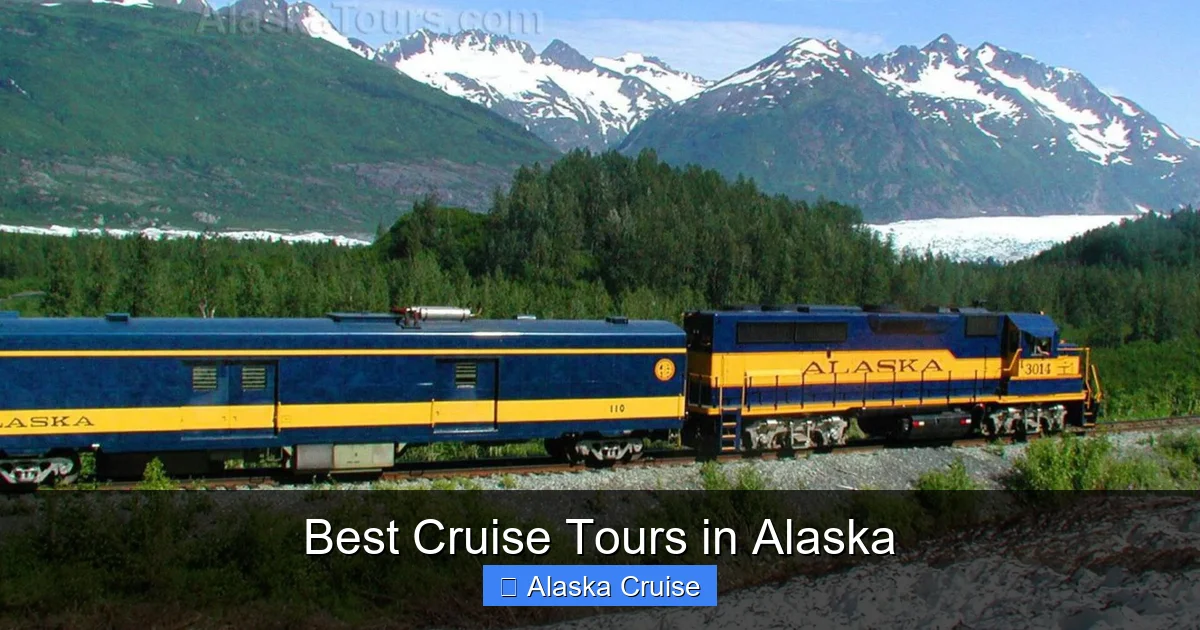
Alaska is one of the world’s most stunning cruise destinations, offering dramatic glaciers, abundant wildlife, and rugged coastlines. Whether you’re seeking adventure, relaxation, or cultural immersion, the best cruise tours in Alaska deliver unforgettable experiences through pristine wilderness and charming coastal towns.
Key Takeaways
- Glacier viewing is a highlight: Nearly every Alaska cruise includes stops or sailbys near massive glaciers like Hubbard, Mendenhall, and Glacier Bay.
- Wildlife spotting is exceptional: Expect to see whales, bears, eagles, sea otters, and more in their natural habitats.
- Top cruise lines offer diverse itineraries: Major operators like Holland America, Princess, and Norwegian Cruise Line provide varied routes and onboard experiences.
- Shore excursions enhance the journey: Kayaking, dog sledding, and cultural tours add depth to your Alaskan adventure.
- Best time to cruise is May through September: Warmer weather, longer days, and peak wildlife activity make this the ideal window.
- Inside Passage vs. Gulf routes: Choose between the classic Inside Passage or longer Gulf of Alaska cruises for different scenery and port stops.
- Pack smart for variable weather: Layers, waterproof gear, and binoculars are essential for comfort and enjoyment.
📑 Table of Contents
- Why Alaska Cruises Are a Must-Do Adventure
- Top Cruise Lines for Alaska Adventures
- Best Itineraries: Inside Passage vs. Gulf of Alaska
- Must-See Ports and Shore Excursions
- Wildlife and Natural Wonders You Can’t Miss
- Packing Tips and What to Expect Onboard
- When to Go: Best Time for an Alaska Cruise
- Conclusion: Why You Should Book an Alaska Cruise
Why Alaska Cruises Are a Must-Do Adventure
Alaska isn’t just a destination—it’s a journey into the wild heart of North America. With towering snow-capped mountains, icy fjords, and vast stretches of untouched wilderness, it’s no surprise that cruising Alaska ranks among the top travel experiences in the world. Unlike land-based trips, a cruise lets you glide through some of the planet’s most dramatic scenery while enjoying the comfort of a floating hotel. You wake up each morning to a new postcard-perfect view, whether it’s a breaching humpback whale or a calving glacier sending ice crashing into the sea.
What makes the best cruise tours in Alaska truly special is the blend of natural wonders and cultural discovery. You’ll sail past glaciers that are thousands of years old, hike through temperate rainforests, and visit small coastal towns rich in Indigenous heritage and Gold Rush history. Whether you’re a first-time cruiser or a seasoned traveler, Alaska offers something for everyone—adventure, relaxation, wildlife, and awe-inspiring beauty all in one unforgettable voyage.
Top Cruise Lines for Alaska Adventures
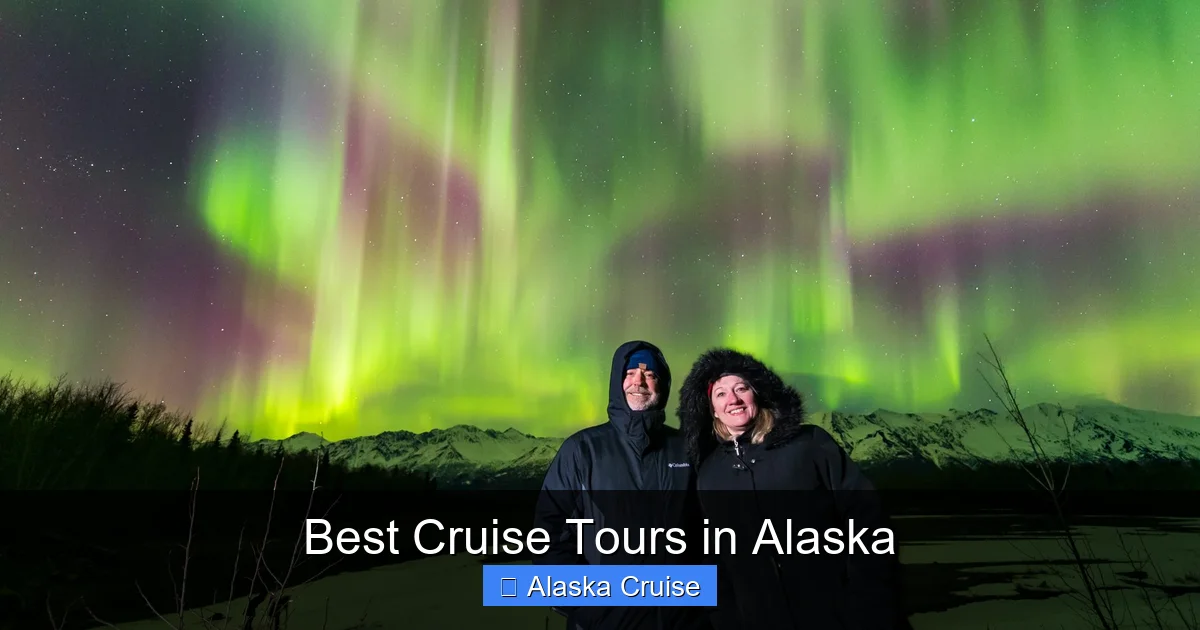
Visual guide about Best Cruise Tours in Alaska
Image source: alaskatours.com
Choosing the right cruise line can make or break your Alaskan experience. Several major operators specialize in Alaska, each offering unique itineraries, onboard amenities, and shore excursions. Here are some of the best cruise lines for exploring the Last Frontier.
Princess Cruises: The Alaska Experts
Princess Cruises has been sailing Alaska for over 50 years and is often considered the gold standard for Alaskan cruising. Their ships are designed with the destination in mind—large observation lounges, glass-walled atriums, and outdoor promenades make it easy to soak in the views. Princess offers both Inside Passage and Gulf of Alaska itineraries, with many cruises including a stop at their private wilderness resort, Denali Princess Wilderness Lodge, near Denali National Park. Their “North to Alaska” program features local Alaskan performers, cooking demonstrations, and educational talks, giving passengers a deeper connection to the region.
Holland America Line: Classic Elegance Meets Adventure
Holland America is known for its refined service and focus on enrichment. Their Alaska cruises often include longer stays in ports like Juneau and Ketchikan, allowing more time for exploration. The line partners with local experts to offer immersive shore excursions, such as guided hikes in Tongass National Forest or visits to Tlingit cultural centers. Holland America also emphasizes sustainability, with programs to reduce environmental impact and support local communities. Their mid-sized ships strike a balance between intimacy and amenities, making them ideal for travelers who want comfort without the crowds.
Norwegian Cruise Line: Freestyle Cruising in the Wild
If you prefer a more relaxed, flexible schedule, Norwegian Cruise Line’s “freestyle cruising” concept might be perfect. You can dine when you want, dress casually, and choose from a wide range of activities. Norwegian offers some of the most diverse itineraries, including roundtrip voyages from Seattle and one-way cruises between Vancouver and Seward. Their ships feature multiple dining options, live entertainment, and family-friendly activities, making them a great choice for multigenerational trips. Norwegian also partners with local guides for unique excursions like flightseeing over glaciers or bear-watching tours.
Celebrity Cruises: Modern Luxury with a View
Celebrity Cruises brings a touch of modern luxury to Alaskan waters. Their ships feature sleek design, upscale dining, and spacious staterooms with ocean views. Celebrity’s “Beyond the Podium” enrichment series includes lectures by naturalists and historians, enhancing your understanding of the region. They also offer exclusive access to Celebrity’s Glacier Bay Experience, a private viewing area in one of Alaska’s most iconic parks. With a focus on wellness and sustainability, Celebrity appeals to travelers who want comfort and conscience in equal measure.
Best Itineraries: Inside Passage vs. Gulf of Alaska
One of the first decisions you’ll make when booking an Alaska cruise is choosing your route. The two main options—Inside Passage and Gulf of Alaska—offer different experiences, durations, and highlights.
Inside Passage: The Classic Alaskan Cruise
The Inside Passage is the most popular route for first-time cruisers. These itineraries typically run from late spring to early fall and depart from Seattle or Vancouver, looping through southeastern Alaska’s network of islands, fjords, and coastal towns. Ships navigate narrow channels surrounded by lush forests and snow-dusted peaks, offering intimate views of glaciers and wildlife. Key ports include Ketchikan, known for its totem poles and rainforest trails; Juneau, the state capital accessible only by boat or plane; and Skagway, a historic Gold Rush town with a charming boardwalk and the famous White Pass & Yukon Route Railway.
One of the biggest advantages of the Inside Passage is its accessibility. Roundtrip cruises mean you don’t have to worry about flights to remote ports, and the shorter duration (usually 7 days) makes it ideal for travelers with limited time. However, because it’s so popular, some areas can feel crowded during peak season.
Gulf of Alaska: The Extended Wilderness Experience
For a more immersive adventure, consider a Gulf of Alaska cruise. These one-way itineraries typically run between Vancouver/Seward and Whittier/Seattle, covering a broader stretch of coastline. You’ll spend more time at sea, with opportunities to see massive tidewater glaciers like Hubbard Glacier, which can be over a mile wide and 1,200 feet tall. Ports of call often include Valdez, a gateway to the Chugach Mountains and Prince William Sound; Kodiak, home to the largest population of brown bears in the world; and Seward, the starting point for excursions into Kenai Fjords National Park.
Gulf cruises are usually 7 to 14 days long and offer a deeper connection to Alaska’s wild side. Because they’re less crowded and cover more remote areas, they’re perfect for nature lovers and photographers. However, they require more planning—especially if you’re flying into or out of Anchorage or Whittier.
Must-See Ports and Shore Excursions
While the journey between ports is breathtaking, the real magic of an Alaska cruise often happens on land. Each port offers unique experiences that bring the culture, history, and natural wonders of Alaska to life.
Juneau: The Capital of Adventure
Juneau is Alaska’s only capital city that can’t be reached by road, making it a true island of civilization in a sea of wilderness. Start your day with a visit to the Alaska State Museum to learn about Indigenous cultures and natural history. Then, take a whale-watching tour in Stephens Passage, where humpback whales, orcas, and sea lions are commonly spotted. For the adventurous, a helicopter ride to the Mendenhall Glacier offers a bird’s-eye view of the 13-mile-long ice field and a chance to walk on the glacier itself. Don’t miss the Mount Roberts Tramway, which whisks you up 1,800 feet for panoramic views and access to hiking trails.
Ketchikan: Rainforest, Totems, and Salmon
Known as the “Salmon Capital of the World,” Ketchikan is a vibrant port surrounded by the Tongass National Forest, the largest national forest in the U.S. Walk the Creek Street boardwalk, a historic district built over the water in the early 1900s, and visit the Totem Heritage Center to see authentic 19th-century totem poles. For a cultural experience, attend a performance by the Alaska Indian Arts group, which showcases traditional Tlingit, Haida, and Tsimshian crafts and dances. Nature lovers should take a guided kayak tour through the Misty Fjords National Monument, where waterfalls cascade down sheer cliffs and bald eagles soar overhead.
Skagway: Step Back into the Gold Rush Era
Skagway feels like a living museum of the Klondike Gold Rush. Stroll down Broadway, lined with wooden sidewalks and historic buildings, and visit the Klondike Gold Rush National Historical Park to learn about the thousands of prospectors who passed through here in the late 1800s. The highlight of any visit is the White Pass & Yukon Route Railway, a narrow-gauge steam train that climbs 2,865 feet through steep gorges and tunnels. For a more active adventure, try dog sledding on a glacier or take a guided hike to the Chilkoot Trail, the route used by gold seekers over a century ago.
Seward and Kenai Fjords: Where Ice Meets Ocean
Seward is your gateway to Kenai Fjords National Park, a stunning landscape of glaciers, fjords, and marine wildlife. A boat tour into the park is a must—you’ll cruise past towering ice walls, watch sea otters floating on their backs, and maybe even see a glacier calve. Many tours include a stop at Aialik Bay, where you can spot puffins, sea lions, and possibly even a black bear along the shore. For a unique perspective, try a kayaking excursion that gets you up close to the ice. If you’re visiting in summer, consider a flightseeing tour over Exit Glacier, one of the few glaciers accessible by foot.
Wildlife and Natural Wonders You Can’t Miss
Alaska is a wildlife paradise, and a cruise is one of the best ways to see animals in their natural habitat. From the deck of your ship or during a shore excursion, keep your eyes peeled for these incredible creatures.
Marine Life: Whales, Seals, and More
The cold, nutrient-rich waters of Alaska are home to an abundance of marine life. Humpback whales are the stars of the show, often seen breaching, tail-slapping, or feeding in groups. Orcas, or killer whales, are also common, especially in the Inside Passage. Keep an eye out for Dall’s porpoises, which race alongside the ship, and Steller sea lions basking on rocky outcrops. Sea otters, with their playful antics and use of rocks to crack shellfish, are a delight to watch. Many cruises include naturalist-led commentary, helping you identify species and understand their behaviors.
Land Animals: Bears, Moose, and Eagles
On land, Alaska’s wildlife is equally impressive. Brown bears and black bears are frequently spotted along riverbanks, especially during salmon runs. In places like Ketchikan and Haines, guided bear-watching tours offer safe, respectful viewing opportunities. Moose are often seen grazing near wetlands, while mountain goats cling to rocky cliffs. And everywhere you go, you’ll see bald eagles—Alaska has the largest population of these majestic birds in the U.S. Look for their massive nests in tall trees near the water.
Glaciers: Nature’s Ice Sculptures
No Alaska cruise is complete without seeing a glacier. These rivers of ice move slowly over centuries, carving valleys and shaping the landscape. Hubbard Glacier, one of the largest in North America, is a highlight on many Gulf of Alaska itineraries. As your ship approaches, you’ll hear the deep rumble of calving ice—a powerful reminder of nature’s force. Glacier Bay National Park, a UNESCO World Heritage Site, offers some of the most dramatic glacier viewing in the world, with over a dozen active tidewater glaciers. Naturalists on board provide insights into glacial science and the impacts of climate change.
Packing Tips and What to Expect Onboard
Preparing for an Alaska cruise is different from packing for a tropical getaway. The weather can be unpredictable, and activities range from casual walks to rugged hikes.
What to Pack: Layers Are Key
Alaska’s weather can change quickly, so dressing in layers is essential. Start with a moisture-wicking base layer, add a fleece or sweater, and top it off with a waterproof, windproof jacket. Waterproof pants and sturdy, non-slip shoes are a must for shore excursions. Don’t forget a warm hat, gloves, and sunglasses—even on cloudy days, the reflection off snow and water can be intense. Binoculars are highly recommended for wildlife spotting, and a small backpack is useful for carrying water, snacks, and a camera.
Onboard Experience: Comfort and Enrichment
Modern cruise ships are designed to keep you comfortable and entertained. Most feature multiple dining venues, from casual buffets to fine dining restaurants. Many Alaska cruises include local specialties like fresh salmon, king crab, and reindeer sausage. Onboard activities often focus on the destination, with lectures by naturalists, cooking demos, and live music featuring Alaskan themes. Evening entertainment might include Broadway-style shows or local performers. Wi-Fi can be spotty in remote areas, so download movies or books in advance.
Accessibility and Family-Friendly Options
Alaska cruises are suitable for travelers of all ages and abilities. Most ships are wheelchair accessible, and shore excursions often offer varying levels of physical difficulty. Families will appreciate kids’ clubs, family-friendly shows, and interactive programs. Some lines, like Disney Cruise Line, offer themed Alaska itineraries with character meet-and-greets and special activities.
When to Go: Best Time for an Alaska Cruise
The Alaska cruise season runs from May to September, with each month offering a slightly different experience.
May and June: Spring Awakening
Early season cruises offer fewer crowds and lower prices. The landscape is lush and green, and wildlife is active as animals emerge from winter. However, some high-elevation excursions may be limited due to snow.
July and August: Peak Season
These are the most popular months, with warm weather, long daylight hours, and full access to ports and excursions. It’s the best time for whale watching and glacier viewing, but also the busiest.
September: Fall Colors and Calm Waters
Late-season cruises offer a quieter experience and stunning fall foliage. Wildlife is still active, and the chance of seeing the northern lights increases as nights grow longer.
Conclusion: Why You Should Book an Alaska Cruise
An Alaska cruise isn’t just a vacation—it’s a journey into one of the last great wildernesses on Earth. From the thunderous crack of a calving glacier to the silent glide of a whale through icy waters, every moment is a reminder of nature’s power and beauty. The best cruise tours in Alaska combine comfort, adventure, and education, offering something for every type of traveler. Whether you’re marveling at towering ice walls, learning about Indigenous cultures, or simply sipping coffee while watching the sunrise over a fjord, you’ll leave with memories that last a lifetime. So pack your bags, bring your sense of wonder, and get ready to explore the wild, wonderful world of Alaska.
Frequently Asked Questions
What is the best time of year to take an Alaska cruise?
The best time to cruise Alaska is from May to September. July and August offer the warmest weather and longest days, while May and September provide fewer crowds and lower prices.
Do I need a passport for an Alaska cruise?
It depends on your itinerary. Roundtrip cruises from Seattle or Vancouver may not require a passport, but one-way cruises or those visiting Canadian ports do. Always check your cruise line’s requirements.
Can I see whales on an Alaska cruise?
Yes! Humpback whales, orcas, and gray whales are commonly seen, especially during whale-watching tours in Juneau, Ketchikan, and Seward.
Are Alaska cruises suitable for families?
Absolutely. Many cruise lines offer kids’ clubs, family-friendly excursions, and educational programs. Ships are equipped with amenities for all ages.
What should I wear on an Alaska cruise?
Dress in layers and bring waterproof gear. Comfortable walking shoes, a warm jacket, and binoculars are essential for shore excursions and wildlife viewing.
How much do shore excursions cost?
Prices vary widely, from $50 for a city tour to $300+ for helicopter rides or dog sledding. Book early for the best selection, and consider booking through your cruise line for convenience.