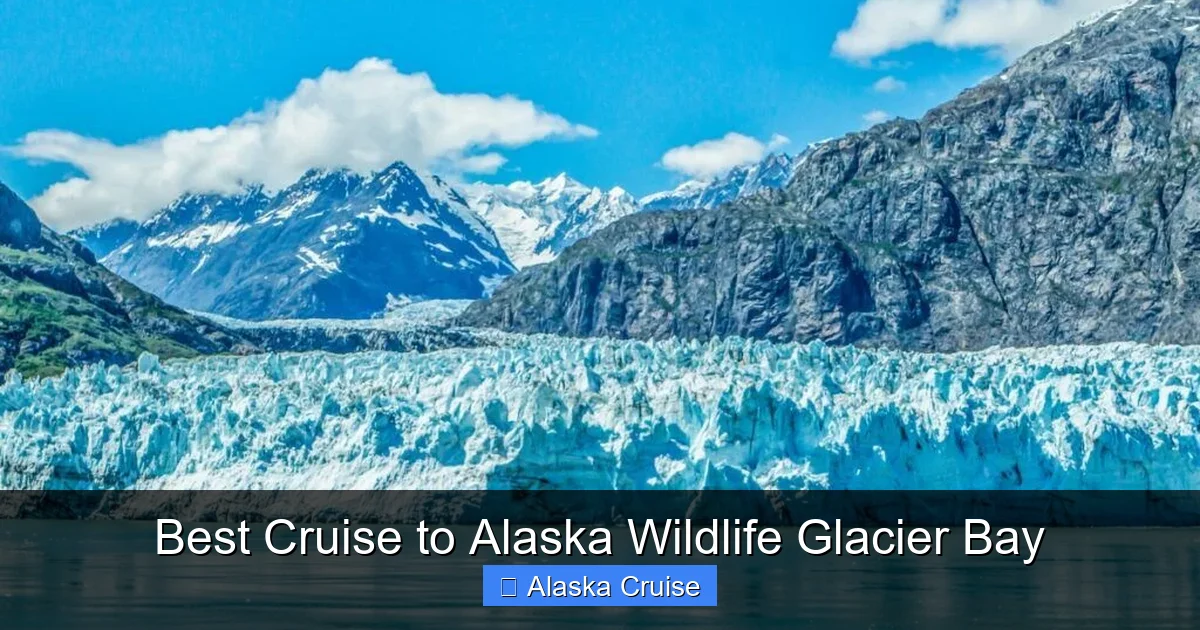
Looking for the best cruise to Alaska wildlife and Glacier Bay? You’re in the right place. This guide covers top itineraries, wildlife hotspots, and expert tips to help you choose the perfect voyage. From humpback whales to towering glaciers, experience Alaska’s wild beauty like never before.
Dreaming of icy fjords, towering glaciers, and encounters with wild animals in their natural habitat? A cruise to Alaska’s Glacier Bay is one of the most awe-inspiring travel experiences on Earth. Whether you’re a nature lover, a photography enthusiast, or simply craving a break from the everyday, an Alaska wildlife cruise offers something magical at every turn. From breaching humpback whales to grizzly bears fishing for salmon, the Last Frontier delivers unforgettable moments that stay with you long after you return home.
But not all Alaska cruises are created equal. With so many lines, ships, and itineraries to choose from, finding the best cruise to Alaska wildlife and Glacier Bay can feel overwhelming. That’s why we’ve put together this comprehensive guide. We’ll walk you through the top cruise options, highlight what makes Glacier Bay so special, and share insider tips to help you plan the adventure of a lifetime. Whether you’re traveling solo, as a couple, or with family, there’s a perfect Alaska cruise waiting for you.
Key Takeaways
- Glacier Bay National Park is a must-see: A UNESCO World Heritage Site, it offers front-row views of calving glaciers and diverse wildlife.
- Wildlife viewing is best in summer: May through September offers the highest chances to see bears, whales, sea lions, and bald eagles.
- Smaller ships access more remote areas: Boutique and expedition-style cruises often navigate closer to glaciers and wildlife.
- Expert naturalists enhance the experience: Look for ships with onboard naturalists who provide educational commentary and guided excursions.
- Juneau and Skagway offer unique shore excursions: Dog sledding, glacier hikes, and cultural tours add depth to your Alaska adventure.
- Book early for prime cabins and dates: Alaska cruises fill up fast, especially for peak season and Glacier Bay access.
- Pack layers and waterproof gear: Weather can change quickly—be prepared for rain, wind, and cool temperatures.
📑 Table of Contents
Why Glacier Bay Is a Must-Visit Destination
Glacier Bay National Park and Preserve is one of Alaska’s crown jewels—and for good reason. Spanning over 3.3 million acres, this protected wilderness is a living laboratory of glacial activity, rich ecosystems, and dramatic landscapes. Designated a UNESCO World Heritage Site and a Biosphere Reserve, Glacier Bay offers a rare glimpse into Earth’s natural processes in action.
One of the most striking features of Glacier Bay is its dynamic glaciers. The park is home to over a dozen active tidewater glaciers, including the famous Margerie and Grand Pacific Glaciers. These massive rivers of ice carve through the landscape, calving icebergs that crash into the sea with thunderous roars. Watching a glacier calve is both humbling and exhilarating—a reminder of nature’s raw power.
But Glacier Bay isn’t just about ice. It’s also a haven for wildlife. As glaciers retreat, they create new habitats for marine and terrestrial species. You might spot harbor seals resting on ice floes, sea otters floating on their backs, or Steller sea lions basking on rocky shores. Above the water, bald eagles soar overhead, while humpback whales and orcas patrol the nutrient-rich waters. On land, black and brown bears forage along the shoreline, especially during salmon runs in late summer.
Wildlife Highlights in Glacier Bay
The diversity of life in Glacier Bay is staggering. Here are some of the animals you might encounter during your visit:
- Humpback Whales: These majestic creatures are frequent visitors, especially in July and August. You might see them feeding, breaching, or slapping their tails on the water.
- Sea Otters: Often seen floating in kelp beds, sea otters are playful and photogenic. They use rocks to crack open shellfish—a rare example of tool use in marine mammals.
- Harbor Seals: These curious pinnipeds are commonly spotted on icebergs, especially near the glaciers. They’re known for their expressive faces and gentle demeanor.
- Bald Eagles: With a wingspan of up to 7 feet, bald eagles are a common sight along the coast. Look for them perched in tall trees or diving for fish.
- Bears: Both black and brown (grizzly) bears inhabit the park. They’re most active during salmon runs, when they gather along rivers to feed.
The Science Behind the Scenery
Glacier Bay is more than just a pretty view—it’s a window into Earth’s history. The park was largely covered by ice just 250 years ago. As the glacier retreated, it revealed a barren landscape that has gradually been colonized by plants, animals, and eventually humans. This process, known as primary succession, is studied by scientists from around the world.
Today, Glacier Bay serves as a living classroom. Park rangers and naturalists often join cruise ships to share insights about the park’s geology, ecology, and conservation efforts. These experts help passengers understand the delicate balance between glacial retreat, climate change, and wildlife adaptation. Their commentary adds depth to the experience, turning a scenic cruise into an educational journey.
Top Cruise Lines for Alaska Wildlife and Glacier Bay
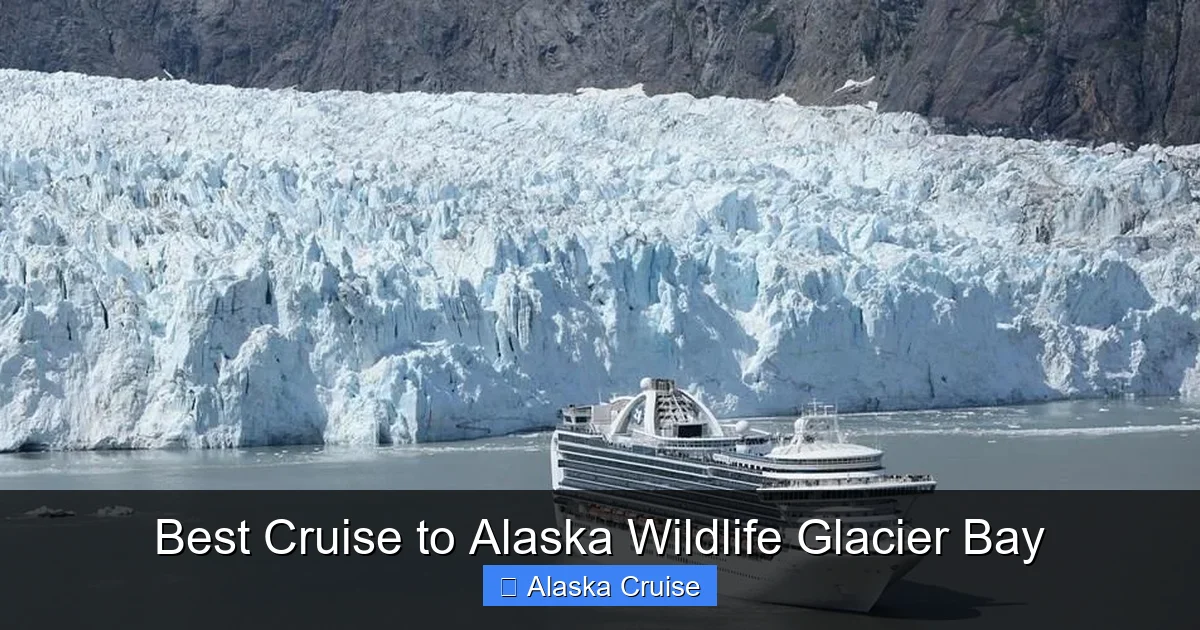
Visual guide about Best Cruise to Alaska Wildlife Glacier Bay
Image source: cruisemapper.com
Choosing the right cruise line can make all the difference in your Alaska adventure. Some lines focus on luxury and comfort, while others prioritize adventure and wildlife encounters. Here are some of the best cruise lines for experiencing Alaska’s wildlife and Glacier Bay.
National Geographic/Lindblad Expeditions
If you’re serious about wildlife and nature, National Geographic and Lindblad Expeditions are hard to beat. Their small ships—often under 100 passengers—navigate remote fjords and get closer to glaciers and wildlife than larger vessels. These expedition-style cruises feature expert naturalists, photographers, and even marine biologists on board.
One standout itinerary is the “Alaska’s Coastal Wilderness” cruise, which includes multiple days in Glacier Bay. Passengers enjoy Zodiac excursions, kayaking among icebergs, and guided hikes on the edges of the park. The focus is on immersive, educational experiences rather than luxury amenities.
UnCruise Adventures
UnCruise offers a unique blend of adventure and comfort. Their ships are small and nimble, allowing access to hidden coves and wildlife-rich areas. The “Alaska Glacier Bay & Island Adventure” itinerary is a favorite among nature lovers. It includes whale watching in Icy Strait, kayaking near glaciers, and even a visit to a remote Tlingit village.
What sets UnCruise apart is their emphasis on active exploration. You’ll have opportunities to paddle a kayak, hike through old-growth forests, or even try stand-up paddleboarding. The crew is passionate about Alaska and shares stories that bring the landscape to life.
Holland America Line
For travelers who want a balance of comfort and wildlife viewing, Holland America is a solid choice. Their mid-sized ships offer spacious cabins, fine dining, and a relaxed pace. The “Glacier Discovery” itinerary includes a full day in Glacier Bay, often with a park ranger on board.
Holland America is known for its excellent shore excursions. In Juneau, you can take a helicopter tour to a glacier, go dog sledding, or visit a salmon hatchery. In Ketchikan, options include rainforest hikes and cultural tours of Native Alaskan villages. The line also partners with local experts to offer wildlife-focused excursions.
Crystal Cruises
Crystal Cruises offers a more luxurious take on Alaska. Their ships are elegant and spacious, with top-tier service and gourmet dining. The “Alaska Splendors” itinerary includes Glacier Bay, along with stops in Sitka, Juneau, and Ketchikan.
What makes Crystal stand out is their enrichment programs. Guest lecturers, including naturalists and historians, give presentations on Alaska’s wildlife, culture, and history. The ships also feature high-end amenities like spas, theaters, and wine tastings—perfect for travelers who want to unwind after a day of exploration.
Princess Cruises
Princess Cruises is one of the most popular lines for Alaska, thanks to their extensive network of itineraries and onboard amenities. Their “Connoisseur Collection” includes longer voyages that spend extra time in Glacier Bay and other wildlife hotspots.
Princess offers a unique “North to Alaska” program, which includes cultural performances, cooking demonstrations, and storytelling sessions. Their ships also feature the “Discovery at Sea” program, where naturalists lead wildlife spotting sessions and educational talks.
Best Itineraries for Wildlife and Glacier Bay
Not all Alaska cruises visit Glacier Bay, and not all itineraries are created equal when it comes to wildlife viewing. Here are some of the best routes for maximizing your chances of seeing animals and experiencing the park’s highlights.
7-Day Glacier Bay Itinerary (Round-Trip Seattle or Vancouver)
This is one of the most popular Alaska cruise routes. Ships typically depart from Seattle or Vancouver and visit ports like Juneau, Skagway, and Ketchikan before spending a full day in Glacier Bay. The return trip often includes a stop in Victoria, BC.
Why it’s great: This itinerary offers a good balance of port time and scenic cruising. You’ll have opportunities to see wildlife in multiple locations, from whale watching in Icy Strait to bear viewing in Tongass National Forest.
10- to 14-Day Extended Itineraries
For travelers who want a deeper dive, longer cruises offer more time in Glacier Bay and access to remote areas like the Inside Passage and the Gulf of Alaska. These voyages often include stops in Sitka, Haines, and even Wrangell.
Why it’s great: Extended itineraries allow for more wildlife encounters and less rushing. You might spend two days in Glacier Bay, giving you a better chance to see calving glaciers and rare species. Some cruises even include a visit to the remote Glacier Bay Lodge, where you can take a guided hike or boat tour.
One-Way Cruises (Seattle to Seward or Vice Versa)
One-way cruises, also known as “open-jaw” itineraries, start in one city and end in another. These are ideal for travelers who want to combine a cruise with land adventures, such as a Denali National Park tour or a train ride on the Alaska Railroad.
Why it’s great: One-way cruises often spend more time in Glacier Bay and include scenic cruising through the Tracy Arm or Endicott Fjords. They also offer flexibility for post-cruise travel.
Wildlife Viewing Tips and Best Times to Go
Timing your cruise correctly can dramatically improve your chances of seeing Alaska’s iconic wildlife. Here’s what you need to know.
Best Months for Wildlife
- May to June: Early season brings migrating birds, including puffins and bald eagles. Bears are active as they emerge from hibernation. Whales begin arriving in greater numbers.
- July to August: Peak season for wildlife. Humpback whales are abundant, and salmon runs attract bears to rivers. This is also the best time for glacier calving.
- September: Fewer crowds and lower prices. Bears are still active, and the fall colors add beauty to the landscape. Some whale species, like orcas, are more common.
Wildlife Viewing Tips
- Bring binoculars: A good pair of binoculars is essential for spotting distant whales, bears, and birds.
- Be patient and quiet: Wildlife is easily startled. Stay calm and avoid sudden movements.
- Listen for naturalists: Onboard experts often point out animals before they’re visible to the naked eye.
- Visit during early morning or late afternoon: Animals are most active during these times.
- Respect wildlife: Never approach or feed animals. Keep a safe distance and follow park guidelines.
What to Pack for an Alaska Wildlife Cruise
Packing for Alaska requires preparation. The weather can be unpredictable, and you’ll want to be comfortable during both shore excursions and time on deck.
Essential Clothing
- Waterproof jacket and pants: Rain is common, even in summer.
- Layered clothing: Temperatures can range from 40°F to 70°F. Pack thermal base layers, fleece, and a warm jacket.
- Waterproof hiking boots: Essential for shore excursions and wet landings.
- Hat, gloves, and scarf: Even in summer, it can be chilly on the water.
- Swimwear: Some ships have hot tubs, and you might want to take a dip in a glacial lake (if allowed).
Gear and Accessories
- Camera with zoom lens: Wildlife photography requires a good telephoto lens.
- Reusable water bottle: Stay hydrated during excursions.
- Sunscreen and sunglasses: The sun reflects off the water and ice, increasing UV exposure.
- Motion sickness remedies: Even calm waters can cause discomfort for some.
Conclusion
A cruise to Alaska’s Glacier Bay is more than just a vacation—it’s a journey into one of the world’s last great wildernesses. From the thunderous crash of calving glaciers to the silent grace of a humpback whale, every moment is a reminder of nature’s beauty and power. Whether you choose a luxury liner or an expedition ship, the key is to immerse yourself in the experience.
The best cruise to Alaska wildlife and Glacier Bay is one that aligns with your interests, budget, and travel style. Look for itineraries that spend ample time in the park, feature expert naturalists, and offer active excursions. Pack wisely, travel with respect, and keep your eyes open—you never know what magical encounter awaits around the next bend.
Alaska doesn’t just show you wildlife and glaciers—it changes you. It reminds you of the planet’s fragility and resilience, and of your place within the natural world. So go ahead, book that cruise, and prepare to be amazed.
Frequently Asked Questions
What is the best time of year to see wildlife in Glacier Bay?
The best time is from July to August, when humpback whales, bears, and salmon are most active. May to June offers migrating birds, while September provides fewer crowds and fall colors.
Do all Alaska cruises visit Glacier Bay National Park?
No, not all cruises include Glacier Bay. Look for itineraries that specifically mention a full or partial day in the park, as access is limited and requires a permit.
Can you get off the ship in Glacier Bay?
Generally, no. Glacier Bay is a protected wilderness area, and passengers usually view it from the ship. Some expedition cruises offer Zodiac or kayak excursions near the shoreline.
What wildlife can you see on an Alaska cruise?
You can see humpback whales, orcas, sea otters, harbor seals, bald eagles, black and brown bears, sea lions, and puffins, depending on the season and location.
Are smaller ships better for wildlife viewing?
Yes, smaller ships can navigate closer to glaciers and wildlife, and often have expert naturalists and more flexible itineraries for wildlife encounters.
Do I need to book shore excursions in advance?
Yes, popular excursions like dog sledding, glacier hikes, and whale watching fill up quickly. Booking early ensures you get your top choices.