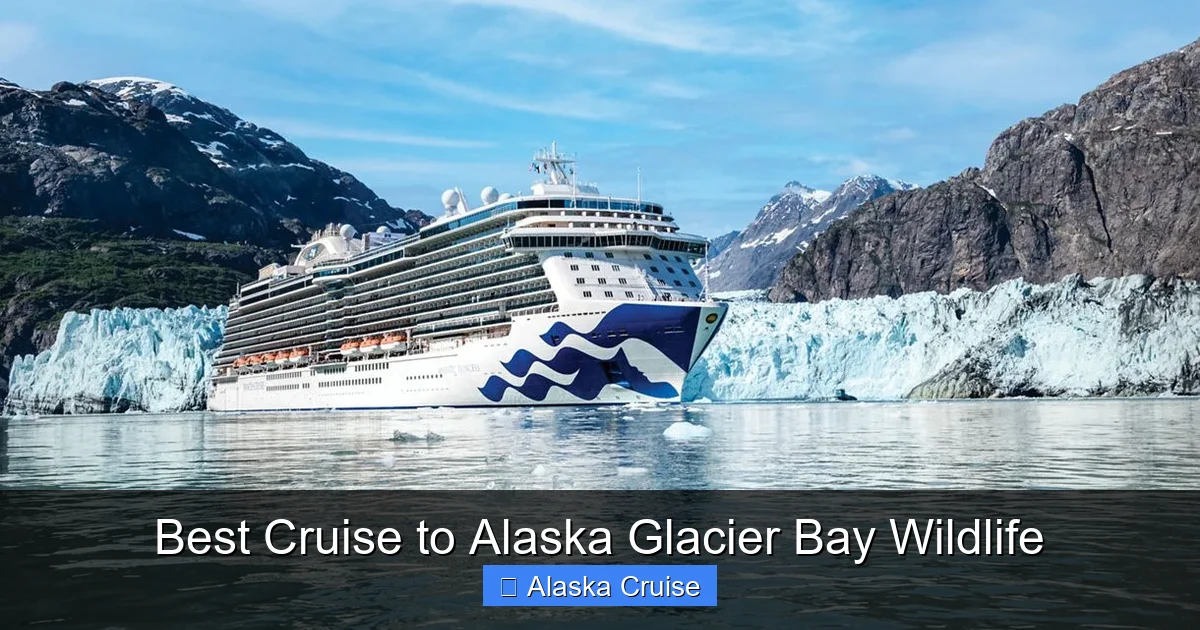
Experience the wild heart of Alaska on the best cruise to Alaska Glacier Bay wildlife. Glide past towering glaciers, spot humpback whales, and witness brown bears in their natural habitat—all from the comfort of a top-rated cruise line.
Key Takeaways
- Glacier Bay National Park is a UNESCO World Heritage Site and one of the most biodiverse regions in Alaska, offering unparalleled wildlife viewing opportunities.
- The best time to visit is between May and September, when weather is milder and wildlife is most active.
- Major cruise lines like Holland America, Princess, and Norwegian offer Glacier Bay itineraries, with expert naturalists onboard to enhance your experience.
- Wildlife sightings include humpback whales, orcas, sea otters, brown bears, and bald eagles—many visible from the ship or during guided shore excursions.
- Smaller ships provide more intimate wildlife encounters and better access to remote areas of Glacier Bay.
- Pack layers, binoculars, and a good camera to make the most of your wildlife and glacier viewing.
- Book early for peak season, as Glacier Bay cruises fill up quickly due to limited daily ship entries.
📑 Table of Contents
- Why Glacier Bay Is a Must-Visit Destination in Alaska
- Top Cruise Lines for Alaska Glacier Bay Wildlife
- Best Time to Cruise to Glacier Bay for Wildlife
- Wildlife You Can Expect to See in Glacier Bay
- What to Pack for Your Glacier Bay Wildlife Cruise
- Tips for Maximizing Your Wildlife Viewing Experience
- Conclusion: Why a Glacier Bay Cruise Is Unforgettable
Why Glacier Bay Is a Must-Visit Destination in Alaska
If you’ve ever dreamed of standing on the deck of a ship, binoculars in hand, as a massive glacier calves into the sea with a thunderous crack—then Glacier Bay National Park is your dream destination. Located in southeastern Alaska, this vast wilderness spans over 3.3 million acres and is home to some of the most dramatic landscapes and abundant wildlife on the planet. It’s no surprise that Glacier Bay is a highlight on nearly every Alaska cruise itinerary, especially for nature lovers and adventure seekers.
What makes Glacier Bay so special isn’t just the glaciers—though there are plenty of those, including the famous Margerie and Lamplugh Glaciers—but the rich ecosystem that thrives in its cold, nutrient-rich waters. The bay is a marine sanctuary where tidal glaciers meet the Pacific Ocean, creating a unique environment that supports everything from microscopic plankton to massive humpback whales. The park is also a UNESCO World Heritage Site and a Biosphere Reserve, recognized globally for its ecological significance.
But beyond the science and accolades, Glacier Bay offers something deeper: a sense of awe. Imagine watching a sea lion bask on a rocky outcrop, a bald eagle soaring overhead, or a pod of orcas cutting through the icy water just yards from your ship. These moments aren’t rare—they’re part of the everyday magic of Glacier Bay. And the best way to experience it? On a well-planned cruise that puts wildlife and natural beauty front and center.
Top Cruise Lines for Alaska Glacier Bay Wildlife
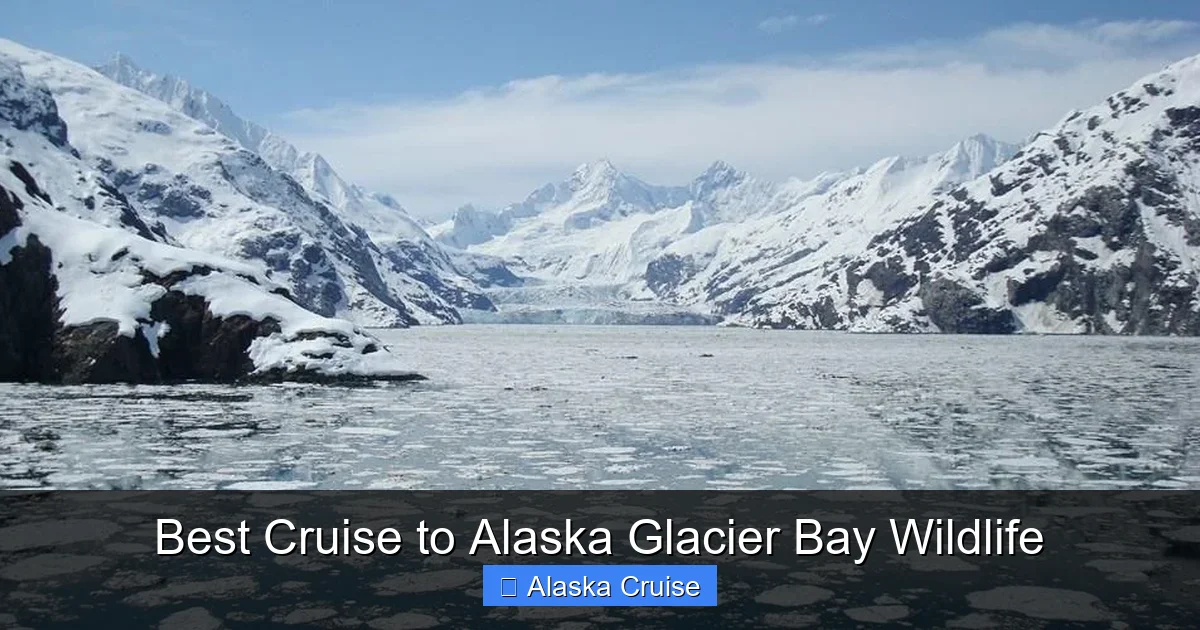
Visual guide about Best Cruise to Alaska Glacier Bay Wildlife
Image source: cruisemapper.com
When it comes to choosing the best cruise to Alaska Glacier Bay wildlife, not all cruise lines are created equal. Some prioritize luxury, others focus on adventure, and a few excel at wildlife education and access. Based on itineraries, onboard expertise, and guest reviews, here are the top cruise lines that consistently deliver unforgettable Glacier Bay experiences.
Holland America Line: The Naturalist’s Choice
Holland America has long been a favorite among travelers seeking a more intimate, educational cruise experience. Their ships, like the MS Nieuw Amsterdam and MS Westerdam, are mid-sized—perfect for navigating narrow fjords and getting closer to wildlife without feeling overcrowded. What sets Holland America apart is their partnership with the National Park Service. Each ship has a dedicated park ranger and marine naturalist onboard during Glacier Bay transit, offering live commentary, wildlife spotting tips, and educational programs.
Guests rave about the “Glacier Bay Experience” program, which includes early morning wildlife watches, photography workshops, and evening lectures on Alaskan ecosystems. Plus, Holland America’s itineraries often include multiple days in the Inside Passage, giving you more time to spot whales, sea otters, and bears along the coastline.
Princess Cruises: Scenic Views and Shore Excursions
Princess Cruises is another top contender, known for their “North to Alaska” program that brings Alaskan culture and wildlife to life. Their ships, such as the Grand Princess and Ruby Princess, offer spacious observation decks and floor-to-ceiling windows in public areas—ideal for glacier and wildlife viewing. Princess also offers a wide range of shore excursions, from whale-watching tours in Juneau to bear-viewing flights over Pack Creek on Admiralty Island.
One standout feature is their “Wildlife Viewing Guarantee”—if you don’t see certain animals during your cruise, you receive a credit toward a future Alaska voyage. While no one can guarantee wildlife sightings, this policy shows Princess’s confidence in their itineraries and naturalist teams.
Norwegian Cruise Line: Flexibility and Adventure
For travelers who want more freedom and a wider range of activities, Norwegian Cruise Line (NCL) offers a great balance of relaxation and adventure. Their “Freestyle Cruising” concept means no fixed dining times or dress codes, so you can enjoy a casual breakfast on deck while scanning the horizon for orcas. Ships like the Norwegian Bliss and Norwegian Encore are newer and larger, with multiple observation lounges and outdoor spaces.
NCL’s Alaska itineraries often include Glacier Bay along with stops in Ketchikan, Juneau, and Skagway. Their shore excursions are diverse—think dog sledding on a glacier, kayaking among icebergs, or taking a scenic railway through the mountains. While their naturalist programming isn’t as extensive as Holland America’s, NCL still provides informative talks and wildlife spotting guides.
Small Ship Cruises: Intimate Wildlife Encounters
If you’re looking for a more personal and immersive experience, consider a small ship cruise with companies like UnCruise Adventures, Lindblad Expeditions, or American Cruise Lines. These vessels carry fewer than 200 passengers—some as few as 60—allowing them to access remote areas of Glacier Bay that larger ships can’t reach.
On a small ship, you might wake up to a pod of humpback whales feeding just off the bow, or take a Zodiac raft to a secluded beach where brown bears forage for clams. Naturalists are often on every excursion, sharing insights about the local ecosystem. While these cruises tend to be pricier, many travelers say the up-close wildlife encounters and expert guidance are worth every penny.
Best Time to Cruise to Glacier Bay for Wildlife
Timing is everything when it comes to spotting wildlife in Glacier Bay. While Alaska cruises run from May to September, each month offers a slightly different experience. Understanding these seasonal shifts can help you choose the best time for your trip.
May and Early June: The Awakening
Late May and early June mark the beginning of the cruise season. The days are getting longer, snow is melting, and wildlife is becoming more active after the long winter. This is a great time to see brown bears emerging from hibernation, especially along the shores of Glacier Bay and nearby Admiralty Island. Migratory birds, including bald eagles and puffins, are also returning.
One advantage of cruising early in the season is fewer crowds. Ships are less packed, and shore excursions are easier to book. However, weather can be unpredictable—pack warm layers and rain gear. Some trails may still be muddy or snow-covered, so check excursion availability in advance.
Mid-June to July: Peak Wildlife Activity
This is the sweet spot for most travelers. The weather is milder, the days are long (up to 18 hours of daylight), and wildlife is at its most active. Humpback whales are frequently spotted feeding in the nutrient-rich waters of Glacier Bay, often breaching or slapping their tails. Sea otters float on their backs, cracking shellfish on their chests, while sea lions bark from rocky islets.
July is also prime time for glacier calving. Warmer temperatures cause glaciers to fracture more dramatically, sending massive ice chunks crashing into the sea. It’s a thrilling sight—and a reminder of the raw power of nature.
August and September: The Quiet Beauty
As summer winds down, the crowds thin out, and the landscape begins to change. August brings vibrant fall colors to the tundra, and wildlife is still abundant. Bears are busy foraging for salmon in preparation for winter, making them easier to spot near river mouths. Whale sightings remain strong, especially in early August.
September offers a more serene experience. The weather is cooler, but the skies are often clearer, providing stunning views of the mountains and glaciers. Some cruise lines offer late-season discounts, making this a budget-friendly option for travelers who don’t mind the chill.
Wildlife You Can Expect to See in Glacier Bay
One of the biggest draws of a Glacier Bay cruise is the chance to see Alaska’s iconic wildlife in their natural habitat. From the tiniest seabirds to the largest marine mammals, the bay is a living classroom of biodiversity. Here’s a closer look at what you might encounter.
Marine Mammals: Whales, Seals, and Otters
Glacier Bay’s cold, nutrient-rich waters attract a wide variety of marine life. Humpback whales are the stars of the show, often seen feeding in groups using a technique called “bubble netting.” Orcas, or killer whales, are less common but still spotted, especially in July and August. Keep an eye out for their distinctive black-and-white markings and tall dorsal fins.
Sea otters are a delight to watch. These playful creatures float on their backs, using rocks to crack open clams and mussels. You’ll often see them wrapped in kelp to keep from drifting away while they eat. Harbor seals and Steller sea lions are also common, lounging on ice floes or rocky shores.
Land Animals: Bears, Goats, and Moose
While most wildlife viewing happens from the ship, shore excursions offer the chance to see land animals up close. Brown bears—also known as grizzlies—are a major highlight. In Glacier Bay and nearby areas like Pack Creek, bears gather to feed on salmon during the summer months. Guided bear-viewing tours are available, but always remember to keep a safe distance and follow park guidelines.
Mountain goats are another common sight, scaling steep cliffs with ease. Their white coats blend in with the snow, so binoculars are helpful. Moose are less frequently seen in Glacier Bay itself but may appear in nearby forests during shore excursions.
Birds: Eagles, Puffins, and More
Birdwatchers will be in heaven. Bald eagles are everywhere—perched on treetops, soaring overhead, or diving for fish. Their wingspan can reach up to seven feet, making them easy to spot even from a distance.
Tufted puffins, with their colorful beaks and comical expressions, nest on coastal cliffs during the summer. They’re often seen flying in and out of burrows with fish in their beaks. Other seabirds include murres, kittiwakes, and cormorants, all thriving in the bay’s rich marine environment.
What to Pack for Your Glacier Bay Wildlife Cruise
Packing for an Alaska cruise isn’t like packing for a Caribbean vacation. The weather can change quickly, and you’ll want to be prepared for everything from sunny deck days to rainy wildlife watches. Here’s a practical packing list to help you make the most of your trip.
Clothing: Layers Are Key
Alaska’s weather is famously unpredictable. Even in summer, temperatures can range from 40°F to 70°F (4°C to 21°C). The key is layering. Start with a moisture-wicking base layer, add a fleece or sweater, and top it off with a waterproof and windproof jacket. Don’t forget a warm hat, gloves, and a scarf—especially for early morning wildlife watches when it’s coldest.
Waterproof pants and sturdy, non-slip shoes are essential for shore excursions. Many tours involve walking on wet rocks or muddy trails, so avoid sneakers that aren’t water-resistant.
Gear: Binoculars, Camera, and More
Binoculars are a must. Wildlife can be far away, and a good pair will bring whales, bears, and birds into sharp focus. Look for compact, waterproof models with 8x or 10x magnification.
A camera with a zoom lens is ideal for capturing glacier calving and distant animals. Bring extra batteries and memory cards—cold weather drains batteries faster. A waterproof phone case can also come in handy for deck photos.
Don’t forget sunscreen and sunglasses. The sun reflects off the water and ice, increasing your risk of sunburn. And while it might seem counterintuitive, lip balm with SPF is a good idea too.
Extras: Motion Sickness Remedies and Reusable Items
If you’re prone to motion sickness, bring remedies like ginger chews, wristbands, or medication. The waters of the Inside Passage can be choppy, especially in windy weather.
Consider packing a reusable water bottle and coffee cup. Many cruise lines encourage sustainability, and you’ll appreciate having your own bottle during shore excursions.
Tips for Maximizing Your Wildlife Viewing Experience
Seeing wildlife in Glacier Bay is often a matter of timing, patience, and preparation. Here are some insider tips to help you spot more animals and make the most of your cruise.
Wake Up Early
The best wildlife activity often happens at dawn. Whales feed more actively in the early morning, and bears are often on the move before the heat of the day. Set your alarm and head to the observation deck with a thermos of coffee. You might be rewarded with a pod of orcas or a bear foraging along the shoreline.
Listen to the Naturalists
Pay attention to the commentary from onboard naturalists and park rangers. They know where to look and what to watch for. If they announce a whale sighting or a bear on the shore, drop everything and head to the deck.
Use the Right Vantage Points
Not all parts of the ship are created equal for wildlife viewing. The bow (front) and stern (back) often offer unobstructed views, especially when the ship is moving slowly through Glacier Bay. Upper decks provide a better angle for spotting animals on cliffs or distant shores.
Be Patient and Quiet
Wildlife is easily startled. Keep noise to a minimum when animals are nearby. Avoid sudden movements or loud conversations. The quieter you are, the more likely animals are to stick around.
Take Advantage of Shore Excursions
While much of the wildlife viewing happens from the ship, shore excursions offer unique opportunities. Kayaking trips let you glide silently through quiet coves, increasing your chances of spotting sea otters or seals. Helicopter tours provide aerial views of glaciers and bears. And guided wildlife walks offer expert insights you won’t get on your own.
Conclusion: Why a Glacier Bay Cruise Is Unforgettable
A cruise to Glacier Bay isn’t just a vacation—it’s a journey into one of the last great wildernesses on Earth. From the thunderous crash of calving glaciers to the silent glide of a humpback whale, every moment in Glacier Bay feels like a gift. Whether you’re on a large cruise ship with panoramic views or a small expedition vessel with expert guides, the experience is bound to leave a lasting impression.
The best cruise to Alaska Glacier Bay wildlife combines comfort, education, and adventure. It’s about more than just sightseeing—it’s about connection. Connection to nature, to the rhythms of the wild, and to the awe-inspiring power of the natural world. So pack your bags, bring your binoculars, and get ready for an Alaskan adventure you’ll never forget.
Frequently Asked Questions
What is the best month to see wildlife in Glacier Bay?
The best time for wildlife viewing is from mid-June to July. During this period, humpback whales, brown bears, and migratory birds are most active, and weather conditions are generally favorable.
Can you see glaciers and wildlife on the same cruise?
Yes! Most Glacier Bay cruises are designed to showcase both glaciers and wildlife. Ships slow down near calving glaciers and pause in areas known for whale and bear sightings.
Are there bears in Glacier Bay National Park?
Yes, brown bears are commonly seen in Glacier Bay, especially along the shoreline and in areas like Bartlett Cove. Guided tours offer safe viewing opportunities.
Do I need binoculars on an Alaska cruise?
Yes, binoculars are highly recommended. They help you spot distant wildlife like whales, eagles, and bears that may be too far to see clearly with the naked eye.
Are small ship cruises better for wildlife viewing?
Small ship cruises often provide more intimate and flexible wildlife experiences, with access to remote areas and expert naturalists on every excursion.
How far in advance should I book a Glacier Bay cruise?
Book at least 6 to 12 months in advance, especially for peak season (June–July). Glacier Bay has daily ship limits, so itineraries fill up quickly.