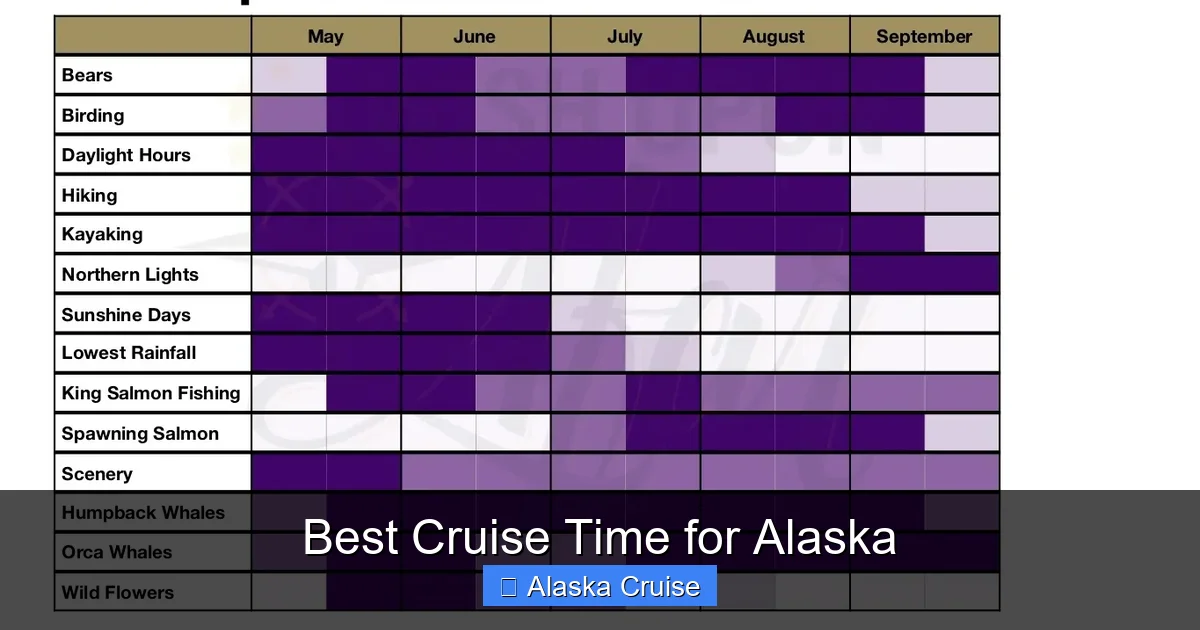
Choosing the best cruise time for Alaska depends on your priorities—whether it’s mild weather, wildlife sightings, or fewer crowds. Peak season runs from June to August, offering long days and warm temperatures, while shoulder months like May and September provide quieter experiences and lower prices.
Dreaming of towering glaciers, rugged coastlines, and wildlife roaming freely under the midnight sun? An Alaska cruise offers one of the most breathtaking travel experiences on Earth. But with a short sailing season that stretches only from May to September, choosing the best cruise time for Alaska can make or break your adventure. Whether you’re a first-time cruiser or a seasoned traveler, timing your trip correctly ensures you get the most out of Alaska’s wild beauty—without the stress of overcrowded ports or unpredictable weather.
Alaska’s cruise season is brief but intense. From the snow-dusted peaks of the Inside Passage to the icy fjords of Glacier Bay, the state transforms each summer into a paradise for nature lovers. However, each month offers a different flavor of the Alaskan experience. June brings long, golden days and blooming wildflowers, while August offers peak wildlife activity and mild temperatures. May and September, though cooler, reward travelers with lower prices, fewer crowds, and a more intimate connection to the landscape.
So, when is the best cruise time for Alaska? The answer isn’t one-size-fits-all. It depends on what you value most: comfort, cost, solitude, or spectacle. In this guide, we’ll break down each month of the Alaska cruise season, highlight key experiences, and help you decide when to set sail for the adventure of a lifetime.
Key Takeaways
- Peak season (June–August): Offers the warmest weather, longest daylight hours, and best wildlife viewing, but also the highest prices and largest crowds.
- Shoulder months (May & September): Ideal for budget travelers and those seeking fewer tourists, with cooler temperatures and still-decent wildlife activity.
- Wildlife varies by month: Bears are most active in July and August, while whales are commonly spotted from May through September.
- Glacier viewing is best in summer: Calving glaciers are most dramatic in July and August due to warmer temperatures and increased meltwater.
- Weather is unpredictable: Pack layers regardless of when you go—rain, wind, and sudden temperature drops are common even in summer.
- Shore excursions fill up fast: Book popular tours like whale watching or dog sledding well in advance, especially during peak months.
- Shorter itineraries in May/September: Some cruise lines offer fewer sailings at the start and end of the season, so plan early.
📑 Table of Contents
Understanding Alaska’s Cruise Season
Alaska’s cruise season officially runs from early May to late September, a window of just five months when the weather is mild enough and the seas calm enough for safe and enjoyable sailing. This short season is dictated by Alaska’s harsh winters, which bring freezing temperatures, heavy snowfall, and limited daylight—conditions that make cruising impractical and unsafe.
The season typically kicks off in mid-May, with major cruise lines like Holland America, Princess, and Norwegian Cruise Line launching their first sailings from ports like Seattle, Vancouver, and Seward. By June, the season is in full swing, and by July and August, it reaches its peak. September sees a gradual wind-down, with the final departures usually occurring by the end of the month.
One of the biggest factors influencing the best cruise time for Alaska is daylight. During the summer months, Alaska experiences nearly 24 hours of daylight in the northern regions—a phenomenon known as the “midnight sun.” In June and July, you can enjoy scenic cruising at 10 p.m. under a bright sky, which is both surreal and unforgettable. This extended daylight also means more time for shore excursions, wildlife spotting, and simply soaking in the views.
However, the short season also means high demand. Cruise ships fill up quickly, especially for popular routes like the Inside Passage and Glacier Bay. Booking early is essential, particularly if you’re traveling with family or want specific cabin categories. Additionally, shore excursions—like helicopter tours, glacier hikes, and wildlife cruises—sell out fast during peak months, so planning ahead is key.
Peak Season: June, July, and August

Visual guide about Best Cruise Time for Alaska
Image source: portfunfinder.com
If you’re looking for the most reliable weather, the best wildlife viewing, and the fullest range of activities, the peak season from June to August is your best bet. These three months offer the warmest temperatures, longest days, and most vibrant scenery, making them the most popular time for Alaska cruises.
June: The Start of Summer Magic
June marks the beginning of Alaska’s true summer. Temperatures typically range from the mid-50s to low 60s Fahrenheit (13–17°C), though it can feel cooler on the water or in higher elevations. The days are long—up to 18 hours of daylight in southern Alaska—giving you plenty of time to explore.
One of the biggest draws in June is the blooming of wildflowers. Meadows burst with color, and the landscape feels alive. Wildlife is also active: humpback whales migrate through the Inside Passage, sea lions bask on rocky shores, and bald eagles soar overhead. Bears are beginning to emerge from hibernation, though they’re still more commonly spotted in July and August.
June is also a great time for glacier viewing. As temperatures rise, glaciers begin to calve more dramatically, sending massive ice chunks crashing into the sea. Glacier Bay and Hubbard Glacier are particularly impressive during this time.
However, June is still part of the shoulder season in terms of crowds. While it’s busier than May, you’ll avoid the peak July and August rush, making it a sweet spot for travelers who want good weather without the heaviest crowds.
July: The Height of the Season
July is the most popular month for Alaska cruises—and for good reason. It’s warm, sunny, and teeming with life. Average temperatures hover between 60–70°F (15–21°C), making it comfortable for outdoor activities like hiking, kayaking, and wildlife tours.
This is prime time for wildlife enthusiasts. Brown bears are frequently spotted along riverbanks, especially in places like Katmai National Park and Admiralty Island, where they gather to feed on salmon. Whale watching is exceptional, with orcas, humpbacks, and gray whales commonly seen. Sea otters, puffins, and moose are also active and easier to spot.
Glacier calving is at its most dramatic in July. The combination of warm weather and increased meltwater causes glaciers to fracture more frequently, creating thunderous splashes and icebergs that float through the fjords. If you’re hoping to witness a glacier “calve” during your cruise, July offers the best odds.
The downside? July is the busiest and most expensive month. Ports like Juneau, Ketchikan, and Skagway are packed with tourists, and shore excursions book up months in advance. If you’re traveling with kids or prefer a quieter experience, July might feel overwhelming.
August: Warm Weather and Final Wildlife Surges
August continues the summer magic, with temperatures similar to July and still-plentiful daylight. While the peak crowds begin to taper off toward the end of the month, August remains a top choice for families and first-time cruisers.
One of the highlights of August is the salmon run. As salmon return to rivers to spawn, bears become even more active and visible. This is one of the best times to see brown bears in action, particularly in places like Brooks Falls in Katmai. Whale activity remains strong, and sea lions are often seen in large colonies.
Glacier viewing is still excellent, though some glaciers may show signs of summer melt. The scenery is lush and green, with forests in full bloom and waterfalls flowing at their peak.
August also offers a wider selection of cruise itineraries, including longer 10- to 14-day voyages that venture into the Gulf of Alaska or even cross into the Arctic Circle. These extended cruises provide a deeper dive into Alaska’s remote wilderness.
The main drawback? Prices are still high, and popular excursions remain in demand. However, if you book early and prioritize must-do activities, August can be a fantastic time to cruise.
Shoulder Months: May and September
For travelers seeking a balance of good weather, lower prices, and fewer crowds, the shoulder months of May and September are excellent alternatives to the peak summer season. While cooler and less predictable, these months offer unique advantages that make them worth considering.
May: The Quiet Beginning
May is the start of the cruise season, and it’s a time of transition. Temperatures range from the mid-40s to low 50s Fahrenheit (7–12°C), and while it’s cooler than summer, it’s still comfortable for outdoor activities—especially if you dress in layers.
One of the biggest perks of cruising in May is the lack of crowds. Ports are quieter, excursions are easier to book, and you’ll have more space to enjoy the scenery. Wildlife is beginning to stir: whales are migrating north, sea lions are returning to shore, and birds are nesting. While bear sightings are less common than in summer, you may still spot them in coastal areas.
Glacier viewing is still possible, though calving activity is less frequent than in July and August. However, the glaciers are pristine and often surrounded by snow-capped peaks, creating a dramatic, almost otherworldly landscape.
May also offers lower cruise fares and more availability. If you’re flexible with dates and don’t mind cooler weather, you can save significantly compared to peak season. Just be prepared for variable conditions—rain is common, and some higher-elevation areas may still have snow.
September: The Golden Finale
September is arguably one of the most underrated times to cruise Alaska. As summer fades, the landscape transforms into a tapestry of gold, red, and orange as the leaves change. The air is crisp, the skies are often clear, and the crowds have thinned considerably.
Temperatures in September range from the mid-40s to low 60s Fahrenheit (7–16°C), depending on the region. Coastal areas like Ketchikan and Juneau are milder, while inland and northern regions can be cooler. Layering is essential, especially for early morning wildlife tours or glacier viewing.
Wildlife is still active in September. Bears are preparing for hibernation and are often seen foraging along rivers. Whale watching remains strong, particularly for humpbacks and orcas. Sea otters and seals are common, and migratory birds begin their journey south.
One of the biggest draws of September is the fall colors. The changing foliage adds a stunning contrast to the rugged coastline and icy waters. It’s a photographer’s dream, with golden larch trees and crimson shrubs framing glaciers and fjords.
Glacier viewing is still excellent, though calving slows as temperatures drop. However, the glaciers are often surrounded by snow, creating a striking visual contrast.
The main advantage of September? Lower prices and fewer tourists. Cruise fares drop significantly, and you’ll have more flexibility with cabin selection and excursions. Some cruise lines even offer last-minute deals as the season winds down.
The trade-off? Shorter daylight hours and the possibility of earlier storms. By late September, some remote areas may experience snow, and certain excursions (like helicopter tours) may be canceled due to weather. But for travelers who prioritize value and tranquility, September is a hidden gem.
Wildlife and Glacier Viewing by Month
One of the biggest reasons people choose an Alaska cruise is the chance to see wildlife and glaciers up close. But these natural wonders aren’t equally visible all season. Understanding when and where to see them can help you plan the best cruise time for Alaska.
Wildlife Viewing Calendar
– **May:** Humpback whales begin arriving; sea lions return to shore; bald eagles are active; bears are emerging but less visible.
– **June:** Whale migration peaks; sea otters and puffins are common; bears start feeding on early salmon; bird nesting season begins.
– **July:** Peak bear activity, especially along salmon streams; orcas and humpbacks are frequently spotted; moose and mountain goats are visible in alpine areas.
– **August:** Salmon run attracts bears and eagles; whale watching remains strong; sea lion colonies are active.
– **September:** Bears forage heavily before hibernation; migratory birds pass through; whales are still present but begin moving south.
For the best wildlife experience, July and August are ideal. However, May and September offer quieter encounters and unique seasonal behaviors, like the fall salmon run or the arrival of migratory birds.
Glacier Viewing Calendar
– **May:** Glaciers are pristine but calving is minimal; snow-covered peaks create dramatic backdrops.
– **June:** Calving begins as temperatures rise; glaciers are active but not at peak.
– **July:** Peak calving season; dramatic icefalls and icebergs are common.
– **August:** Continued calving, though some glaciers show summer melt.
– **September:** Calving slows; glaciers are often surrounded by snow and fall foliage.
If witnessing a glacier calve is on your bucket list, July is your best bet. But for serene, snow-dusted glaciers against fall colors, September is equally magical.
Weather and Packing Tips
Alaska’s weather is famously unpredictable, even in summer. One moment you’re basking in sunshine, the next you’re dodging rain or wind. This means packing smart is essential—no matter when you go.
What to Expect by Month
– **May:** Cool and damp; frequent rain; possible snow in higher elevations.
– **June:** Mild and variable; sunny days mixed with rain; cool evenings.
– **July:** Warmest and driest; occasional rain; comfortable for outdoor activities.
– **August:** Similar to July; slightly cooler; increased chance of storms.
– **September:** Cool and crisp; frequent rain; early snow possible in northern areas.
Packing Essentials
– **Layered clothing:** Bring a waterproof jacket, fleece, thermal base layers, and quick-dry pants.
– **Waterproof footwear:** Sturdy, non-slip shoes are a must for wet docks and trails.
– **Binoculars:** Essential for wildlife and glacier viewing.
– **Sunscreen and sunglasses:** The sun can be strong, even on cloudy days.
– **Camera with zoom lens:** Capture distant whales, bears, and glaciers.
– **Reusable water bottle:** Stay hydrated during excursions.
Even in summer, temperatures can drop quickly on the water or at higher elevations. Always pack for cooler conditions, and don’t forget a hat and gloves for glacier days.
Choosing the Right Cruise Line and Itinerary
Not all Alaska cruises are created equal. The best cruise time for Alaska also depends on the cruise line, ship size, and itinerary.
Major Cruise Lines
– **Princess Cruises:** Known for their “North to Alaska” program, offering immersive shore excursions and longer stays in ports.
– **Holland America:** Focuses on enrichment with onboard naturalists and expert-led tours.
– **Norwegian Cruise Line:** Offers flexible dining and a variety of itineraries, including one-way cruises.
– **Celebrity Cruises:** Modern ships with luxury amenities and scenic cruising experiences.
– **Small Ship Lines (e.g., UnCruise, Lindblad):** Ideal for adventure seekers, with kayaking, hiking, and wildlife-focused itineraries.
Itinerary Options
– **Inside Passage:** Classic route from Seattle or Vancouver, visiting Ketchikan, Juneau, and Skagway. Best for first-timers.
– **Gulf of Alaska:** Longer cruises that include Seward, Hubbard Glacier, and sometimes Whittier. Great for glacier lovers.
– **One-Way Cruises:** Sail from Seattle to Vancouver or vice versa, or between Seward and Vancouver. Offer more time in port.
– **Arctic Adventures:** Extended voyages that go as far as the Arctic Circle or even into Russia (seasonal).
Choose an itinerary that matches your interests. If glaciers are your priority, opt for a Gulf of Alaska cruise. For wildlife, look for itineraries that include Glacier Bay or remote coastal areas.
Conclusion
So, what is the best cruise time for Alaska? The answer depends on your travel style, budget, and what you hope to experience.
If you want warm weather, long days, and the best chance to see bears, whales, and calving glaciers, **July and August** are your best bets. These peak months offer the full Alaska experience—just be prepared for higher prices and larger crowds.
For a quieter, more budget-friendly trip with still-decent weather and wildlife, consider **June or September**. June brings blooming landscapes and fewer tourists, while September offers stunning fall colors and lower fares.
And if you’re flexible and love a good deal, **May** can be a rewarding choice—just pack for cooler, wetter conditions.
No matter when you go, an Alaska cruise is a journey into one of the world’s last great wildernesses. With proper planning and the right timing, you’ll return home with memories that last a lifetime.
Frequently Asked Questions
What is the best month to see whales in Alaska?
The best months for whale watching are June through September. Humpback whales are most active from May to September, with peak sightings in July and August. Orcas are also commonly seen during these months.
Can you see the Northern Lights on an Alaska cruise?
The Northern Lights are rarely visible during the cruise season (May–September) due to nearly 24-hour daylight in summer. For aurora viewing, you’d need to visit in winter, but cruising isn’t available then.
Are Alaska cruises safe in September?
Yes, Alaska cruises are safe in September. While weather can be cooler and more variable, ships are equipped for the conditions, and most itineraries operate normally through the end of the month.
Do I need a passport for an Alaska cruise?
It depends on your itinerary. Closed-loop cruises (departing and returning to the same U.S. port) don’t require a passport, but one is recommended. Cruises departing from or visiting Canada require a passport.
What should I wear on an Alaska cruise?
Dress in layers: a waterproof jacket, fleece, thermal base layers, and comfortable walking shoes. Even in summer, temperatures can drop on the water or at higher elevations.
Can you see glaciers in May?
Yes, you can see glaciers in May, but calving activity is minimal. The glaciers are pristine and often surrounded by snow, creating a dramatic, quiet landscape perfect for photography.