Alaska cruises offer some of the most breathtaking stops on Earth, blending wild landscapes, rich Indigenous culture, and unforgettable wildlife encounters. From towering glaciers to bustling port towns, each port delivers a unique slice of the Last Frontier—perfect for adventurers and nature lovers alike.
Dreaming of icy fjords, towering glaciers, and breaching humpback whales? A cruise through Alaska delivers all that and more. With its rugged coastline, pristine wilderness, and vibrant coastal communities, Alaska is one of the most sought-after cruise destinations in the world. Whether you’re a first-time cruiser or a seasoned traveler, the best cruise stops in Alaska offer a front-row seat to nature’s greatest show.
Unlike other cruise regions, Alaska isn’t just about sunbathing and poolside cocktails—it’s about immersion. Each port tells a story: of Indigenous heritage, gold rush dreams, and the raw power of nature. From the thunderous crash of glacier ice into the sea to the quiet beauty of a bald eagle soaring above a rainforest, Alaska’s cruise ports are as diverse as they are dramatic. And while your ship glides silently through narrow channels like the Inside Passage, you’ll pass hidden coves, remote islands, and wildlife you won’t find anywhere else.
This guide will walk you through the best cruise stops in Alaska, highlighting what makes each one special, what to do while you’re there, and how to make the most of your time onshore. Whether you’re looking for adventure, culture, or simply a moment of awe, these ports deliver. So grab your camera, pack your layers, and get ready to explore the Last Frontier—one unforgettable stop at a time.
Key Takeaways
- Glacier Bay National Park: A UNESCO World Heritage Site where massive glaciers calve into icy waters—best viewed from the deck of your ship.
- Juneau: Alaska’s capital city offers whale watching, Mendenhall Glacier hikes, and gold rush history—all within easy reach of the cruise port.
- Ketchikan: Known as the “Salmon Capital of the World,” this charming town is rich in Tlingit culture and features iconic totem poles and boardwalks.
- Skagway: Step back into the Klondike Gold Rush era with historic buildings, the White Pass Railway, and rugged mountain trails.
- Hubbard Glacier: One of the largest tidewater glaciers in North America, offering dramatic ice formations and frequent calving events.
- Icy Strait Point: A Native-owned destination with thrilling zip lines, bear viewing, and authentic Alaskan experiences just outside Hoonah.
- Seward & Whittier: Gateway ports to Kenai Fjords National Park, ideal for pre- or post-cruise extensions with kayaking and glacier tours.
📑 Table of Contents
- Glacier Bay National Park: Where Ice Meets Ocean
- Juneau: Alaska’s Capital with a Wild Heart
- Ketchikan: The Salmon Capital of the World
- Skagway: A Step Back into the Gold Rush Era
- Hubbard Glacier: The Great Wall of Ice
- Icy Strait Point: Adventure with a Local Touch
- Seward & Whittier: Gateway to Kenai Fjords
- Conclusion: Choosing the Best Cruise Stops in Alaska
Glacier Bay National Park: Where Ice Meets Ocean
Glacier Bay National Park is one of the crown jewels of the Alaskan cruise experience. This UNESCO World Heritage Site spans over 3.3 million acres and is home to some of the most active tidewater glaciers on the planet. As your ship navigates the bay, you’ll be surrounded by steep, snow-capped mountains, deep fjords, and the occasional thunderous crack of ice calving into the water.
What Makes Glacier Bay Special?
Unlike many cruise stops where you disembark, Glacier Bay is experienced from the comfort of your ship. The park is only accessible by boat or plane, making it a truly remote and untouched destination. Rangers from the National Park Service often come aboard to share insights about the region’s geology, wildlife, and conservation efforts. Their commentary adds depth to the experience, helping you understand the delicate balance of this ecosystem.
One of the most iconic sights is the Margerie Glacier, a towering wall of blue ice that stretches nearly 300 feet above the water. As your ship slowly approaches, keep your eyes peeled for calving events—when chunks of ice break off and crash into the sea, creating waves and sending up plumes of mist. It’s a powerful reminder of nature’s force and beauty.
Wildlife You Might Spot
Glacier Bay is a haven for wildlife. Look for harbor seals lounging on ice floes, sea otters floating on their backs, and porpoises playing in the ship’s wake. In the distance, you might spot brown bears foraging along the shoreline or mountain goats scaling the cliffs. Birdwatchers will delight in spotting puffins, bald eagles, and marbled murrelets.
The best time to visit is during the summer months (May through September), when the weather is milder and wildlife is most active. Even on overcast days, the park’s dramatic scenery shines through, with mist rolling off the glaciers and rainbows forming in the spray.
Tips for Enjoying Glacier Bay
– Bring binoculars for a closer look at wildlife and distant glaciers.
– Dress in layers—temperatures can drop quickly, even on sunny days.
– Stay on deck during the early morning and late afternoon when light is soft and wildlife is most active.
– Respect the park’s quiet zones—many ships reduce speed and noise to protect marine life.
Glacier Bay is more than just a scenic stop—it’s a humbling encounter with one of Earth’s last great wilderness areas. It’s no wonder it’s a highlight on nearly every Alaskan cruise itinerary.
Juneau: Alaska’s Capital with a Wild Heart
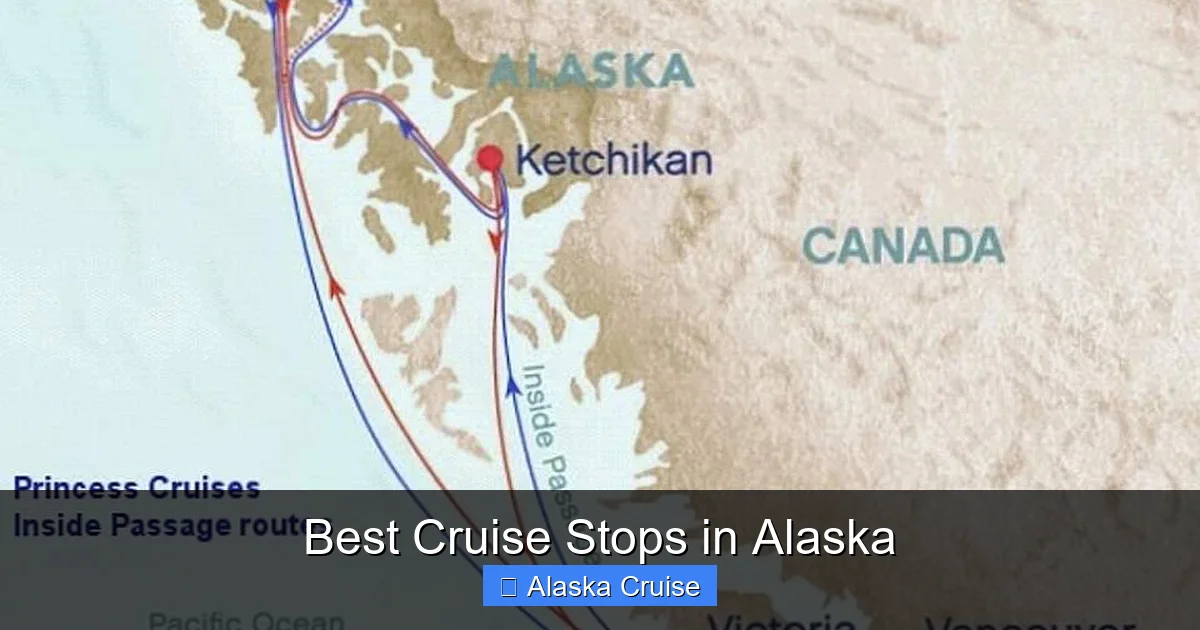
Visual guide about Best Cruise Stops in Alaska
Image source: uploads.alaska.org
Juneau, Alaska’s capital city, is a unique blend of urban charm and untamed wilderness. Unlike most state capitals, Juneau isn’t accessible by road—you can only reach it by boat or plane. This isolation has preserved its natural beauty and small-town feel, making it one of the most beloved cruise stops in Alaska.
Top Attractions in Juneau
One of the must-see sights is the Mendenhall Glacier, located just 12 miles from downtown. This 13-mile-long glacier is one of the few in Alaska that’s easily accessible by foot. The Mendenhall Glacier Visitor Center offers exhibits on glaciology and local history, while nearby trails lead to stunning viewpoints, including the popular Nugget Falls.
For a more adventurous experience, consider a guided glacier trek or ice climbing tour. Companies like Above & Beyond Alaska offer safe, small-group excursions onto the glacier’s surface, where you can walk among crevasses and blue ice caves (seasonal).
Whale Watching and Wildlife
Juneau is one of the best places in the world to see humpback whales. From May to September, these majestic creatures migrate to Alaskan waters to feed on krill and small fish. Whale-watching tours depart daily from the downtown marina, and sightings are almost guaranteed. Many tours also spot orcas, sea lions, and porpoises.
If you prefer to stay on land, visit the Alaska State Museum or the historic downtown district, where you can explore gold rush-era buildings, local art galleries, and cozy cafes. Don’t miss the Red Dog Saloon, a lively bar with live music and a fun, rustic vibe.
Getting Around Juneau
Most cruise ships dock near the city center, making it easy to explore on foot. For attractions farther out, like the glacier or whale-watching tours, book a shore excursion or use local shuttle services. Juneau is walkable, but be prepared for hills and variable weather—pack a rain jacket and sturdy shoes.
Juneau offers the perfect mix of culture, history, and nature. Whether you’re sipping coffee in a waterfront café or watching a whale breach just offshore, this port delivers an authentic Alaskan experience.
Ketchikan: The Salmon Capital of the World
Ketchikan, nestled on the shores of the Tongass National Forest, is known as the “Salmon Capital of the World” and the “Gateway to the Inside Passage.” This colorful, boardwalk-lined town is rich in Indigenous culture and natural beauty, making it a favorite among cruise passengers.
Celebrating Tlingit Heritage
Ketchikan is home to the largest collection of totem poles in the world, many of which are displayed at the Totem Heritage Center and Saxman Native Village. These intricately carved poles tell stories of clan lineage, legends, and spiritual beliefs. Guided tours provide insight into Tlingit traditions, including totem pole carving, weaving, and ceremonial dances.
For a deeper cultural experience, visit the Potlatch Totem Park or attend a traditional dance performance. Many cruise lines offer cultural excursions that include storytelling, craft demonstrations, and even a chance to try your hand at weaving or drum-making.
Outdoor Adventures
Ketchikan is a paradise for outdoor enthusiasts. The nearby Tongass National Forest—the largest national forest in the U.S.—offers endless hiking, fishing, and wildlife viewing opportunities. Popular trails include the Deer Mountain Trail, which leads to panoramic views of the town and surrounding islands, and the Rainforest Canopy Trail, a guided zip-line adventure through the treetops.
Fishing is a way of life here. Charter a boat for a half-day salmon or halibut fishing trip, or visit the Ketchikan Creek Fish Hatchery to learn about salmon life cycles and see fish leaping upstream during spawning season.
Don’t Miss the Creek Street Boardwalk
Creek Street is one of Ketchikan’s most iconic landmarks. Built over the water on stilts, this historic boardwalk once housed brothels during the town’s logging and fishing boom. Today, it’s lined with shops, galleries, and restaurants. Walk the length of the boardwalk, snap photos of the colorful buildings, and enjoy fresh seafood at one of the waterfront eateries.
Ketchikan’s charm lies in its blend of history, culture, and natural beauty. It’s a port where you can learn about Alaska’s Indigenous roots while enjoying some of the best seafood and outdoor adventures in the state.
Skagway: A Step Back into the Gold Rush Era
Skagway bursts with the spirit of the Klondike Gold Rush. In the late 1890s, this tiny town swelled to over 20,000 people as prospectors rushed north in search of fortune. Today, Skagway preserves that wild past with restored buildings, historic tours, and a lively, frontier-town atmosphere.
The White Pass & Yukon Route Railway
One of the most popular shore excursions in Skagway is the White Pass & Yukon Route Railway. This narrow-gauge railroad, built in 1898, climbs nearly 3,000 feet through steep mountain passes, offering breathtaking views of waterfalls, glaciers, and rugged peaks. The journey takes about 2.5 hours round-trip and includes a stop at the U.S.-Canada border.
The train ride is more than just scenic—it’s a piece of history. You’ll pass through tunnels carved by hand, cross towering trestle bridges, and hear stories of the men who built the railroad under brutal conditions. Many passengers say it’s the highlight of their Alaskan cruise.
Exploring Downtown Skagway
Downtown Skagway is a National Historic Landmark, with over 90 preserved buildings from the gold rush era. Stroll down Broadway Street and visit the Klondike Gold Rush National Historical Park Visitor Center, where exhibits and films bring the era to life.
Don’t miss the Moore Cabin, one of the oldest buildings in Skagway, or the Red Onion Saloon, a former brothel turned museum and bar. For a taste of local flavor, try the sourdough pancakes at the Skagway Fish Company or grab a craft beer at the Skagway Brewing Company.
Outdoor Activities
If you’re up for adventure, Skagway offers hiking, ziplining, and even dog sledding (in summer, on wheels). The Chilkoot Trail, famously used by gold seekers, is a challenging but rewarding hike that follows the route to the Yukon. For a gentler option, the Yakutat Glacier Trail offers stunning views with less effort.
Skagway is a town where history comes alive. Whether you’re riding the rails or sipping whiskey in a historic saloon, you’ll feel like you’ve stepped into a Western movie—only with better scenery.
Hubbard Glacier: The Great Wall of Ice
Hubbard Glacier is one of the most impressive natural features you’ll encounter on an Alaskan cruise. At over 70 miles long and up to a mile wide, it’s one of the largest tidewater glaciers in North America. Located in Disenchantment Bay near the Yukon border, it’s a highlight on northbound and southbound itineraries.
The Glacier’s Power and Beauty
What sets Hubbard Glacier apart is its sheer size and activity. Unlike slower-moving glaciers, Hubbard advances up to 12 meters per day, making it one of the fastest-growing glaciers in the world. This constant movement leads to frequent calving events—when massive chunks of ice break off and crash into the water.
Watching a calving event is unforgettable. The sound is like thunder, and the resulting waves can rock nearby ships. Icebergs of all shapes and sizes float in the bay, creating a surreal, ever-changing landscape.
Wildlife and Scenery
The waters around Hubbard Glacier are rich in marine life. Keep an eye out for seals, sea lions, and even the occasional beluga whale. Onshore, you might spot bears, moose, or mountain goats. The surrounding mountains, part of the Saint Elias Range, are among the tallest in North America.
Tips for Viewing Hubbard Glacier
– Arrive early in the morning for the best light and calmest seas.
– Bring a camera with a zoom lens—icebergs and calving events can happen at a distance.
– Stay warm—temperatures near the glacier can be significantly colder than in port.
Hubbard Glacier is a reminder of nature’s scale and power. It’s not just a photo op—it’s a moment of awe that stays with you long after the cruise ends.
Icy Strait Point: Adventure with a Local Touch
Icy Strait Point, located near the town of Hoonah, is a Native-owned destination that offers a unique blend of adventure and cultural authenticity. Unlike traditional cruise ports, this privately developed area is run by the Huna Totem Corporation, ensuring that tourism benefits the local Tlingit community.
Thrilling Adventures
One of the main draws is the world’s largest zip line, the Great Bear Zip Line. This 5,000-foot course soars over the Tongass National Forest, offering heart-pounding views and a chance to fly like a bald eagle. For a different kind of thrill, try the Great Bear Bounce, a giant swing that launches you over a canyon.
Bear Viewing and Wildlife
Icy Strait Point is one of the best places in Alaska to see brown bears in the wild. Guided tours take you to nearby salmon streams where bears gather to feed during the summer months. It’s a safe and respectful way to observe these powerful animals in their natural habitat.
Cultural Experiences
The port features a Tlingit village replica, complete with totem poles, a longhouse, and cultural performances. You can learn about traditional crafts, watch a dance demonstration, or even try your hand at drumming.
Icy Strait Point proves that tourism can be both exciting and sustainable. It’s a must-visit for travelers who want adventure with a purpose.
Seward & Whittier: Gateway to Kenai Fjords
While not always included in standard cruise itineraries, Seward and Whittier are popular pre- or post-cruise extensions. Both towns serve as gateways to Kenai Fjords National Park, where you can kayak among glaciers, take a boat tour to see marine wildlife, or hike to alpine lakes.
Kenai Fjords National Park
The park is home to the Harding Icefield, which feeds over 40 glaciers. Boat tours from Seward take you past towering ice walls, sea caves, and abundant wildlife, including sea otters, puffins, and orcas.
Getting There
Seward is accessible by car or train from Anchorage, while Whittier is reachable via the Anton Anderson Memorial Tunnel—the longest highway tunnel in North America. Many cruise lines offer transfer packages to connect your cruise with these ports.
These towns offer a deeper dive into Alaska’s wild side, perfect for extending your adventure beyond the cruise.
Conclusion: Choosing the Best Cruise Stops in Alaska
Alaska’s cruise ports are as diverse as they are stunning. From the icy grandeur of Glacier Bay to the gold rush charm of Skagway, each stop offers a unique window into the state’s natural beauty and cultural heritage. Whether you’re drawn to wildlife, history, or outdoor adventure, the best cruise stops in Alaska deliver unforgettable experiences.
When planning your trip, consider the time of year, your interests, and the length of your cruise. Most itineraries include a mix of scenic cruising, cultural ports, and wildlife hotspots. And don’t forget to pack layers—Alaska’s weather can change in an instant.
Ultimately, an Alaskan cruise isn’t just a vacation—it’s a journey into one of the last great wildernesses on Earth. So set sail, keep your eyes open, and let Alaska surprise you.
Frequently Asked Questions
What is the best time to cruise Alaska?
The best time to cruise Alaska is from late May to early September. During these months, the weather is milder, wildlife is active, and daylight lasts up to 18 hours. Peak season is July and August, but June and September offer fewer crowds and lower prices.
Do I need a passport for an Alaskan cruise?
If your cruise starts and ends in the same U.S. port (like Seattle or Vancouver), you typically don’t need a passport. However, if your itinerary includes foreign ports (like Victoria, BC), a passport is required. Always check your cruise line’s requirements.
Can I see glaciers from the ship?
Yes! Many glaciers, including Glacier Bay and Hubbard Glacier, are viewed from the ship. These areas are protected and only accessible by water, making the cruise experience the best way to see them up close.
What should I pack for an Alaskan cruise?
Pack layers, including a waterproof jacket, warm fleece, gloves, and a hat. Even in summer, temperatures can be cool, especially on deck. Don’t forget binoculars, sunscreen, and comfortable walking shoes.
Are there bears in the cruise ports?
Bears are common in Alaska’s wilderness areas, but they’re rarely seen in the towns themselves. However, bear viewing tours are available in ports like Juneau and Icy Strait Point, where you can safely observe them in their natural habitat.
How long should my Alaskan cruise be?
Most Alaskan cruises last 7 to 10 days, which allows time to visit multiple ports and enjoy scenic cruising. Longer itineraries may include additional stops or pre/post-cruise extensions to places like Denali or Anchorage.