Alaska is a top destination for cruise travelers, offering breathtaking scenery, rich wildlife, and unique cultural experiences. This guide highlights the best cruise stops in Alaska, including must-see ports like Juneau, Skagway, and Ketchikan, plus hidden gems and insider tips to make your journey unforgettable.
Key Takeaways
- Juneau offers glacier views and whale watching: As the state capital, Juneau provides access to Mendenhall Glacier and world-class marine wildlife tours.
- Skagway brings the Gold Rush to life: This historic town is a living museum with preserved buildings, steam train rides, and gold panning adventures.
- Ketchikan celebrates Native Alaskan culture: Known as the “Salmon Capital of the World,” Ketchikan features totem parks, cultural centers, and lush rainforest hikes.
- Glacier Bay National Park is a natural wonder: A UNESCO World Heritage Site, it’s home to massive glaciers, calving ice, and diverse marine life.
- Hubbard Glacier offers dramatic ice views: One of the most active glaciers in Alaska, it’s a highlight for many cruise itineraries.
- Whittier and Seward provide gateway access to national parks: These ports connect cruisers to Kenai Fjords and Prince William Sound.
- Plan excursions in advance for the best experience: Popular tours fill quickly, so book early to secure your spot.
📑 Table of Contents
Why Alaska Is the Ultimate Cruise Destination
Alaska isn’t just a cruise destination—it’s a once-in-a-lifetime adventure. From towering glaciers to rugged coastlines, this northern frontier offers some of the most dramatic and unspoiled natural beauty on Earth. Whether you’re a nature lover, history buff, or simply seeking a peaceful escape, Alaska delivers an experience that’s both awe-inspiring and deeply relaxing.
Cruising through Alaska’s Inside Passage is like stepping into a living postcard. The journey winds through narrow channels flanked by snow-capped mountains, dense forests, and cascading waterfalls. Wildlife abounds—bald eagles soar overhead, sea otters float on their backs, and humpback whales breach in the distance. Each port stop offers something unique, blending outdoor adventure with cultural discovery.
What sets Alaska apart from other cruise destinations is its raw, untamed beauty. Unlike tropical islands with palm trees and sandy beaches, Alaska’s charm lies in its wildness. You won’t find crowded resorts or bustling nightlife here. Instead, you’ll find quiet towns, indigenous heritage, and landscapes that feel almost prehistoric. It’s a place where nature takes center stage, and every moment feels like a gift.
Top Cruise Stops in Alaska: An Overview
Visual guide about Best Cruise Stops Alaska
Image source: hillmanwonders.com
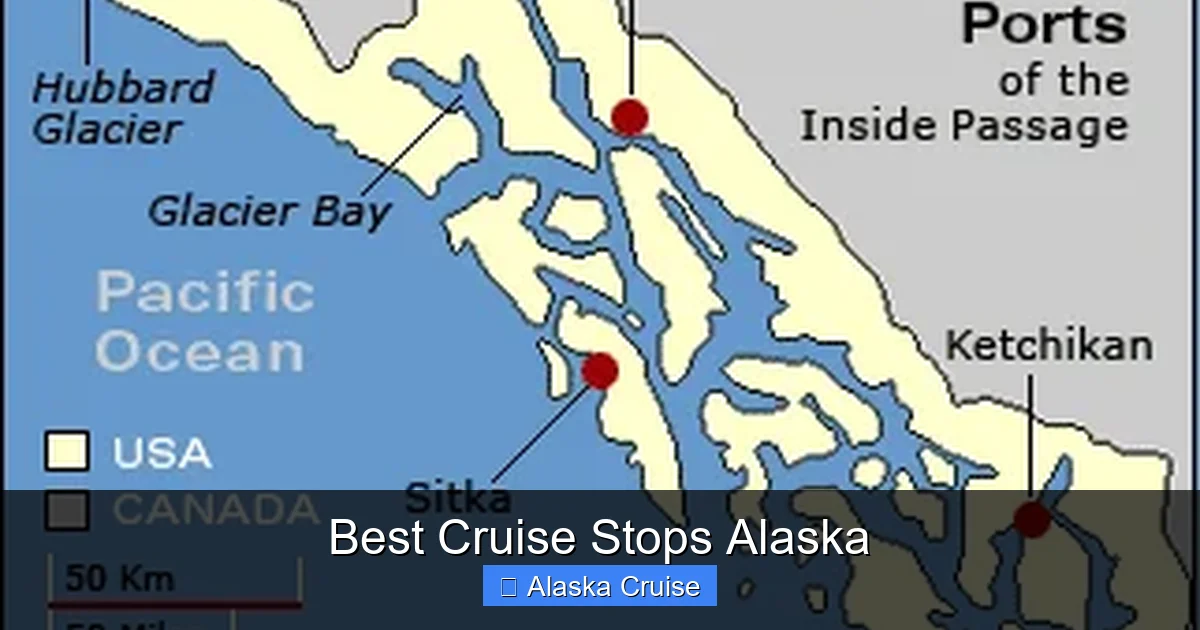
When planning an Alaskan cruise, knowing which ports to prioritize can make all the difference. Most itineraries include a mix of major hubs and scenic highlights, but not all stops are created equal. Some offer easy access to glaciers and wildlife, while others dive deep into history and culture. Let’s explore the best cruise stops in Alaska and what makes each one special.
The most popular ports include Juneau, Skagway, Ketchikan, and the scenic wonders of Glacier Bay and Hubbard Glacier. These destinations are staples on major cruise lines like Holland America, Princess, and Royal Caribbean. Smaller ports like Whittier and Seward are often used as embarkation points but also offer incredible excursions into nearby national parks.
Each stop serves a different purpose. Juneau is perfect for glacier hikes and whale watching. Skagway is a step back in time to the Gold Rush era. Ketchikan immerses you in Native Alaskan traditions. And Glacier Bay? That’s pure, unadulterated nature at its finest. Whether you’re looking for adventure, education, or just a chance to breathe in the crisp mountain air, these stops deliver.
Juneau: The Heart of Alaskan Adventure
Juneau, the capital of Alaska, is one of the most visited cruise stops in the state—and for good reason. Nestled between the Gastineau Channel and towering mountains, this city offers a perfect blend of urban charm and wild beauty. Unlike most state capitals, Juneau isn’t accessible by road, making the cruise port the main gateway for visitors.
One of the top attractions in Juneau is the Mendenhall Glacier. Just 12 miles from downtown, this 13-mile-long glacier is one of the few in Alaska that’s easily accessible. Visitors can walk along well-maintained trails, cross a suspension bridge over Nugget Falls, and even take a guided glacier trek. The Visitor Center provides educational exhibits about glacial movement and climate change, making it a great stop for families and curious minds.
Whale watching is another Juneau highlight. The waters around the city are prime feeding grounds for humpback whales, especially from May to September. Many cruise lines offer whale-watching excursions that include a boat ride into the open sea, where you can see these majestic creatures up close. Some tours even feature hydrophones so you can hear the whales’ haunting songs.
For a taste of local culture, visit the Alaska State Museum or take a stroll through the historic downtown area. Don’t miss the chance to try fresh Alaskan seafood—Juneau is famous for its king crab, salmon, and halibut. Many restaurants source their ingredients directly from local fishermen, ensuring a truly authentic experience.
Skagway: A Step Back into the Gold Rush Era
If you’ve ever dreamed of the Wild West, Skagway will feel like a dream come true. This small town, with a population of just over 1,000, was once the bustling gateway to the Klondike Gold Rush. Today, it’s a beautifully preserved historic site that transports visitors back to the late 1800s.
Walking through Skagway’s Main Street is like stepping onto a movie set. Wooden boardwalks, false-front buildings, and old saloons line the streets. The Red Onion Saloon, once a brothel, now serves as a museum and bar where you can sip a drink while learning about the town’s rowdy past. The Gold Rush Cemetery and the Moore House Museum offer deeper insights into the lives of prospectors and settlers.
One of the most popular activities in Skagway is the White Pass and Yukon Route Railway. This narrow-gauge steam train climbs 2,865 feet in just 20 miles, offering breathtaking views of waterfalls, gorges, and snow-covered peaks. The journey takes about an hour each way and ends at the historic town of Bennett, where you can explore the restored train depot and enjoy panoramic views of the surrounding wilderness.
For the more adventurous, Skagway offers hiking, gold panning, and even dog sledding tours (in summer, using wheeled sleds). The Chilkoot Trail, famously used by gold seekers, is a challenging but rewarding hike that follows the path of the original stampeders. Guided tours are available for those who want to learn about the trail’s history while enjoying the stunning scenery.
Ketchikan: The Salmon Capital and Cultural Hub
Ketchikan, known as the “Salmon Capital of the World,” is a vibrant port that celebrates both nature and Native Alaskan heritage. Located on the shores of the Tongass National Forest—the largest national forest in the U.S.—Ketchikan is surrounded by lush rainforest, pristine rivers, and abundant wildlife.
One of the main draws in Ketchikan is its rich indigenous culture. The town is home to the Totem Heritage Center, which houses one of the largest collections of original 19th-century totem poles in the world. These intricately carved wooden poles tell stories of clan lineage, legends, and spiritual beliefs. Nearby, the Saxman Native Village offers cultural performances, traditional dance shows, and guided tours of a reconstructed Tlingit village.
For nature lovers, Ketchikan is a paradise. The Tongass Rainforest is a temperate rainforest teeming with life. Guided nature walks take you through moss-covered trees, past rushing streams, and alongside towering Sitka spruce. Wildlife sightings are common—black bears, bald eagles, and Sitka deer are frequently spotted.
Fishing is a major part of Ketchikan’s identity. Visitors can join a charter boat for a salmon fishing expedition, where you might reel in king, coho, or sockeye salmon. Many tours include a chance to clean and cook your catch on board, offering a true taste of Alaskan seafood.
Scenic Wonders: Glacier Bay and Hubbard Glacier
While not traditional ports, Glacier Bay National Park and Hubbard Glacier are two of the most unforgettable cruise stops in Alaska. These natural wonders are often included in cruise itineraries as scenic cruising days, where ships slow down to allow passengers to marvel at the ice and wildlife.
Glacier Bay National Park: A UNESCO World Heritage Site
Glacier Bay is one of the most protected and pristine areas in Alaska. Designated a UNESCO World Heritage Site, this 3.3-million-acre park is home to over a dozen active glaciers, many of which are accessible only by boat or plane. The park is a living laboratory for scientists studying climate change, as the glaciers here have been retreating rapidly over the past century.
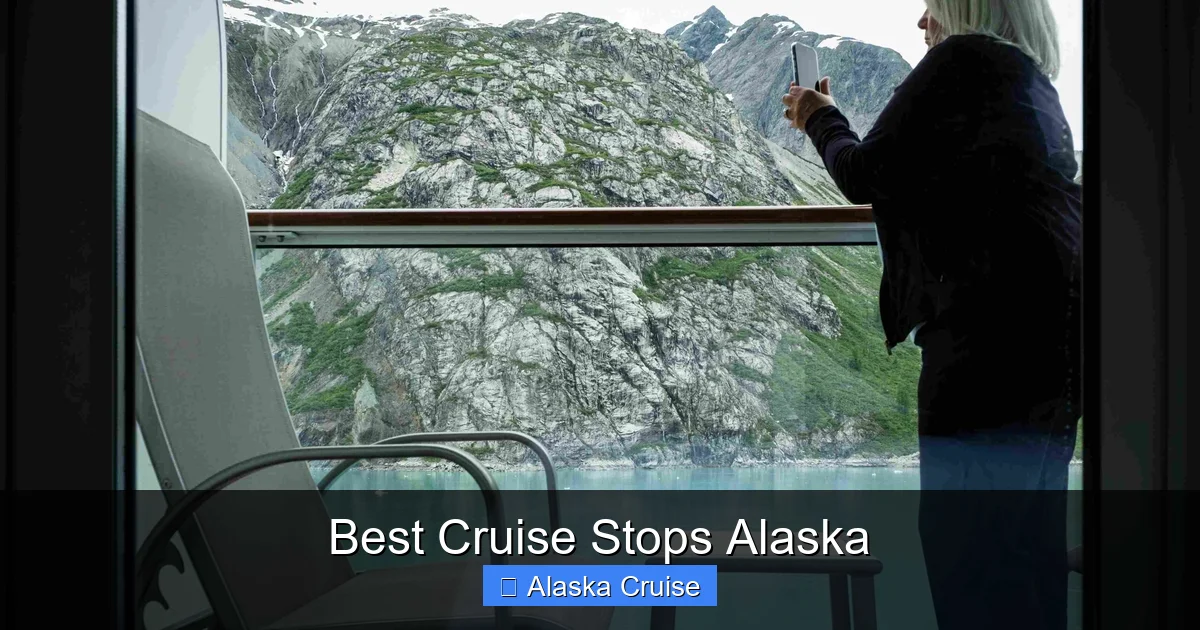
Cruise ships enter Glacier Bay early in the morning, often accompanied by a National Park Service ranger who boards the ship to provide commentary and answer questions. As the ship navigates the bay, passengers are treated to views of towering ice walls, calving glaciers, and icebergs floating in the turquoise water.
One of the most dramatic sights is the Margerie Glacier, a 21-mile-long glacier that frequently calves, sending massive chunks of ice crashing into the sea. The sound is thunderous, and the sight is unforgettable. Wildlife is also abundant—harbor seals rest on ice floes, sea lions bark on rocky outcrops, and humpback whales feed in the nutrient-rich waters.
Visitors can enhance their experience by attending ranger-led programs on board, which cover topics like glacial geology, marine biology, and indigenous history. Some ships also offer kayaking or small boat excursions for a closer look at the ice and wildlife.
Hubbard Glacier: The Largest Tidewater Glacier in North America
Hubbard Glacier is a true titan of the ice world. At over 7 miles wide and 700 feet tall, it’s one of the most active and impressive glaciers in Alaska. Located at the entrance to Yakutat Bay, it’s a highlight for many cruise ships traveling along the Gulf of Alaska.
What makes Hubbard Glacier special is its dynamic nature. Unlike many glaciers that are slowly retreating, Hubbard has been advancing for over a century. In fact, it occasionally blocks the entrance to Russell Fjord, creating a temporary lake that eventually bursts through in a dramatic flood. This phenomenon, known as a “jökulhlaup,” is rare and awe-inspiring.
Cruise ships typically approach Hubbard Glacier slowly, allowing passengers to take in the sheer scale of the ice. The glacier’s face is a stunning blue, a result of compressed ice that absorbs all colors of light except blue. As the ship gets closer, you’ll hear the constant cracking and groaning of the ice—a reminder of its immense power.
Wildlife is also a big draw here. Sea otters, harbor seals, and Steller sea lions are often seen lounging on icebergs. Birds like murres and puffins dive into the water in search of fish. On clear days, you might even spot mountain goats on the surrounding cliffs.
Gateway Ports: Whittier and Seward
While not always included in every cruise itinerary, Whittier and Seward are important gateway ports that offer access to some of Alaska’s most spectacular natural attractions. These towns are often used as embarkation or disembarkation points, but they’re worth exploring in their own right.
Whittier: The Hidden Gem of Prince William Sound
Whittier is a small, quirky town located at the head of the Whittier Glacier. It’s best known for the Anton Anderson Memorial Tunnel, a dual-use tunnel that carries both vehicles and the Alaska Railroad. This unique setup makes Whittier one of the most unusual ports in the state.
Despite its small size, Whittier is a gateway to Prince William Sound, one of the most beautiful and ecologically rich areas in Alaska. The sound is home to glaciers, fjords, and an abundance of marine life. Many cruise lines offer excursions from Whittier that include boat tours, kayaking, and wildlife watching.
One popular tour is a day trip to Blackstone Glacier, where you can see calving ice and explore icebergs up close. Another option is a wildlife cruise that takes you through the sound in search of sea otters, sea lions, and whales. On clear days, you might even see the distant peaks of the Chugach Mountains.
Seward: The Gateway to Kenai Fjords National Park
Seward, located on the Kenai Peninsula, is a bustling port town with a strong maritime heritage. It’s the primary gateway to Kenai Fjords National Park, a 669,000-acre park known for its dramatic fjords, towering cliffs, and active glaciers.
One of the top activities in Seward is a boat tour of Kenai Fjords. These excursions take you deep into the park, where you can see glaciers like Holgate and Bear Glacier up close. Many tours also include stops at sea lion rookeries, puffin colonies, and whale feeding grounds.
For a more active experience, consider a kayaking tour. Paddling through the calm waters of Resurrection Bay, you’ll have a front-row seat to glaciers, waterfalls, and wildlife. Some tours even offer the chance to camp on a remote island for a true wilderness adventure.
Back in town, Seward has a charming downtown area with shops, restaurants, and museums. The Alaska SeaLife Center is a must-visit, offering interactive exhibits on marine life and conservation efforts. It’s also a great place to learn about the 1964 earthquake, which devastated the town and reshaped the coastline.
Tips for Making the Most of Your Alaska Cruise Stops
To truly enjoy your Alaskan cruise, a little planning goes a long way. Here are some practical tips to help you make the most of each stop.
Book Excursions Early
Popular tours—especially whale watching, glacier hikes, and train rides—fill up quickly. Most cruise lines allow you to book excursions online before your trip, so take advantage of this. Not only does it guarantee your spot, but it also helps you budget in advance.
Dress in Layers
Alaska’s weather can change in an instant. Even in summer, temperatures can range from 40°F to 70°F, and rain is always a possibility. Dress in layers, including a waterproof jacket, warm base layers, and sturdy footwear. Don’t forget sunglasses, sunscreen, and a hat—glare off the water and ice can be intense.
Bring Binoculars and a Camera
Wildlife and scenic views are best enjoyed up close. Binoculars will help you spot whales, eagles, and mountain goats from a distance. A good camera with a zoom lens is essential for capturing glaciers, wildlife, and the stunning landscapes.
Respect Local Culture and Environment
Many cruise stops are located in or near indigenous communities. Be respectful of local customs, especially when visiting cultural sites or attending performances. Also, practice Leave No Trace principles—pack out what you pack in, and avoid disturbing wildlife.
Try Local Food
Alaska is famous for its seafood. Don’t leave without trying fresh salmon, halibut, or king crab. Many ports have local restaurants that serve dishes made with ingredients sourced directly from nearby waters. It’s a delicious way to experience the region’s bounty.
Conclusion: Why These Cruise Stops in Alaska Are Unmissable
Alaska’s cruise stops offer something for everyone—whether you’re drawn to towering glaciers, rich history, or vibrant wildlife. From the cultural richness of Ketchikan to the Gold Rush charm of Skagway, each port tells a unique story. And with natural wonders like Glacier Bay and Hubbard Glacier, the scenery alone is worth the trip.
What makes these stops truly special is their authenticity. Unlike commercialized tourist destinations, Alaska’s ports feel genuine and unspoiled. You’ll meet local fishermen, learn from Native elders, and witness nature in its purest form. It’s an experience that stays with you long after the cruise ends.
So if you’re planning your next adventure, consider Alaska. With its breathtaking landscapes, fascinating history, and endless opportunities for exploration, it’s no wonder it’s one of the best cruise destinations in the world. Pack your bags, bring your sense of wonder, and get ready for the journey of a lifetime.
Frequently Asked Questions
What are the best months to cruise Alaska?
The best time to cruise Alaska is from May to September. During these months, the weather is milder, wildlife is active, and daylight hours are long. July and August are the peak season, offering the warmest temperatures and most tour availability.
Do I need a passport for an Alaska cruise?
If your cruise starts and ends in the same U.S. port (like Seattle or Vancouver), a passport is not required for U.S. citizens. However, it’s highly recommended in case of emergencies or unexpected itinerary changes. International travelers will need a valid passport and possibly a visa.
Can I see whales on an Alaska cruise?
Yes! Whale watching is one of the top activities in Alaska. Humpback whales, orcas, and gray whales are commonly seen, especially around Juneau, Icy Strait Point, and Glacier Bay. Most cruise lines offer guided whale-watching excursions for the best chances of sightings.
Are there shopping opportunities at Alaska cruise stops?
Yes, each port offers unique shopping experiences. Ketchikan is known for Native art and totem pole carvings, Skagway has Gold Rush-era souvenirs, and Juneau features local crafts and Alaskan-made goods. Look for items made by local artists for authentic keepsakes.
How long are typical Alaska cruise itineraries?
Most Alaska cruises last between 7 and 10 days. Shorter trips often focus on the Inside Passage, while longer itineraries may include Gulf of Alaska routes with stops at Hubbard Glacier and Seward. Some luxury lines offer 14-day voyages with extended exploration.
Is it safe to hike near glaciers in Alaska?
Hiking near glaciers can be safe with proper guidance and equipment. Always go with a certified guide, wear appropriate footwear, and stay on marked trails. Avoid walking on the ice unless part of a guided glacier trek, as crevasses and unstable terrain can be dangerous.