Choosing the best cruise route to Alaska depends on your travel style, budget, and must-see destinations. Whether you prefer a roundtrip from Seattle, a one-way journey from Vancouver, or an immersive 14-day expedition, Alaska offers breathtaking scenery and wildlife at every turn.
Dreaming of towering glaciers, breaching whales, and misty fjords? A cruise to Alaska might just be the adventure of a lifetime. With its rugged coastline, abundant wildlife, and awe-inspiring natural wonders, Alaska is one of the most sought-after cruise destinations in the world. But with so many options—different routes, ports, cruise lines, and durations—how do you choose the best cruise route to Alaska?
The answer isn’t one-size-fits-all. The ideal itinerary depends on your interests, travel preferences, and how much time you have. Some travelers want a quick 7-day escape filled with scenic beauty and port adventures. Others crave a longer, more immersive journey that takes them deep into the heart of the Alaskan wilderness. Whether you’re a nature lover, history buff, or simply in need of a relaxing getaway, there’s a perfect Alaska cruise route waiting for you.
In this guide, we’ll break down the top cruise routes to Alaska, compare popular itineraries, and share insider tips to help you plan the ultimate voyage. From the classic Inside Passage to the dramatic Gulf of Alaska, we’ll cover everything you need to know to make an informed decision. So grab your binoculars, pack your sense of adventure, and let’s dive into the best ways to experience Alaska by sea.
Key Takeaways
- Roundtrip cruises from Seattle or Vancouver offer convenience and shorter travel times, ideal for first-time cruisers.
- One-way cruises (open-jaw itineraries) allow deeper exploration, often starting in Vancouver and ending in Seward or Whittier.
- <Inside Passage routes focus on coastal towns like Ketchikan, Juneau, and Skagway, with frequent wildlife sightings.
- Gulf of Alaska itineraries venture further north to glacier-rich areas like Hubbard Glacier and Glacier Bay National Park.
- Expedition-style cruises on smaller ships provide up-close experiences with glaciers, wildlife, and remote communities.
- Best time to cruise Alaska is from late May to early September, with peak season in July offering the warmest weather and longest days.
- Pack layers and waterproof gear—Alaska’s weather can change quickly, even in summer.
📑 Table of Contents
Understanding Alaska Cruise Routes
Before you book your ticket, it’s important to understand the main types of Alaska cruise routes. These aren’t just about where you start and end—they shape the entire experience, from the scenery you’ll see to the wildlife you might encounter.
The two primary route categories are the Inside Passage and the Gulf of Alaska. Each offers a unique perspective on Alaska’s natural beauty and cultural heritage.
Inside Passage Cruises
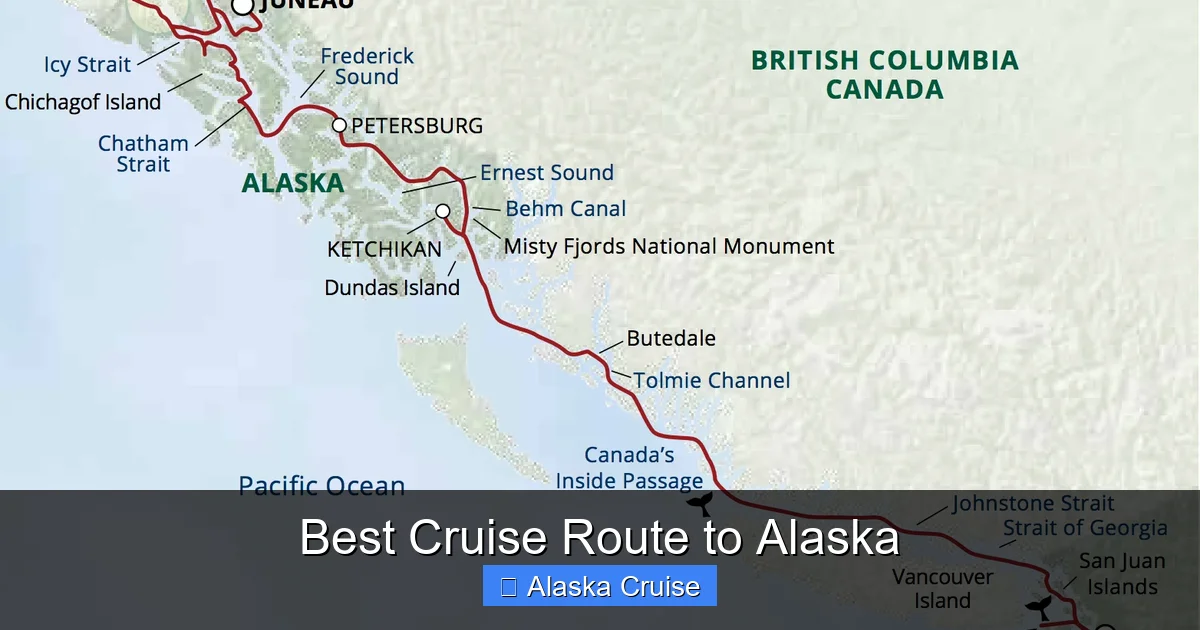
The Inside Passage is the most popular route for Alaska cruises, especially for first-time visitors. This coastal journey winds through a maze of islands, inlets, and narrow channels along the Pacific coast, offering calm waters and stunning views of forested mountains, cascading waterfalls, and charming seaside towns.
Most Inside Passage cruises run from late May to early September and typically last 7 days. They often depart from Seattle or Vancouver and make stops at iconic ports like Ketchikan, Juneau, and Skagway. These towns are rich in history, from Native Alaskan culture to the Gold Rush era, and offer a mix of outdoor adventures and cultural experiences.
One of the biggest advantages of the Inside Passage is its accessibility. The waters are sheltered, making for smooth sailing—ideal for travelers prone to seasickness. Plus, the route is packed with wildlife viewing opportunities. You might spot bald eagles soaring overhead, sea lions lounging on rocky outcrops, or even humpback whales feeding in the nutrient-rich waters.
Gulf of Alaska Cruises
If you’re looking for a more dramatic and remote experience, the Gulf of Alaska route is the way to go. These cruises venture further north, often crossing the open waters of the Gulf to reach ports like Seward, Whittier, and Hubbard Glacier. This route is typically offered as a one-way “open-jaw” itinerary, meaning you fly into one city and cruise to another, then fly home from a different port.
Gulf of Alaska cruises are longer—usually 10 to 14 days—and offer a deeper dive into Alaska’s wild landscapes. You’ll spend more time at sea, but the payoff is incredible: massive tidewater glaciers, towering icebergs, and vast stretches of untouched wilderness. Hubbard Glacier, one of the most active glaciers in North America, is a highlight on many of these routes.
Because these cruises cover more ground, they’re perfect for travelers who want to see both the coastal charm of the Inside Passage and the raw power of Alaska’s glacial regions. However, they do require more planning, especially with flights and luggage transfers between ports.
Top Cruise Itineraries to Alaska
Now that you understand the main route types, let’s look at some of the best cruise itineraries available. These are based on popularity, scenery, and overall traveler satisfaction.
7-Day Roundtrip from Seattle
One of the most convenient options is a 7-day roundtrip cruise from Seattle. These itineraries are perfect for travelers who want a hassle-free vacation without the need for extra flights. You simply fly into Seattle, board the ship, and return home a week later—no extra logistics required.
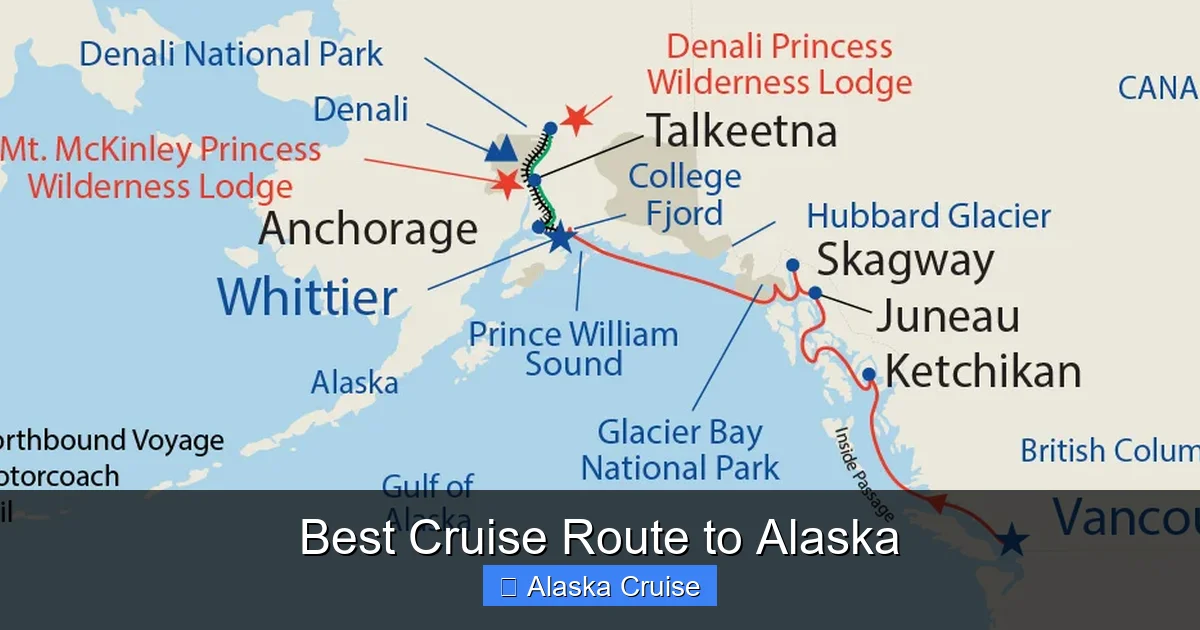
Visual guide about Best Cruise Route to Alaska
Image source: content.vsn-data.com
Popular ports on this route include Ketchikan, Juneau, and Skagway, with a scenic cruising day through Glacier Bay National Park or Tracy Arm Fjord. Many cruise lines, including Norwegian Cruise Line and Holland America, offer this itinerary, often with themed events, live entertainment, and shore excursions like dog sledding or whale watching.
The biggest perk? You get to experience the best of Alaska’s coastal towns and natural wonders without leaving the comfort of your ship. Plus, departing from Seattle means you can easily extend your trip with a few days in the city before or after your cruise.
7-Day Roundtrip from Vancouver
Similar to the Seattle option, a roundtrip cruise from Vancouver offers a slightly different flavor. Vancouver is a vibrant, multicultural city with stunning mountain and ocean views, making it a great starting point for your Alaskan adventure.
The itinerary typically includes stops in Ketchikan, Juneau, and Skagway, with a full day of scenic cruising. Because Vancouver is a major cruise hub, you’ll find a wide range of ships and cruise lines to choose from, including Princess Cruises and Celebrity Cruises.
One advantage of departing from Vancouver is the scenic sailaway through the Strait of Georgia and the Inside Passage. You’ll pass by lush islands and snow-capped peaks even before you reach Alaska, setting the tone for the breathtaking views to come.
10- to 14-Day One-Way Cruises (Open-Jaw)
For travelers who want a more immersive experience, a one-way cruise is hard to beat. These “open-jaw” itineraries start in Vancouver and end in Seward or Whittier (near Anchorage), or vice versa. You fly into one city, cruise for 10 to 14 days, and fly home from the other.
This route allows you to see more of Alaska, including the Gulf of Alaska and remote areas like Icy Strait Point and Glacier Bay. You’ll spend more time at sea, but the scenery is unparalleled. Imagine waking up to the sight of Hubbard Glacier calving icebergs into the ocean, or spotting brown bears fishing for salmon in Katmai National Park.
Open-jaw cruises are ideal for nature lovers and photographers who want to maximize their time in Alaska’s wildest regions. They’re also great for combining a cruise with a land tour—many travelers extend their trip with a visit to Denali National Park or a scenic train ride on the Alaska Railroad.
Expedition Cruises on Small Ships
If you’re looking for a more intimate and adventurous experience, consider an expedition cruise on a small ship. These voyages, often operated by companies like UnCruise Adventures or Lindblad Expeditions, carry fewer than 200 passengers and focus on exploration rather than luxury amenities.
Expedition cruises often visit remote areas not accessible to larger ships, such as the fjords of Tracy Arm, the wildlife-rich waters of Frederick Sound, or the remote communities of Haida Gwaii. Naturalists and marine biologists are usually on board to provide educational commentary and lead guided excursions.
These cruises are perfect for travelers who want to get up close to glaciers, kayak among icebergs, or take Zodiac tours to see puffins, sea otters, and orcas. While the accommodations are more modest, the experiences are unforgettable.
Best Time to Cruise Alaska
Timing is everything when it comes to an Alaska cruise. The cruising season runs from mid-May to early September, but each month offers a different experience.
May and Early June: The Quiet Season
Cruising in May or early June means fewer crowds and lower prices. The weather is cooler, but the landscapes are lush and green, and wildlife is active after the long winter. You might see newborn animals like bear cubs or seal pups, and the days are getting longer—perfect for sightseeing.
One downside is that some shore excursions may not be fully operational yet, and glacier calving is less frequent. But if you’re looking for a peaceful, budget-friendly trip, this is a great time to go.
July and August: Peak Season
July and August are the most popular months for Alaska cruises. The weather is warmest—often in the 60s and 70s Fahrenheit—and the days are long, with up to 18 hours of daylight in some areas. This is the best time for outdoor activities like hiking, kayaking, and wildlife viewing.
Glaciers are most active during these months, with frequent calving events that create dramatic splashes and thunderous sounds. However, this is also the busiest time, so expect larger crowds at ports and higher prices for flights and excursions.
September: The Shoulder Season
September offers a quieter, more reflective experience. The summer crowds have thinned, and the fall colors begin to appear in the forests. Wildlife is still active, and you might see salmon runs or migrating birds.
The weather can be unpredictable—cooler temperatures and more rain are possible—but the scenery is stunning, and many travelers find September to be the perfect balance of good weather and fewer tourists.
What to Expect on an Alaska Cruise
An Alaska cruise is unlike any other vacation. It’s a blend of relaxation, adventure, and natural wonder. Here’s what you can expect during your journey.
Onboard Experience
Modern cruise ships offer a wide range of amenities, from fine dining and live entertainment to spas and fitness centers. But on an Alaska cruise, the real star is the scenery. Most ships have large observation decks, panoramic lounges, and even glass-enclosed promenades so you can enjoy the views in comfort.
Many cruise lines offer enrichment programs, including lectures by naturalists, cultural presentations, and cooking demonstrations featuring local Alaskan ingredients like salmon and halibut. Some ships even have onboard aquariums or marine life exhibits.
Shore Excursions
Shore excursions are a big part of the Alaska cruise experience. These range from gentle walks and museum tours to adrenaline-pumping adventures like helicopter rides, dog sledding, and glacier trekking.
Popular excursions include whale watching in Juneau, riding the White Pass & Yukon Route railway in Skagway, and visiting the Mendenhall Glacier in Juneau. Be sure to book popular tours in advance, as they can sell out quickly—especially during peak season.
Wildlife and Scenery
One of the biggest draws of an Alaska cruise is the chance to see wildlife in its natural habitat. Keep your camera ready for bald eagles, sea lions, otters, and—if you’re lucky—humpback whales, orcas, or even brown bears.
The scenery is equally impressive. You’ll sail past towering glaciers, snow-capped mountains, and dense temperate rainforests. On scenic cruising days, the ship slows down so you can fully appreciate the views. Don’t miss the chance to stand on deck with a warm drink and watch the world go by.
Tips for Choosing the Best Cruise Route to Alaska
With so many options, how do you pick the right cruise? Here are some practical tips to help you decide.
Consider Your Travel Style
Are you looking for luxury and relaxation, or adventure and exploration? If you prefer comfort and convenience, a roundtrip cruise from Seattle or Vancouver might be best. If you’re an avid hiker or photographer, a longer open-jaw or expedition cruise could be more rewarding.
Think About Time and Budget
7-day cruises are more affordable and easier to fit into a busy schedule. Longer cruises offer more value per day but require more time and money. Also, consider the cost of flights—open-jaw itineraries may require two separate plane tickets.
Check the Itinerary Details
Not all 7-day cruises are the same. Some spend more time in port, while others focus on scenic cruising. Look for itineraries that include Glacier Bay National Park, a UNESCO World Heritage Site, or Hubbard Glacier, one of the most impressive ice formations in the world.
Read Reviews and Compare Cruise Lines
Different cruise lines offer different experiences. Norwegian Cruise Line is known for its freestyle dining and entertainment, while Holland America emphasizes enrichment and tradition. Read recent reviews from past passengers to get a sense of what to expect.
Pack Smart
Alaska’s weather can be unpredictable, even in summer. Pack layers, including a waterproof jacket, warm sweaters, and sturdy walking shoes. Don’t forget binoculars, sunscreen, and a good camera with extra batteries.
Conclusion
Choosing the best cruise route to Alaska is all about matching your travel goals with the right itinerary. Whether you’re drawn to the charming towns of the Inside Passage, the dramatic glaciers of the Gulf of Alaska, or the remote wilderness of an expedition cruise, Alaska offers something for every type of traveler.
From the convenience of a roundtrip cruise to the adventure of a one-way journey, each route provides a unique window into one of the world’s most beautiful destinations. With careful planning, the right timing, and a spirit of adventure, your Alaska cruise can be the trip of a lifetime.
So start dreaming, start planning, and get ready to sail into the wild beauty of the Last Frontier.
Frequently Asked Questions
What is the best month to take an Alaska cruise?
The best time to cruise Alaska is from late June to early August, when the weather is warmest, wildlife is most active, and glaciers are calving frequently. However, September offers fewer crowds and beautiful fall colors.
Can you see glaciers on an Alaska cruise?
Yes, most Alaska cruises include scenic cruising near glaciers, such as Glacier Bay, Hubbard Glacier, or Tracy Arm Fjord. Some itineraries even allow ships to get close enough to hear the ice crack and calve.
Do I need a passport for an Alaska cruise?
If your cruise departs and returns to the same U.S. port (like Seattle), a passport is not required—though it’s highly recommended. For open-jaw cruises that start or end in Canada, a passport is mandatory.
What should I pack for an Alaska cruise?
Pack layers, including a waterproof jacket, warm clothing, comfortable walking shoes, binoculars, sunscreen, and a camera. Even in summer, temperatures can vary widely, and rain is common.
Are Alaska cruises family-friendly?
Yes, many cruise lines offer family-friendly activities, kids’ clubs, and educational programs. Shore excursions like whale watching and train rides are also great for children.
How far in advance should I book an Alaska cruise?
It’s best to book 6 to 12 months in advance, especially for peak season (July and August) or popular itineraries. Early booking often secures better cabin choices and lower prices.