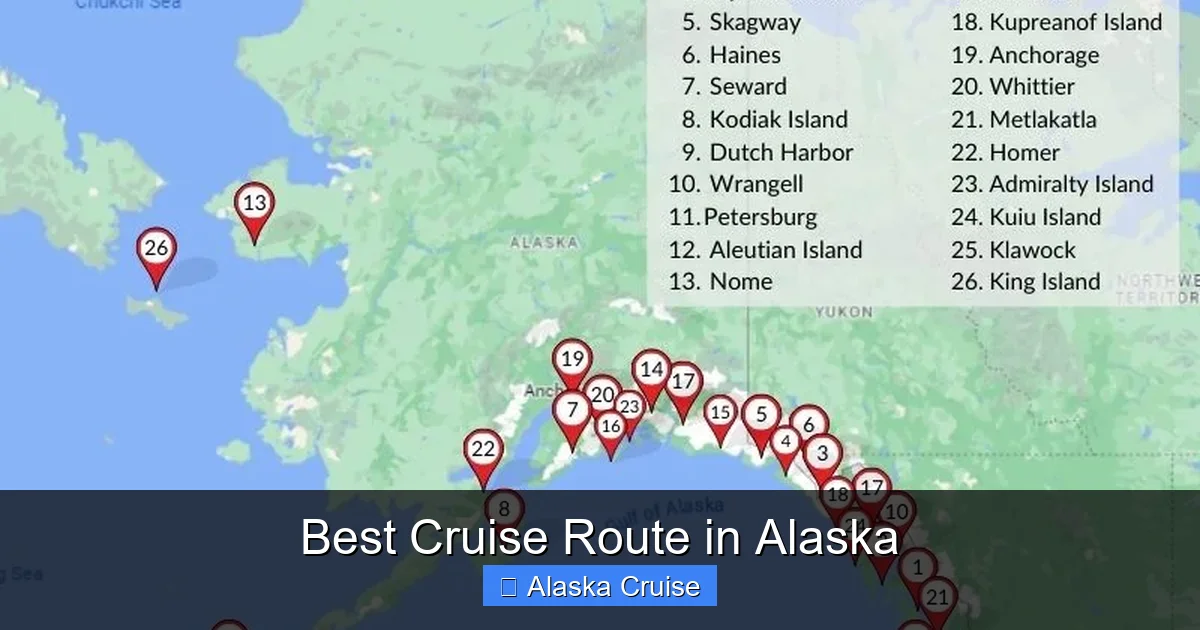
The best cruise route in Alaska combines breathtaking scenery, abundant wildlife, and charming ports like Juneau, Ketchikan, and Skagway. Whether you choose a roundtrip from Seattle or a one-way voyage from Vancouver to Seward, this journey offers unforgettable experiences along the Inside Passage and Gulf of Alaska.
Dreaming of towering glaciers, misty fjords, and breaching humpback whales? Then you’re ready for the best cruise route in Alaska. This iconic journey through North America’s last frontier blends natural wonder with rich history and cultural charm. Whether you’re a first-time cruiser or a seasoned traveler, Alaska offers a cruise experience unlike any other—where every turn of the coastline reveals something magical.
Alaska’s cruise routes are as diverse as its landscapes. From the lush, rainforest-lined Inside Passage to the dramatic ice fields of the Gulf of Alaska, each itinerary offers a unique slice of this wild and beautiful state. The best cruise route in Alaska isn’t just about the destinations—it’s about the journey itself. Imagine sipping coffee on your balcony as your ship glides past snow-capped peaks, or spotting a brown bear fishing for salmon along a riverbank. These moments define an Alaskan cruise and make it a bucket-list adventure for travelers worldwide.
So, what makes a route the “best”? It’s a mix of scenic beauty, wildlife encounters, port diversity, and onboard comfort. The ideal Alaska cruise balances glacier viewing, cultural immersion, and outdoor adventures—all while letting you relax in style. Whether you’re exploring Native totem poles in Ketchikan, hiking through Tongass National Forest, or riding the White Pass Railway in Skagway, the best cruise route in Alaska ensures you experience the state’s highlights without feeling rushed.
Key Takeaways
- Inside Passage vs. Gulf of Alaska: The Inside Passage offers lush rainforests and coastal towns, while Gulf routes include glacier-heavy itineraries like Glacier Bay and Hubbard Glacier.
- Top Ports of Call: Must-visit stops include Juneau (capital city with whale watching), Ketchikan (Native culture and salmon), and Skagway (Gold Rush history and scenic railways).
- Best Time to Cruise: Peak season is June to August for warm weather, long daylight, and active wildlife, but May and September offer fewer crowds and lower prices.
- One-Way vs. Roundtrip Cruises: One-way routes (e.g., Vancouver to Seward) allow more time in Alaska and connect easily with land tours, while roundtrips are convenient for those flying into major hubs.
- Wildlife and Glacier Viewing: Expect humpback whales, sea lions, bald eagles, and calving glaciers—especially in Tracy Arm, Endicott Arm, and Glacier Bay National Park.
- Cruise Line Options: Major lines like Holland America, Princess, and Norwegian offer varied experiences, from luxury to family-friendly adventures.
- Pack Smart: Bring layers, waterproof gear, binoculars, and motion sickness remedies to fully enjoy the best cruise route in Alaska.
📑 Table of Contents
- Why Alaska Is the Ultimate Cruise Destination
- Inside Passage vs. Gulf of Alaska: Choosing Your Route
- Top Ports of Call on the Best Cruise Route in Alaska
- Best Time to Cruise Alaska: Timing Your Adventure
- Cruise Lines and Itinerary Options
- Packing Tips and What to Expect Onboard
- Conclusion: Why the Best Cruise Route in Alaska Is Worth It
Why Alaska Is the Ultimate Cruise Destination
Alaska isn’t just another cruise destination—it’s a transformative experience. Unlike tropical cruises with endless sun and sand, an Alaskan voyage immerses you in raw, untamed nature. The air is crisp, the views are cinematic, and the sense of adventure is palpable. This is a place where nature takes center stage, and the cruise ship becomes your floating basecamp for exploration.
One of the biggest draws is the sheer variety of landscapes. In a single day, you might sail past dense temperate rainforests, witness a glacier calving into the sea, and spot a pod of orcas gliding alongside the ship. The best cruise route in Alaska maximizes these moments, often including slow, scenic passages through narrow fjords and protected waterways. These aren’t just photo ops—they’re immersive experiences that connect you to the environment.
Another reason Alaska stands out is its wildlife. The state is home to some of the most abundant marine and terrestrial species in North America. On a typical cruise, you might see humpback whales breaching, sea otters floating on their backs, and bald eagles perched on rocky outcrops. Onshore, opportunities for bear viewing, whale watching tours, and birdwatching excursions are plentiful. The best cruise route in Alaska ensures you’re in the right place at the right time to witness these natural wonders.
Alaska also offers a rich cultural tapestry. Indigenous Tlingit, Haida, and Tsimshian communities have lived here for thousands of years, and their heritage is celebrated in museums, totem parks, and cultural centers. Ports like Ketchikan and Haines offer authentic experiences, from traditional dance performances to hand-carved totem pole workshops. Cruises that include these cultural stops provide a deeper understanding of Alaska’s people and history.
Finally, the timing of an Alaskan cruise adds to its appeal. With up to 18 hours of daylight in summer, you can enjoy extended exploration—whether that’s a late-night glacier viewing or an early-morning wildlife tour. The long days mean more time to soak in the scenery, snap photos, and simply marvel at the beauty around you.
Inside Passage vs. Gulf of Alaska: Choosing Your Route
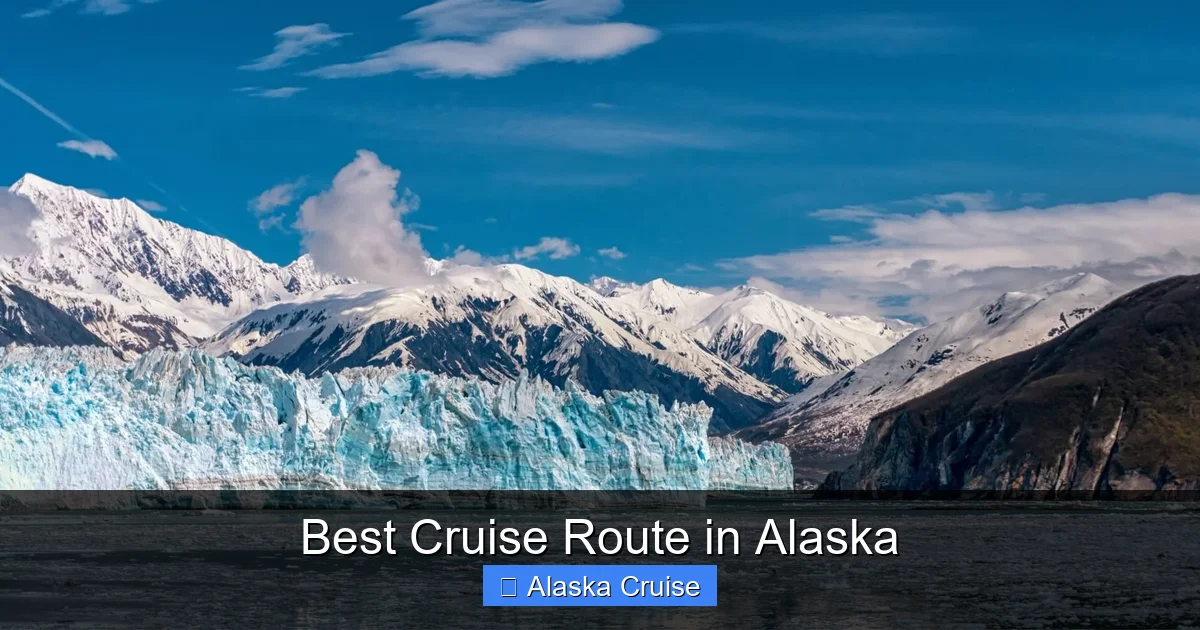
Visual guide about Best Cruise Route in Alaska
Image source: bellsalaska.com
When planning your Alaska cruise, one of the first decisions is choosing between the Inside Passage and the Gulf of Alaska. Both offer stunning scenery, but they cater to different interests and travel styles. Understanding the differences helps you pick the best cruise route in Alaska for your preferences.
The Inside Passage: Lush Coastlines and Charming Towns
The Inside Passage is the classic Alaska cruise route, stretching from Washington State through British Columbia and into southeastern Alaska. This network of protected waterways winds through dense forests, past rocky islands, and alongside small coastal communities. It’s ideal for travelers who love scenic sailing, cultural exploration, and mild weather.
Cruises on the Inside Passage typically depart from Seattle or Vancouver and make stops in ports like Ketchikan, Juneau, and Skagway. These towns are rich in history and charm, offering everything from Gold Rush museums to Native art galleries. The route is also known for its wildlife—bald eagles, sea lions, and whales are common sightings.
One of the biggest advantages of the Inside Passage is its accessibility. Roundtrip cruises from Seattle or Vancouver are convenient for North American travelers, eliminating the need for additional flights. Plus, the calm waters make it a great option for first-time cruisers or those prone to motion sickness.
However, the Inside Passage has fewer glacier experiences compared to Gulf routes. While you’ll still see ice and possibly a few tidewater glaciers, the real ice action happens further north. If glaciers are your top priority, you may want to consider a longer itinerary or a Gulf of Alaska cruise.
The Gulf of Alaska: Glaciers, Wilderness, and Adventure
For travelers seeking dramatic ice formations and remote wilderness, the Gulf of Alaska is the way to go. This route extends beyond the Inside Passage, venturing into the open waters of the Gulf and visiting iconic sites like Glacier Bay National Park, Hubbard Glacier, and College Fjord.
Gulf cruises often start in Vancouver or Seattle and end in Seward or Whittier (near Anchorage), or vice versa. These one-way itineraries allow for more time in Alaska and often include land extensions, such as Denali National Park tours. The best cruise route in Alaska for glacier lovers is undoubtedly a Gulf itinerary.
Hubbard Glacier, one of the largest tidewater glaciers in North America, is a highlight. Ships often pause for hours as chunks of ice break off and crash into the water—a phenomenon known as calving. The sound is thunderous, and the sight is unforgettable. Similarly, Glacier Bay offers a protected UNESCO World Heritage site where rangers board the ship to share insights about the park’s ecology and history.
The Gulf route also provides access to more remote areas, including the Kenai Fjords and the rugged coast near Icy Strait Point. Wildlife is abundant here too—puffins, sea otters, and even brown bears can be spotted along the shoreline. However, the weather can be more unpredictable, with cooler temperatures and higher chances of rain or fog.
Which Route Is Right for You?
Choosing between the Inside Passage and the Gulf of Alaska depends on your priorities. If you want a classic, family-friendly cruise with cultural stops and mild weather, the Inside Passage is ideal. If you’re after glaciers, wilderness, and a more adventurous experience, the Gulf route delivers.
Many travelers opt for a hybrid approach—starting with the Inside Passage and extending into the Gulf. Some cruise lines offer 10- to 14-day itineraries that cover both regions, giving you the best of both worlds. These longer cruises are perfect for those who want a comprehensive Alaska experience without rushing.
Top Ports of Call on the Best Cruise Route in Alaska
The best cruise route in Alaska isn’t complete without visiting its legendary ports. Each stop offers a unique flavor of Alaska, from Gold Rush history to Native culture and outdoor adventure. Here are the must-see destinations you’ll likely encounter on a top-tier itinerary.
Ketchikan: The Salmon Capital of the World
Ketchikan is often the first port of call on an Alaska cruise, and it sets the tone for the journey. Known as the “Salmon Capital of the World,” this charming town is built on stilts over the water, with boardwalks connecting historic buildings and Native totem parks.
One of Ketchikan’s biggest draws is its Indigenous culture. The Totem Heritage Center and Saxman Totem Park feature centuries-old totem poles and traditional longhouses. Many cruises offer cultural tours where you can watch Native artisans carve totems or perform traditional dances.
Outdoor enthusiasts will love the nearby Tongass National Forest, the largest national forest in the U.S. Popular excursions include ziplining through the rainforest, kayaking in Misty Fjords National Monument, and fishing for salmon. Ketchikan is also a great spot for spotting wildlife—bald eagles nest in the trees, and seals often lounge on nearby rocks.
Juneau: Alaska’s Capital with a Wild Heart
Juneau is unique—it’s Alaska’s capital city, but there are no roads connecting it to the rest of the state. The only way in is by air or sea, which adds to its remote, adventurous feel. Nestled between mountains and sea, Juneau offers a mix of urban amenities and rugged wilderness.
One of the top activities in Juneau is whale watching. Humpback whales are frequently spotted in the surrounding waters, and many tours guarantee a sighting. You can also visit the Mendenhall Glacier, a stunning 13-mile-long glacier just 12 miles from downtown. A short hike leads to viewing platforms where you can see ice caves and turquoise meltwater pools.
For history buffs, the Alaska State Museum and the Last Chance Mining Museum offer insights into Juneau’s Gold Rush past. And if you’re feeling adventurous, consider a helicopter tour to a remote glacier or a dog sledding experience on the Juneau Icefield.
Skagway: Gateway to the Klondike Gold Rush
Step back in time in Skagway, a well-preserved Gold Rush town that feels like a living museum. In the late 1800s, thousands of prospectors passed through Skagway on their way to the Klondike goldfields. Today, the town retains its historic charm with wooden boardwalks, false-front buildings, and costumed interpreters.
The highlight of any Skagway visit is the White Pass & Yukon Route Railway. This narrow-gauge railroad climbs 3,000 feet in just 20 miles, offering breathtaking views of waterfalls, canyons, and snow-capped peaks. The journey ends at the U.S.-Canada border, where you can learn about the challenges faced by gold seekers.
Outdoor adventures abound in Skagway, from hiking the Chilkoot Trail to kayaking in the Taiya Inlet. Wildlife enthusiasts might spot black bears, mountain goats, or even moose. And for a taste of local flavor, don’t miss the Red Onion Saloon, a historic brothel turned museum and bar.
Glacier Bay National Park: A UNESCO World Heritage Site
While not a traditional port, Glacier Bay is a highlight of the best cruise route in Alaska. This protected marine wilderness spans over 3.3 million acres and is home to over a dozen active glaciers. As your ship navigates the bay, a National Park Service ranger boards to provide commentary and answer questions.
The park is a haven for wildlife. You might see humpback whales feeding, sea otters floating on kelp, and brown bears foraging along the shore. The real stars, however, are the glaciers. Margerie and Grand Pacific Glaciers are particularly impressive, with towering ice walls that calve dramatically into the water.
Visiting Glacier Bay is a serene and awe-inspiring experience. The silence of the bay, broken only by the crack of calving ice, creates a sense of reverence for nature’s power. It’s a reminder of why Alaska is such a special place.
Other Notable Stops: Haines, Icy Strait Point, and More
Depending on your itinerary, you might also visit Haines, known for its artistic community and wildlife viewing, or Icy Strait Point, a private destination owned by the Huna Tlingit people. Here, you can ride the world’s largest zipline over a temperate rainforest or watch brown bears catch salmon at the Anan Creek Bear Observatory.
Some cruises also include stops in Victoria, British Columbia, offering a taste of Canadian charm with its British-inspired architecture and gardens. While not in Alaska, Victoria provides a pleasant contrast and a chance to stretch your legs before returning to the wilds of the north.
Best Time to Cruise Alaska: Timing Your Adventure
Choosing the right time for your Alaska cruise can make a big difference in your experience. The cruising season runs from May to September, with each month offering unique advantages and trade-offs.
May and Early June: Fewer Crowds, Lower Prices
The shoulder season in May and early June is ideal for budget-conscious travelers. Prices are lower, and crowds are thinner, especially in the first few weeks. The weather is cooler, but the landscapes are lush and green, and wildlife is active as animals emerge from winter.
One downside is that some attractions and tours may not be fully operational yet. However, major ports like Ketchikan and Juneau are usually open, and glacier viewing is still excellent. This is also a great time for photographers, as the light is soft and the scenery is pristine.
Mid-June to August: Peak Season for a Reason
The height of summer—mid-June through August—is the most popular time to cruise Alaska. The weather is warmest, with daytime temperatures in the 60s and 70s°F (15–24°C). Daylight lasts up to 18 hours, giving you plenty of time to explore.
Wildlife is at its peak during this period. Whales are abundant, bears are fishing for salmon, and migratory birds fill the skies. All tours and attractions are running, and the ports are bustling with activity. This is also the best time for outdoor adventures like hiking, kayaking, and wildlife tours.
The trade-off is higher prices and larger crowds. Popular excursions can sell out quickly, so it’s wise to book in advance. Still, for many travelers, the vibrant energy and ideal conditions make peak season worth it.
September: Fall Colors and Quiet Beauty
Late August and September offer a quieter, more reflective Alaska experience. The crowds thin out, prices drop, and the fall colors begin to appear in the forests. The weather is still mild, though cooler than summer, and there’s a chance of rain.
Wildlife remains active, especially bears preparing for hibernation. Whale watching is still excellent, and the light takes on a golden hue that photographers love. Some cruise lines offer special fall itineraries with themed activities and local festivals.
One consideration is that some remote tours and attractions may close by mid-September. However, major ports and glacier viewing remain accessible. If you prefer a more relaxed pace and don’t mind cooler weather, September can be a magical time to cruise.
Cruise Lines and Itinerary Options
With so many cruise lines offering Alaska voyages, choosing the right one can feel overwhelming. Each company has its own style, amenities, and itinerary focus. Here’s a look at some of the top options for the best cruise route in Alaska.
Holland America Line: Classic Elegance and Scenic Focus
Holland America is known for its refined experience and strong emphasis on Alaska’s natural beauty. Their ships are mid-sized, offering a balance of comfort and intimacy. They often spend extra time in scenic areas like Glacier Bay and Tracy Arm, allowing for optimal glacier viewing.
Their itineraries frequently include cultural enrichment programs, with guest speakers and local performances. Holland America also partners with the Glacier Bay National Park Service, ensuring informative and respectful visits.
Princess Cruises: Land-and-Sea Adventures
Princess Cruises excels at combining cruise and land experiences. Their “CruiseTour” packages allow you to cruise the coast and then continue by train or motorcoach to Denali National Park or Fairbanks. This is ideal for travelers who want to see both the coast and the interior.
Princess ships are larger and offer a wide range of dining and entertainment options. They also have a strong focus on sustainability and wildlife conservation in Alaska.
Norwegian Cruise Line: Freestyle Cruising and Family Fun
Norwegian offers a more casual, flexible experience with “freestyle cruising”—no fixed dining times or dress codes. Their ships are family-friendly, with water parks, Broadway-style shows, and a variety of dining venues.
Norwegian’s Alaska itineraries often include longer stays in ports, giving you more time to explore. They also offer unique excursions, like helicopter tours and dog sledding.
Small Ship and Luxury Options
For a more intimate experience, consider small ship cruises with lines like UnCruise Adventures or Lindblad Expeditions. These vessels carry fewer passengers and can access remote areas larger ships can’t reach. They often include expert naturalists and offer immersive, adventure-focused itineraries.
Luxury lines like Seabourn and Silversea offer all-inclusive experiences with gourmet dining, spacious suites, and personalized service. While pricier, they provide a high-end take on the best cruise route in Alaska.
Packing Tips and What to Expect Onboard
Packing for an Alaska cruise requires preparation. The weather can change quickly, and layers are key. Here’s what to bring and what to expect during your voyage.
Essential Packing List
– **Layers:** Pack a base layer (thermal underwear), mid-layer (fleece or sweater), and outer layer (waterproof jacket).
– **Waterproof Gear:** A good raincoat and waterproof shoes are essential.
– **Binoculars:** For spotting wildlife from a distance.
– **Camera with Zoom Lens:** To capture glaciers and animals.
– **Motion Sickness Remedies:** Even in calm waters, some people feel queasy.
– **Daypack:** For shore excursions.
– **Sunscreen and Sunglasses:** The sun can be strong, even on cloudy days.
Onboard Experience
Most Alaska cruises offer a mix of relaxation and enrichment. Expect lectures on wildlife, geology, and Native culture. Many ships have observation lounges with panoramic windows for glacier viewing. Dining options vary by line, but fresh seafood—especially salmon—is a highlight.
Entertainment includes live music, trivia, and deck parties. Some ships even offer Alaska-themed activities, like totem pole carving or gold panning. Wi-Fi is available but can be slow and expensive, so plan accordingly.
Shore Excursions
Excursions are a big part of the Alaska experience. Popular options include:
– Whale watching tours
– Glacier hikes and helicopter landings
– Dog sledding on icefields
– Native cultural performances
– Scenic railway rides
Book early, as popular tours sell out quickly. Many cruise lines offer excursion packages that bundle multiple activities at a discount.
Conclusion: Why the Best Cruise Route in Alaska Is Worth It
The best cruise route in Alaska is more than a vacation—it’s a journey into one of the world’s last great wildernesses. From the misty fjords of the Inside Passage to the towering ice walls of Hubbard Glacier, every moment is filled with wonder. The combination of stunning scenery, rich culture, and abundant wildlife creates an experience that stays with you long after you return home.
Whether you choose a roundtrip from Seattle, a one-way voyage through the Gulf, or a small ship adventure into remote waters, Alaska delivers. It’s a place where nature takes center stage, and the cruise ship becomes your window to the wild. So pack your layers, bring your sense of adventure, and get ready to discover why Alaska is the ultimate cruise destination.
Frequently Asked Questions
What is the best cruise route in Alaska?
The best cruise route in Alaska typically includes the Inside Passage with stops in Ketchikan, Juneau, and Skagway, or extends into the Gulf of Alaska for glacier viewing at Hubbard Glacier and Glacier Bay. One-way itineraries from Vancouver to Seward offer the most comprehensive experience.
When is the best time to take an Alaska cruise?
The best time is from June to August for warm weather, long daylight, and peak wildlife activity. May and September offer fewer crowds and lower prices, with September adding beautiful fall colors.
Can you see glaciers on an Alaska cruise?
Yes, most Alaska cruises include glacier viewing. Popular spots include Glacier Bay National Park, Hubbard Glacier, and Tracy Arm. Ships often pause for hours to watch calving events.
Do I need to book shore excursions in advance?
Yes, popular excursions like whale watching, helicopter tours, and dog sledding sell out quickly, especially during peak season. Booking in advance ensures you get your top choices.
What should I pack for an Alaska cruise?
Pack layers, a waterproof jacket, sturdy shoes, binoculars, a camera, and motion sickness remedies. Don’t forget sunscreen and sunglasses—even on cloudy days.
Are Alaska cruises family-friendly?
Yes, many cruise lines offer family-friendly activities, kids’ clubs, and educational programs. Norwegian and Princess are particularly known for their family-oriented Alaska itineraries.