Alaska’s cruise ports offer breathtaking scenery, rich culture, and unforgettable wildlife encounters. From glacier views in Juneau to historic charm in Ketchikan, each stop delivers unique experiences that make your Alaskan cruise truly special.
Key Takeaways
- Juneau is Alaska’s capital and a top cruise port, offering access to the Mendenhall Glacier, whale watching, and vibrant local culture.
- Ketchikan is known as the “Salmon Capital of the World,” featuring Native heritage sites, rainforest hikes, and the famous Creek Street boardwalk.
- Skagway brings Gold Rush history to life, with preserved buildings, the scenic White Pass & Yukon Route Railway, and outdoor adventures.
- Glacier Bay National Park is a UNESCO site, where cruise ships glide past towering icebergs and active tidewater glaciers.
- Seward and Whittier serve as gateway ports, connecting cruisers to Kenai Fjords National Park and Alaska’s stunning fjord landscapes.
- Haines offers a quieter, authentic Alaskan experience, with abundant wildlife, art galleries, and access to Chilkat Bald Eagle Preserve.
- Plan excursions in advance, as popular tours like dog sledding and flightseeing often sell out quickly.
📑 Table of Contents
- Introduction to Alaska’s Best Cruise Ports
- Juneau: Alaska’s Capital and Natural Playground
- Ketchikan: The Salmon Capital of the World
- Skagway: Gateway to the Gold Rush
- Glacier Bay National Park: A UNESCO World Heritage Site
- Seward and Whittier: Gateway to Kenai Fjords
- Haines: The Quiet Gem of Southeast Alaska
Introduction to Alaska’s Best Cruise Ports
Alaska is one of the world’s most awe-inspiring cruise destinations. With its rugged coastlines, towering glaciers, and abundant wildlife, it offers a front-row seat to nature’s grandeur. Whether you’re sailing from Seattle or Vancouver, your journey will likely include several of Alaska’s best cruise ports—each with its own personality, history, and natural wonders.
Cruising Alaska isn’t just about the ship; it’s about the stops. These ports are your gateway to adventure. From the misty rainforests of the southeast to the icy fjords of the Gulf of Alaska, every port tells a story. You’ll walk through Gold Rush towns, watch humpback whales breach, and stand in awe as glaciers calve into the sea. The best part? You don’t need to be an outdoor expert to enjoy it. Alaska’s cruise ports are designed for travelers of all kinds, offering everything from easy boardwalk strolls to challenging mountain hikes.
Juneau: Alaska’s Capital and Natural Playground
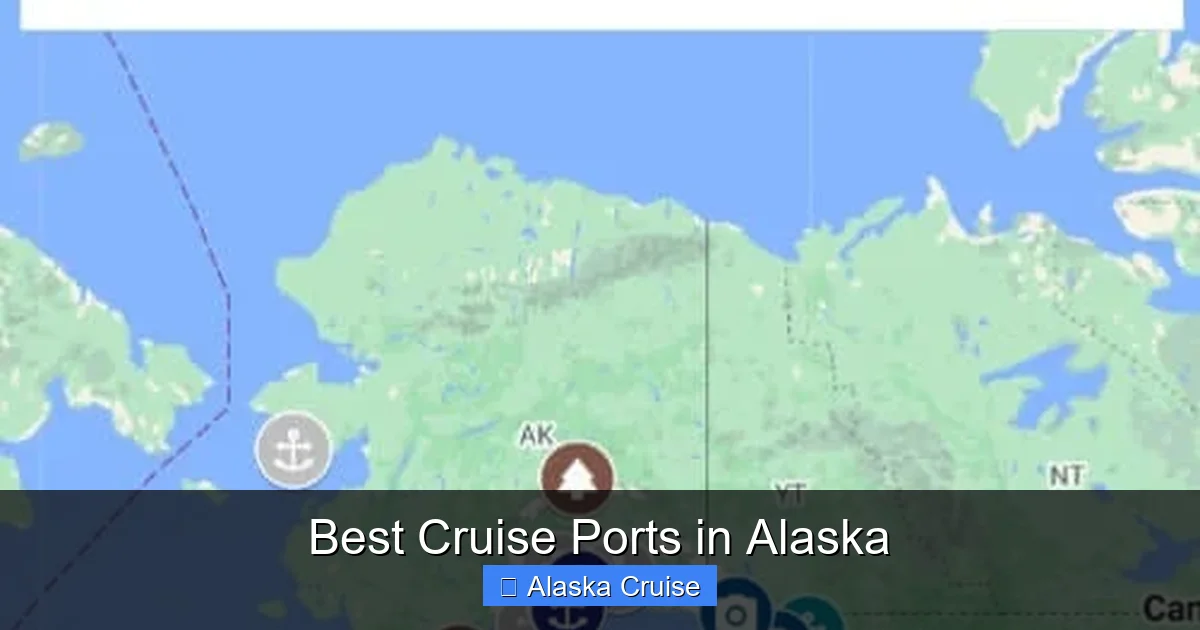
Visual guide about Best Cruise Ports in Alaska
Image source: lifewellcruised.com
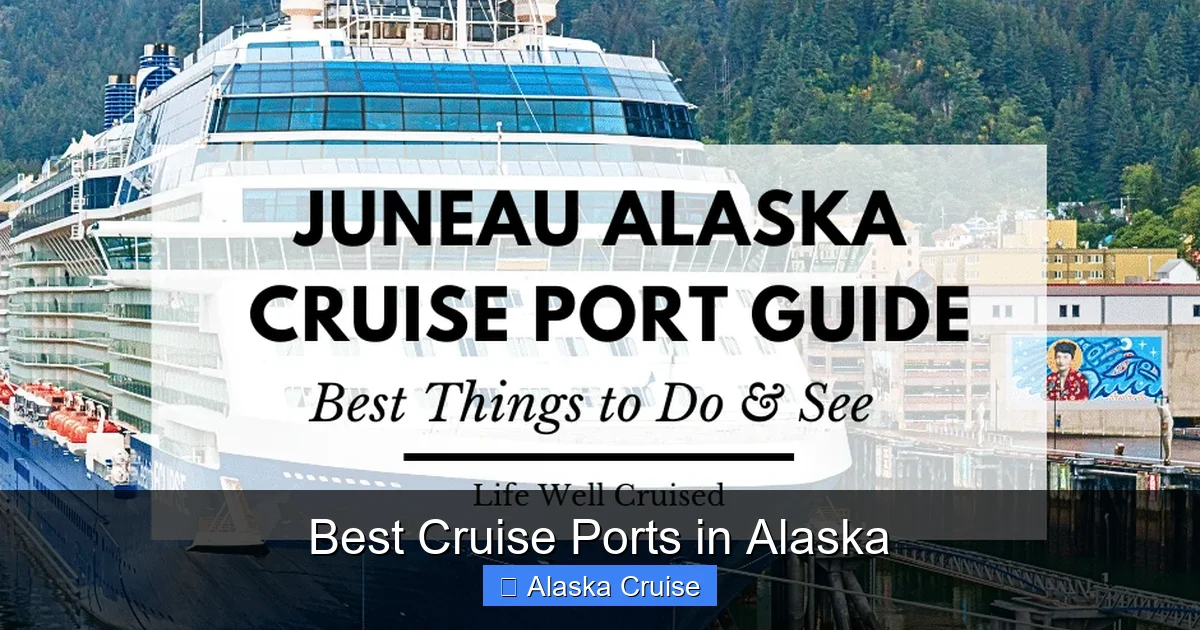
Juneau is the only state capital in the U.S. that’s not accessible by road—making it a true destination for cruise travelers. Nestled between the Gastineau Channel and the towering peaks of the Coast Mountains, Juneau blends urban charm with wild beauty. It’s a port where you can sip coffee at a local café in the morning and be zipping across a glacier by helicopter in the afternoon.
Mendenhall Glacier: A Must-See Wonder
No visit to Juneau is complete without seeing the Mendenhall Glacier. This 13-mile-long river of ice is one of the most accessible glaciers in Alaska. Located just 12 miles from downtown, it’s easy to reach via shuttle, taxi, or even a scenic bike ride. The Mendenhall Glacier Visitor Center offers exhibits on glaciology and local wildlife, while well-maintained trails lead to viewing platforms and the popular Nugget Falls.
For a more immersive experience, consider a guided glacier walk or ice climbing tour. Companies like Alaska Nature Guides offer small-group hikes onto the glacier itself—complete with crampons and safety gear. It’s a thrilling way to feel the ancient ice beneath your feet.
Whale Watching and Marine Life
Juneau is one of the best places in the world to see humpback whales. From May to September, these majestic creatures migrate to Alaskan waters to feed. Several local operators offer 3- to 4-hour whale-watching tours that depart right from the cruise dock. You’ll cruise through protected channels, scanning the water for spouts, tail slaps, and breaching whales.
Don’t be surprised if you also spot sea lions, harbor seals, and even orcas. Many tours include a naturalist guide who shares fascinating facts about the marine ecosystem. Some even have hydrophones so you can hear the whales singing underwater.
Local Culture and Dining
Juneau has a lively arts and food scene. Stop by the Alaska State Museum to learn about Tlingit culture and the region’s history. For a taste of local flavor, try a meal at The Hangar on the Wharf, known for its fresh seafood and waterfront views. Don’t miss the chance to sample Alaskan king crab or a reindeer sausage hot dog from a street vendor.
Ketchikan: The Salmon Capital of the World
Ketchikan is often the first port of call on southbound Alaska cruises, and it sets the tone for adventure. Known as the “Salmon Capital of the World,” this colorful town clings to the edge of the Tongass National Forest—the largest national forest in the U.S. With its steep streets, wooden boardwalks, and vibrant totem poles, Ketchikan feels like a living museum of Alaskan heritage.
Creek Street and the Historic Boardwalk
Creek Street is one of Ketchikan’s most iconic attractions. Built over the water on stilts, this historic boardwalk once housed brothels during the town’s logging and fishing boom. Today, it’s lined with boutiques, art galleries, and cafes. Walk along the creek and watch salmon leap upstream during spawning season—usually from July to September.
Don’t miss the Dolly’s House Museum, a restored 1900s brothel that offers a cheeky look at Ketchikan’s past. It’s both educational and entertaining, with costumed guides sharing stories of the town’s colorful history.
Totem Heritage Center and Native Culture
Ketchikan is a hub for Native Alaskan culture, particularly the Tlingit, Haida, and Tsimshian peoples. The Totem Heritage Center houses one of the largest collections of original 19th-century totem poles in the world. These towering carvings tell stories of clans, legends, and spiritual beliefs.
For a deeper dive, consider a cultural tour to Saxman Native Village or the Potlatch Park. You can watch master carvers at work, learn traditional dances, and even try your hand at weaving or beadwork. Many tours include a traditional salmon bake—a feast of grilled salmon, wild rice, and local sides.
Rainforest Adventures and Wildlife
Just outside Ketchikan lies the Tongass National Forest, a temperate rainforest teeming with life. Take a guided nature walk to spot bald eagles, black bears, and Sitka deer. The Deer Mountain Trail offers a moderate hike with panoramic views of the town and surrounding islands.
For a more thrilling experience, try a zipline tour through the canopy. Companies like Ketchikan Zipline offer eco-friendly adventures that combine adrenaline with education about the forest ecosystem.
Skagway: Gateway to the Gold Rush
Step back in time in Skagway, a town frozen in the era of the Klondike Gold Rush. In the late 1800s, over 100,000 prospectors passed through Skagway on their way to the goldfields of the Yukon. Today, the town preserves that history with restored buildings, costumed interpreters, and the famous White Pass & Yukon Route Railway.
White Pass & Yukon Route Railway
The White Pass & Yukon Route is one of the most scenic train rides in the world. Built during the Gold Rush, this narrow-gauge railway climbs over 2,800 feet in just 20 miles, carving through steep cliffs and crossing towering trestle bridges. The journey from Skagway to Bennett Lake takes about 3.5 hours and offers breathtaking views of waterfalls, glaciers, and alpine meadows.
Many cruise lines offer this as a shore excursion, but you can also book it independently. Be sure to bring a camera—and a jacket, as it can get chilly at higher elevations.
Gold Rush History and Museums
Skagway’s historic district is a National Historic Landmark, with over 50 preserved buildings from the 1890s. Visit the Skagway Museum to see artifacts from the Gold Rush, including mining tools, photographs, and personal belongings of stampeders.
Don’t miss the Days of ’98 Show, a lively musical revue that tells the story of the gold rush with humor and heart. It’s a fun, family-friendly way to learn about the era.
Outdoor Adventures
Skagway is also a gateway to outdoor adventure. Hike the Chilkoot Trail, the same route used by gold seekers over a century ago. Or take a dog sledding tour on a glacier—many operators offer summer sledding on muskeg or use wheeled carts.
For a unique experience, try a flightseeing tour. Soar over the snow-capped peaks of the Coast Mountains and land on a glacier for a photo op. It’s a once-in-a-lifetime way to see Alaska from above.
Glacier Bay National Park: A UNESCO World Heritage Site
Glacier Bay is not a traditional port with shops and restaurants—it’s a natural wonderland where cruise ships slow to a crawl to let passengers marvel at the scenery. This 3.3-million-acre park is a UNESCO World Heritage Site and one of the most pristine ecosystems on Earth.
Witnessing Glacier Calving
One of the most thrilling experiences in Glacier Bay is watching a glacier calve. As massive chunks of ice break off and crash into the water, the sound echoes across the bay like thunder. The most famous glacier here is the Margerie Glacier, a towering wall of blue ice that stretches over a mile wide.
Cruise ships typically spend 6 to 8 hours in the park, often with a National Park Service ranger on board to provide commentary. You’ll learn about the park’s geology, wildlife, and the impact of climate change on the glaciers.
Wildlife Viewing
Glacier Bay is home to an incredible array of wildlife. Keep your eyes peeled for humpback whales, orcas, sea otters, and harbor seals. On land, you might spot brown bears foraging along the shoreline or mountain goats perched on cliffs.
The park’s nutrient-rich waters support a thriving marine ecosystem, making it a prime spot for whale watching. Many cruise lines offer hydrophone feeds so you can hear the whales communicating underwater.
Respect and Conservation
Because Glacier Bay is a protected area, cruise ships follow strict guidelines to minimize their impact. Speeds are reduced, and ships maintain a safe distance from glaciers and wildlife. This ensures that future generations can enjoy this pristine wilderness.
Seward and Whittier: Gateway to Kenai Fjords
Seward and Whittier are not typical cruise ports—they’re more like launch points for adventure. Located on the Kenai Peninsula, these towns serve as gateways to Kenai Fjords National Park, one of Alaska’s most dramatic landscapes.
Kenai Fjords National Park
Kenai Fjords is defined by its deep, U-shaped valleys carved by ancient glaciers. The park’s crown jewel is Exit Glacier, one of the few glaciers accessible by road. You can hike to the base of the glacier or take a guided tour to learn about glacial retreat.
For a more immersive experience, take a boat tour into the fjords. These excursions take you past towering sea cliffs, sea caves, and tidewater glaciers. You’ll likely see puffins, sea lions, and possibly even a glacier calving into the ocean.
Seward: A Charming Coastal Town
Seward is a laid-back fishing town with a strong maritime vibe. Stroll along the harbor, visit the Alaska SeaLife Center, or grab a bite at one of the local seafood shacks. The town is also a popular starting point for kayaking trips into Resurrection Bay.
Whittier: The One-Road Town
Whittier is unique—it’s one of the few towns in Alaska accessible only by a tunnel. The Anton Anderson Memorial Tunnel is a 2.5-mile-long passage that carries both vehicles and the Alaska Railroad. Once inside, you’ll find a compact town with a strong military history and stunning mountain views.
Many cruise ships tender passengers to Whittier, where you can transfer to trains or buses for excursions into the national park.
Haines: The Quiet Gem of Southeast Alaska
Haines is often overlooked, but it’s one of the most authentic and scenic ports in Alaska. With a population of just over 2,000, it offers a peaceful alternative to the more touristy ports. Haines is known for its art scene, outdoor adventures, and proximity to the Chilkat Bald Eagle Preserve.
Chilkat Bald Eagle Preserve
Every fall, thousands of bald eagles gather along the Chilkat River to feed on spawning salmon. The Chilkat Bald Eagle Preserve protects this critical habitat and offers some of the best eagle viewing in the world. Take a guided tour to see these majestic birds up close.
Art and Culture
Haines has a thriving arts community. Visit the Haines Sheldon Museum to learn about local history, or explore galleries featuring Native art, photography, and crafts. The town also hosts an annual film festival and music events.
Outdoor Adventures
Haines is a paradise for outdoor enthusiasts. Go kayaking in the fjords, hike the Takshanuk Mountains, or take a flightseeing tour over the glaciers. The area is also popular for sport fishing and bear viewing.
Frequently Asked Questions
What is the best time to cruise to Alaska?
The best time to cruise to Alaska is from late May to early September. During these months, the weather is milder, wildlife is active, and daylight lasts up to 18 hours. Peak season is July and August, but June and September offer fewer crowds and lower prices.
Do I need a passport for an Alaska cruise?
If your cruise starts and ends in the same U.S. port (like Seattle or Vancouver), you typically don’t need a passport. However, if your itinerary includes foreign ports (like Victoria, BC), a passport is required. Always check with your cruise line before traveling.
What should I pack for an Alaska cruise?
Pack layers, including a waterproof jacket, warm fleece, and moisture-wicking base layers. Don’t forget binoculars, sunscreen, sunglasses, and sturdy walking shoes. Even in summer, temperatures can vary widely, especially on excursions.
Are shore excursions worth it?
Yes, shore excursions are highly recommended. They offer expert guides, transportation, and access to remote areas. Popular tours like whale watching, glacier hikes, and flightseeing often sell out, so book early through your cruise line or a trusted third-party provider.
Can I see the Northern Lights on an Alaska cruise?
The Northern Lights are rarely visible during the summer cruise season due to the midnight sun. However, if you cruise in late September or early October, you may have a chance to see them, especially in northern ports like Skagway or Haines.
Is Alaska safe for solo travelers?
Yes, Alaska is generally safe for solo travelers. Cruise ports are well-patrolled, and locals are friendly and helpful. Stick to well-lit areas at night, avoid hiking alone in remote areas, and always let someone know your plans when exploring.