Alaska’s cruise ports offer some of the most dramatic scenery and authentic cultural experiences in the world. From towering glaciers and wild coastlines to charming gold rush towns and abundant wildlife, each port tells a unique story. Whether you’re a nature lover, history buff, or adventure seeker, these stops deliver unforgettable moments on your Alaskan voyage.
Key Takeaways
- Juneau is Alaska’s capital and a top cruise port offering glacier tours, whale watching, and access to the stunning Mendenhall Glacier.
- Ketchikan is known as the “Salmon Capital of the World” and features rich Indigenous culture, boardwalks, and rainforest hikes.
- Skagway brings the Gold Rush era to life with historic buildings, the White Pass & Yukon Route Railway, and rugged mountain trails.
- Hubbard Glacier is a must-see natural wonder where massive ice calving events create thunderous splashes and awe-inspiring views.
- Seward and Whittier serve as gateway ports to Kenai Fjords National Park, offering boat tours, kayaking, and marine wildlife spotting.
- Each port offers unique excursions ranging from dog sledding on glaciers to flightseeing over fjords and cultural village visits.
- Best time to cruise Alaska is May through September when weather is milder, wildlife is active, and daylight hours are long.
📑 Table of Contents
- Introduction to Alaska Cruise Ports
- Top Cruise Ports in Alaska: An Overview
- Juneau: Alaska’s Capital and Glacier Gateway
- Ketchikan: The Salmon Capital of the World
- Skagway: Gateway to the Gold Rush
- Glacier Viewing: Hubbard Glacier and Glacier Bay
- Seward and Whittier: Gateway to Kenai Fjords
- Tips for Making the Most of Your Alaska Cruise Port Visits
- Conclusion
Introduction to Alaska Cruise Ports
Imagine sailing through icy fjords surrounded by snow-capped peaks, spotting humpback whales breaching in the distance, and stepping ashore in a town where the echoes of the Gold Rush still linger. This is the magic of cruising Alaska—a journey that blends raw natural beauty with rich history and vibrant culture. Among the many highlights of an Alaskan cruise, the ports of call stand out as gateways to unforgettable adventures.
Alaska’s cruise ports are more than just scenic backdrops; they’re vibrant communities with deep roots in Indigenous heritage, fishing traditions, and frontier spirit. Each stop offers a unique blend of outdoor activities, cultural experiences, and wildlife encounters. Whether you’re zipping through icy waters on a kayak, hiking through temperate rainforests, or learning about Tlingit art in a local museum, these ports invite you to connect with the land and its people in meaningful ways.
Top Cruise Ports in Alaska: An Overview
Visual guide about Best Cruise Ports Alaska
Image source: i.pinimg.com
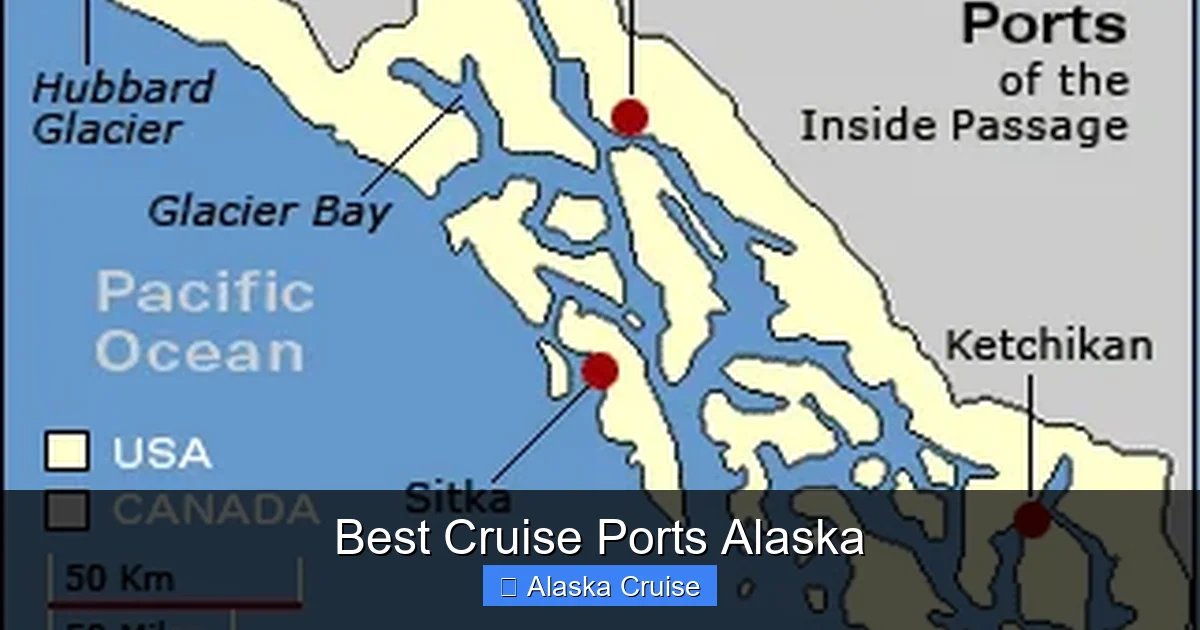
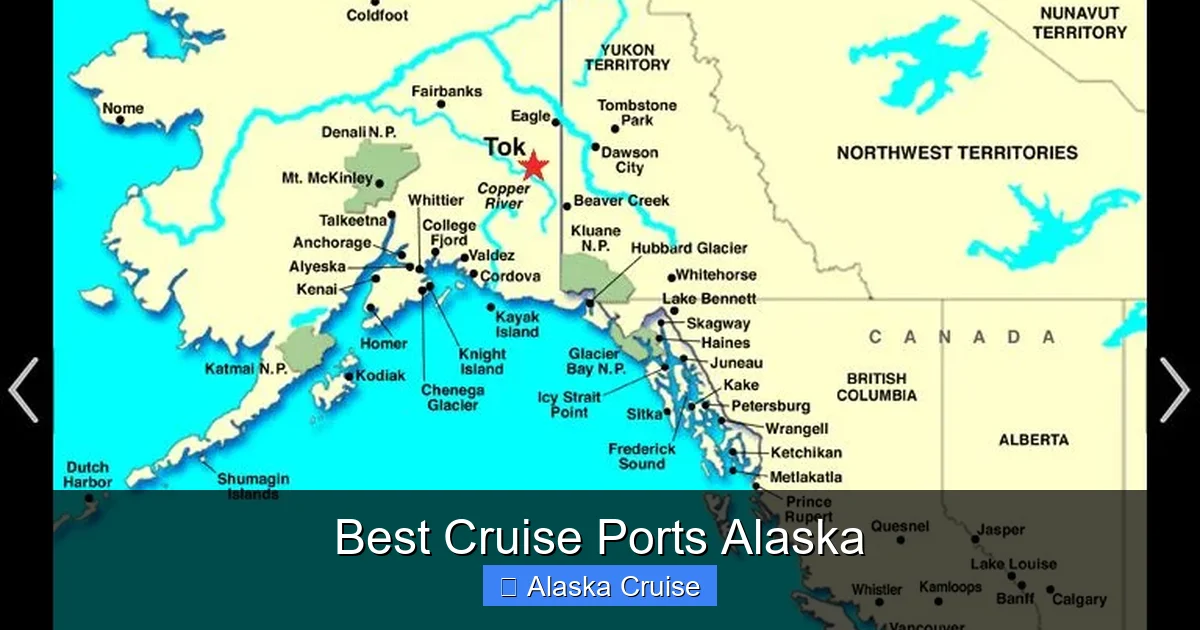
Alaska’s cruise itineraries typically include four to six major ports, each offering distinct experiences. While cruise lines may vary in their routes, the most popular stops include Juneau, Ketchikan, Skagway, Seward, Whittier, and glacier viewing areas like Hubbard Glacier and Glacier Bay. These ports are carefully chosen for their accessibility, natural wonders, and cultural significance.
One of the reasons Alaska remains a top cruise destination is the diversity of experiences packed into a single voyage. You might start your day watching icebergs float past Hubbard Glacier, then spend the afternoon exploring the historic streets of Skagway, and end with a salmon bake in Ketchikan. This variety ensures that every traveler—whether seeking adventure, relaxation, or cultural immersion—finds something to love.
Why These Ports Stand Out
What makes these ports truly special is their authenticity. Unlike some tourist-heavy destinations, Alaska’s cruise towns retain their rugged charm and local character. Many are accessible only by boat or plane, preserving their remote feel and close connection to nature.
Additionally, the timing of your cruise plays a big role in what you’ll experience. During the summer months, the long daylight hours allow for extended exploration, while the shoulder seasons (May and September) offer fewer crowds and lower prices. Wildlife is also more active in summer, with bears fishing for salmon, whales migrating, and birds nesting along the coast.
Juneau: Alaska’s Capital and Glacier Gateway
As the only U.S. state capital not accessible by road, Juneau is a true Alaskan gem. Nestled between the Gastineau Channel and towering mountains, this port city offers a perfect blend of urban amenities and wild landscapes. It’s a favorite among cruisers for its accessibility to world-class glaciers, marine wildlife, and cultural attractions.
Mendenhall Glacier: A Natural Wonder
No visit to Juneau is complete without seeing the Mendenhall Glacier. Just 12 miles from downtown, this 13-mile-long glacier is one of the most accessible in Alaska. Visitors can walk along well-maintained trails, including the popular Nugget Falls Trail, which leads to a stunning viewpoint where the glacier meets a cascading waterfall.
For a closer look, consider a guided glacier hike or a kayak tour. These excursions allow you to paddle among icebergs in Mendenhall Lake and even step onto the glacier itself with the help of crampons and expert guides. It’s a surreal experience to stand on ice that’s thousands of years old, surrounded by the sounds of cracking ice and rushing water.
Whale Watching and Marine Life
Juneau is one of the best places in the world to see humpback whales. From May through September, these majestic creatures migrate to Alaskan waters to feed on krill and small fish. Whale-watching tours depart regularly from the harbor, offering high chances of spotting breaching whales, playful sea lions, and even orcas.
One popular tour operator, Harv and Marv’s Whale Watching, has been running trips for over 30 years and boasts a near-100% success rate for whale sightings. Many tours also include commentary from naturalists who share fascinating facts about marine ecosystems and conservation efforts.
Cultural and Historical Attractions
Beyond nature, Juneau offers rich cultural experiences. The Alaska State Museum features exhibits on Indigenous art, Russian colonial history, and the Gold Rush. For a deeper dive into Tlingit culture, visit the Juneau-Douglas City Museum or attend a traditional dance performance at the Alaska Statehood Celebration.
Don’t miss the historic downtown area, where you can stroll along South Franklin Street, browse local shops, and sample fresh seafood at restaurants like The Hangar on the Wharf. Many cruisers also take the Mount Roberts Tramway for panoramic views of the city and surrounding wilderness.
Ketchikan: The Salmon Capital of the World
Known as the “Salmon Capital of the World,” Ketchikan is a colorful port town perched on the edge of the Tongass National Forest—the largest national forest in the United States. With its steep streets, historic boardwalks, and vibrant arts scene, Ketchikan offers a charming mix of natural beauty and cultural heritage.
Indigenous Culture and Totem Poles
Ketchikan is home to the world’s largest collection of standing totem poles, many of which are housed at the Totem Heritage Center and Saxman Totem Park. These intricately carved poles tell stories of clans, legends, and spiritual beliefs of the Tlingit, Haida, and Tsimshian peoples.
Visitors can take guided tours to learn about the symbolism behind the carvings and the traditional methods used to create them. The center also features a working carving shed where artisans demonstrate their craft using hand tools and red cedar logs.
Rainforest Adventures
Just a short walk from the cruise dock, Ketchikan’s rainforest trails offer a chance to immerse yourself in one of the planet’s few temperate rainforests. The Deer Mountain Trail is a moderate hike that leads to a scenic overlook with views of the Tongass Narrows and surrounding islands.
For a more leisurely experience, the Rainforest Canopy & Zipline Tour takes you through the treetops on a series of suspension bridges and zip lines. It’s a thrilling way to see the forest from a new perspective while learning about local flora and fauna from knowledgeable guides.
Fishing and Local Flavors
Fishing is a way of life in Ketchikan, and many visitors try their hand at catching salmon, halibut, or rockfish on a guided charter. Even if you’re not an angler, you can sample the freshest seafood at local eateries like George Inlet Lodge or The Landing Restaurant.
Don’t leave without trying a salmon bake—a traditional Alaskan meal featuring grilled salmon, wild rice, and seasonal vegetables, often served at community events. It’s a delicious way to experience local culture and support small businesses.
Skagway: Gateway to the Gold Rush
Stepping off the ship in Skagway feels like traveling back in time. This historic port town, nestled at the head of the Lynn Canal, was once a bustling hub for prospectors during the Klondike Gold Rush of the late 1800s. Today, it preserves that era with restored buildings, wooden sidewalks, and costumed interpreters who bring the past to life.
The White Pass & Yukon Route Railway
One of Skagway’s most iconic attractions is the White Pass & Yukon Route Railway. This narrow-gauge railroad, built in 1898, climbs 2,865 feet through steep mountain passes and offers breathtaking views of waterfalls, glaciers, and rugged terrain.
The train ride takes about 2.5 hours round-trip and includes stops at scenic viewpoints and historic sites. It’s a must-do for history buffs and photographers alike. For a more adventurous option, consider hiking the Chilkoot Trail, which follows the route used by gold seekers over a century ago.
Historic Downtown and Museums
Skagway’s downtown district is a National Historic Landmark, with over 80 preserved buildings from the Gold Rush era. Stroll down Broadway Street to see the Red Onion Saloon (once a brothel), the Moore House Museum, and the Trail of ’98 Museum, which showcases artifacts and stories from the gold rush.
Many shops sell handmade crafts, local honey, and Alaskan souvenirs. Be sure to visit the Skagway Fish Company for fresh seafood and a taste of local life.
Outdoor Adventures
Beyond history, Skagway offers plenty of outdoor activities. Hiking trails like the Dewey Lake Trail and the Yakutat Glacier Trail provide access to alpine lakes and panoramic vistas. For a unique experience, try dog sledding on a glacier—some tours offer helicopter rides to remote ice fields where you can mush with real sled dogs.
Glacier Viewing: Hubbard Glacier and Glacier Bay
While not traditional ports, glacier viewing areas like Hubbard Glacier and Glacier Bay are often highlights of Alaska cruise itineraries. These natural wonders offer awe-inspiring encounters with ice formations that are millions of years old.
Hubbard Glacier: The Largest Tidewater Glacier
At over 7 miles wide and 700 feet tall, Hubbard Glacier is one of the most active and impressive glaciers in North America. Cruises that pass by this glacier often slow down or stop to allow passengers to witness calving events—when massive chunks of ice break off and crash into the water with thunderous force.
The best views are from the ship’s deck, especially on the port side as the vessel approaches. Binoculars are recommended for spotting seals, sea lions, and birds that inhabit the area. Some cruise lines also offer naturalist-led commentary to explain the science behind glacier formation and climate change impacts.
Glacier Bay National Park
Glacier Bay is a UNESCO World Heritage Site and one of the most protected areas in Alaska. Access is limited to preserve its fragile ecosystem, but cruise ships are allowed to enter with a park ranger on board.
Inside the park, you’ll see towering glaciers, fjords carved by ancient ice, and abundant wildlife, including humpback whales, sea otters, and brown bears. The ranger provides educational talks and points out key landmarks, making the experience both scenic and informative.
Seward and Whittier: Gateway to Kenai Fjords
Seward and Whittier are not typical cruise ports—most ships don’t dock here—but they serve as launch points for day trips into Kenai Fjords National Park. These towns offer rugged beauty, outdoor adventures, and access to some of Alaska’s most dramatic coastal landscapes.
Kenai Fjords National Park Tours
From Seward, visitors can take boat tours into Kenai Fjords, where they’ll see glaciers calving into the sea, sea caves, and marine wildlife. Popular tours include the National Park Service’s day cruise, which stops at Aialik Glacier and offers ranger-led commentary.
Whittier, accessible via the Anton Anderson Memorial Tunnel (the longest highway tunnel in North America), is a quieter alternative. It’s a great base for kayaking, fishing, and exploring Prince William Sound.
Outdoor Activities
Both towns offer hiking, wildlife viewing, and flightseeing tours. In Seward, the Exit Glacier area provides easy trails with views of the Harding Icefield. In Whittier, the Portage Glacier Visitor Center offers exhibits and a boat shuttle to view the glacier up close.
Tips for Making the Most of Your Alaska Cruise Port Visits
To get the most out of your time in Alaska’s cruise ports, plan ahead and stay flexible. Here are some practical tips:
– **Book excursions early**: Popular tours like whale watching and glacier hikes fill up quickly.
– **Dress in layers**: Weather can change rapidly, so pack waterproof jackets, warm layers, and sturdy shoes.
– **Bring binoculars**: Essential for spotting wildlife and distant glaciers.
– **Respect local culture**: Learn about Indigenous traditions and support local artisans.
– **Stay hydrated and sun-smart**: Even in cool weather, UV rays can be strong at high latitudes.
Conclusion
Alaska’s cruise ports are more than just stops on a journey—they’re gateways to some of the most breathtaking and authentic experiences on Earth. From the icy grandeur of Hubbard Glacier to the cultural richness of Ketchikan and the historic charm of Skagway, each port offers a unique window into Alaska’s wild heart.
Whether you’re marveling at a calving glacier, hiking through a rainforest, or learning about Tlingit totem poles, these moments create lasting memories. An Alaska cruise isn’t just a vacation; it’s an adventure that connects you with nature, history, and the spirit of the Last Frontier.
Frequently Asked Questions
What is the best time to cruise Alaska?
The best time to cruise Alaska is from late May to early September. During these months, the weather is milder, wildlife is active, and daylight hours are long—up to 18 hours in June.
Can you see whales at every Alaska cruise port?
While whale sightings are common in ports like Juneau and Ketchikan, they’re not guaranteed at every stop. Whale-watching tours in Juneau and Seward offer the highest chances of spotting humpbacks and orcas.
Are Alaska cruise ports accessible for people with mobility issues?
Some ports, like Juneau and Ketchikan, have paved paths and accessible attractions, but terrain can be uneven. Check with your cruise line and tour operators for accessible excursion options.
Do I need to book excursions in advance?
Yes, popular tours like glacier hikes, dog sledding, and whale watching often sell out. Booking in advance ensures you get your top choices and the best prices.
What should I pack for an Alaska cruise?
Pack layers, including a waterproof jacket, warm fleece, gloves, and sturdy walking shoes. Don’t forget sunscreen, sunglasses, binoculars, and a camera with extra batteries.
Can you visit Alaska’s cruise ports independently?
Some ports, like Juneau and Ketchikan, allow independent exploration, while others, like Glacier Bay, require guided tours. Check your cruise line’s policies and local regulations before venturing off on your own.