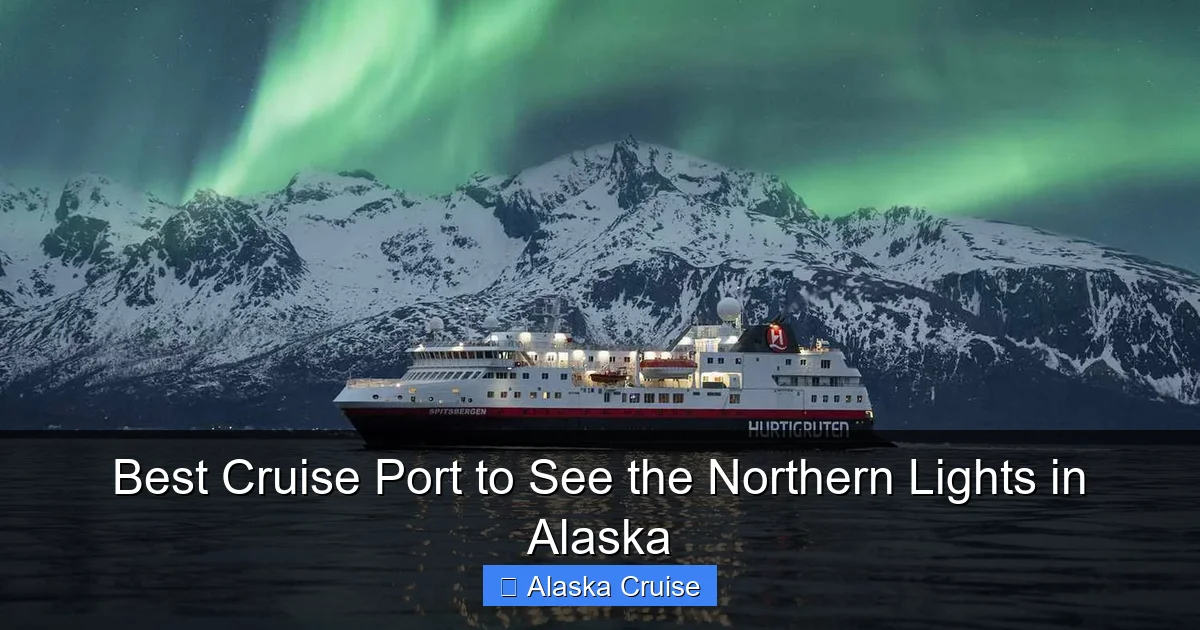
Seeing the northern lights in Alaska is a bucket-list experience, and choosing the right cruise port can make all the difference. While no guarantees exist, certain ports offer better odds due to location, weather, and darkness. This guide reveals the top cruise ports for aurora viewing and how to maximize your chances.
Key Takeaways
- Fairbanks is the top inland destination for northern lights, but not a cruise port. Most cruises don’t stop here, but pre- or post-cruise extensions can include it.
- Juneau offers the best balance of cruise access and aurora potential. Its northern latitude, frequent clear skies, and proximity to dark skies make it a strong contender.
- Ketchikan and Skagway have lower odds due to southern location and cloud cover. While beautiful, they’re less ideal for northern lights viewing.
- Best viewing months are September to March, with peak activity in winter. Summer cruises (May–August) won’t offer darkness needed for auroras.
- Clear, dark skies are essential. Avoid light pollution and check aurora forecasts for real-time activity.
- Consider a land-and-sea cruise for the best experience. Combine a cruise with a stay in Fairbanks or Denali for higher success rates.
- Pack warm clothing and be patient. Aurora viewing requires comfort in cold, dark conditions and flexibility with timing.
📑 Table of Contents
- Introduction: The Magic of the Northern Lights in Alaska
- Why Alaska Is a Prime Destination for the Northern Lights
- Top Cruise Ports in Alaska for Northern Lights Viewing
- Best Time to See the Northern Lights on an Alaska Cruise
- Tips for Maximizing Your Chances
- Conclusion: Is an Alaska Cruise Worth It for the Northern Lights?
Introduction: The Magic of the Northern Lights in Alaska
Imagine standing on the deck of a cruise ship, wrapped in a thick blanket, gazing up at a sky alive with shimmering curtains of green, purple, and pink. The northern lights—also known as the aurora borealis—dance overhead, casting an otherworldly glow over snow-dusted mountains and icy waters. This isn’t a scene from a fantasy film. It’s a real possibility when you’re in the right place at the right time in Alaska.
Alaska is one of the best places on Earth to witness this natural phenomenon. Thanks to its high latitude and proximity to the auroral oval—a ring-shaped zone over the North Pole where auroras are most frequent—the state offers some of the clearest and most vibrant displays of the northern lights. But here’s the catch: not all parts of Alaska are equally suited for aurora viewing. And if you’re planning to see them from a cruise ship, your options are even more limited.
Cruises in Alaska typically sail along the Inside Passage, visiting coastal towns like Juneau, Ketchikan, and Skagway. These ports are stunning, offering glaciers, wildlife, and rich Indigenous culture. But when it comes to the northern lights, location matters—especially during the short, dark winter nights. While summer cruises dominate the season, they won’t give you the darkness needed to see the aurora. That means your best bet for combining a cruise with northern lights viewing is during the shoulder seasons: late September to early April.
So, which cruise port gives you the best shot? The answer isn’t straightforward, but with the right planning, you can dramatically increase your chances. This guide will walk you through the top cruise ports in Alaska, evaluate their northern lights potential, and offer practical tips to help you experience this celestial wonder.
Why Alaska Is a Prime Destination for the Northern Lights
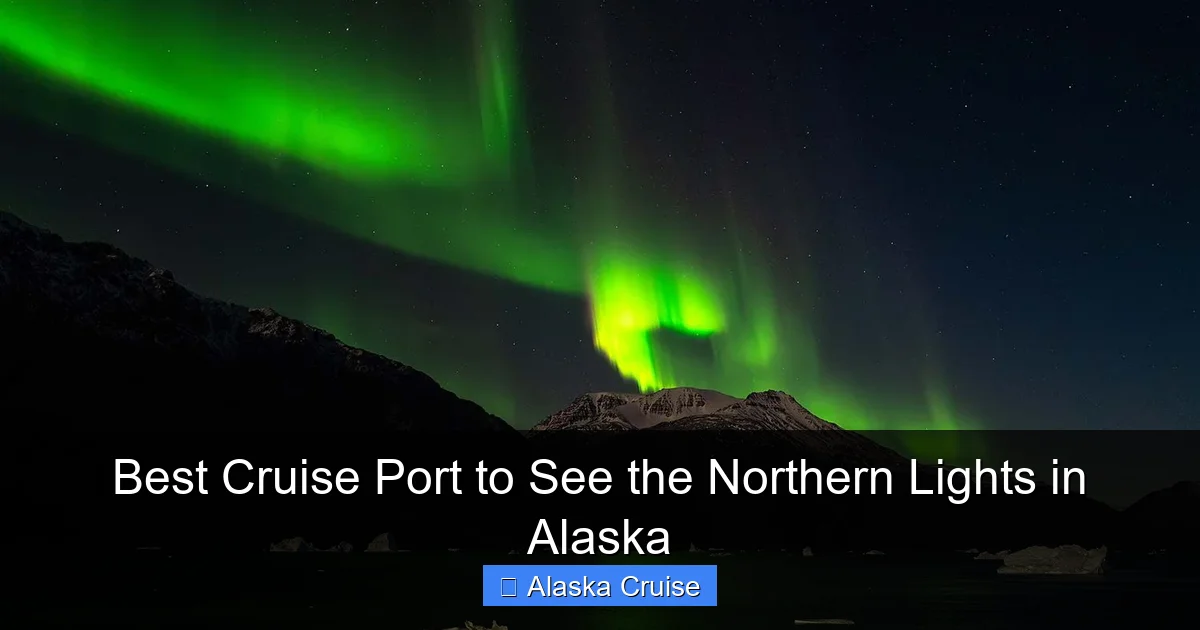
Visual guide about Best Cruise Port to See the Northern Lights in Alaska
Image source: travelandleisure.com
Alaska’s reputation as a northern lights hotspot isn’t just marketing hype—it’s backed by science. The aurora borealis occurs when charged particles from the sun collide with gases in Earth’s atmosphere. These collisions create the glowing lights we see, and they’re most common near the magnetic poles. Alaska sits directly under the auroral oval, making it one of the most reliable places in the Northern Hemisphere to see the lights.
But not all of Alaska is created equal. The further north you go, the better your chances. That’s why Fairbanks, located at 64°N latitude, is often called the “Aurora Capital of Alaska.” It’s inland, away from coastal cloud cover, and experiences long, dark winter nights. Unfortunately, Fairbanks isn’t a cruise port. Most Alaska cruises stick to the southeastern coast, which is more temperate and often cloudier.
Still, even coastal ports can offer aurora sightings—especially during periods of high solar activity. The key is timing. The northern lights are most visible from late August to mid-April, when the nights are long enough for darkness to fall. During the summer months, Alaska experiences nearly 24 hours of daylight, making aurora viewing impossible.
Another factor is weather. Clear skies are essential. Coastal areas like Ketchikan are known for rain and overcast conditions, which can block views of the night sky. In contrast, inland areas like Fairbanks and even parts of Juneau can offer clearer skies, especially in winter.
Solar activity also plays a role. The sun goes through an 11-year cycle, with periods of high and low activity. During solar maximum, auroras are more frequent and intense. Checking aurora forecasts—like those from the University of Alaska Fairbanks or the NOAA Space Weather Prediction Center—can help you plan your trip around peak activity.
In short, Alaska’s unique geography and climate make it a top destination for northern lights chasers. But to see them from a cruise, you’ll need to be strategic about when and where you go.
Top Cruise Ports in Alaska for Northern Lights Viewing
When it comes to seeing the northern lights from an Alaska cruise, your options are limited—but not impossible. Most major cruise lines, including Holland America, Princess, and Norwegian, sail the Inside Passage, stopping at ports like Juneau, Ketchikan, Skagway, and sometimes Whittier or Seward. Let’s break down each port’s potential for aurora viewing.
Juneau: The Best Cruise Port for Northern Lights
Juneau, the capital of Alaska, sits at 58°N latitude and is one of the most accessible cruise ports in the state. It’s also one of the best bets for seeing the northern lights from a ship. Why? First, it’s far enough north to fall within the auroral oval’s reach. Second, it’s located in a region that can experience clear, dark winter nights—especially from November to February.
While Juneau is coastal and can be cloudy, it’s less prone to the heavy rainfall of Ketchikan. In winter, high-pressure systems often bring clear skies, especially in the surrounding mountains. Plus, Juneau has several dark-sky areas just a short drive from the port, such as the Mendenhall Glacier Visitor Center or the Eagle Beach State Recreation Site. These spots offer minimal light pollution and wide-open views of the northern sky.
Many cruise lines offer overnight stays in Juneau, which is a huge advantage. If your ship docks overnight, you’ll have multiple chances to go aurora hunting. Some tour operators even offer northern lights tours that include transportation to dark-sky locations, hot drinks, and expert guides.
One traveler shared their experience: “We were in Juneau in late January, and our ship stayed overnight. Around 1 a.m., we saw a faint green glow on the horizon. By 2:30 a.m., the sky erupted in waves of color. It was magical—and we were still on the ship’s deck, wrapped in blankets.”
Skagway: Scenic but Challenging
Skagway, nestled in the northern part of the Inside Passage, is famous for its Gold Rush history and stunning mountain views. At 59°N, it’s slightly farther north than Juneau, which gives it a slight edge in latitude. However, Skagway’s location in a narrow valley can limit sky visibility. Mountains on all sides may block views of the northern horizon, where the aurora often appears.
Additionally, Skagway is known for overcast and snowy conditions in winter. While snow can enhance the beauty of the lights, clouds can obscure them entirely. That said, during clear nights, Skagway can offer spectacular views—especially from higher elevations like the Dewey Lakes area or the White Pass summit.
Cruises typically spend just a few hours in Skagway, which limits your window for aurora viewing. If your ship arrives late in the day and departs early, you may not have enough darkness to see the lights. However, some extended itineraries or land-and-sea packages include overnight stays, which improve your odds.
Ketchikan: Beautiful but Unlikely
Ketchikan, the southernmost major cruise port in Alaska, sits at 55°N—well below the optimal range for northern lights. While auroras can occasionally be seen this far south during periods of extreme solar activity, it’s rare. Most sightings in Ketchikan are faint and low on the horizon.
The bigger challenge is weather. Ketchikan is one of the rainiest cities in the U.S., with frequent cloud cover year-round. Even in winter, clear nights are uncommon. Combine that with light pollution from the town and surrounding developments, and your chances drop significantly.
That doesn’t mean Ketchikan isn’t worth visiting—it’s a gorgeous port with rich Tlingit culture, totem parks, and abundant wildlife. But if northern lights are your top priority, Ketchikan is not the best choice.
Whittier and Seward: Gateway to Southcentral Alaska
Whittier and Seward are smaller ports often included in cruise itineraries that extend into Southcentral Alaska. Whittier, accessible via the Anton Anderson Memorial Tunnel, is a popular stop for cruises heading to or from Anchorage. Seward, located on the Kenai Peninsula, offers access to Kenai Fjords National Park.
Both ports are at around 60°N, which is favorable for aurora viewing. However, they’re less commonly included in standard Inside Passage cruises. If your itinerary includes one of these ports, especially with an overnight stay, your chances improve.
Seward, in particular, has dark-sky areas like Exit Glacier and the Lowell Point Trail, which offer unobstructed northern views. Whittier is more developed, but the surrounding Chugach Mountains can provide elevated, dark viewing spots.
Homer and Valdez: Hidden Gems
While not standard cruise ports, Homer and Valdez are sometimes included in extended or small-ship itineraries. Homer, at 59°N, offers stunning views of Kachemak Bay and the surrounding mountains. Valdez, known as the “Switzerland of Alaska,” is surrounded by peaks and glaciers.
Both locations have strong potential for northern lights, especially in winter. However, their inclusion in cruise schedules is rare, so you’ll need to book a specialized tour or a land-and-sea package to visit.
Best Time to See the Northern Lights on an Alaska Cruise
Timing is everything when it comes to seeing the northern lights. While Alaska cruises are most popular from May to September, these summer months are the worst time to see the aurora. Why? Because of the midnight sun. From late May to late July, the sun barely sets in much of Alaska, leaving little to no darkness—essential for aurora visibility.
The northern lights are best seen between 10 p.m. and 2 a.m., during the darkest part of the night. In summer, this window simply doesn’t exist. Even in August, twilight lingers, reducing your chances.
The optimal window for combining a cruise with northern lights viewing is from late September to early April. During this period, nights are long and dark, and the auroral activity is higher. Here’s a breakdown by month:
- September: Nights are getting longer, and the first auroras of the season often appear. Weather is still mild, and cruises may still be running. This is a great shoulder-season option.
- October to November: Dark nights return, and aurora activity increases. However, cruise availability drops, and some lines may not operate.
- December to February: Peak aurora season. Long, cold nights and high solar activity make this the best time to see the lights. Some cruise lines offer winter itineraries or land extensions.
- March: Nights are still long, and the weather begins to warm. Aurora activity remains strong, and you might catch the tail end of the season.
Keep in mind that winter cruises are less common and often more expensive. Many travelers opt for a “land-and-sea” package: flying into Fairbanks or Anchorage, spending a few days on land to hunt for auroras, then boarding a cruise for the coastal experience.
Tips for Maximizing Your Chances
Seeing the northern lights is never guaranteed, but you can stack the odds in your favor with smart planning. Here are some practical tips:
- Choose the right cruise itinerary. Look for cruises that include Juneau or Whittier, and ideally offer overnight stays. Avoid summer cruises if auroras are your goal.
- Check the aurora forecast. Use apps like My Aurora Forecast or websites like the University of Alaska’s Geophysical Institute to monitor solar activity and cloud cover.
- Get away from city lights. Light pollution can wash out faint auroras. Head to rural areas, parks, or high elevations for the best views.
- Dress warmly. Winter nights in Alaska can drop below freezing. Wear layers, insulated boots, gloves, and a hat. Bring hand and foot warmers.
- Be patient and flexible. Auroras can appear suddenly and disappear just as fast. Stay out for at least an hour, and don’t get discouraged if you don’t see them right away.
- Bring the right gear. A camera with manual settings can capture the lights better than the human eye. Use a tripod and long exposure for best results.
Conclusion: Is an Alaska Cruise Worth It for the Northern Lights?
So, is an Alaska cruise the best way to see the northern lights? The short answer: it depends. While no cruise port can match the reliability of Fairbanks, Juneau comes closest among accessible coastal destinations. With its northern latitude, potential for clear skies, and overnight docking options, Juneau offers the best balance of cruise convenience and aurora potential.
That said, if seeing the northern lights is your top priority, consider a hybrid approach. Book a land-and-sea package that includes a few nights in Fairbanks or Denali, where your chances are highest, followed by a cruise along the Inside Passage. This way, you get the best of both worlds: the magic of the aurora and the beauty of Alaska’s coastline.
Remember, the northern lights are a natural phenomenon—unpredictable and fleeting. But with the right planning, a little luck, and a warm coat, you might just find yourself under a sky painted in light, wondering if you’ve stepped into another world.
Frequently Asked Questions
Can you see the northern lights from an Alaska cruise ship?
Yes, it’s possible, but not guaranteed. Your best chances are in ports like Juneau or Whittier during the winter months when nights are dark. Summer cruises won’t offer the darkness needed for aurora viewing.
Which Alaska cruise port has the best northern lights?
Juneau is the top cruise port for northern lights due to its northern latitude, potential for clear skies, and overnight docking options. It offers the best balance of accessibility and viewing potential.
What time of year is best to see the northern lights in Alaska?
The best time is from late September to early April, when nights are long and dark. Peak activity occurs from December to February, but September and March also offer good opportunities.
Do I need to book a special tour to see the northern lights?
Not necessarily, but tours can improve your odds. Many operators in Juneau and Fairbanks offer guided aurora tours with transportation to dark-sky areas, warm shelters, and expert guides.
Can you see the northern lights in summer in Alaska?
No. From May to August, Alaska experiences nearly 24 hours of daylight, making it impossible to see the northern lights. Darkness is essential for aurora visibility.
What should I bring to see the northern lights?
Pack warm, layered clothing, insulated boots, gloves, a hat, and hand warmers. Bring a camera with manual settings and a tripod for photos. A thermos of hot drink can also help you stay comfortable.