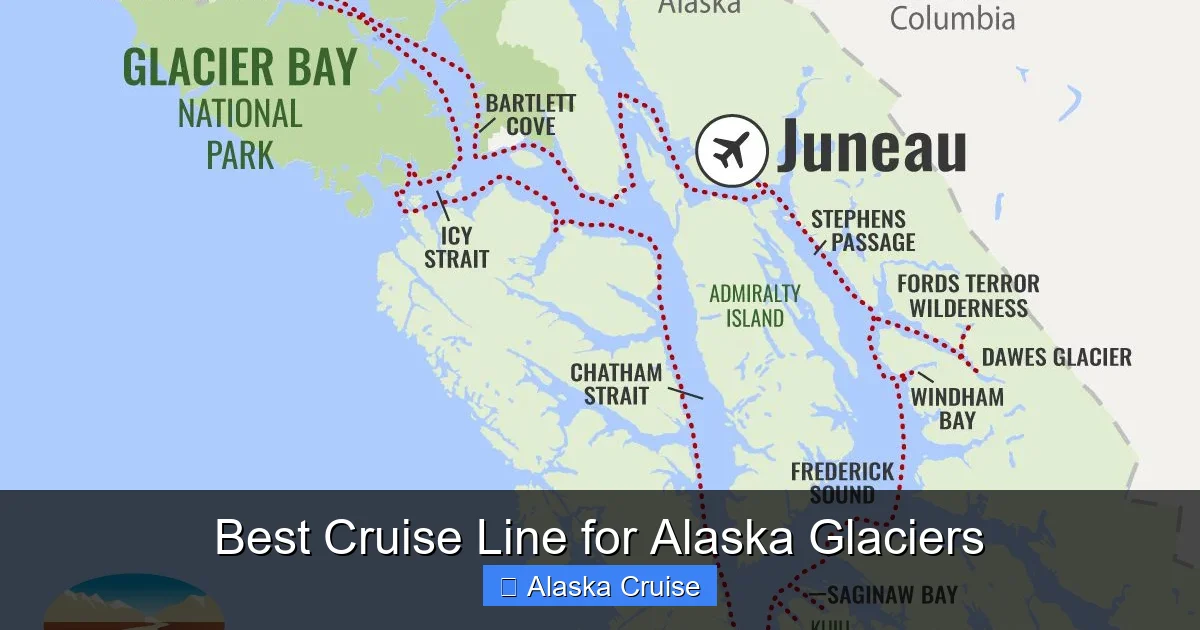
Choosing the best cruise line for Alaska glaciers can make or break your icy adventure. With so many options, it’s essential to pick a cruise that maximizes glacier viewing, offers expert naturalist guides, and delivers comfort and value. This guide breaks down the top contenders so you can sail with confidence and awe.
Key Takeaways
- Glacier proximity matters: Smaller ships can navigate closer to glaciers like Hubbard and Mendenhall, offering better views and photo opportunities.
- Expert-led excursions enhance the experience: Look for cruise lines with onboard naturalists and guided shore tours to deepen your understanding of glacial ecosystems.
- Itinerary length impacts glacier access: Longer cruises (7+ days) often include multiple glacier stops, including remote areas like Glacier Bay National Park.
- Season timing is crucial: Late May to early September offers the best weather and glacier activity, with peak calving in July and August.
- Onboard amenities balance adventure and comfort: Even on rugged Alaskan waters, top cruise lines offer spa services, fine dining, and educational programming.
- Environmental responsibility counts: Choose eco-conscious cruise lines that follow strict sustainability practices to protect Alaska’s fragile wilderness.
- Value isn’t just about price: All-inclusive packages with excursions, drinks, and gratuities often provide better long-term value.
📑 Table of Contents
Why Alaska Glaciers Are a Must-See Natural Wonder
Alaska is home to some of the most dramatic and awe-inspiring glaciers on Earth. From the thunderous calving of Hubbard Glacier to the serene beauty of Mendenhall, these icy giants are not just scenic backdrops—they’re living, breathing parts of a dynamic ecosystem. Every year, millions of travelers flock to Alaska’s coastlines to witness glaciers up close, and for good reason. The experience of standing on a ship’s deck as a chunk of ice the size of a skyscraper crashes into the sea is nothing short of transformative.
But not all glacier experiences are created equal. The right cruise line can mean the difference between a fleeting glimpse and a once-in-a-lifetime encounter. Some ships sail right up to the face of massive tidewater glaciers, while others stay farther out due to size or route limitations. The quality of onboard commentary, the expertise of the crew, and the flexibility of the itinerary all play a role in how deeply you connect with these frozen wonders.
In this guide, we’ll explore the best cruise lines for Alaska glaciers, comparing their strengths, itineraries, and unique offerings. Whether you’re a first-time cruiser or a seasoned adventurer, our goal is to help you choose the perfect voyage for glacier gazing, wildlife spotting, and soaking in the raw beauty of the Last Frontier.
What Makes a Cruise Line Great for Glacier Viewing?
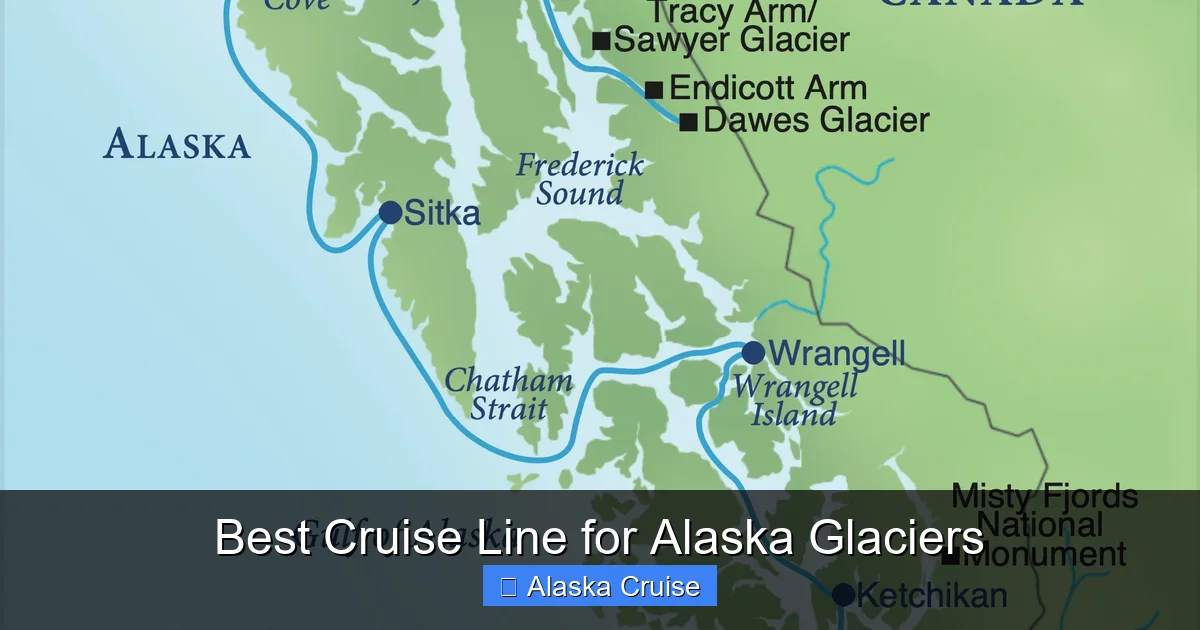
Visual guide about Best Cruise Line for Alaska Glaciers
Image source: tf-cmsv2-journeys-media.s3.amazonaws.com
When it comes to Alaska glaciers, not all cruise ships are built the same. Several key factors determine how well a cruise line delivers on the glacier experience. Let’s break down what to look for.
Ship Size and Maneuverability
Smaller ships—typically under 1,000 passengers—have a distinct advantage when it comes to glacier viewing. Their compact size allows them to navigate narrow fjords and get closer to glacier faces without disturbing the environment. For example, ships like those operated by UnCruise Adventures or Lindblad Expeditions can sail into Tracy Arm or Endicott Arm, where towering walls of ice rise directly from the water.
Larger ships, such as those from Carnival or Royal Caribbean, often have to stay farther out due to draft depth and safety regulations. While they still offer impressive views, especially in areas like Glacier Bay, they can’t get as close. If glacier proximity is your top priority, consider a smaller vessel.
Itinerary Depth and Glacier Stops
The number of glacier stops and the time spent near them can vary widely. A 7-day cruise might include two or three glacier encounters, while a 10-day voyage could feature five or more. Look for itineraries that spend at least a full day in Glacier Bay National Park—a UNESCO World Heritage Site and one of the most glacier-rich areas in Alaska.
Some cruise lines, like Holland America, offer extended stays in key glacier zones, allowing for multiple viewing angles and better chances to witness calving events. Others, like Princess Cruises, include “glacier days” where the ship slows to a crawl near active ice faces, giving passengers ample time to take photos and absorb the moment.
Onboard Expertise and Educational Programming
A great glacier cruise isn’t just about sightseeing—it’s about understanding. The best cruise lines employ marine biologists, geologists, and naturalists who lead lectures, guide deck-side commentary, and answer questions throughout the voyage. These experts explain how glaciers form, why they’re retreating, and what their presence means for the local ecosystem.
For instance, National Geographic and Lindblad Expeditions are known for their science-focused approach. Their ships feature high-tech tools like underwater cameras and hydrophones that let passengers “hear” glacier calving. Meanwhile, major lines like Celebrity Cruises and Norwegian Cruise Line offer daily naturalist talks and interactive exhibits to keep guests engaged.
Shore Excursions and Glacier Access
While ship-based viewing is incredible, nothing beats getting up close on a Zodiac raft or kayak. Many cruise lines offer optional excursions that take you right to the base of glaciers. These include glacier trekking on land-based ice fields (like Mendenhall or Matanuska), dog sledding on glacial ice (weather permitting), and helicopter tours that fly over massive ice formations.
Look for cruise lines that partner with local outfitters for high-quality, small-group tours. Holland America and Princess Cruises, for example, offer well-organized excursions with experienced guides. Smaller lines like UnCruise include many of these activities in their base fare, offering better value for adventure seekers.
Seasonal Timing and Weather Considerations
Timing your cruise correctly can dramatically improve your glacier experience. The Alaska cruise season runs from May to September, but glacier activity peaks in July and August. During these months, warmer temperatures increase calving, meaning more dramatic icefalls and louder, more frequent glacier events.
That said, early season (May to mid-June) offers fewer crowds and lower prices, while late season (September) brings stunning fall colors and better chances to see wildlife like bears and moose. If glacier calving is your main goal, aim for mid-July to mid-August.
Top Cruise Lines for Alaska Glaciers: A Head-to-Head Comparison
Now that we know what to look for, let’s dive into the best cruise lines for Alaska glaciers. Each has its own strengths, so your ideal choice depends on your travel style, budget, and priorities.
1. UnCruise Adventures: Intimate and Immersive
If you’re looking for a truly intimate glacier experience, UnCruise Adventures is hard to beat. With ships carrying only 22 to 86 passengers, UnCruise specializes in small-group, adventure-focused voyages. Their Alaska itineraries often include multiple glacier stops, including remote areas like the rarely visited LeConte Glacier.
What sets UnCruise apart is their all-inclusive model. Shore excursions, kayaking, hiking, and even gratuities are included in the fare. Their guides are passionate locals who share stories about Alaskan culture and wildlife. Plus, their ships are designed for adventure—think Zodiac landings, beach bonfires, and spontaneous whale sightings.
Best for: Travelers who want a hands-on, immersive experience with maximum glacier access.
2. Lindblad Expeditions – National Geographic: Science Meets Adventure
In partnership with National Geographic, Lindblad Expeditions offers some of the most educational and awe-inspiring glacier cruises in Alaska. Their ships, like the National Geographic Orion and Sea Bird, are equipped with cutting-edge technology, including remotely operated vehicles (ROVs) and hydrophones that let you hear underwater glacier activity.
Their itineraries often include multiple days in Glacier Bay and excursions to tidewater glaciers like Johns Hopkins and Margerie. Naturalists and photographers lead daily programs, and guests can participate in citizen science projects. The onboard atmosphere is relaxed but intellectually stimulating—perfect for curious minds.
Best for: Families, photographers, and lifelong learners who want to understand the science behind the scenery.
3. Holland America Line: Classic Comfort with Glacier Focus
Holland America has been cruising Alaska for over 50 years, and their expertise shows. Their ships, like the Nieuw Amsterdam and Westerdam, offer a balance of comfort and adventure. They spend full days in Glacier Bay, often anchoring near active glaciers for optimal viewing.
What makes Holland America stand out is their “Glacier Day” programming. During these days, the ship slows down, and the crew turns off non-essential systems to reduce noise, allowing passengers to fully immerse in the experience. Naturalists provide live commentary, and the ship’s captain often maneuvers for the best angles.
They also offer excellent shore excursions, including glacier hikes, whale watching, and cultural tours in ports like Juneau and Ketchikan. Their mid-sized ships (around 1,400 passengers) strike a good balance between intimacy and onboard amenities.
Best for: Couples and families seeking a traditional cruise experience with strong glacier access.
4. Princess Cruises: Scenic Rail and Glacier Combos
Princess Cruises is known for its “Land and Sea” packages, which combine a cruise with a land tour via the scenic Alaska Railroad. This allows you to see glaciers from multiple perspectives—by sea, by rail, and even by air on optional helicopter tours.
Their ships, like the Grand Princess and Ruby Princess, spend significant time in Glacier Bay and often include stops at Hubbard Glacier, one of the most active and impressive in Alaska. Princess also offers “Discovery at Sea” programs with naturalists and interactive exhibits.
One unique feature is their “Wake Viewing” policy—ships slow down and sometimes reverse course to give passengers better views of calving glaciers. They also offer Glacier Bay permits, which are limited and highly sought after.
Best for: Travelers who want a full Alaska experience, including inland adventures and glacier viewing.
5. Celebrity Cruises: Modern Luxury with Glacier Access
Celebrity Cruises brings a modern, upscale vibe to Alaska glacier cruising. Their Edge-class ships, like the Celebrity Edge, feature innovative design elements like the Magic Carpet—a moving platform that serves as a tender launch point and ocean-view restaurant.
While their ships are larger (up to 2,900 passengers), they still offer strong glacier itineraries, including multiple stops in Glacier Bay and Hubbard Glacier. Celebrity’s “Destination Immersion” program includes expert-led talks, local cuisine, and cultural performances.
They also offer unique experiences like “Glacier Viewing from the Sky” via optional helicopter tours and “Alaska by Rail” extensions. The onboard experience is sleek and comfortable, with spacious staterooms and fine dining options.
Best for: Luxury travelers who want modern amenities without sacrificing glacier access.
6. Norwegian Cruise Line: Freestyle Cruising with Flexibility
Norwegian Cruise Line (NCL) offers a more casual, flexible approach to Alaska cruising. Their “Freestyle Cruising” model means no fixed dining times or dress codes—perfect for travelers who want to relax and go with the flow.
Their ships, like the Norwegian Bliss and Encore, are among the largest in Alaska, but they still deliver solid glacier experiences. They spend full days in Glacier Bay and often include Hubbard Glacier on their itineraries. NCL also offers a wide range of shore excursions, from dog sledding to flightseeing.
One advantage is their “Free at Sea” promotion, which includes perks like free drinks, specialty dining, and shore excursion credits—great for budget-conscious travelers.
Best for: Families and first-time cruisers who want flexibility and value.
Best Itineraries for Glacier Viewing
Not all Alaska cruise itineraries are created equal when it comes to glaciers. Here are some of the top routes that maximize glacier encounters.
Inside Passage to Glacier Bay (7 Days)
This classic route departs from Seattle or Vancouver and travels north through the Inside Passage, with stops in Ketchikan, Juneau, Skagway, and Glacier Bay. It’s ideal for first-time cruisers and offers a mix of culture, wildlife, and glacier viewing.
Most ships spend a full day in Glacier Bay, often anchoring near Margerie and Lamplugh Glaciers. Some itineraries also include a stop at Tracy Arm for a closer look at the Sawyer Glaciers.
Roundtrip from Seattle or Vancouver (7–10 Days)
These itineraries often include more glacier stops than one-way cruises, as ships can take different routes out and back. For example, a 10-day roundtrip might include both Glacier Bay and Hubbard Glacier, plus a visit to the rarely seen LeConte Glacier.
One-Way Gulf of Alaska (9–12 Days)
These longer cruises travel between Seattle/Vancouver and Seward or Whittier (near Anchorage). They often include multiple glacier zones, including Glacier Bay, Hubbard Glacier, and College Fjord, which features over a dozen glaciers in one location.
This route is perfect for travelers who want to combine a cruise with a land tour in Denali or Anchorage.
Small Ship Expeditions (7–14 Days)
Lines like UnCruise and Lindblad offer extended itineraries that venture into remote areas like the Tongass National Forest, the Stikine River, and the rarely visited glaciers of the Alexander Archipelago. These trips are more expensive but offer unparalleled access and adventure.
Tips for Maximizing Your Glacier Experience
No matter which cruise line you choose, these tips will help you get the most out of your Alaska glacier adventure.
Book Early for the Best Itineraries
Glacier Bay permits are limited, and the best ships fill up fast—especially small vessels. Book at least 12 months in advance for peak season (July–August) to secure your preferred itinerary and cabin.
Pack for All Weather
Even in summer, Alaska can be chilly and wet. Bring layers, a waterproof jacket, warm gloves, and non-slip shoes. Binoculars are also essential for spotting wildlife and distant glacier activity.
Be Ready for Early Mornings
Glacier days often start early, with ships arriving at key sites at sunrise. Set your alarm—you won’t want to miss the first light hitting the ice.
Use the Ship’s Resources
Take advantage of naturalist talks, deck-side commentary, and onboard apps that track glacier locations. Many ships also offer live streaming from the bridge during glacier approaches.
Respect the Environment
Stay quiet during glacier viewing to avoid disturbing wildlife. Never throw anything overboard, and follow all guidelines during shore excursions to protect fragile ecosystems.
Conclusion: Choosing Your Perfect Glacier Cruise
Choosing the best cruise line for Alaska glaciers ultimately comes down to your travel style and priorities. If you crave intimacy and adventure, UnCruise or Lindblad might be your ideal match. For a balance of comfort and glacier access, Holland America and Princess Cruises are excellent choices. If luxury and modern amenities are key, Celebrity Cruises delivers. And for flexibility and value, Norwegian Cruise Line is a solid pick.
No matter which line you choose, an Alaska glacier cruise is a journey you’ll never forget. The sight of ancient ice calving into the sea, the sound of silence broken only by nature, and the feeling of standing at the edge of the world—these are the moments that define a great adventure.
So pack your bags, bring your camera, and get ready to witness one of Earth’s most powerful natural wonders. The glaciers are waiting.
Frequently Asked Questions
Which cruise line gets closest to Alaska glaciers?
Small ship operators like UnCruise Adventures and Lindblad Expeditions get the closest to Alaska glaciers due to their maneuverability and access to narrow fjords. Their vessels can sail right up to tidewater glaciers like Hubbard and Margerie.
What is the best time of year to see glaciers in Alaska?
The best time is from mid-July to mid-August, when warmer temperatures increase glacier calving. However, May to June offers fewer crowds, and September brings fall colors and wildlife sightings.
Do all Alaska cruises visit Glacier Bay National Park?
No, only select cruise lines and itineraries include Glacier Bay due to limited permits. Holland America, Princess, and Celebrity often have access, but smaller ships may visit alternative glacier zones like Tracy Arm or College Fjord.
Are glacier viewing excursions included in the cruise fare?
It depends on the cruise line. UnCruise and Lindblad include most excursions in their fare, while major lines like Norwegian and Celebrity offer them as paid add-ons. Always check what’s included before booking.
Can you walk on glaciers during an Alaska cruise?
Yes, but only on land-based glaciers like Mendenhall or Matanuska via guided shore excursions. Tidewater glaciers are too dangerous to approach on foot, so ship-based viewing or kayaking is the safest option.
What should I bring for glacier viewing on a cruise?
Bring warm, waterproof clothing, binoculars, a camera with extra batteries, and non-slip shoes. Layers are essential, as temperatures can drop significantly near glaciers, even in summer.