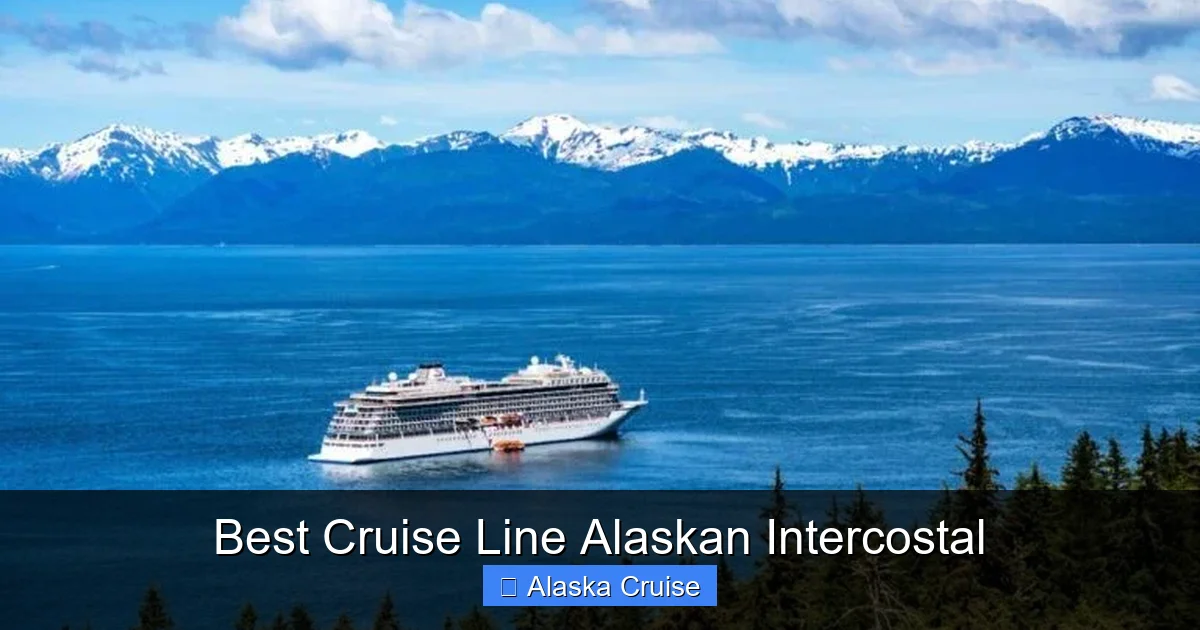
Choosing the best cruise line for an Alaskan intercoastal voyage means balancing scenic views, onboard comfort, and immersive shore excursions. From intimate ships that glide into hidden coves to luxury liners with gourmet dining, the right cruise can turn your Alaska dream into reality.
Key Takeaways
- Smaller ships offer better access: Lines like UnCruise and Lindblad Expeditions navigate narrow channels and remote inlets larger ships can’t reach.
- Scenic views are everything: Opt for a cruise with panoramic lounges, open decks, and forward-facing cabins for uninterrupted glacier and wildlife viewing.
- Expert naturalists enhance the experience: Look for cruise lines that include onboard naturalists and biologists who provide daily lectures and guide excursions.
- Flexible itineraries matter: Weather and wildlife sightings can change plans—choose a line that adapts rather than sticks rigidly to a schedule.
- Shore excursions define the trip: The best Alaskan intercoastal cruises offer a mix of kayaking, hiking, whale watching, and cultural tours with local guides.
- Season timing impacts scenery: May to September offers milder weather, but June and July provide peak wildlife activity and longer daylight hours.
- Sustainability is growing in importance: Eco-conscious travelers should consider lines with strong environmental policies and low-impact practices.
📑 Table of Contents
- Why the Alaskan Intercoastal Route Is a Bucket-List Adventure
- What Makes a Cruise Line the “Best” for Alaskan Intercoastal Travel
- Top Cruise Lines for Alaskan Intercoastal Voyages
- What to Expect on an Alaskan Intercoastal Cruise
- Tips for Choosing the Right Cruise Line for You
- When to Go: Timing Your Alaskan Intercoastal Cruise
- Sustainable Cruising in Alaska: What to Look For
- Final Thoughts: Why an Alaskan Intercoastal Cruise Is Worth It
Why the Alaskan Intercoastal Route Is a Bucket-List Adventure
Imagine gliding through icy blue waters, surrounded by snow-capped peaks and dense evergreen forests. Towering glaciers calve into the sea with a thunderous crack, while bald eagles soar overhead and humpback whales breach just yards from your ship. This isn’t a scene from a nature documentary—it’s the reality of an Alaskan intercoastal cruise.
The Alaskan Inside Passage, often referred to as the intercoastal waterway, is a stunning network of fjords, inlets, and coastal channels stretching from Seattle or Vancouver up through British Columbia and into southeastern Alaska. Unlike open-ocean cruises, intercoastal voyages hug the coastline, offering passengers up-close views of dramatic landscapes, remote communities, and abundant wildlife. These routes are especially magical because they allow ships to navigate narrow passages, stop at secluded bays, and provide access to areas that larger vessels simply can’t reach.
What makes the intercoastal experience truly unique is the sense of intimacy and immersion. You’re not just passing by Alaska—you’re traveling through it. The rhythm of the journey slows down. Mornings begin with the sound of waves lapping against the hull, and evenings are spent watching the sun dip behind misty mountains. Whether you’re sipping coffee on your private balcony or joining a guided kayak tour through a quiet cove, every moment feels intentional and awe-inspiring.
What Makes a Cruise Line the “Best” for Alaskan Intercoastal Travel
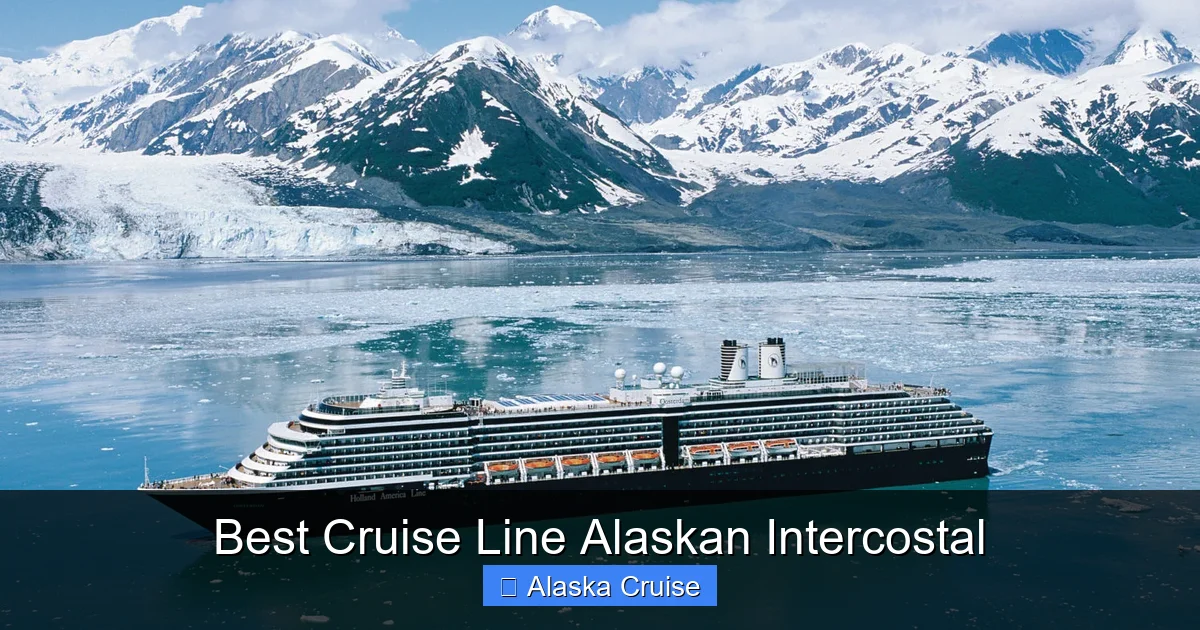
Visual guide about Best Cruise Line Alaskan Intercostal
Image source: cruisefever.net
With so many cruise lines offering Alaska itineraries, it’s easy to feel overwhelmed. But not all cruises are created equal—especially when it comes to the intercoastal route. The best cruise line for an Alaskan intercoastal journey isn’t necessarily the biggest or the most luxurious. Instead, it’s the one that prioritizes scenic access, expert guidance, and authentic experiences.
First and foremost, ship size plays a critical role. Larger cruise ships, while offering more amenities like multiple dining venues and Broadway-style shows, often can’t navigate the narrower channels of the Inside Passage. They’re limited to major ports like Juneau, Ketchikan, and Skagway, missing out on the hidden gems in between. In contrast, smaller ships—some with fewer than 100 passengers—can sail into remote inlets, anchor near glaciers, and offer Zodiac landings in untouched wilderness.
Another key factor is the presence of onboard experts. The best Alaskan intercoastal cruises include naturalists, marine biologists, and cultural historians who enrich the journey with daily lectures, wildlife spotting tips, and insights into local ecosystems. These experts often lead shore excursions, ensuring that every hike, kayak trip, or whale-watching outing is both educational and unforgettable.
Flexibility is also essential. Alaska’s weather can be unpredictable, and wildlife doesn’t follow a schedule. The top cruise lines build flexibility into their itineraries, allowing them to linger near a calving glacier or reroute to follow a pod of orcas. This adaptability turns a good trip into a great one.
Finally, sustainability and respect for local communities matter more than ever. The best cruise lines partner with Indigenous groups, support conservation efforts, and follow strict environmental guidelines to minimize their impact on this fragile ecosystem.
Top Cruise Lines for Alaskan Intercoastal Voyages
When it comes to choosing the best cruise line for an Alaskan intercoastal adventure, a few names consistently rise to the top. Each offers a unique blend of scenic access, expert-led excursions, and immersive experiences. Here’s a closer look at the leaders in this niche.
UnCruise Adventures: Intimate and Adventure-Focused
If you’re looking for a truly intimate and adventurous Alaskan intercoastal experience, UnCruise Adventures is hard to beat. With ships carrying between 22 and 86 passengers, UnCruise specializes in small-ship expeditions that prioritize exploration over entertainment. Their itineraries often include remote stops like Glacier Bay, Tracy Arm Fjord, and the Tongass National Forest.
What sets UnCruise apart is their focus on active adventures. Guests can kayak alongside sea lions, hike through old-growth forests, and even go paddleboarding in protected coves. Each ship includes a team of naturalists and adventure guides who lead daily excursions and provide in-depth commentary on the region’s ecology and history. The onboard experience is casual and welcoming, with family-style meals and open seating that encourages conversation and connection.
UnCruise also stands out for its commitment to sustainability. They follow strict “leave no trace” policies, use eco-friendly cleaning products, and support local conservation projects. For travelers who want to experience Alaska up close—without the crowds—UnCruise is a top choice.
Lindblad Expeditions: National Geographic Partnership
Lindblad Expeditions, in partnership with National Geographic, offers a premium intercoastal experience that blends luxury with exploration. Their fleet includes ships like the National Geographic Sea Lion and National Geographic Quest, which are designed for shallow drafts and close-to-shore navigation.
One of the biggest advantages of a Lindblad cruise is access to National Geographic photographers and scientists who join select voyages. These experts lead photography workshops, conduct research, and share behind-the-scenes stories about Alaska’s wildlife and landscapes. The ships feature large viewing windows, open decks, and even hydrophones to listen to whale songs beneath the surface.
Lindblad’s itineraries often include visits to UNESCO World Heritage sites like Glacier Bay National Park, where rangers come aboard to share insights. Shore excursions range from guided hikes and Zodiac cruises to cultural visits with Tlingit communities. While the price point is higher than mainstream cruises, the level of expertise and access justifies the cost for many travelers.
Hurtigruten (HX): Sustainable and Authentic
Hurtigruten, now rebranded as HX (Hurtigruten Expeditions), has long been a leader in sustainable expedition cruising. Their Alaskan intercoastal voyages emphasize environmental responsibility, cultural authenticity, and scientific exploration.
HX ships are designed for polar and subpolar regions, with reinforced hulls and advanced navigation systems that allow them to safely explore icy waters. They offer itineraries that include stops in Sitka, Wrangell, and the rarely visited Prince of Wales Island. One of their standout features is the Science Center onboard, where guests can participate in citizen science projects like plankton sampling and bird counts.
HX also partners with local communities to offer authentic cultural experiences, such as traditional Tlingit dance performances and storytelling sessions. Their commitment to sustainability includes a ban on single-use plastics, carbon offset programs, and partnerships with organizations like the World Wildlife Fund.
Princess Cruises: Balanced Comfort and Scenic Access
For travelers who want a mix of comfort and scenic beauty, Princess Cruises offers a compelling option. While their ships are larger than those of UnCruise or Lindblad, Princess has invested in ships like the Discovery Princess and Enchanted Princess, which are designed with Alaska in mind.
One of Princess’s signature features is the “Maiden’s Tower” viewing platform—a glass-enclosed lounge at the front of the ship that offers 270-degree views of glaciers and wildlife. They also offer the “North to Alaska” program, which includes enhanced shore excursions, local cuisine, and cultural performances.
Princess Cruises excels in providing a balanced experience: you get the amenities of a larger ship—multiple dining options, live entertainment, and spacious cabins—while still enjoying access to key intercoastal destinations. Their “cruise tour” packages, which combine a cruise with land-based excursions in Denali National Park, are especially popular.
Holland America Line: Classic Elegance and Expertise
Holland America Line has been cruising Alaska for over 70 years, and their experience shows. Their mid-sized ships, like the Nieuw Amsterdam and Koningsdam, are well-suited for intercoastal travel, offering a blend of elegance and practicality.
What makes Holland America stand out is their team of onboard experts. Each ship includes a park ranger from Glacier Bay National Park, who provides daily lectures and leads guided walks. They also offer the “Explorations Central” program, which features local speakers, cooking demonstrations, and cultural performances.
Holland America’s itineraries often include scenic cruising through the Tracy Arm and Endicott Fjords, with narration from the bridge. Their shore excursions are well-organized and varied, ranging from dog sledding on a glacier to salmon baking demonstrations in local villages.
What to Expect on an Alaskan Intercoastal Cruise
So, what does a typical day look like on the best Alaskan intercoastal cruise? While each line offers a slightly different experience, there are some common elements that define this unique style of travel.
Mornings often begin with a wake-up call from the captain announcing a nearby glacier or pod of whales. After a hearty breakfast—think fresh salmon benedict or Alaska sourdough pancakes—guests head to the deck for wildlife spotting. Binoculars in hand, you might spot sea otters floating on their backs, harbor seals lounging on ice floes, or a black bear foraging along the shoreline.
Mid-morning usually brings a shore excursion. Depending on the day’s plan, you might kayak through a quiet lagoon, hike to a waterfall, or take a Zodiac cruise to a glacier’s edge. Many lines offer multiple excursion options, so you can choose based on your activity level and interests.
Back on board, lunch is often a casual affair, with buffets featuring local ingredients like halibut, Dungeness crab, and wild berries. Afternoons might include a lecture from a naturalist, a cooking demo, or simply relaxing on the deck with a book and a hot cocoa.
Evenings are a time to unwind and reflect. Dinner is typically a more formal affair, with multi-course meals and regional wines. Afterward, you might attend a cultural performance, stargaze from the deck, or join a guided night walk to listen for owls and other nocturnal wildlife.
One of the most magical aspects of an intercoastal cruise is the sense of rhythm and connection. You’re not rushing from one port to the next—you’re moving with the tides, the weather, and the wildlife. It’s a slower, more intentional way to travel, and it allows you to truly absorb the beauty and majesty of Alaska.
Tips for Choosing the Right Cruise Line for You
With so many options, how do you choose the best cruise line for your Alaskan intercoastal adventure? Here are some practical tips to help you decide.
First, consider your travel style. Are you looking for a luxury experience with fine dining and spa services? Or do you prefer a more rugged, adventure-focused trip with hiking and kayaking? Your answer will help narrow down your options.
Next, think about group size. If you’re traveling with family or a large group, a mid-sized ship like those from Princess or Holland America might offer more amenities and cabin options. If you’re seeking solitude and intimacy, a small ship from UnCruise or Lindblad could be ideal.
Budget is another important factor. Smaller expedition ships tend to be more expensive per night, but they often include more in the base price—like excursions, beverages, and gratuities. Larger lines may have lower nightly rates but charge extra for many activities and services.
Don’t forget to check the itinerary details. Look for cruises that spend multiple days in key areas like Glacier Bay and Tracy Arm, and that include a mix of scenic cruising and port stops. Also, consider the timing—early season (May) offers fewer crowds and lower prices, while peak season (July) provides the best weather and wildlife activity.
Finally, read reviews from past passengers. Websites like Cruise Critic and TripAdvisor offer honest insights into everything from cabin comfort to excursion quality. Pay attention to comments about the crew, food, and overall experience.
When to Go: Timing Your Alaskan Intercoastal Cruise
The timing of your cruise can significantly impact your experience. The Alaskan cruise season typically runs from May to September, with each month offering its own unique advantages.
May is the start of the season, with fewer crowds and lower prices. The weather is cooler, and some excursions may be limited, but you’ll have a better chance of seeing newborn wildlife, including bear cubs and seal pups. The landscapes are lush and green, and the days are getting longer.
June and July are peak months, with the warmest weather and longest daylight hours—up to 18 hours of sun in some areas. This is the best time for wildlife viewing, with whales, bears, and birds all highly active. However, it’s also the busiest time, so expect more passengers and higher prices.
August offers a balance of good weather and fewer crowds. The salmon runs are in full swing, and you might see bears fishing at river mouths. The foliage begins to change, adding golden hues to the scenery.
September is the tail end of the season, with cooler temperatures and the possibility of rain. But it’s also a magical time, with fewer tourists, lower prices, and the chance to see the northern lights in the northern parts of the route. Wildlife is still active, and the autumn colors are stunning.
Ultimately, the best time to go depends on your priorities. If you want the best weather and wildlife, aim for June or July. If you prefer solitude and lower costs, consider May or September.
Sustainable Cruising in Alaska: What to Look For
As awareness of environmental issues grows, more travelers are seeking sustainable cruise options. Alaska’s pristine ecosystems are particularly vulnerable to pollution and over-tourism, so choosing an eco-conscious cruise line is more important than ever.
Look for lines that follow strict environmental guidelines, such as treating all wastewater, minimizing single-use plastics, and using low-emission engines. Some companies, like HX and UnCruise, go further by partnering with conservation organizations and supporting local communities.
Another sign of a sustainable cruise line is their approach to wildlife viewing. The best operators maintain a respectful distance from animals, avoid disturbing nesting sites, and educate passengers on responsible behavior.
You can also support sustainability by choosing shore excursions that benefit local economies, such as tours led by Indigenous guides or visits to community-run cultural centers. Avoid activities that exploit animals, like swimming with captive whales or riding elephants (though the latter isn’t common in Alaska, it’s a good general rule).
Finally, consider offsetting your carbon footprint by contributing to reforestation or clean energy projects. Many cruise lines offer carbon offset programs, or you can donate to organizations like the Alaska Conservation Foundation.
Final Thoughts: Why an Alaskan Intercoastal Cruise Is Worth It
An Alaskan intercoastal cruise isn’t just a vacation—it’s a journey into one of the world’s last great wildernesses. Whether you’re marveling at a towering glacier, spotting a pod of orcas, or learning about Tlingit culture from a local elder, every moment feels meaningful and memorable.
The best cruise line for your trip will depend on your preferences, budget, and travel style. But no matter which one you choose, you’re in for an experience that will stay with you long after you’ve returned home. From the breathtaking scenery to the expert guidance and authentic encounters, an intercoastal cruise offers a deeper, more immersive way to explore Alaska.
So pack your binoculars, grab your camera, and get ready to sail into the wild heart of the Last Frontier. The adventure of a lifetime awaits.
Frequently Asked Questions
What is the Alaskan intercoastal route?
The Alaskan intercoastal route, also known as the Inside Passage, is a scenic waterway that runs along the Pacific coast from Washington State through British Columbia and into southeastern Alaska. It features fjords, inlets, and coastal channels, offering close-up views of glaciers, wildlife, and remote communities.
Which cruise line is best for small-ship Alaska cruises?
UnCruise Adventures and Lindblad Expeditions are top choices for small-ship Alaska cruises. Both offer intimate vessels, expert naturalists, and access to remote areas that larger ships can’t reach.
Do I need to book shore excursions in advance?
Yes, it’s highly recommended—especially on smaller ships where space is limited. Popular excursions like glacier hikes and whale watching often fill up quickly, so booking early ensures you get your top choices.
What should I pack for an Alaskan intercoastal cruise?
Pack layers, including waterproof jackets, warm fleeces, and sturdy hiking shoes. Don’t forget binoculars, a camera, sunscreen, and motion sickness remedies. Even in summer, temperatures can be cool, especially on deck.
Are Alaskan cruises family-friendly?
Yes, many cruise lines offer family-friendly programs, including kids’ clubs, educational activities, and age-appropriate excursions. Princess and Holland America are particularly known for their family offerings.
Can I see the northern lights on an Alaska cruise?
It’s possible, especially on late-season cruises in September. However, sightings are not guaranteed and depend on solar activity and clear skies. Cruises further north, like those visiting the Arctic Circle, offer better chances.