Planning an Alaska cruise? The best cruise itinerary for Alaska balances glacier viewing, wildlife spotting, and cultural experiences across 7–10 days. This guide covers top routes, must-visit ports, and insider tips to help you choose the perfect voyage for your dream Alaskan adventure.
Dreaming of towering glaciers, breaching whales, and rugged mountain backdrops? An Alaska cruise might just be the adventure of a lifetime. But with so many cruise lines, ships, and itineraries to choose from, how do you pick the best cruise itinerary for Alaska? Whether you’re a first-time cruiser or a seasoned traveler, this guide will help you navigate the icy waters of decision-making and find the perfect voyage.
Alaska isn’t just a destination—it’s an experience. From the misty fjords of the Inside Passage to the thunderous calving of glaciers in Tracy Arm, every moment feels like a scene from a nature documentary. But not all Alaska cruises are created equal. Some focus on wildlife, others on history, and a few on luxury. The best cruise itinerary for Alaska is one that matches your travel style, timing, and interests. In this article, we’ll break down the top routes, highlight must-see stops, and share insider tips to help you plan a trip you’ll never forget.
Key Takeaways
- 7- to 10-day itineraries offer the best balance: These trips provide enough time to experience major glaciers, wildlife, and ports without feeling rushed.
- Glacier Bay National Park is a must: A UNESCO World Heritage Site, it’s one of the most spectacular glacier viewing areas in Alaska.
- Inside Passage routes are ideal for first-timers: These coastal journeys offer calm waters, stunning scenery, and frequent wildlife sightings.
- Port stops matter as much as sea days: Towns like Juneau, Ketchikan, and Skagway offer unique cultural and adventure experiences.
- Timing impacts your experience: May to September is the peak season, with May and September offering fewer crowds and lower prices.
- Choose your homeport wisely: Seattle, Vancouver, and Seward each offer different route options and access to unique destinations.
- Pack for variable weather: Layers, waterproof gear, and binoculars are essential for comfort and enjoyment.
📑 Table of Contents
Why Alaska Cruises Are Worth It
Alaska is one of the last true wilderness frontiers, and a cruise is one of the most comfortable and scenic ways to explore it. Unlike road trips or fly-in adventures, a cruise lets you wake up in a new port each morning with your accommodations, meals, and entertainment already taken care of. You get to see vast stretches of coastline, remote islands, and dramatic landscapes—all from the comfort of a floating hotel.
But beyond convenience, Alaska cruises offer unparalleled access to nature. You’ll sail past glaciers that are thousands of years old, spot humpback whales feeding in icy waters, and maybe even catch a glimpse of a brown bear foraging along the shore. The region is also rich in Indigenous culture and Gold Rush history, offering a blend of natural wonder and human story.
What makes the best cruise itinerary for Alaska stand out is how it balances these elements. The ideal trip includes a mix of sea days for wildlife and glacier viewing, port stops for cultural immersion, and enough downtime to soak it all in. Whether you’re traveling with family, as a couple, or solo, Alaska’s raw beauty and sense of adventure are universally appealing.
Top Alaska Cruise Itineraries Compared
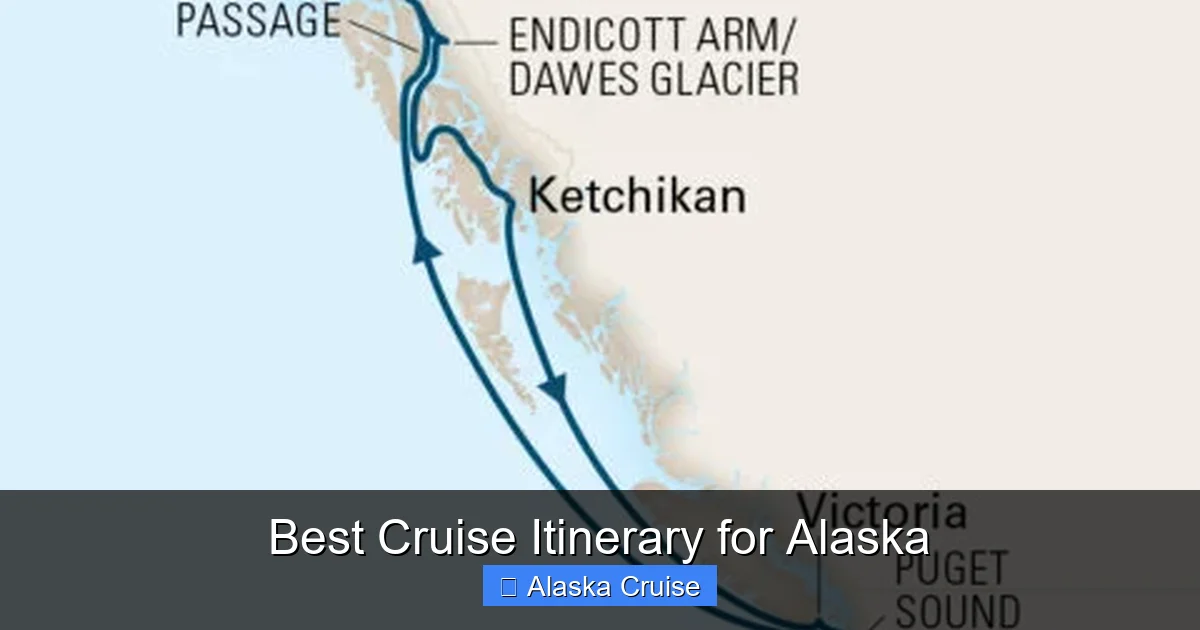
Visual guide about Best Cruise Itinerary for Alaska
Image source: cdn.myvacaya.com
When it comes to choosing the best cruise itinerary for Alaska, most travelers opt for one of three main route types: Inside Passage, Gulf of Alaska (also known as Glacier Route), or roundtrip voyages. Each offers a unique experience, so let’s break them down.
Inside Passage Itineraries (Roundtrip from Seattle or Vancouver)
The Inside Passage is the classic Alaska cruise route, and for good reason. These itineraries typically run 7 days and sail roundtrip from Seattle or Vancouver, making them convenient for U.S. and Canadian travelers. You’ll hug the coastline, passing through narrow channels, lush rainforests, and charming coastal towns.
Popular ports include:
– Ketchikan: Known as the “Salmon Capital of the World,” this town offers rainforest hikes, totem pole parks, and Native cultural centers.
– Juneau: Alaska’s capital, accessible only by boat or plane, Juneau is a gateway to Mendenhall Glacier and whale-watching tours.
– Skagway: A Gold Rush-era town with wooden boardwalks and the scenic White Pass & Yukon Route railway.
These cruises often include a day at sea with glacier viewing in Tracy Arm or Endicott Arm, where you might see towering ice walls and playful harbor seals. The calm waters and frequent wildlife sightings make this route ideal for families and first-time cruisers.
Gulf of Alaska Itineraries (One-Way Between Vancouver and Seward/Whittier)
For a more immersive experience, consider a one-way Gulf of Alaska cruise. These 7- to 10-day itineraries sail between Vancouver and Seward (near Anchorage) or Whittier, offering a deeper dive into Alaska’s wild side. You’ll spend more time in remote areas, with longer sea days and access to iconic national parks.
Key highlights include:
– Glacier Bay National Park: A UNESCO World Heritage Site, this park is home to massive tidewater glaciers and abundant marine life. Most ships spend a full day here, with park rangers joining onboard to share insights.
– Icy Strait Point: A private destination near Hoonah, offering zip-lining, bear viewing, and cultural performances by the Tlingit people.
– Hubbard Glacier: One of the largest tidewater glaciers in North America, it’s a dramatic finale to many Gulf routes.
These itineraries are perfect for travelers who want to see more of Alaska’s interior and don’t mind a one-way trip. You’ll fly in or out of Anchorage, adding a land component to your adventure.
Roundtrip from Seattle or Vancouver (Extended 9- to 12-Day Options)
Some cruise lines offer extended roundtrip itineraries that go beyond the standard Inside Passage. These 9- to 12-day cruises often include additional stops like Sitka (a historic Russian-influenced town), Haines (a quiet arts and adventure hub), or even a visit to Prince Rupert in British Columbia.
These longer trips are ideal for travelers who want a more comprehensive experience without the hassle of a one-way journey. You’ll still enjoy glacier viewing, wildlife, and cultural stops, but with more time to explore each destination.
Best Time to Cruise Alaska
Timing is everything when it comes to the best cruise itinerary for Alaska. The cruise season runs from May to September, but each month offers a different experience.
May and Early June: Shoulder Season Advantages
Traveling in May or early June means fewer crowds, lower prices, and a sense of being among the first to witness summer’s arrival. The weather is cooler, but the landscapes are lush and green. Wildlife is active, and you might see newborn animals. However, some shore excursions may have limited availability, and daylight hours are increasing rapidly.
July and August: Peak Season
These are the busiest months, with the warmest weather and the most daylight—up to 18 hours of sun in Juneau. It’s the best time for hiking, kayaking, and outdoor adventures. However, popular excursions book up quickly, and ports can feel crowded. If you’re looking for the full Alaska experience with maximum activity, this is the time to go.
September: Fall Colors and Fewer Crowds
September offers a quieter, more intimate experience. The weather is still mild, and the fall colors in the Tongass National Forest are stunning. Wildlife is still active, and you’ll have a better chance of spotting bears near rivers feeding on salmon. Prices drop significantly, and many travelers consider this the sweet spot for an Alaska cruise.
Must-Visit Ports and Experiences
The best cruise itinerary for Alaska isn’t just about the ship—it’s about the ports. Each stop offers something unique, from history and culture to adventure and wildlife. Here are the top ports and what to do there.
Juneau: The Capital of Adventure
As Alaska’s capital, Juneau is a must-visit. Accessible only by boat or plane, it feels like a true frontier town. Don’t miss:
– Mendenhall Glacier: A 13-mile-long glacier just 12 miles from downtown. Walk the trails, visit the visitor center, or take a guided glacier trek.
– Whale Watching: Juneau is one of the best places in the world to see humpback whales. Tours often include orcas, sea lions, and porpoises.
– Mount Roberts Tramway: Ride the tram up for panoramic views and hiking trails through temperate rainforest.
Ketchikan: Rainforest and Culture
Known for its totem poles and salmon, Ketchikan is a cultural hub. Highlights include:
– Totem Bight State Historical Park: See restored totem poles and learn about Tlingit, Haida, and Tsimshian traditions.
– Creek Street: A historic boardwalk built over a creek, once home to brothels during the Gold Rush.
– Rainforest Canopy Tours: Zip-line through old-growth forest or take a guided nature walk.
Skagway: Gold Rush Charm
Step back in time in Skagway, where wooden sidewalks and historic buildings transport you to the 1898 Gold Rush. Don’t miss:
– White Pass & Yukon Route Railway: A scenic train ride through steep cliffs and mountain tunnels.
– Gold Rush Museum: Learn about the stampeders who braved the Chilkoot Trail.
– Hiking and Biking: Trails like the Dewey Lake Trail offer stunning views and wildlife sightings.
Glacier Bay National Park: A Natural Wonder
While not a port, Glacier Bay is a highlight of many itineraries. Spend a full day cruising through this pristine wilderness, where glaciers calve into the sea and whales feed in the icy waters. Park rangers provide commentary, and the silence—broken only by the crack of ice—is unforgettable.
Icy Strait Point: Adventure and Culture
This private destination near Hoonah offers a mix of thrills and tradition. Try the world’s longest zip-line, watch brown bears from a viewing platform, or enjoy a traditional Tlingit dance performance.
Choosing the Right Cruise Line and Ship
Not all ships are created equal. The best cruise itinerary for Alaska depends on the cruise line, ship size, and onboard experience. Here’s how to choose.
Large Ships (Royal Caribbean, Norwegian, Carnival)
These ships offer more amenities—multiple dining options, Broadway-style shows, water parks, and kids’ clubs. They’re great for families and first-time cruisers. However, larger ships can’t enter some narrow channels or Glacier Bay, so they may offer alternative glacier viewing in Tracy Arm.
Mid-Sized Ships (Holland America, Princess, Celebrity)
These ships strike a balance between comfort and access. They’re small enough to enter Glacier Bay and offer a more refined experience with enrichment programs, cooking demos, and expert naturalists. Ideal for couples and travelers who want a mix of relaxation and learning.
Small Ships (UnCruise Adventures, Lindblad Expeditions, American Queen Voyages)
For an intimate, adventure-focused experience, small ships are the way to go. With fewer than 200 passengers, they can access remote bays, offer kayaking and hiking excursions, and provide expert-led wildlife tours. Perfect for active travelers and nature lovers.
Packing Tips and What to Expect
Alaska’s weather is unpredictable, so packing smart is key. Even in summer, temperatures can range from 40°F to 70°F. Here’s what to bring:
– Layered clothing: Base layers, fleece, and a waterproof jacket.
– Waterproof footwear: For shore excursions and wet docks.
– Binoculars: Essential for spotting wildlife from the deck.
– Sunscreen and sunglasses: The sun reflects off snow and water.
– Camera with zoom lens: You’ll want to capture every glacier and whale.
Onboard, expect a mix of casual and semi-formal dining, daily enrichment talks, and evening entertainment. Most ships offer free Wi-Fi (though it can be slow), and shore excursions range from $50 to $300 depending on the activity.
Insider Tips for the Best Experience
– Book early: Popular itineraries and excursions sell out months in advance.
– Choose a balcony cabin: The views are worth it, especially on glacier days.
– Download offline maps: Cell service is limited in many ports.
– Bring cash: Some small vendors and tips aren’t card-friendly.
– Be flexible: Weather can alter itineraries, but cruise lines are experts at adapting.
The best cruise itinerary for Alaska is one that matches your pace, interests, and budget. Whether you’re marveling at a calving glacier, hiking through a rainforest, or sipping coffee while watching whales, Alaska will leave you in awe.
Frequently Asked Questions
What is the best month to cruise Alaska?
The best month depends on your preferences. July and August offer the warmest weather and most activities, while May and September provide fewer crowds and lower prices. September is especially beautiful with fall colors and active wildlife.
How many days should an Alaska cruise be?
A 7- to 10-day cruise is ideal. Seven days covers the highlights, while 9–10 days allow for more ports, glacier viewing, and a more relaxed pace.
Can you see glaciers on an Alaska cruise?
Yes! Most itineraries include glacier viewing in places like Tracy Arm, Endicott Arm, Hubbard Glacier, or Glacier Bay National Park. Some glaciers calve dramatically, creating a spectacular show.
Do you need a passport for an Alaska cruise?
If your cruise is roundtrip from the U.S. (e.g., Seattle), a passport is not required but highly recommended. For one-way cruises that begin or end in Canada, a passport is mandatory.
What wildlife can you see on an Alaska cruise?
Common sightings include humpback whales, orcas, sea lions, harbor seals, bald eagles, and brown bears. On land, you might see moose, mountain goats, and black bears near salmon streams.
Are Alaska cruises family-friendly?
Yes! Many cruise lines offer kids’ clubs, family-friendly excursions, and educational programs. Larger ships have more amenities, making them especially appealing for families with children.