
Alaska cruises offer some of the most breathtaking scenery and wildlife encounters in the world. Whether you’re sailing through icy fjords or spotting humpback whales, choosing the right itinerary makes all the difference.
Key Takeaways
- Inside Passage vs. Gulf of Alaska: Inside Passage cruises focus on lush rainforests and coastal towns, while Gulf itineraries include glacier-heavy routes like Hubbard and Glacier Bay.
- Best Time to Cruise: May to September offers mild weather, longer days, and peak wildlife activity—ideal for sightseeing and excursions.
- Must-Visit Ports: Juneau, Skagway, Ketchikan, and Sitka each offer unique cultural, historical, and natural experiences.
- Glacier Viewing: Glacier Bay National Park and Hubbard Glacier are top destinations for witnessing massive ice calving events.
- Wildlife Opportunities: Look for bears, whales, sea otters, and bald eagles—especially during summer months.
- Shore Excursions Matter: Book popular tours like dog sledding, helicopter rides, or whale watching in advance to avoid missing out.
- Cruise Line Differences: Lines like Holland America, Princess, and Royal Caribbean offer varied experiences—some focus on luxury, others on adventure.
📑 Table of Contents
- Why Alaska Cruises Are a Bucket-List Adventure
- Understanding Alaska Cruise Itineraries: Inside Passage vs. Gulf of Alaska
- Top Alaska Cruise Ports and What to Expect
- Best Time to Cruise Alaska: Timing Your Trip for Maximum Impact
- Must-See Natural Wonders: Glaciers, Fjords, and Wildlife
- Choosing the Right Cruise Line for Your Alaska Adventure
- Practical Tips for Planning Your Alaska Cruise
- Conclusion: Why an Alaska Cruise Should Be on Your Travel List
Why Alaska Cruises Are a Bucket-List Adventure
Imagine waking up to the sight of towering glaciers calving into icy waters, or spotting a humpback whale breaching just off the ship’s bow. Alaska isn’t just a destination—it’s a sensory experience. The state’s dramatic coastlines, ancient forests, and abundant wildlife make it one of the most sought-after cruise destinations in the world. Whether you’re a nature lover, history buff, or simply in need of a peaceful escape, an Alaska cruise delivers unforgettable moments at every turn.
Unlike tropical cruises filled with beach days and pool lounging, Alaska offers a different kind of magic. Here, the journey is as important as the destination. The slow pace of life, the crisp mountain air, and the raw beauty of untouched wilderness invite you to slow down and truly connect with nature. From the moment your ship glides into the misty waters of the Inside Passage, you’ll feel like you’ve stepped into a living postcard.
Understanding Alaska Cruise Itineraries: Inside Passage vs. Gulf of Alaska
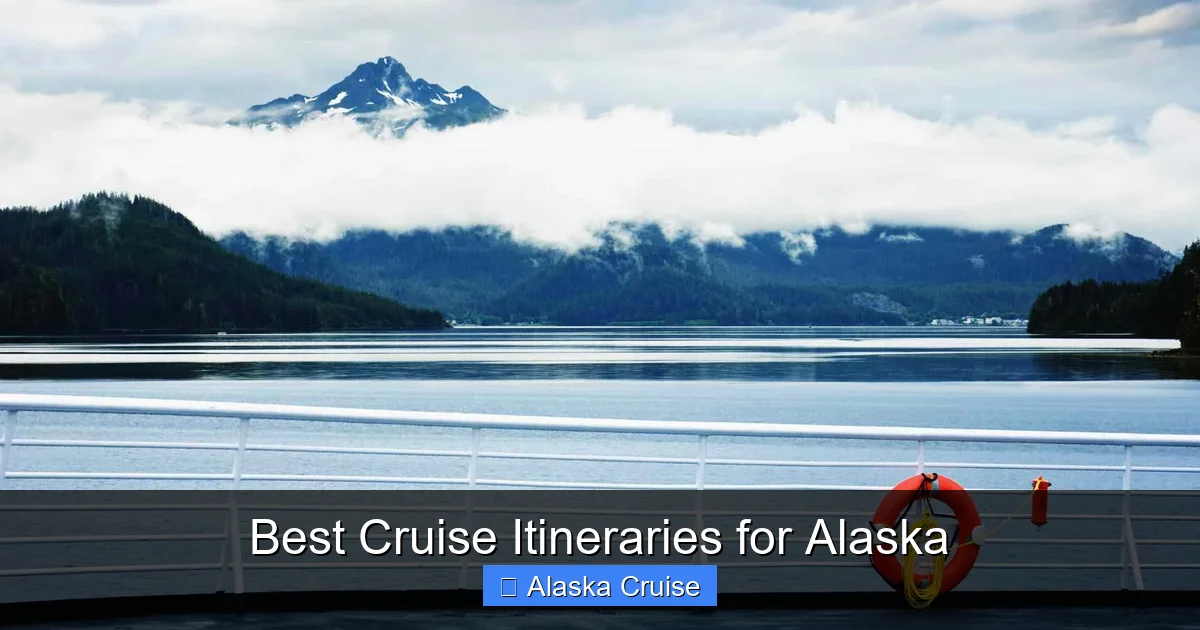
Visual guide about Best Cruise Itineraries for Alaska
Image source: elliestraveltips.com
When planning your Alaska cruise, one of the first decisions you’ll make is choosing between an Inside Passage route and a Gulf of Alaska itinerary. Both offer incredible experiences, but they cater to different travel styles and interests.
Inside Passage Cruises: Coastal Charm and Rainforest Beauty
The Inside Passage is a narrow, winding waterway that hugs the Pacific coast from Washington State up through British Columbia and into southeastern Alaska. This route is ideal for travelers who want a mix of scenic beauty, charming towns, and cultural immersion. Ships typically sail round-trip from Seattle or Vancouver, making it a convenient option for those avoiding long flights.
Ports like Ketchikan, Juneau, and Skagway are staples on Inside Passage itineraries. Ketchikan, known as the “Salmon Capital of the World,” offers boardwalk strolls through historic Creek Street and opportunities to visit Native American totem parks. Juneau, Alaska’s capital, is accessible only by boat or plane and serves as a gateway to Mendenhall Glacier and whale-watching tours. Skagway, a Gold Rush-era town, brings history to life with its wooden sidewalks and the famous White Pass & Yukon Route Railway.
One of the biggest advantages of the Inside Passage is its accessibility. Most ships stay close to shore, allowing for frequent wildlife sightings and stunning views of snow-capped mountains and dense temperate rainforests. However, glacier viewing is more limited compared to Gulf routes. While you might pass by smaller tidewater glaciers, you won’t typically reach the massive ice fields of Glacier Bay or Hubbard Glacier.
Gulf of Alaska Cruises: Glacier Giants and Open Waters
For travelers seeking a more dramatic, wilderness-focused experience, Gulf of Alaska itineraries are the way to go. These cruises typically run one-way between Seattle/Vancouver and Seward or Whittier (near Anchorage), offering a longer, more immersive journey. The route covers greater distances and ventures into open waters, where the scale of nature feels truly awe-inspiring.
The highlight of any Gulf cruise is glacier viewing. Hubbard Glacier, one of the largest tidewater glaciers in North America, is a frequent stop. Ships often spend hours navigating its icy face, giving passengers front-row seats to thunderous calving events. Glacier Bay National Park, a UNESCO World Heritage Site, is another must-see. Here, rangers come aboard to share insights about the park’s ecology and history, enhancing the experience with expert commentary.
Ports on Gulf itineraries include Seward, where you can explore Kenai Fjords National Park, and Whittier, a small town that serves as the gateway to Prince William Sound. These areas offer more rugged, remote experiences—perfect for adventurers. However, Gulf cruises tend to be longer (7–14 days) and may require additional travel to reach the embarkation or disembarkation ports.
Top Alaska Cruise Ports and What to Expect
Each port in Alaska has its own personality and attractions. Knowing what to expect can help you make the most of your time ashore—and choose an itinerary that aligns with your interests.
Ketchikan: The Gateway to the Tongass National Forest
Ketchikan is often the first stop on Inside Passage cruises, and it’s easy to see why. Nestled in the heart of the Tongass National Forest—the largest national forest in the U.S.—Ketchiban offers a blend of natural beauty and cultural heritage. The town is famous for its colorful totem poles, which can be seen at the Totem Heritage Center and Saxman Native Village.
One of the most popular excursions is a visit to the Misty Fjords National Monument, a dramatic landscape of sheer cliffs, waterfalls, and deep inlets best explored by floatplane or boat. If you’re a fan of fishing, Ketchikan is also a prime spot for salmon and halibut charters. Don’t miss a stroll along Creek Street, a historic red-light district turned tourist hub, where you can browse local art and sample fresh seafood.
Juneau: Alaska’s Remote Capital
Juneau is unlike any other state capital—it’s surrounded by water and mountains, with no road access from the rest of Alaska. This isolation adds to its charm, offering a true sense of adventure. The city is a hub for outdoor activities, with Mendenhall Glacier just a short drive away. The glacier’s visitor center provides educational exhibits, and the nearby trails offer stunning views of the ice field and Nugget Falls.
Whale watching is a major draw in Juneau, with tours often spotting humpback whales, orcas, and sea lions. For a unique experience, consider a helicopter tour that lands on the glacier—complete with optional dog sledding on the ice. History buffs will enjoy the Alaska State Museum, which showcases Native Alaskan art and Gold Rush artifacts.
Skagway: Step Back into the Gold Rush Era
Skagway is a living museum of the Klondike Gold Rush. Its well-preserved wooden buildings and boardwalks transport visitors back to the late 1800s, when thousands of prospectors passed through en route to the Yukon. The town’s main attraction is the White Pass & Yukon Route Railway, a narrow-gauge steam train that climbs 2,865 feet through rugged terrain.
For a more active adventure, try a zipline tour through the surrounding forest or a guided hike to the scenic Dewey Lakes. Skagway is also a great place to learn about Tlingit culture at the Trail of ’98 Museum. If you’re traveling with kids, the Liarsville Gold Rush Trail Camp offers interactive storytelling and gold panning.
Sitka: A Blend of Russian and Native Heritage
Sitka stands out for its rich cultural history. Once the capital of Russian America, the town features onion-domed churches, historic fort sites, and the Sitka National Historical Park, where totem poles line a peaceful forest trail. The park also marks the site of the 1804 Battle of Sitka between Tlingit warriors and Russian settlers.
Nature lovers will appreciate the abundance of wildlife. Sitka is one of the best places in Alaska to see bald eagles, with over 300 nesting pairs in the area. Kayaking through the protected waters of Silver Bay or taking a guided bear-viewing tour to nearby St. Lazaria Island are popular excursions. The town’s compact size makes it easy to explore on foot, with charming shops and cafes lining the waterfront.
Seward and Whittier: Gateways to the Wild
These two ports serve as entry points to some of Alaska’s most dramatic landscapes. Seward, located on the Kenai Peninsula, is the gateway to Kenai Fjords National Park. Here, boat tours take you past towering cliffs, sea lion colonies, and glaciers that calve directly into the ocean. The Alaska SeaLife Center offers interactive exhibits and rehabilitation programs for marine animals.
Whittier, a small town accessible via a one-way tunnel, is the cruise port for Prince William Sound. This area is known for its calm waters and abundant wildlife, including sea otters, puffins, and orcas. Many travelers combine a cruise with a land tour, using Whittier as a starting point for a Denali National Park adventure.
Best Time to Cruise Alaska: Timing Your Trip for Maximum Impact
Choosing the right time to cruise Alaska can make a big difference in your experience. The cruise season runs from mid-May to mid-September, with each month offering its own advantages.
May and Early June: Fewer Crowds, Lower Prices
Early season cruises are ideal for budget-conscious travelers and those who prefer quieter ports. While some attractions may still be opening for the season, you’ll benefit from lower prices and fewer crowds. Wildlife is active, and the landscape is lush with spring blooms. However, weather can be unpredictable, with cooler temperatures and occasional rain.
Mid-June to August: Peak Season for Weather and Wildlife
This is the most popular time to cruise Alaska, and for good reason. The weather is mild, with daytime temperatures ranging from 50°F to 70°F. Days are long—up to 18 hours of daylight in June—giving you more time to explore. This is also prime time for wildlife viewing: bears are active along riverbanks, whales are abundant, and migratory birds fill the skies.
Keep in mind that peak season means higher prices and more tourists. Popular excursions like helicopter tours and whale watching can sell out weeks in advance, so booking early is essential.
September: Fall Colors and Fewer Crowds
Late-season cruises offer a unique experience. The landscape transforms with vibrant fall foliage, especially in areas like Haines and Glacier Bay. Wildlife is still active, and you’ll likely have more space to enjoy the views. While some shops and tours may begin closing, the trade-off is a more peaceful, intimate journey.
One downside is the increasing chance of rain and cooler temperatures. However, if you don’t mind packing layers, September can be a rewarding time to visit.
Must-See Natural Wonders: Glaciers, Fjords, and Wildlife
Alaska’s natural beauty is its greatest draw. From massive glaciers to pristine fjords and abundant wildlife, the state offers experiences you won’t find anywhere else.
Glacier Bay National Park: A UNESCO Treasure
Glacier Bay is one of the most protected and pristine areas in Alaska. The park spans over 3.3 million acres and is home to over a dozen active glaciers. Ships typically spend a full day in the park, with park rangers joining the crew to provide commentary on the region’s geology, wildlife, and conservation efforts.
One of the most memorable moments is witnessing a glacier calving—when a massive chunk of ice breaks off and crashes into the water. The sound is thunderous, and the sight is unforgettable. Wildlife in the area includes humpback whales, sea otters, and harbor seals.
Hubbard Glacier: The Largest Tidewater Glacier
Stretching over 76 miles long and up to 7 miles wide, Hubbard Glacier is a force of nature. Ships often stop for several hours to allow passengers to take in the scale and power of the ice. The glacier is actively advancing, moving about 8–10 feet per day, and calving events are frequent.
The surrounding waters are rich with marine life, making it a great spot for spotting whales and seabirds. Some cruise lines offer special viewing decks or even outdoor lounges for glacier viewing.
Wildlife Encounters: From Whales to Bears
Alaska is a wildlife paradise. Humpback whales are commonly seen during summer months, often breaching or slapping their tails. Orcas, sea lions, and porpoises are also frequent sightings. On land, brown bears can be spotted fishing for salmon in rivers near Ketchikan and Juneau.
Sea otters float on their backs in kelp beds, while bald eagles soar overhead. Many cruise lines partner with naturalists who provide onboard presentations and help identify wildlife during scenic cruising.
Choosing the Right Cruise Line for Your Alaska Adventure
Not all cruise lines are created equal when it comes to Alaska. Each offers a different style of experience, from luxury to adventure.
Holland America Line: Classic Elegance and Expertise
Holland America is known for its refined service and strong focus on destination immersion. Their ships often include onboard naturalists and park rangers, especially in Glacier Bay. The line offers longer itineraries and a more relaxed pace, ideal for travelers who want to savor the journey.
Princess Cruises: Scenic Rail and Land Tours
Princess is a favorite for travelers who want to combine a cruise with a land adventure. Their “cruisetour” packages include rail travel to Denali National Park and stays at wilderness lodges. Their ships feature glass-enveloped atriums with panoramic views, perfect for glacier viewing.
Royal Caribbean: Family-Friendly Fun
Royal Caribbean offers a more energetic, activity-filled experience. Their ships feature rock climbing walls, surf simulators, and Broadway-style shows. While less focused on nature, they still offer excellent Alaska itineraries with a wide range of shore excursions.
Small Ship and Expedition Cruises: Intimate and Immersive
For a more personalized experience, consider a small ship cruise with lines like UnCruise Adventures or Lindblad Expeditions. These vessels carry fewer passengers and can access remote areas larger ships can’t reach. Expect expert guides, Zodiac landings, and a strong emphasis on wildlife and conservation.
Practical Tips for Planning Your Alaska Cruise
A little preparation goes a long way in making your Alaska cruise a success.
Pack Smart: Layers Are Key
Weather in Alaska can change quickly. Pack waterproof jackets, warm layers, and sturdy walking shoes. Don’t forget binoculars for wildlife viewing and a good camera with extra batteries.
Book Excursions Early
Popular tours like dog sledding, helicopter rides, and whale watching fill up fast. Book as soon as your itinerary is confirmed to secure your spot.
Bring Cash for Tips and Souvenirs
Many small towns operate on cash, and tipping guides is customary. ATMs may be limited in remote ports.
Stay Flexible
Weather and wildlife are unpredictable. Embrace the unexpected—some of the best moments happen when plans change.
Conclusion: Why an Alaska Cruise Should Be on Your Travel List
An Alaska cruise isn’t just a vacation—it’s a journey into one of the last great frontiers on Earth. Whether you’re marveling at a glacier calving, spotting a bear along a riverbank, or learning about Native Alaskan culture, every moment feels meaningful. With so many itineraries to choose from, there’s an Alaska cruise for every type of traveler.
From the lush forests of the Inside Passage to the icy wonders of the Gulf of Alaska, the state offers a lifetime of memories in just one trip. So pack your bags, bring your sense of adventure, and get ready to experience the wild beauty of the Last Frontier.
Frequently Asked Questions
What is the best month to cruise Alaska?
The best time is typically July and August, when weather is warmest and wildlife is most active. However, May and September offer fewer crowds and lower prices.
Do I need a passport for an Alaska cruise?
If your cruise departs and returns to the same U.S. port (like Seattle), a passport is not required. However, having one is recommended in case of emergencies or port changes.
Are Alaska cruises expensive?
Prices vary, but expect to pay $1,000–$3,000 per person for a 7-day cruise. Luxury and expedition lines can cost more, while off-season deals offer savings.
Can I see the Northern Lights on an Alaska cruise?
No—Alaska cruises run in summer when the midnight sun prevents dark skies. For Northern Lights, consider a winter land tour.
What should I wear on an Alaska cruise?
Dress in layers: waterproof outerwear, warm sweaters, and comfortable shoes. Formal nights are rare—casual and practical is best.
Are there vegetarian or dietary options on Alaska cruises?
Yes, most cruise lines offer vegetarian, vegan, and gluten-free meals. Inform the cruise line in advance to ensure proper accommodations.