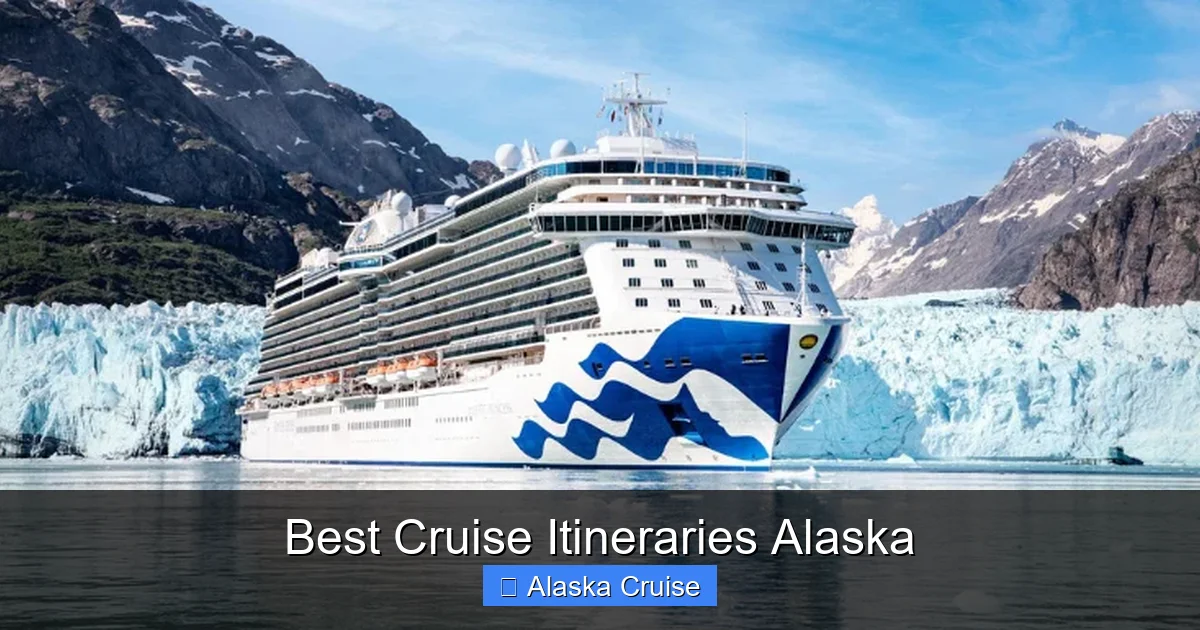
Alaska cruises offer some of the most breathtaking scenery and wildlife encounters on Earth. From glacier-rich fjords to charming coastal towns, the best cruise itineraries Alaska has to offer combine adventure, comfort, and unforgettable natural beauty. Whether you’re a first-time cruiser or a seasoned traveler, these routes deliver an immersive experience of the Last Frontier.
Dreaming of towering glaciers, misty fjords, and bald eagles soaring above snow-capped peaks? A cruise through Alaska is more than just a vacation—it’s a journey into one of the world’s last truly wild frontiers. With its dramatic coastline, abundant wildlife, and rich Indigenous culture, Alaska offers a cruise experience unlike any other. Whether you’re gliding past icebergs calving into frigid waters or strolling through a historic gold rush town, every moment feels cinematic.
But with so many cruise lines, routes, and itineraries to choose from, how do you pick the best one? The answer lies in understanding what makes each Alaska cruise unique. Some focus on glacier viewing, others on cultural immersion or wildlife spotting. Some sail round-trip from Seattle or Vancouver, while others offer one-way journeys between Seward and Whittier, allowing for land extensions into the Alaskan interior. The best cruise itineraries Alaska has to offer strike a balance between must-see natural wonders and authentic port experiences, all while maximizing your time on the water.
In this guide, we’ll explore the top Alaska cruise itineraries, break down what makes them special, and help you choose the perfect voyage for your travel style. Whether you’re looking for luxury, adventure, or family-friendly fun, there’s an Alaskan cruise that fits your dream. Let’s dive in.
Key Takeaways
- Glacier viewing is a must: The best Alaska cruise itineraries include stops near iconic glaciers like Hubbard Glacier and Glacier Bay, offering awe-inspiring views and photo opportunities.
- Wildlife encounters are abundant: Expect to see whales, bears, eagles, and sea lions along most routes, especially in protected areas like Inside Passage and Kenai Fjords.
- Port diversity enhances the experience: Top itineraries balance major hubs like Juneau and Ketchikan with lesser-known gems such as Haines and Skagway for a well-rounded trip.
- Duration matters: 7-day cruises are ideal for first-timers, while 10- to 14-day voyages allow deeper exploration, including land extensions into Denali or Anchorage.
- Seasonal timing affects scenery and crowds: Late May to early September offers the best weather and wildlife activity, with peak months (July–August) being busiest.
- Choose the right cruise line: Luxury, adventure, and family-focused lines offer different experiences—pick one that matches your travel style and budget.
- Pack smart for variable weather: Even in summer, Alaska’s coastal climate can be cool and wet—layers, waterproof gear, and binoculars are essential.
📑 Table of Contents
Why Choose an Alaska Cruise?
Alaska is a destination that demands to be seen from the water. Its rugged coastline, carved by ancient glaciers, stretches over 6,600 miles—more than all other U.S. states combined. A cruise is the most efficient and scenic way to experience this vast wilderness. Unlike road trips or flights, a cruise lets you wake up each morning in a new, breathtaking location, all while enjoying the comfort of a floating hotel.
One of the biggest advantages of an Alaska cruise is accessibility. Many remote areas, like Glacier Bay National Park or the Tracy Arm Fjord, are only reachable by boat or plane. Cruises provide a front-row seat to these natural wonders without the hassle of planning multiple transfers. Plus, cruise ships are equipped with expert naturalists, guided excursions, and educational programs that deepen your understanding of the region’s ecology and history.
Another draw is the variety of experiences packed into a single trip. In one day, you might spot humpback whales breaching off the starboard side, then dock in a charming town where you can sample fresh salmon or browse local art. The rhythm of a cruise—relaxation by day, exploration by shore—creates a perfect balance between adventure and downtime.
Glacier Viewing Like Nowhere Else
Glaciers are the crown jewels of Alaska’s landscape, and no cruise is complete without seeing them up close. The best cruise itineraries Alaska offers include multiple glacier encounters, often in protected parks where ships can drift slowly past towering ice walls. Hubbard Glacier, one of the most active tidewater glaciers in North America, is a highlight on many northern routes. At over 7 miles wide and 300 feet high, it’s a sight that leaves passengers in awe.
Glacier Bay National Park, a UNESCO World Heritage Site, is another must-see. Here, ships navigate through a maze of fjords surrounded by snow-capped mountains and active glaciers. Rangers from the National Park Service often come aboard to share insights about the region’s geology and wildlife. You might witness a calving event—where chunks of ice break off and crash into the water—sending up plumes of spray and echoing through the silence.
For a more intimate glacier experience, consider itineraries that include Tracy Arm or Endicott Arm. These narrow fjords are less traveled and offer stunning views of the Sawyer Glaciers, often surrounded by waterfalls and seals lounging on ice floes. Smaller ships or expedition vessels are better suited for these tight passages, offering a more immersive experience.
Wildlife Encounters You’ll Never Forget
Alaska is a wildlife lover’s paradise, and cruises provide unparalleled opportunities to see animals in their natural habitat. The nutrient-rich waters of the Inside Passage attract a wide variety of marine life, making whale watching one of the most popular onboard activities. Humpback whales, orcas, and gray whales are commonly spotted, especially between May and September when they migrate north to feed.
Sea lions and harbor seals are frequently seen basking on rocky outcrops or swimming alongside the ship. Keep an eye out for Steller sea lions—some weighing over a ton—lounging on buoys or docks near ports like Ketchikan. Onshore, black and brown bears can often be seen foraging along riverbanks, particularly in areas like Admiralty Island or the Tongass National Forest.
Birdwatchers will be delighted by the abundance of seabirds, including puffins, cormorants, and bald eagles. Alaska is home to more than 400 species of birds, and many cruise lines offer binoculars and guided wildlife talks to help you identify them. Some ships even have onboard naturalists who use hydrophones to listen for whale songs beneath the surface.
Top Alaska Cruise Itineraries for 2024
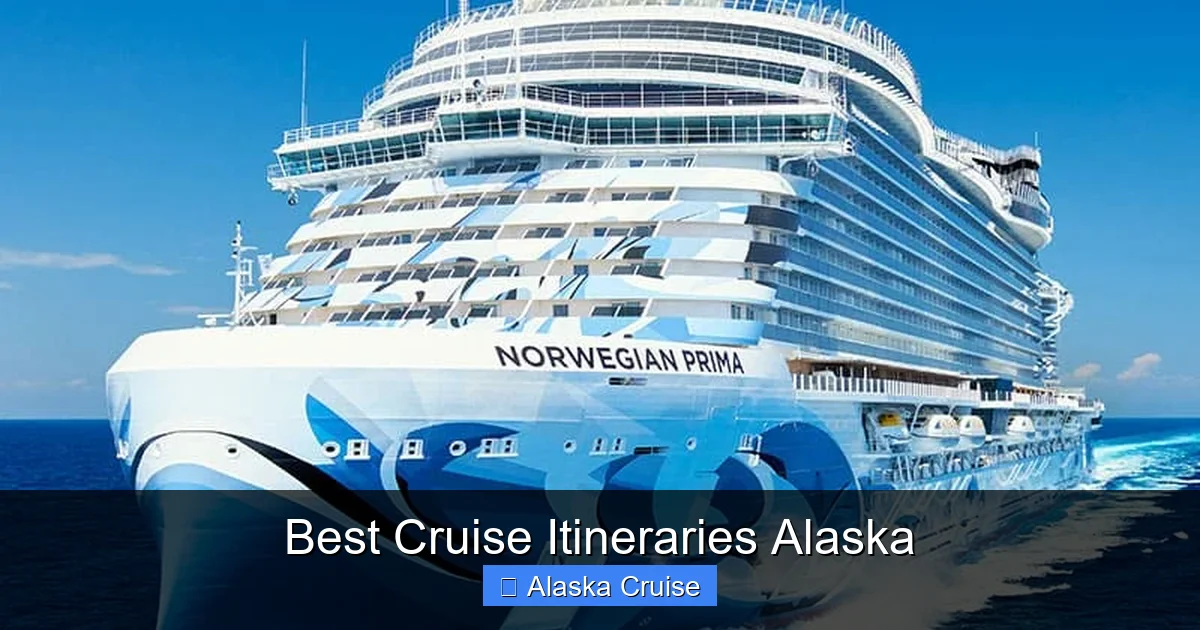
Visual guide about Best Cruise Itineraries Alaska
Image source: cruisemaven.com
With so many options, narrowing down the best cruise itineraries Alaska has to offer can feel overwhelming. To help, we’ve highlighted six standout routes that deliver the perfect mix of scenery, wildlife, and port experiences. Each itinerary caters to different interests and travel styles, so you can find the one that fits your dream trip.
1. Classic Inside Passage (Round-Trip from Seattle or Vancouver)
This is the most popular Alaska cruise route, ideal for first-time visitors. Typically lasting 7 days, the Classic Inside Passage sails round-trip from Seattle or Vancouver, making it convenient for travelers from the lower 48 or Canada. The journey winds through the protected waters of the Inside Passage, a network of fjords, islands, and channels that shelter ships from the open ocean.
Ports of call usually include Ketchikan, Juneau, and Skagway—three of Alaska’s most iconic towns. Ketchikan is known for its Native American totem poles and boardwalks over the water, where you can watch fishermen unload their catch. Juneau, the state capital, offers access to the Mendenhall Glacier and whale-watching tours. Skagway, a preserved Gold Rush town, is the gateway to the White Pass & Yukon Route railway, a scenic train ride through the mountains.
This itinerary is perfect for families, couples, and travelers seeking a balanced mix of nature and culture. Most major cruise lines—including Holland America, Princess, and Royal Caribbean—offer this route, with options for balcony cabins, specialty dining, and shore excursions like dog sledding or glacier hikes.
2. Glacier Bay & Hubbard Glacier (One-Way from Seward to Vancouver)
For a more immersive wilderness experience, consider a one-way cruise from Seward to Vancouver (or vice versa). This 7- to 10-day itinerary focuses on Alaska’s most dramatic natural attractions, including Glacier Bay National Park and Hubbard Glacier. Ships spend full days navigating these icy waters, often with park rangers on board to provide commentary.
The journey begins or ends in Seward, a charming port town on the Kenai Peninsula. From here, you can extend your trip with a land tour to Kenai Fjords National Park or even Denali National Park. The cruise itself includes stops in Ketchikan and Juneau, but the real highlight is the time spent in the glaciers. Watching ice calve from Hubbard Glacier—sometimes sending waves that rock the ship—is a moment you’ll never forget.
This route is ideal for nature enthusiasts and photographers. Smaller ships like those from UnCruise Adventures or Lindblad Expeditions offer a more intimate experience, with Zodiac landings and expert-led excursions. Larger lines like Celebrity and Norwegian also offer this itinerary, with more onboard amenities.
3. Gulf of Alaska (Round-Trip from Whittier or Seward)
The Gulf of Alaska itinerary is perfect for travelers who want to explore the state’s southern coast and access inland adventures. These cruises typically depart from Whittier or Seward, both near Anchorage, and sail through Prince William Sound before heading south to Ketchikan or Victoria, BC.
One of the biggest draws is the proximity to Denali National Park. Many travelers combine their cruise with a 2- to 4-day land tour, taking a scenic train ride from Anchorage to Denali for wildlife viewing and mountain vistas. Onboard, you’ll enjoy views of College Fjord, where glaciers spill down from the mountains like frozen waterfalls.
This route is great for adventure seekers and those who want to experience both coastal and interior Alaska. It’s also a good choice if you’re flying into Anchorage, as it eliminates the need for a cross-country transfer. Lines like Princess and Holland America offer well-coordinated cruise-land packages.
4. Extended 10- to 14-Day Journeys
For travelers who want to go deeper, extended itineraries offer a more comprehensive look at Alaska. These longer cruises often include additional ports like Haines, Icy Strait Point, or Sitka, each with its own unique charm. Haines is a quiet, artistic community surrounded by wilderness, while Icy Strait Point is famous for its bear-viewing opportunities and zip-line adventures.
Sitka, once the capital of Russian America, blends Native Alaskan and Russian heritage, with historic churches and museums. These extended routes also spend more time in glacier regions, allowing for multiple viewing opportunities and calmer seas.
Longer cruises are ideal for retirees, repeat visitors, or anyone who wants to slow down and savor the experience. They often include more educational programming, guest speakers, and themed events. Some lines, like Seabourn and Silversea, offer luxury extended voyages with all-inclusive amenities.
5. Small Ship & Expedition Cruises
If you prefer a more intimate, adventure-focused experience, consider a small ship or expedition cruise. These vessels carry fewer passengers—often under 200—and are designed to access remote areas that larger ships can’t reach. They often include Zodiac landings, kayaking, and guided hikes.
Expedition cruises are perfect for active travelers and nature lovers. Companies like Lindblad Expeditions, Quark Expeditions, and UnCruise Adventures offer expert-led itineraries that emphasize wildlife, geology, and Indigenous culture. You might spend a morning kayaking among icebergs, then attend a talk by a local Tlingit elder in the afternoon.
While these cruises tend to be more expensive, they offer a level of access and authenticity that’s hard to match. They’re also ideal for photographers and those seeking a more personalized experience.
Choosing the Right Cruise Line
Not all cruise lines are created equal when it comes to Alaska. Your choice will depend on your budget, travel style, and what you want to get out of the trip. Here’s a quick breakdown of the top options:
Luxury Lines: Seabourn, Silversea, Regent Seven Seas
These all-inclusive lines offer spacious suites, gourmet dining, and personalized service. They often include excursions, gratuities, and premium beverages in the fare. Ideal for travelers who want comfort and convenience without sacrificing adventure.
Mainstream Lines: Princess, Holland America, Royal Caribbean, Norwegian
These are the most popular choices for Alaska cruises, offering a great balance of value, amenities, and itineraries. They have large ships with pools, theaters, and multiple dining options, making them ideal for families and first-timers.
Adventure & Expedition Lines: UnCruise, Lindblad, Quark
Focused on immersive experiences, these lines prioritize wildlife, nature, and cultural engagement. Ships are smaller, and itineraries are flexible, allowing for spontaneous landings and wildlife sightings.
Family-Friendly Lines: Disney, Carnival, Royal Caribbean
If you’re traveling with kids, these lines offer kids’ clubs, entertainment, and family-friendly excursions. Disney, in particular, is known for its themed events and character meet-and-greets.
Best Time to Cruise Alaska
Timing is everything when it comes to an Alaska cruise. The official season runs from mid-May to mid-September, but each month offers a different experience.
May–Early June: Fewer Crowds, Lower Prices
Early season cruises offer lower fares and fewer tourists. Wildlife is active, and you might see newborn bear cubs or migrating whales. However, some ports may have limited hours, and weather can be unpredictable.
July–August: Peak Season
These are the warmest and busiest months. Days are long—up to 18 hours of daylight in Juneau—and all ports and excursions are fully operational. This is the best time for whale watching and glacier viewing, but expect higher prices and more crowds.
September: Fall Colors and Calm Seas
Late-season cruises offer stunning fall foliage, especially in the Tongass National Forest. Wildlife is still active, and the weather is often calm. It’s a great time for photographers and those seeking a quieter experience.
Packing Tips for Your Alaska Cruise
Packing for Alaska requires preparation. Even in summer, temperatures can range from 40°F to 70°F, and rain is common. Here’s what to bring:
- Layers: Pack thermal base layers, fleece, and a waterproof jacket.
- Footwear: Waterproof hiking boots and comfortable walking shoes are essential.
- Accessories: Don’t forget gloves, a hat, sunglasses, and sunscreen.
- Electronics: Bring a camera with extra batteries, a power bank, and binoculars.
- Medications: Pack motion sickness remedies, just in case.
Conclusion
An Alaska cruise is more than a vacation—it’s a journey into the heart of the wild. The best cruise itineraries Alaska has to offer combine awe-inspiring natural beauty with rich cultural experiences, all from the comfort of a well-appointed ship. Whether you’re marveling at a glacier calving into the sea, spotting a bear along a riverbank, or sipping coffee in a historic Gold Rush town, every moment feels like a postcard come to life.
From the classic Inside Passage to extended wilderness voyages, there’s an itinerary for every traveler. Consider your interests, budget, and travel style, and choose a cruise that lets you experience Alaska at its best. With the right planning, your Alaskan adventure will be one of the most memorable trips of your life.
Frequently Asked Questions
What is the best time of year to cruise Alaska?
The best time to cruise Alaska is from late May to early September. July and August offer the warmest weather and longest days, while May and September provide fewer crowds and lower prices. Wildlife is active throughout the season, but peak whale watching occurs in summer.
How many days should an Alaska cruise be?
A 7-day cruise is ideal for first-time visitors and covers the major ports and glaciers. For a more immersive experience, consider a 10- to 14-day itinerary, especially if you plan to add a land tour to Denali or Anchorage.
Do I need a passport for an Alaska cruise?
If your cruise departs and returns to the same U.S. port (like Seattle), a passport is not required—though it’s highly recommended. For cruises that visit Canada (like Victoria or Vancouver), a passport is mandatory for all passengers.
Can you see glaciers on every Alaska cruise?
Most Alaska cruises include at least one glacier viewing experience, such as Hubbard Glacier or Glacier Bay. However, the number and type of glaciers vary by itinerary. Check your route details to ensure glacier viewing is included.
What wildlife can I expect to see on an Alaska cruise?
Common sightings include humpback whales, orcas, sea lions, harbor seals, bald eagles, and black bears. Depending on the season and location, you may also spot puffins, moose, or even brown bears near riverbanks.
Are Alaska cruels suitable for families?
Yes, many cruise lines offer family-friendly amenities like kids’ clubs, pools, and supervised activities. Disney, Royal Caribbean, and Carnival are particularly popular with families, offering entertainment and excursions designed for all ages.