If you’re dreaming of standing on a ship deck, binoculars in hand, watching massive glaciers calve into the sea, you’re in the right place. Alaska is one of the world’s premier destinations for glacier viewing, and choosing the best cruise for glacier viewing in Alaska can make all the difference. With the right itinerary, timing, and cruise line, you’ll witness nature’s frozen masterpieces up close—safely and comfortably.
[FEATURED_IMAGE_PLACEHOGER]
Key Takeaways
- Glacier Bay National Park is a must-visit: This UNESCO World Heritage Site offers some of the most dramatic glacier viewing in Alaska, with over a dozen active tidewater glaciers.
- Choose a cruise that includes Hubbard Glacier: One of the largest and most active glaciers in North America, Hubbard Glacier is a highlight on many Alaskan cruise itineraries.
- Smaller ships offer better access: Ships under 200 passengers can navigate narrower fjords and get closer to glaciers for more intimate views.
- Timing matters—late May to early September is ideal: Summer months offer the best weather, longer daylight hours, and peak glacier activity.
- Expert naturalists enhance the experience: Look for cruises with onboard naturalists or park rangers who provide educational commentary during glacier viewing.
- Inside passage vs. Gulf of Alaska routes: Inside Passage cruises offer more frequent glacier stops, while Gulf routes provide access to larger glaciers like Hubbard and College Fjord.
- Pack layers and binoculars: Weather changes quickly, and binoculars help you spot wildlife and glacier details from a distance.
📑 Table of Contents
- Why Alaska Is the Ultimate Destination for Glacier Viewing
- Top Glaciers to See on an Alaska Cruise
- Choosing the Best Cruise Line for Glacier Viewing
- Best Itineraries for Glacier Viewing
- Tips for the Best Glacier Viewing Experience
- Environmental Considerations and Responsible Travel
- Conclusion: Finding Your Perfect Glacier Cruise
Why Alaska Is the Ultimate Destination for Glacier Viewing
Alaska is home to over 100,000 glaciers, covering nearly 10% of the state’s landmass. These icy giants are not just beautiful—they’re living, breathing parts of the landscape, constantly moving, calving, and reshaping the coastline. For travelers seeking awe-inspiring natural wonders, few experiences compare to witnessing a glacier up close, especially from the deck of a cruise ship.
What makes Alaska so special for glacier viewing is the accessibility. Unlike remote glaciers in Antarctica or Patagonia, many of Alaska’s most spectacular glaciers are reachable by ship, often within a few hours of major ports like Juneau, Skagway, or Ketchikan. The state’s intricate network of fjords, inlets, and protected waterways creates a natural amphitheater for glacier viewing, with towering walls of ice rising from the sea and thundering into the water with a sound like thunder.
But not all cruises are created equal. Some routes spend only a few hours near glaciers, while others dedicate entire days to exploring icy landscapes. The best cruise for glacier viewing in Alaska will balance scenic beauty, educational value, and comfort—giving you time to truly absorb the majesty of these ancient ice formations.
The Science Behind Alaska’s Glaciers
To truly appreciate what you’re seeing, it helps to understand how glaciers form. Glaciers are born from snow that accumulates over hundreds or even thousands of years. In Alaska’s colder regions, snow doesn’t melt completely each summer. Instead, it compacts under its own weight, transforming into dense ice. Over time, this ice begins to flow downhill like a slow-moving river, carving out valleys and shaping the land.
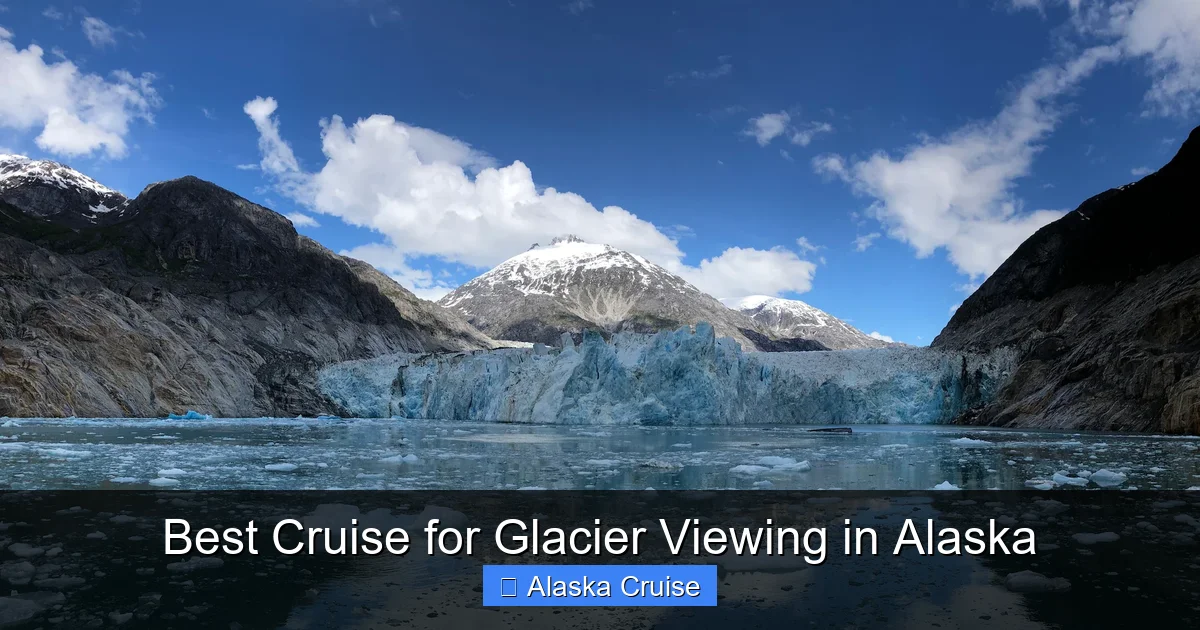
Tidewater glaciers, like those found in Glacier Bay and Tracy Arm, are especially dramatic. These glaciers extend all the way to the ocean, where chunks of ice break off—a process called calving. When a large section calves, it can create a wave that rocks nearby boats and sends a deep rumble across the water. It’s a powerful reminder of nature’s force.
Most of Alaska’s accessible glaciers are temperate, meaning they’re at melting point throughout, which makes them more dynamic and prone to calving. This is why summer is the best time to visit—warmer temperatures increase glacial activity, giving you a better chance to witness calving events.
Top Glaciers to See on an Alaska Cruise
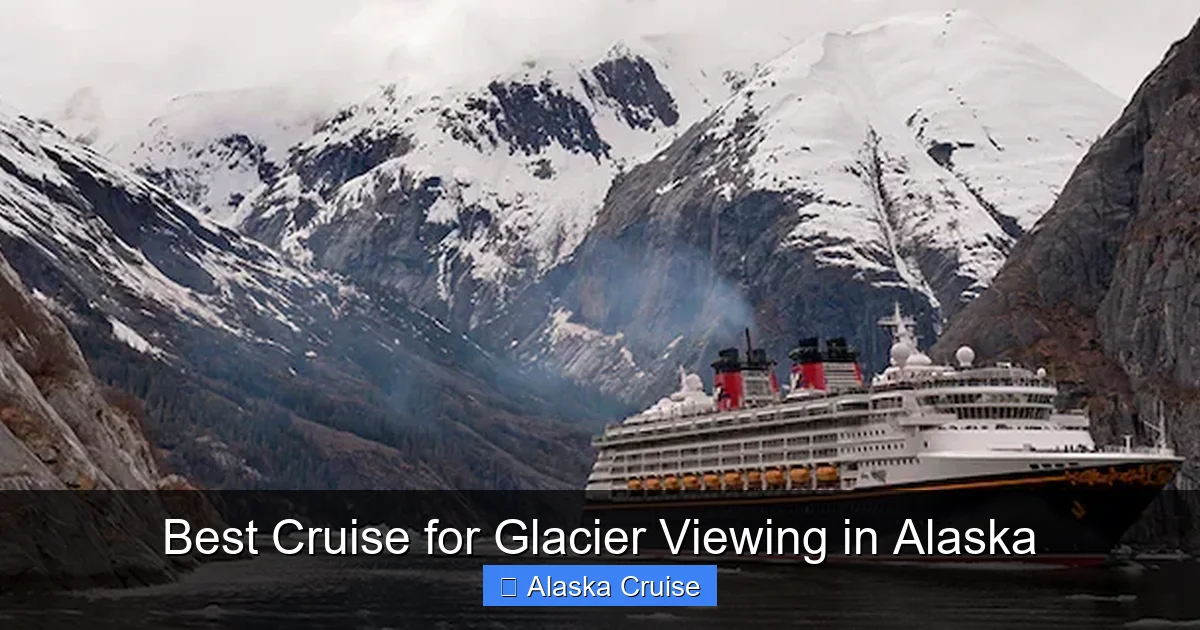
Visual guide about Best Cruise for Glacier Viewing in Alaska
Image source: cdn1.parksmedia.wdprapps.disney.com
Not all glaciers are the same, and some are far more accessible—and impressive—than others. When choosing the best cruise for glacier viewing in Alaska, make sure your itinerary includes these top five glaciers.
Hubbard Glacier
At over 70 miles long and nearly 7 miles wide at its terminus, Hubbard Glacier is one of the largest and most active glaciers in North America. Located in Disenchantment Bay near Yakutat, it advances about 12 meters per day—faster than most glaciers. This constant movement means it frequently calves, sometimes sending house-sized ice blocks crashing into the water.
Cruises that sail the Gulf of Alaska often include a full-day stop at Hubbard Glacier. Ships typically anchor about a mile away for safety, but the views are still breathtaking. The glacier’s deep blue ice, formed by centuries of compression, glows under the Alaskan sun. Many travelers describe the experience as “otherworldly.”
Mendenhall Glacier
Just 12 miles from Juneau, Mendenhall Glacier is one of the most accessible glaciers in Alaska. While most cruises don’t sail directly to it, many offer shore excursions that include a visit to the Mendenhall Glacier Visitor Center. From there, you can take a short hike to viewpoints overlooking the 13-mile-long glacier and its surrounding rainforest.
What makes Mendenhall special is its proximity to civilization. You can see the glacier, then enjoy a meal at a local café—all within the same day. It’s a great option if you want a glacier experience without spending hours at sea.
Margerie and Lamplugh Glaciers (Glacier Bay)
Glacier Bay National Park is a UNESCO World Heritage Site and one of the crown jewels of the Alaskan cruise experience. Here, you’ll find over a dozen tidewater glaciers, including the stunning Margerie and Lamplugh Glaciers.
Margerie Glacier is known for its deep blue ice and frequent calving. It’s often described as one of the most beautiful glaciers in the world. Lamplugh Glacier, just a short distance away, is equally impressive, with towering ice cliffs that rise over 300 feet above the water.
Cruises that enter Glacier Bay typically spend 6–8 hours in the park, often with a National Park Service ranger boarding the ship to provide commentary. This educational component adds depth to the experience, helping you understand the glacier’s history, ecology, and significance.
Tracy Arm and Sawyer Glaciers
Located near Juneau, Tracy Arm is a narrow, 30-mile-long fjord surrounded by steep granite walls and waterfalls. At its end lie the twin Sawyer Glaciers—North and South Sawyer. These glaciers are smaller than Hubbard or Margerie, but their setting is unmatched.
The fjord’s narrow passages mean only smaller ships can enter, which often results in a more intimate and immersive experience. As your ship glides through the icy waters, you’ll pass icebergs, seals, and possibly even black bears along the shore. The silence is profound—broken only by the occasional crack of calving ice.
College Fjord
College Fjord, near Whittier, is home to 26 named glaciers—more than any other fjord in Alaska. Many of these glaciers were named after Ivy League colleges, giving the area a unique academic flair.
The fjord is particularly striking because of the contrast between the deep blue glaciers and the lush green mountains. Some glaciers, like Harvard and Yale, calve directly into the water, creating dramatic splashes. College Fjord is often included on round-trip cruises departing from Seattle or Vancouver, making it a convenient stop.
Choosing the Best Cruise Line for Glacier Viewing
With so many cruise lines offering Alaska itineraries, it can be overwhelming to choose the right one. The best cruise for glacier viewing in Alaska depends on your priorities: Do you want luxury, adventure, education, or value?
Luxury and Comfort: Seabourn and Regent Seven Seas
If you’re looking for a high-end experience, Seabourn and Regent Seven Seas are excellent choices. These lines offer all-suite accommodations, gourmet dining, and personalized service. Their ships are smaller than mass-market cruises, allowing them to access narrower fjords and get closer to glaciers.
Seabourn’s “Glacier Bay Experience” includes a full day in the park with a park ranger on board. Regent often includes complimentary shore excursions, including helicopter tours over glaciers. While these cruises come with a higher price tag, the level of service and access is unmatched.
Adventure and Immersion: UnCruise Adventures and Lindblad Expeditions
For travelers who want a more hands-on experience, UnCruise Adventures and Lindblad Expeditions (in partnership with National Geographic) offer small-ship adventures focused on nature and wildlife.
UnCruise operates ships with fewer than 100 passengers, allowing them to explore remote areas like Tracy Arm and the lesser-known glaciers of the Inside Passage. Activities include kayaking among icebergs, hiking on glacial moraines, and Zodiac tours near calving glaciers.
Lindblad Expeditions emphasizes education, with naturalists, photographers, and scientists on board. Their itineraries often include visits to research stations and opportunities to learn about climate change’s impact on glaciers.
Family-Friendly and Value: Carnival, Royal Caribbean, and Norwegian
If you’re traveling with kids or on a budget, major cruise lines like Carnival, Royal Caribbean, and Norwegian offer affordable Alaska cruises with plenty of onboard activities.
While their ships are larger and can’t access the narrowest fjords, they still visit major glacier sites like Hubbard Glacier and Glacier Bay. These lines often include glacier viewing as part of a broader itinerary that includes ports like Ketchikan and Skagway.
One advantage of these cruises is the variety of entertainment and dining options. You can enjoy glacier viewing by day and Broadway-style shows by night. However, you may spend less time near glaciers compared to smaller ships.
Expedition-Style Cruises: Hurtigruten and Ponant
Hurtigruten (now Hurtigruten Expeditions) and Ponant offer a blend of comfort and adventure. Their ships are designed for polar exploration, with reinforced hulls and advanced navigation systems.
Hurtigruten’s “Original Coastal Voyage” includes glacier viewing in Alaska as part of a longer journey along the Pacific coast. Ponant offers luxury expedition cruises with French flair, including gourmet cuisine and expert guides.
Both lines prioritize sustainability and environmental responsibility, which is important when visiting fragile ecosystems like Glacier Bay.
Best Itineraries for Glacier Viewing
Not all Alaska cruises are created equal when it comes to glacier access. The route your ship takes—and how much time it spends near glaciers—can make or break your experience.
Inside Passage Itineraries
The Inside Passage is a classic Alaska cruise route that runs along the coast from Seattle or Vancouver to Skagway, Juneau, and Ketchikan. These cruises typically last 7 days and focus on scenic sailing through narrow channels, lush rainforests, and historic towns.
While Inside Passage cruises don’t always include Hubbard Glacier, many stop at Tracy Arm or include a day in Glacier Bay. The advantage is the variety of experiences—glaciers, wildlife, and cultural sites—all in one trip.
Popular Inside Passage itineraries include:
– Seattle round-trip (7 days): Visits Juneau, Skagway, and Ketchikan, with possible stops at Tracy Arm or Glacier Bay.
– Vancouver to Seward (7 days): Crosses the Gulf of Alaska, with stops at Glacier Bay and Hubbard Glacier.
Gulf of Alaska Itineraries
Gulf of Alaska cruises are longer—typically 10 to 14 days—and cover more ground. These itineraries often start in Seattle or Vancouver and end in Seward or Whittier (near Anchorage), or vice versa.
The major advantage of Gulf cruises is access to larger glaciers like Hubbard and College Fjord. These routes spend more time in open water, allowing ships to reach remote areas that Inside Passage cruises can’t access.
A typical Gulf itinerary might include:
– Day 1: Depart Seattle
– Day 2: At sea
– Day 3: Ketchikan
– Day 4: At sea (Glacier Bay)
– Day 5: At sea (Hubbard Glacier)
– Day 6: College Fjord
– Day 7: Seward (disembark)
These longer cruises are ideal if glacier viewing is your top priority.
One-Way vs. Round-Trip Cruises
One-way cruises (e.g., Seattle to Seward) often offer better glacier access because they can sail directly across the Gulf of Alaska. Round-trip cruises from Seattle or Vancouver may spend less time in glacier-rich areas.
However, one-way cruises require additional travel to return home, which can add cost and complexity. If you choose a one-way cruise, consider flying into Seattle and out of Anchorage, or vice versa.
Tips for the Best Glacier Viewing Experience
Even on the best cruise for glacier viewing in Alaska, a little preparation goes a long way. Here are some practical tips to maximize your experience.
Pack the Right Gear
Alaska’s weather is unpredictable, even in summer. Temperatures can range from 40°F to 70°F, and rain is common. Pack layers, including a waterproof jacket, warm fleece, and waterproof pants.
Binoculars are essential for spotting wildlife and glacier details from a distance. A good camera with a zoom lens will help you capture calving events and ice formations.
Don’t forget sunscreen and sunglasses—glare off the ice can be intense.
Choose the Right Time of Year
The Alaska cruise season runs from May to September. Each month offers a different experience:
– May: Fewer crowds, lower prices, but colder weather and shorter days. Glaciers may still be partially frozen.
– June: Long daylight hours, blooming wildflowers, and active wildlife. Ideal for first-time visitors.
– July: Peak season—warmest weather, most wildlife activity, and frequent calving. Expect crowds and higher prices.
– August: Still warm, with fewer crowds than July. Great for photography and glacier viewing.
– September: Cooler temperatures, fall colors, and fewer tourists. Some ships may not operate late in the month.
For glacier viewing, late June to early August is often considered the sweet spot.
Book Shore Excursions in Advance
Many cruises offer optional shore excursions that enhance your glacier experience. These might include:
– Helicopter tours over glaciers
– Kayaking among icebergs
– Guided hikes to glacier viewpoints
– Dog sledding on a glacier (in winter or on high-altitude glaciers)
Popular excursions sell out quickly, so book early—ideally when you book your cruise.
Listen to Onboard Commentary
Most cruise lines provide live commentary during glacier viewing. Naturalists, park rangers, or crew members will explain what you’re seeing, point out wildlife, and share stories about the glacier’s history.
Pay attention—these experts can help you spot details you might otherwise miss, like a hidden waterfall behind the ice or a seal resting on an iceberg.
Be Patient and Present
Glacier viewing isn’t always action-packed. Sometimes, you’ll spend hours sailing quietly past towering ice walls. Use this time to relax, take photos, and soak in the silence.
When calving does happen, it can be sudden and loud. Stay alert, especially if you’re on deck. And remember: never approach icebergs or glaciers too closely—calving can create dangerous waves.
Environmental Considerations and Responsible Travel
Alaska’s glaciers are not just beautiful—they’re vital indicators of climate change. Many glaciers have retreated significantly over the past century, and scientists study them to understand global warming.
When choosing the best cruise for glacier viewing in Alaska, consider the environmental impact of your trip. Look for cruise lines that follow sustainable practices, such as:
– Reducing single-use plastics
– Using cleaner fuels
– Supporting local conservation efforts
– Limiting ship speed in sensitive areas
You can also do your part by:
– Avoiding single-use items
– Supporting local businesses in port towns
– Respecting wildlife and keeping a safe distance
– Sharing your experience to raise awareness about glacier preservation
Many cruise lines now offer carbon offset programs, allowing you to balance the environmental cost of your trip.
Conclusion: Finding Your Perfect Glacier Cruise
Choosing the best cruise for glacier viewing in Alaska is about more than just checking off a bucket list item—it’s about connecting with one of the planet’s most powerful natural forces. Whether you’re standing in awe as a glacier calves, listening to the silence of a fjord, or learning from an expert naturalist, the experience stays with you long after the trip ends.
The ideal cruise will match your travel style, budget, and interests. If you value luxury and comfort, a high-end line like Seabourn or Regent may be right for you. If adventure and education are your priorities, consider UnCruise or Lindblad. For families or budget travelers, major cruise lines offer great value and access to key glacier sites.
No matter which cruise you choose, make sure it includes time in Glacier Bay, Hubbard Glacier, or Tracy Arm. Pack wisely, book excursions early, and keep your camera ready. And most importantly, take a moment to simply be present—because witnessing a glacier in Alaska is a rare and beautiful gift.
Frequently Asked Questions
What is the best time of year to see glaciers in Alaska?
The best time for glacier viewing in Alaska is from late June to early August. During this period, the weather is warmest, daylight hours are longest, and glacial activity—including calving—is at its peak. You’ll also have the best chance to see wildlife and enjoy clear views.
Can you get close to glaciers on a cruise?
Yes, but safety regulations limit how close ships can get. Most cruise ships anchor about 1 mile from major glaciers like Hubbard or Margerie. Smaller expedition ships may get closer in narrow fjords like Tracy Arm, but always under strict guidelines to protect both passengers and the environment.
Do all Alaska cruises visit glaciers?
Most Alaska cruises include at least one glacier viewing experience, but the quality and duration vary. Inside Passage cruises may spend a few hours near glaciers, while Gulf of Alaska itineraries often dedicate full days to glacier-rich areas like Hubbard Glacier and Glacier Bay.
Are there glaciers you can walk on during a cruise?
Some cruises offer shore excursions that include walking on glaciers, such as dog sledding on the Mendenhall Glacier or guided hikes on glacial moraines. These activities are usually led by certified guides and require proper gear and physical fitness.
What should I wear when viewing glaciers?
Wear layers, including a waterproof jacket, warm fleece, and waterproof pants. Even in summer, temperatures near glaciers can be chilly, and weather changes quickly. Don’t forget sunglasses, sunscreen, and binoculars for the best experience.
How much does a glacier-viewing cruise in Alaska cost?
Prices vary widely depending on the cruise line, ship size, and itinerary. Budget cruises start around $800 per person for a 7-day trip, while luxury expedition cruises can cost $5,000 or more. Shore excursions, drinks, and gratuities are often extra.