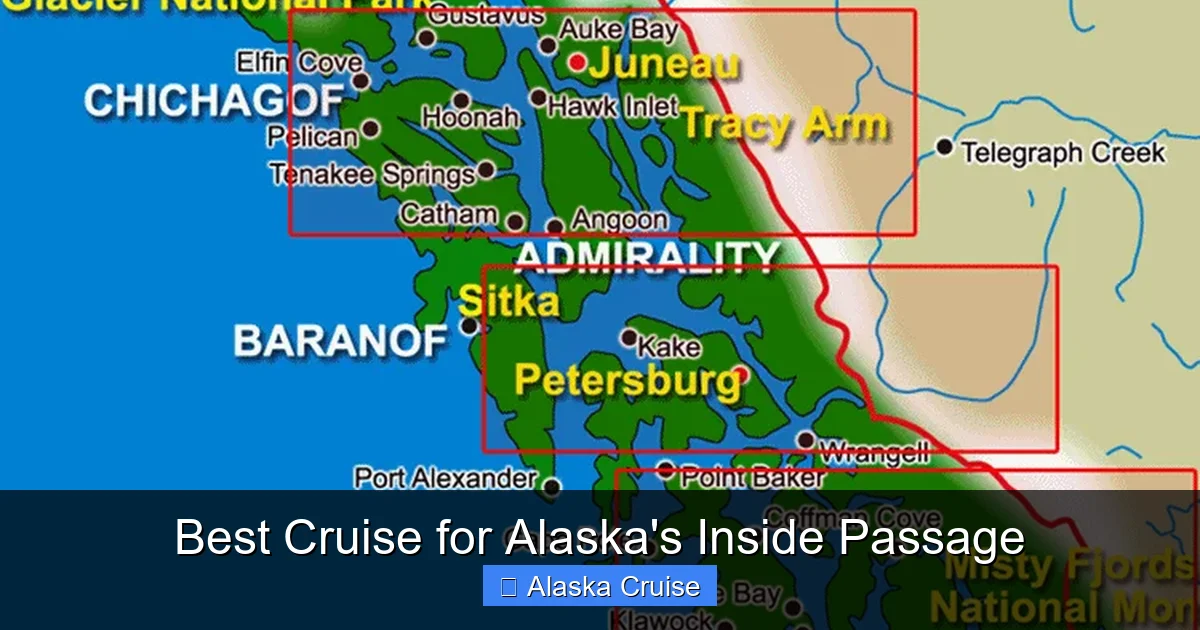
Choosing the best cruise for Alaska’s Inside Passage can make or break your adventure. With so many options, finding the right ship, itinerary, and experience is key to seeing glaciers, wildlife, and charming coastal towns in comfort and style.
Key Takeaways
- Itinerary matters most: Look for cruises that spend full days in key ports like Juneau, Skagway, and Ketchikan to maximize exploration time.
- Smaller ships offer better access: Ships under 200 passengers can dock in smaller harbors and offer more intimate wildlife viewing.
- Glacier viewing is a highlight: Choose a cruise that includes Glacier Bay National Park or Tracy Arm Fjord for unforgettable ice experiences.
- Wildlife sightings are common: Expect whales, bears, eagles, and sea lions—bring binoculars and a good camera.
- Onboard enrichment enhances the trip: Lectures from naturalists and historians add depth to your journey.
- Book early for best cabins and deals: Alaska cruises sell out fast, especially during peak summer months.
- Packing smart is essential: Layered clothing, waterproof gear, and motion sickness remedies are must-haves.
📑 Table of Contents
- Why Alaska’s Inside Passage Is a Must-See Destination
- What Makes a Cruise the “Best” for Alaska’s Inside Passage?
- Best Itineraries for Alaska’s Inside Passage
- Wildlife and Shore Excursions: Making the Most of Your Port Stops
- When to Go: Timing Your Alaska Cruise
- Final Thoughts: Choosing the Best Cruise for You
Why Alaska’s Inside Passage Is a Must-See Destination
Alaska’s Inside Passage is one of the most breathtaking coastal journeys on Earth. Stretching over 1,000 miles from Washington State up through British Columbia and into southeastern Alaska, this narrow waterway winds through a maze of islands, fjords, and towering mountain ranges. It’s a region where nature dominates—glaciers calve into icy waters, humpback whales breach near the ship, and bald eagles soar above lush temperate rainforests.
What makes the Inside Passage so special isn’t just the scenery—it’s the sense of adventure. You’re not just looking at postcard views; you’re immersed in them. Whether you’re watching a glacier the size of a city block crack and thunder into the sea or spotting a black bear foraging along a rocky shore, every moment feels raw and real. This is Alaska at its most untamed.
Cruising is the ideal way to experience this region. Unlike driving or flying, a cruise lets you glide silently through protected waters, stopping at remote ports that are otherwise hard to reach. You get the comfort of a floating hotel with gourmet meals, live entertainment, and expert guides—all while waking up to a new natural wonder each morning.
What Makes a Cruise the “Best” for Alaska’s Inside Passage?
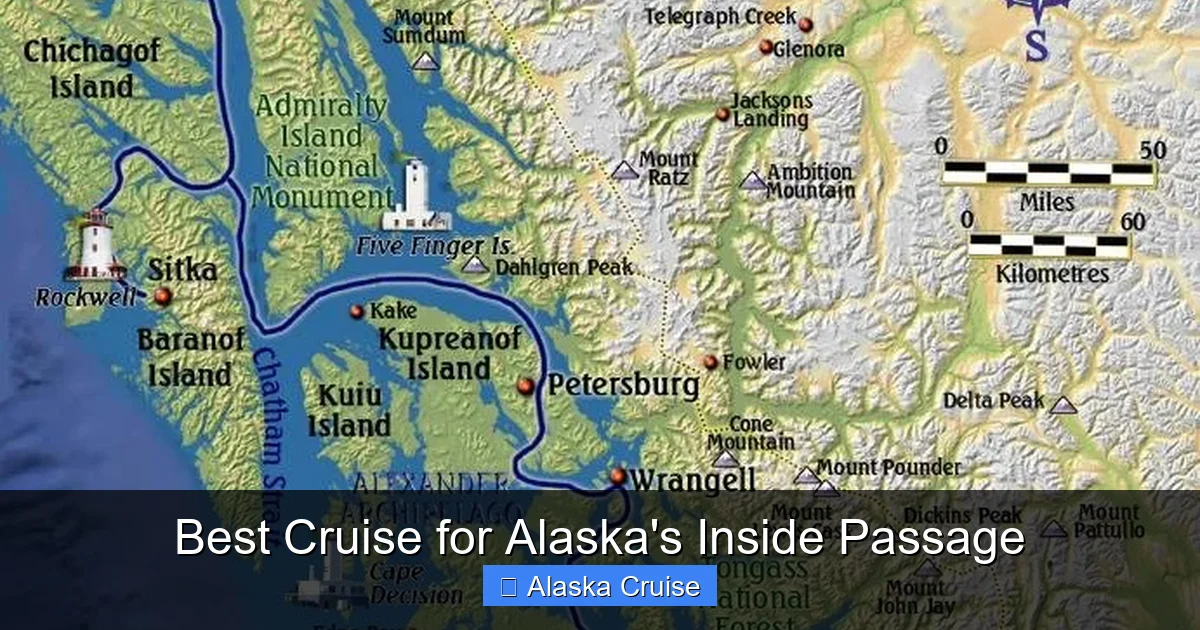
Visual guide about Best Cruise for Alaska’s Inside Passage
Image source: images-na.ssl-images-amazon.com
With dozens of cruise lines offering Alaska itineraries, it’s easy to feel overwhelmed. So what separates a good cruise from the best cruise for Alaska’s Inside Passage? It comes down to a few key factors: itinerary design, ship size, onboard experience, and value for money.
First, the itinerary. The best cruises spend meaningful time in major ports like Juneau, Skagway, and Ketchikan, rather than just zipping through. They also include at least one full day in a glacier-rich area like Glacier Bay National Park or Tracy Arm Fjord. These aren’t just photo ops—they’re immersive experiences where you can hear the ice groan and feel the cool mist on your face.
Ship size plays a huge role too. Larger ships (think 3,000+ passengers) offer more amenities—multiple dining venues, Broadway-style shows, and sprawling pools—but they can’t access smaller harbors. Smaller ships, especially those under 200 passengers, can dock in places like Wrangell or Haines, offering a more personal and flexible experience. They also tend to have more naturalists and expedition staff on board.
Onboard programming is another differentiator. The best cruises don’t just show you Alaska—they teach you about it. Look for ships with certified naturalists, marine biologists, and local historians who give daily lectures on wildlife, geology, and Indigenous cultures. These experts often lead shore excursions and answer questions during scenic cruising.
Finally, value matters. The “best” cruise isn’t always the most expensive. Some mid-tier lines offer incredible experiences at a fraction of the cost of luxury brands. It’s about matching your priorities—whether that’s gourmet dining, adventure activities, or quiet relaxation—with the right ship.
Top Cruise Lines for Alaska’s Inside Passage
Several cruise lines stand out when it comes to exploring Alaska’s Inside Passage. Each offers a unique flavor, so your choice depends on your travel style.
Holland America Line is a longtime favorite for Alaska cruises. Known for their classic, elegant ships and strong focus on enrichment, Holland America offers 7- to 14-day itineraries that include Glacier Bay, Juneau, Skagway, and Ketchikan. Their ships, like the ms Nieuw Amsterdam and ms Eurodam, are mid-sized (around 1,400 passengers), striking a balance between comfort and access. They also partner with the National Park Service, offering ranger-led programs in Glacier Bay.
Princess Cruises is another top contender. With a fleet of modern ships and a reputation for excellent service, Princess offers a range of itineraries, including their popular “Connoisseur” cruises that spend extra time in key ports. Their “North to Alaska” program includes immersive shore excursions like gold panning in Skagway and bear viewing in Ketchikan. Ships like the Grand Princess and Ruby Princess are well-suited for families and couples alike.
For a more intimate experience, consider UnCruise Adventures. These small ships (60–88 passengers) focus on adventure and wildlife. Think Zodiac excursions, kayaking among icebergs, and hiking in temperate rainforests. UnCruise itineraries often include lesser-known stops like Petersburg and Hoonah, and their naturalist guides are top-notch. It’s a pricier option, but ideal for travelers who want to get off the beaten path.
Crystal Cruises (now relaunched as Crystal) offers luxury Alaska voyages on ships like the Crystal Serenity. With all-suite accommodations, Michelin-starred dining, and personalized service, Crystal is perfect for travelers seeking indulgence. Their itineraries often include longer stays in ports and exclusive shore experiences, like private dinners in historic lodges.
Lastly, Norwegian Cruise Line (NCL) appeals to those who want flexibility and fun. Known for their “Freestyle Cruising,” NCL lets you dine when and where you want, with no formal dress codes. Ships like the Norwegian Encore offer a lively atmosphere with comedy shows, water parks, and multiple dining options. While not as focused on enrichment as Holland America or Princess, NCL is great for families and younger travelers.
Best Itineraries for Alaska’s Inside Passage
Not all Alaska cruises are created equal—especially when it comes to itinerary. The best cruise for Alaska’s Inside Passage will include a mix of scenic cruising, port stops, and glacier viewing. Here’s what to look for.
A classic 7-day roundtrip from Seattle or Vancouver typically includes four main ports: Juneau, Skagway, Ketchikan, and Victoria, BC. This is a great intro to the region, offering a taste of each destination. However, these itineraries often spend less time in port and more time at sea, so if you want deeper exploration, consider a longer cruise.
One of the most rewarding itineraries is the 10- to 14-day one-way cruise between Seattle/Vancouver and Seward or Whittier (gateway to Denali National Park). These “open-jaw” cruises allow you to see more of Alaska without backtracking. You’ll still hit the major Inside Passage ports, but you’ll also get a full day in Glacier Bay and time in College Fjord or Hubbard Glacier—two of the most dramatic ice fields in the world.
For wildlife lovers, look for itineraries that include Icy Strait Point near Hoonah. This area is one of the best places in Alaska to see humpback whales, and many cruises offer whale-watching excursions right from the dock. Similarly, cruises that stop in Wrangell provide access to the Stikine River Delta, a prime spot for bear viewing.
If you’re short on time, a 5-day cruise from Juneau to Ketchikan (or vice versa) can be a great option. These shorter voyages often focus on the heart of the Inside Passage, with two full days of glacier viewing and stops in Skagway and Haines. They’re ideal for first-time cruisers or those with limited vacation days.
Glacier Viewing: Where and When to See the Ice
No Alaska cruise is complete without seeing a glacier up close. The Inside Passage is home to some of the most accessible and active glaciers in the world. The best cruise for Alaska’s Inside Passage will include at least one major glacier stop.
Glacier Bay National Park is a UNESCO World Heritage Site and a must-see. Most major cruise lines partner with the National Park Service to offer guided tours through the bay. Ships slow to a crawl as you pass massive tidewater glaciers like Margerie and Lamplugh. Rangers come aboard to explain the geology and ecology, and you’ll likely see ice calving—when chunks of glacier break off and crash into the water.
Tracy Arm Fjord is another stunning option. This narrow, U-shaped fjord is flanked by 3,000-foot granite cliffs and ends at the twin Sawyer Glaciers. Smaller ships can navigate deeper into the fjord, offering closer views of icebergs and waterfalls. It’s a quieter, more remote experience than Glacier Bay, perfect for photographers and nature lovers.
Endicott Arm and Dawes Glacier are often included on northbound itineraries. Dawes Glacier is particularly active, with frequent calving events. The surrounding area is rich in wildlife, including seals, sea lions, and mountain goats.
Timing matters too. Glaciers are most active in July and August, when warmer temperatures increase calving. However, earlier in the season (May–June), you may see more ice and fewer crowds. Later in the season (August–September), wildlife is more active, and the fall colors begin to appear.
Wildlife and Shore Excursions: Making the Most of Your Port Stops
One of the biggest draws of an Alaska cruise is the chance to see wildlife in its natural habitat. The best cruise for Alaska’s Inside Passage will offer a variety of shore excursions that let you get up close—safely and responsibly—with the region’s iconic animals.
In Juneau, don’t miss a whale-watching tour. The waters around Juneau are a feeding ground for humpback whales, and many tours guarantee sightings. You might also see orcas, sea lions, and porpoises. For a land-based adventure, take a guided hike in Mendenhall Glacier Park or visit the Alaska State Museum to learn about Indigenous Tlingit culture.
Skagway is a gateway to the Klondike Gold Rush history. Ride the White Pass & Yukon Route Railway, a narrow-gauge train that climbs 2,800 feet through steep mountain passes. It’s one of the most scenic train rides in North America. You can also try gold panning, visit the historic downtown, or take a dog sledding tour on a glacier (yes, really!).
In Ketchikan, known as the “Salmon Capital of the World,” you can tour a working fish hatchery, watch bears fishing at Anan Creek, or explore the Totem Heritage Center. A floatplane tour over Misty Fjords National Monument is another unforgettable experience—soaring over waterfalls and jagged peaks with views that feel otherworldly.
For a more adventurous option, consider a kayaking or Zodiac tour. Many small ships and expedition cruises offer these as part of their itinerary. Paddling among icebergs in a quiet cove or cruising past a glacier in a Zodiac gives you a completely different perspective than viewing from the ship.
Packing Tips for Your Alaska Cruise
Packing for an Alaska cruise is all about layers and versatility. The weather can change quickly—sunny one minute, rainy the next—and temperatures can vary by 20 degrees between morning and afternoon.
Start with a waterproof jacket and pants. Even if the forecast looks clear, you’ll want protection during tendering (when you take a small boat to shore) and scenic cruising. A hat, gloves, and warm socks are also essential, especially for glacier days.
Layering is key. Wear a moisture-wicking base layer, a fleece or sweater, and a windproof outer layer. This way, you can adjust as the temperature changes. Don’t forget comfortable walking shoes with good grip—many shore excursions involve uneven terrain.
Don’t forget the essentials: sunscreen (yes, even in Alaska!), sunglasses, a reusable water bottle, and motion sickness remedies. Binoculars are a must for wildlife viewing, and a good camera with a zoom lens will help you capture those distant whales and glaciers.
Finally, check your cruise line’s dress code. Most have casual and formal nights, so pack at least one nicer outfit. But remember—Alaska is casual. Comfort and practicality should always come first.
When to Go: Timing Your Alaska Cruise
The Alaska cruise season runs from May to September, with peak months in June, July, and August. Each month offers a slightly different experience.
May and early June are ideal for fewer crowds and lower prices. The weather is cooler, but you’ll see more ice in the glaciers and possibly even snow-capped peaks. Wildlife is active, and the spring blooms are just beginning.
July and August are the busiest months, with the warmest weather and longest days. This is peak whale-watching season, and all shore excursions are running. However, ports can be crowded, and prices are at their highest.
September offers a quieter experience with stunning fall colors. The weather is still mild, and wildlife is abundant as animals prepare for winter. Some cruise lines offer “shoulder season” deals, making it a great time for budget-conscious travelers.
No matter when you go, be prepared for variable weather. Rain is common, especially in Ketchikan, which gets over 150 inches of rain per year. But even on overcast days, the scenery is dramatic and beautiful.
Final Thoughts: Choosing the Best Cruise for You
So, what’s the best cruise for Alaska’s Inside Passage? The answer depends on you. Are you looking for luxury and fine dining? Consider Crystal or Seabourn. Want adventure and wildlife? UnCruise or Lindblad Expeditions might be your match. Prefer a balance of comfort, enrichment, and value? Holland America or Princess are excellent choices.
The key is to prioritize what matters most: glacier viewing, wildlife, port time, or onboard amenities. Read reviews, compare itineraries, and talk to a travel agent who specializes in Alaska. And remember—no matter which cruise you choose, you’re in for an unforgettable journey through one of the world’s last great wildernesses.
Alaska’s Inside Passage isn’t just a destination. It’s a transformation. It’s the kind of trip that stays with you long after you’ve unpacked your suitcase. So take the leap. Book that cruise. And get ready to fall in love with the Last Frontier.
Frequently Asked Questions
What is the best time of year to cruise Alaska’s Inside Passage?
The best time is typically July and August, when weather is warmest and wildlife is most active. However, May and September offer fewer crowds and lower prices, with unique seasonal highlights like spring ice or fall colors.
Do I need to book shore excursions in advance?
Yes, popular excursions like whale watching, dog sledding, and flightseeing often sell out quickly. Booking ahead ensures you get your top choices and often saves money compared to buying onboard.
Can I see glaciers on every Alaska cruise?
Most cruises include at least one glacier stop, such as Glacier Bay, Tracy Arm, or Endicott Arm. Check your itinerary to confirm which glaciers are included and how much time is spent viewing them.
Are Alaska cruises suitable for families?
Absolutely. Many cruise lines, like Norwegian and Princess, offer kids’ clubs, family-friendly activities, and shore excursions designed for all ages. Just choose a ship with amenities that match your family’s interests.
What should I wear on an Alaska cruise?
Pack layers, including a waterproof jacket, warm fleece, and comfortable walking shoes. Even in summer, temperatures can be cool, especially on glacier days. Don’t forget sunglasses, sunscreen, and binoculars.
Do I need travel insurance for an Alaska cruise?
Highly recommended. Travel insurance can cover trip cancellations, medical emergencies, and missed connections. Some policies also include coverage for shore excursion cancellations due to weather.