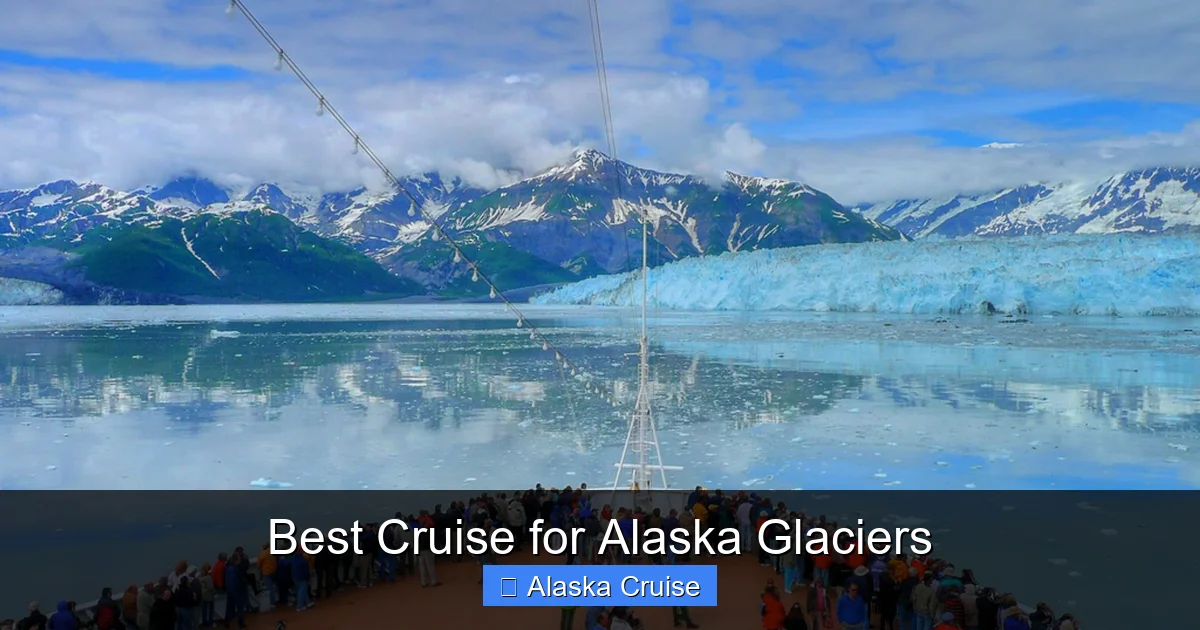
Choosing the best cruise for Alaska glaciers means finding a ship that gets you close to towering ice walls, offers expert guides, and sails the right routes. From Glacier Bay to Hubbard Glacier, the right cruise blends comfort, adventure, and unforgettable views.
Imagine standing on the deck of a ship, the crisp Alaskan air filling your lungs, as a colossal wall of blue ice rises from the sea. A low rumble echoes across the water—then, with a thunderous crack, a chunk of glacier calves into the ocean, sending up a splash that glistens in the sunlight. This isn’t a scene from a movie. This is real. This is Alaska. And the best cruise for Alaska glaciers brings you face-to-face with one of nature’s most powerful spectacles.
Alaska’s glaciers are not just frozen rivers—they’re living, moving landscapes that shape the coastline, influence wildlife, and tell stories of climate and time. From the towering face of Hubbard Glacier to the serene beauty of Tracy Arm’s twin glaciers, these icy giants are the crown jewels of any Alaskan voyage. But not all cruises are created equal when it comes to glacier viewing. Some ships hug the coast, offering panoramic views from your balcony. Others venture deep into protected parks where park rangers come aboard to explain the science behind the ice. The right cruise doesn’t just show you glaciers—it helps you understand them.
So how do you pick the best cruise for Alaska glaciers? It’s not just about the destination. It’s about the journey. The ship size, the itinerary, the onboard experts, and even the time of year all play a role in crafting an unforgettable experience. Whether you’re a first-time cruiser or a seasoned traveler, this guide will help you navigate the icy waters of Alaska’s cruise scene and find the voyage that’s perfect for you.
Key Takeaways
- Glacier proximity matters: Smaller ships can navigate narrow fjords and get closer to glaciers than large vessels.
- Peak season is key: May to September offers the best weather, wildlife, and glacier activity.
- National Park Rangers enhance the experience: Cruises that include ranger-led programs offer deeper insights into glacier ecology.
- Itinerary length impacts glacier access: 7- to 14-day cruises often include multiple glacier stops and remote areas.
- Shore excursions add value: Kayaking, helicopter tours, and dog sledding complement glacier viewing.
- Ship size affects comfort and access: Mid-sized ships balance amenities with maneuverability in icy waters.
- Book early for best cabins and deals: Popular glacier routes fill up fast, especially for balcony rooms with ocean views.
📑 Table of Contents
- Why Alaska’s Glaciers Are a Must-See
- Top Glacier Destinations on an Alaska Cruise
- Choosing the Right Cruise Line for Glacier Viewing
- Best Time to Cruise for Glacier Viewing
- What to Expect Onboard During Glacier Days
- Shore Excursions That Enhance the Glacier Experience
- Tips for Booking the Best Cruise for Alaska Glaciers
- Conclusion
Why Alaska’s Glaciers Are a Must-See
Alaska is home to over 100,000 glaciers, covering nearly 29,000 square miles—more than the entire state of South Carolina. These aren’t just frozen lakes; they’re dynamic systems that carve valleys, feed rivers, and support entire ecosystems. The state’s most famous glaciers, like Mendenhall, Hubbard, and the glaciers of Glacier Bay National Park, are accessible only by boat or plane, making a cruise the ideal way to experience them.
The Science Behind the Ice
Glaciers form when snow accumulates over centuries, compressing into dense ice that slowly flows downhill under its own weight. In Alaska, many glaciers terminate in the ocean, creating dramatic calving events where massive ice chunks break off and crash into the sea. This process, known as calving, is both mesmerizing and a key indicator of climate change. Scientists study these glaciers to understand how warming temperatures affect sea levels and marine life.
Glaciers as Ecosystem Anchors
Glaciers don’t exist in isolation. They feed cold, nutrient-rich waters that support salmon runs, orca pods, and seabird colonies. The meltwater from glaciers like the Margerie and Lamplugh in Glacier Bay creates a unique environment where marine life thrives. When you cruise past a glacier, you’re not just seeing ice—you’re witnessing the heartbeat of an entire ecosystem.
A Cultural and Historical Treasure
For Alaska Native communities, glaciers are more than natural wonders—they’re part of ancestral stories and traditional knowledge. The Tlingit and Haida peoples have lived alongside these icy giants for thousands of years, relying on the rivers and wildlife they sustain. Many cruise lines now partner with Indigenous guides to share these perspectives, adding depth to the glacier experience.
Top Glacier Destinations on an Alaska Cruise
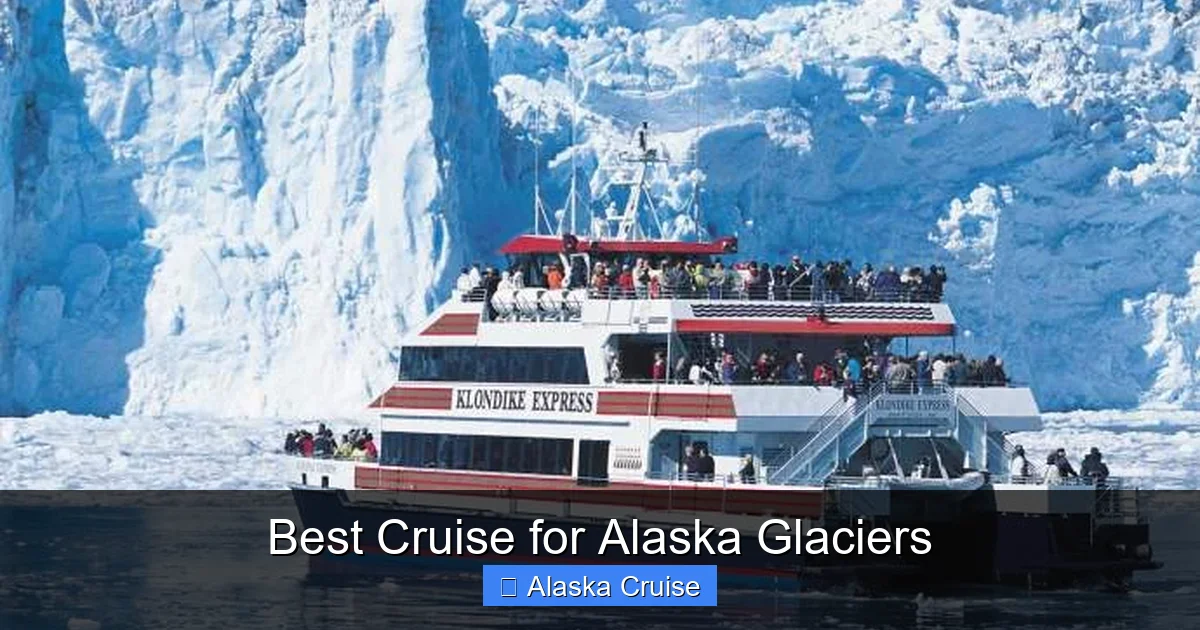
Visual guide about Best Cruise for Alaska Glaciers
Image source: uploads.alaska.org
Not all glaciers are the same, and not all cruise routes visit the same ones. The best cruise for Alaska glaciers will include a mix of iconic stops and hidden gems. Here are the top glacier destinations you should look for on your itinerary.
Glacier Bay National Park
A UNESCO World Heritage Site and one of the most protected areas in Alaska, Glacier Bay is a must-see. This 3.3-million-acre park is home to over a dozen tidewater glaciers, including the famous Margerie and Grand Pacific Glaciers. Ships enter the park early in the morning and spend the day slowly cruising through icy waters, often stopping for ranger-led programs. The park’s strict visitor limits mean you’ll share the experience with only a few other ships, creating a serene, almost sacred atmosphere.
Hubbard Glacier
At over 76 miles long and nearly 7 miles wide at its face, Hubbard Glacier is one of the largest tidewater glaciers in North America. Located near Yakutat, it’s a highlight on many northbound cruises. Hubbard is known for its frequent calving events—some so large they create mini-tsunamis. The glacier’s sheer size and power make it a favorite among photographers and nature lovers. Because it’s so active, no two visits are the same.
Tracy Arm and Sawyer Glaciers
Tucked away in a narrow fjord near Juneau, Tracy Arm is often called “Alaska’s most beautiful fjord.” The journey there is an adventure in itself, with towering granite walls, waterfalls, and wildlife like black bears and mountain goats. At the end of the fjord, the twin Sawyer Glaciers—North and South—stand like sentinels over the icy waters. Smaller ships can get closer here, offering up-close views of blue ice and calving events.
College Fjord
Located near Whittier, College Fjord is home to 26 named glaciers, many of which were discovered by Harvard and Yale alumni during an 1899 expedition (hence the “college” name). The fjord is particularly striking because of the contrast between the dark, jagged peaks and the bright blue ice. It’s a quieter stop, often included on round-trip cruises from Seattle or Vancouver.
Mendenhall Glacier
While not directly accessible by cruise ship, Mendenhall Glacier near Juneau is a popular shore excursion. Many cruises offer helicopter tours or bus rides to the visitor center, where you can walk on boardwalks and even take a guided glacier trek. It’s a great way to get off the ship and experience the ice up close.
Choosing the Right Cruise Line for Glacier Viewing
With so many cruise lines offering Alaska itineraries, it can be overwhelming to choose. The best cruise for Alaska glaciers depends on your priorities: luxury, adventure, education, or value. Here’s a breakdown of the top options.
Small Ships: Intimate and Immersive
Lines like UnCruise Adventures, Lindblad Expeditions, and Alaskan Dream Cruises operate smaller vessels (under 100 passengers) that can navigate narrow fjords and get closer to glaciers. These cruises often include naturalist guides, Zodiac landings, and flexible itineraries that allow for spontaneous stops when wildlife or calving is spotted. If you want a hands-on, educational experience, a small ship is ideal.
Mid-Sized Ships: Balance of Comfort and Access
Ships from Holland America, Princess Cruises, and Celebrity Cruises fall into this category. With 1,000 to 2,000 passengers, they offer more amenities—like multiple dining options, spas, and entertainment—while still being able to enter Glacier Bay and other key sites. These lines often include National Park Rangers on board and offer a range of shore excursions. They’re a great middle ground for travelers who want comfort without sacrificing glacier access.
Large Ships: Big Amenities, Limited Access
Major lines like Royal Caribbean and Norwegian Cruise Line operate large vessels that can carry over 4,000 passengers. While these ships offer incredible onboard experiences—rock climbing walls, Broadway-style shows, and multiple pools—they’re often too big to enter Glacier Bay or navigate tight fjords. Instead, they may offer views from a distance or focus on other ports like Ketchikan and Skagway. If glacier proximity is your top priority, a large ship may not be the best choice.
Luxury Cruises: Premium Experience
For travelers seeking the ultimate in comfort, luxury lines like Seabourn, Silversea, and Crystal Cruises offer all-suite accommodations, gourmet dining, and personalized service. These ships are smaller than mainstream vessels and can access remote areas. They often include expert lecturers, private excursions, and exclusive experiences like glacier-viewing from a private balcony. While expensive, they deliver a high-end glacier experience.
Best Time to Cruise for Glacier Viewing
Timing is everything when it comes to seeing Alaska’s glaciers at their best. The cruise season runs from May to September, but each month offers a different experience.
May and June: Quiet and Wild
Early season cruises offer fewer crowds, lower prices, and the chance to see glaciers before peak melt. Wildlife is abundant—bears are active, and migratory birds return. However, some shore excursions may be limited due to snow, and weather can be unpredictable.
July and August: Peak Season
These are the most popular months for a reason. The weather is warmest, daylight lasts nearly 20 hours, and all excursions are operational. Glaciers are most active, with frequent calving events. However, ships and ports are crowded, and prices are at their highest.
September: Fall Colors and Calm Waters
Late-season cruises offer stunning fall foliage, fewer tourists, and stable weather. Glaciers are still visible, and wildlife is active as animals prepare for winter. Some lines offer discounts, making it a great value. However, daylight decreases, and some parks may begin closing.
What to Expect Onboard During Glacier Days
Glacier days are the highlight of any Alaska cruise, and cruise lines go all out to make them memorable. Here’s what you can expect.
Naturalist Talks and Ranger Programs
Many ships feature onboard naturalists who give lectures about glaciers, wildlife, and Alaskan history. In Glacier Bay, a National Park Ranger comes aboard to provide expert commentary and answer questions. These programs are often held on the deck or in the theater and are included in your fare.
Prime Viewing Spots
Most ships have designated viewing areas on the bow or upper decks. Some even have heated outdoor spaces with telescopes. If you have a balcony cabin, you’ll have a front-row seat to the action. For the best views, head outside early—glaciers are often most active in the morning.
Calming the Seas
Glacier days often mean calm waters, but if the sea is choppy, the ship may slow down or change course. Crew members are trained to ensure passenger comfort, and motion-sickness remedies are available at the medical center.
Photography Tips
Bring a zoom lens for close-up shots of calving ice, and use a polarizing filter to reduce glare. Early morning light offers the best colors, with the blue ice glowing against the dark water. Don’t forget to look up—eagles, puffins, and whales often appear near glaciers.
Shore Excursions That Enhance the Glacier Experience
While the ship provides incredible views, getting off the boat can deepen your connection to Alaska’s glaciers.
Kayaking Near Glaciers
Guided kayak tours in places like Tracy Arm or Kenai Fjords let you paddle within feet of icebergs and glaciers. It’s a peaceful, intimate way to experience the scale and sound of the ice.
Helicopter and Glacier Walks
Many cruises offer helicopter tours that land on glaciers like Mendenhall or the Juneau Icefield. Certified guides lead short walks on the ice, explaining its formation and history. It’s a once-in-a-lifetime adventure.
Dog Sledding on Ice
Some tours include dog sledding on glacier ice, where you’ll ride in a sled pulled by Alaskan huskies. It’s a thrilling way to experience the culture and history of the region.
Wildlife and Nature Tours
Combine glacier viewing with wildlife spotting. Tours in places like Icy Strait Point or Glacier Bay often include whale watching, bear viewing, and birdwatching—all enhanced by the glacial backdrop.
Tips for Booking the Best Cruise for Alaska Glaciers
Ready to book? Here are some practical tips to ensure you get the most out of your glacier cruise.
Book Early
Popular itineraries, especially those visiting Glacier Bay, sell out months in advance. Booking early also gives you the best choice of cabins, particularly balcony rooms with ocean views.
Choose the Right Cabin
For glacier days, a cabin on the starboard (right) side of the ship is often best on northbound cruises, as you’ll face the glaciers as the ship approaches. On southbound cruises, port-side cabins are ideal. Balcony cabins are worth the extra cost for unobstructed views.
Pack Smart
Even in summer, Alaskan weather can be cool and wet. Bring layers, a waterproof jacket, gloves, and binoculars. A good camera with extra batteries is essential—outlets may be limited on deck.
Check the Itinerary
Not all cruises visit the same glaciers. Look for itineraries that include Glacier Bay, Hubbard Glacier, and Tracy Arm. Round-trip cruises from Seattle or Vancouver often offer more glacier time than one-way trips.
Consider a Cruise-Tour Combo
Many lines offer cruise-tour packages that include land tours to Denali National Park or the Kenai Peninsula. These add depth to your trip and let you explore more of Alaska’s wilderness.
Read Reviews
Check recent passenger reviews on sites like Cruise Critic or TripAdvisor. Look for comments about glacier viewing, ship size, and onboard programs.
Conclusion
The best cruise for Alaska glaciers is one that combines the right ship, the right itinerary, and the right timing to deliver an unforgettable experience. Whether you’re marveling at the calving face of Hubbard Glacier, paddling silently past icebergs in Tracy Arm, or listening to a park ranger explain the science of ice in Glacier Bay, you’re witnessing one of nature’s greatest shows. Alaska’s glaciers are more than just frozen water—they’re symbols of resilience, beauty, and the ever-changing face of our planet. Choose your cruise wisely, pack your sense of wonder, and get ready to be awed.
Frequently Asked Questions
What is the best month to see glaciers in Alaska?
July and August offer the best weather, longest daylight, and most active glaciers. However, May and September provide fewer crowds and lower prices, with still-excellent viewing opportunities.
Can you get close to glaciers on a cruise?
Yes, especially on smaller ships that can navigate narrow fjords. Ships typically stop within a few hundred yards of glaciers, allowing for stunning views and photo opportunities.
Do all Alaska cruises visit Glacier Bay?
No. Glacier Bay is only accessible to a limited number of ships due to park regulations. Check your itinerary to confirm if Glacier Bay is included.
Are there glaciers you can walk on during a cruise?
Yes, through shore excursions like helicopter tours to Mendenhall Glacier or guided glacier walks. These require booking in advance and may have age or fitness requirements.
What should I wear when viewing glaciers?
Dress in layers with a waterproof outer layer. Even in summer, it can be cold and windy near glaciers. Don’t forget gloves, a hat, and sunglasses.
Is it safe to cruise near glaciers?
Yes. Ships maintain a safe distance and are equipped with experienced crews. Calving events are monitored, and safety protocols are in place to protect passengers.