Choosing the best cruise for Alaska can transform your vacation into an unforgettable adventure. With stunning glaciers, abundant wildlife, and charming coastal towns, Alaska offers one of the world’s most scenic cruise experiences. This guide helps you pick the perfect voyage based on itinerary, ship size, activities, and budget.
Key Takeaways
- Best Time to Cruise Alaska: May through September offers mild weather, longer daylight, and peak wildlife activity.
- Top Cruise Lines: Holland America, Princess Cruises, and Norwegian Cruise Line are known for excellent Alaska itineraries and service.
- Inside Passage vs. Gulf Route: Inside Passage cruises focus on lush rainforests and coastal towns, while Gulf routes venture deeper into glaciers like Hubbard and Glacier Bay.
- Small Ships Offer More Access: Smaller vessels can reach remote ports and offer more intimate wildlife viewing and glacier experiences.
- Shore Excursions Are Key: Book whale watching, dog sledding, or glacier hikes in advance for the best Alaska experiences.
- Budget Considerations: Mid-size ships often offer the best balance of price, amenities, and itinerary quality.
- Pack Smart: Layers, waterproof gear, and binoculars are essential for comfort and sightseeing.
📑 Table of Contents
- Why Alaska Should Be on Your Travel Bucket List
- When to Go: Timing Your Alaska Cruise
- Top Cruise Lines for Alaska: Which One Is Right for You?
- Inside Passage vs. Gulf of Alaska: Choosing Your Route
- Must-See Ports and Shore Excursions
- Packing Tips and What to Expect Onboard
- How to Choose the Best Cruise for Alaska
- Conclusion: Your Alaska Adventure Awaits
Why Alaska Should Be on Your Travel Bucket List
Alaska isn’t just a destination—it’s a journey into the wild heart of North America. Imagine cruising past towering glaciers that calve into icy waters, spotting humpback whales breaching in the distance, or hiking through ancient rainforests where eagles soar overhead. This is Alaska, a land of raw beauty and untamed landscapes that few places on Earth can match.
What makes Alaska truly special is its combination of dramatic natural wonders and rich cultural heritage. From the Tlingit and Haida Indigenous communities to gold rush towns like Skagway, every port tells a story. Whether you’re marveling at the 300-foot-tall face of a glacier or sipping local salmon chowder in a seaside café, Alaska offers experiences that feel both timeless and awe-inspiring.
And the best way to explore this vast, rugged coastline? By cruise ship. Cruising allows you to see multiple destinations without the hassle of constant packing and unpacking. You wake up in a new port each morning, often with a front-row seat to nature’s greatest shows. From the Inside Passage to the Gulf of Alaska, a well-chosen cruise can deliver the adventure of a lifetime.
When to Go: Timing Your Alaska Cruise
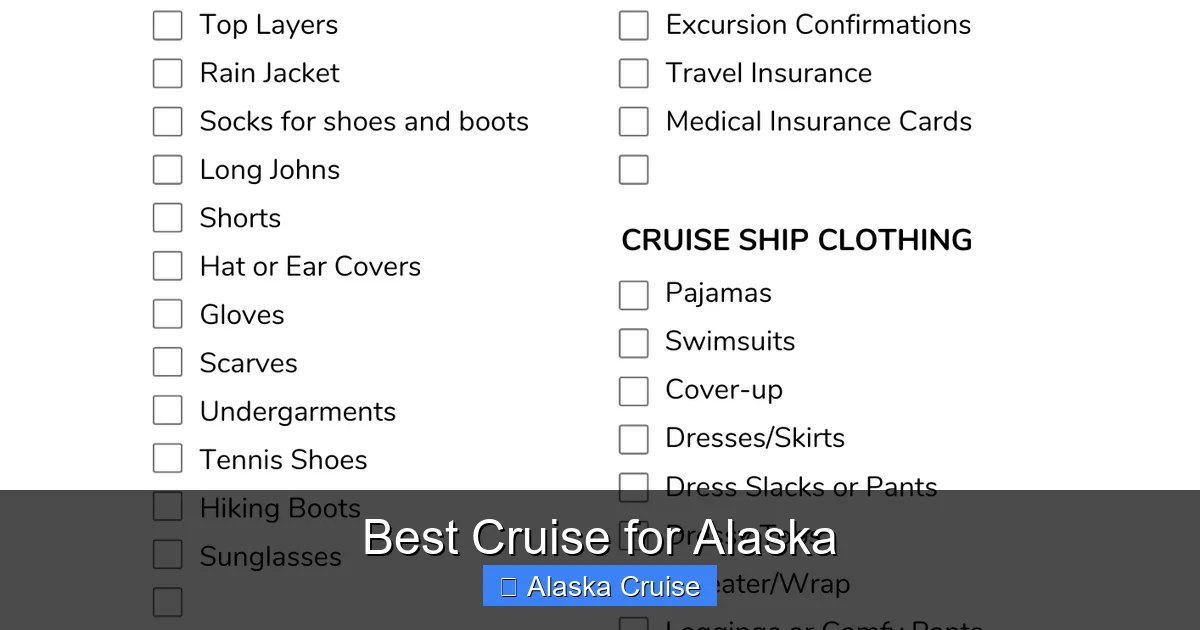
Visual guide about Best Cruise for Alaska
Image source: worksheets.clipart-library.com
One of the first decisions you’ll make is when to sail. Alaska’s cruise season runs from May to September, and each month offers a slightly different experience.
May: The Quiet Start
May is the beginning of the season, and while it’s still early, it has its perks. The weather is mild, crowds are smaller, and prices are often lower. Wildlife is active as animals emerge from winter, and you might catch the tail end of spring blooms. However, some shore excursions may not be fully operational yet, and daylight hours are increasing rapidly—by late May, you’ll enjoy nearly 18 hours of daylight.
June and July: Peak Season
These are the most popular months for a reason. The weather is at its best, with daytime temperatures ranging from 50°F to 70°F. Glaciers are accessible, and wildlife viewing is at its peak—bears fishing for salmon, whales migrating, and puffins nesting. The long daylight hours mean more time to explore, but also more tourists. If you want the full Alaska experience with ideal conditions, June and July are hard to beat.
August: Wildlife and Foliage
August brings slightly cooler weather and the start of fall colors in the interior. It’s still a great time for wildlife, especially bears in places like Ketchikan and Juneau. The crowds begin to thin toward the end of the month, and some cruise lines offer last-minute deals. It’s a sweet spot for travelers who want good weather without the peak-season rush.
September: The Quiet Farewell
September is the final month of the season, and it offers a more peaceful, reflective Alaska. The weather can be unpredictable—cooler and wetter—but the scenery is stunning with autumn hues. Wildlife is still active, and you’ll have a more intimate experience with fewer tourists. Some ships and excursions may start closing, so check availability early.
No matter when you go, pack for variable weather. Layers are your best friend—bring a waterproof jacket, warm fleece, and comfortable walking shoes. And don’t forget your camera: Alaska’s light in the summer months is magical, especially during the “golden hour” that lasts much longer than in lower latitudes.
Top Cruise Lines for Alaska: Which One Is Right for You?
With so many cruise lines offering Alaska voyages, it can be tough to choose. Each has its own style, itinerary focus, and onboard experience. Here’s a breakdown of the best cruise for Alaska based on different traveler preferences.
Holland America Line: The Classic Choice
Holland America has been cruising Alaska for over 50 years and knows the region better than most. Their ships, like the *Nieuw Amsterdam* and *Eurodam*, are mid-sized and designed for comfort and scenic viewing. They offer a balanced mix of relaxation and enrichment, with onboard naturalists, lectures on Alaskan wildlife, and cultural performances.
Their itineraries often include Glacier Bay National Park, a UNESCO World Heritage Site, and they’re known for their excellent shore excursions. If you’re looking for a traditional, well-organized cruise with a focus on education and scenery, Holland America is a top pick.
Princess Cruises: The Scenic Specialist
Princess Cruises is another Alaska veteran, with a fleet of ships built for the rugged coastline. Their “North to Alaska” program includes exclusive access to the *Wilderness Express* train, which takes passengers from the ship to Denali National Park—a huge advantage for inland exploration.
Princess ships feature large observation lounges and wraparound decks, perfect for glacier viewing. They also offer “Cruise & Land” packages that combine a cruise with a land tour, ideal for those who want to see both the coast and the interior. Their service is polished, and their itineraries are well-paced, making them a favorite among families and older travelers.
Norwegian Cruise Line: The Flexible Option
Norwegian is known for its “Freestyle Cruising” concept—no fixed dining times, casual dress codes, and a wide range of onboard activities. This makes them a great choice for travelers who want more freedom and variety.
Their Alaska itineraries often include longer stays in ports like Juneau and Ketchikan, giving you more time to explore. They also offer unique excursions, like flightseeing over glaciers or ziplining in the rainforest. If you prefer a more relaxed, customizable experience with plenty of entertainment options, Norwegian is a strong contender.
Small Ship Cruises: Intimate and Immersive
For a more personal Alaska experience, consider a small ship cruise. Lines like UnCruise Adventures, Lindblad Expeditions, and American Cruise Lines operate vessels with fewer than 200 passengers. These ships can navigate narrower channels, visit remote communities, and offer up-close wildlife encounters.
On a small ship, you might kayak next to a glacier, hike with a naturalist, or attend a private cultural presentation by a local Indigenous group. While these cruises are often more expensive, they offer unparalleled access and authenticity. They’re ideal for adventurous travelers who want to go beyond the typical tourist spots.
Budget-Friendly Options
If you’re looking to save, consider Royal Caribbean or Carnival. These lines offer shorter, 7-day itineraries at lower price points. While their ships are larger and more focused on entertainment than education, they still deliver great Alaska scenery and port experiences. Just be prepared for crowds and fewer enrichment programs.
No matter which line you choose, read recent reviews and check the specific itinerary. Some ships may skip key ports or spend less time in scenic areas, so details matter.
Inside Passage vs. Gulf of Alaska: Choosing Your Route
One of the biggest decisions when booking your cruise is the route. Alaska cruises generally fall into two categories: Inside Passage and Gulf of Alaska. Each offers a different perspective on the region.
Inside Passage: The Classic Coastal Journey
The Inside Passage is the most popular route, running along the protected waterways of southeastern Alaska. It’s known for its lush temperate rainforests, winding fjords, and charming coastal towns.
Typical ports include:
– **Ketchikan:** Known as the “Salmon Capital of the World,” it’s a great spot for fishing, totem pole tours, and rainforest hikes.
– **Juneau:** Alaska’s capital, accessible only by boat or plane. Don’t miss the Mendenhall Glacier and whale-watching tours.
– **Skagway:** A gold rush town with historic boardwalks and the famous White Pass & Yukon Route railway.
– **Haines:** A quieter port with excellent wildlife viewing and Native art galleries.
This route is ideal for first-time cruisers and families. The waters are calm, the scenery is consistently beautiful, and the ports are well-developed for tourism. Most 7-day cruises follow this path, often round-trip from Seattle or Vancouver.
Gulf of Alaska: The Epic Glacier Adventure
Gulf cruises venture further north, often crossing the open waters of the Gulf of Alaska to reach destinations like Seward, Whittier, and Hubbard Glacier. These itineraries are typically longer—10 to 14 days—and may include a one-way journey with a land tour extension.
Highlights include:
– **Hubbard Glacier:** One of the largest and most active glaciers in North America. Ships often get within a mile of the calving face.
– **Glacier Bay National Park:** A UNESCO site with massive tidewater glaciers and abundant marine life.
– **Icy Strait Point:** A Native-owned eco-tourism destination with ziplining, bear viewing, and cultural performances.
Gulf cruises offer more dramatic glacier experiences and access to Denali National Park via land tours. They’re perfect for travelers who want a deeper, more immersive Alaska adventure.
Which Route Is Best for You?
If you’re short on time or prefer a classic cruise experience, the Inside Passage is a safe bet. But if you’re willing to spend more time and money for a once-in-a-lifetime journey, the Gulf route delivers unparalleled scenery and adventure.
Many travelers opt for a “combo” cruise—starting in one city and ending in another—with a land tour in between. This allows you to see both the coast and the interior, maximizing your Alaska experience.
Must-See Ports and Shore Excursions
Alaska’s ports are more than just pit stops—they’re destinations in their own right. Each offers unique experiences that bring the state’s natural and cultural wonders to life.
Juneau: Whales, Glaciers, and Gold Rush History
Juneau is a highlight for many cruisers. Start with a whale-watching tour—humpbacks, orcas, and porpoises are common. Then visit the Mendenhall Glacier, a 13-mile-long river of ice just 12 miles from downtown. For history buffs, the Alaska State Museum and the Last Chance Mining Museum offer fascinating insights into the gold rush era.
Don’t miss the Mount Roberts Tramway, which takes you up 1,800 feet for panoramic views and access to hiking trails. And if you’re feeling adventurous, try a helicopter tour to land on a glacier—it’s a bucket-list experience.
Ketchikan: Rainforests and Indigenous Culture
Ketchikan is your gateway to the Tongass National Forest, the largest national forest in the U.S. Take a guided rainforest walk to see towering spruce and cedar trees, or visit the Totem Heritage Center to learn about Tlingit, Haida, and Tsimshian art.
The Misty Fjords National Monument is a must-see—accessible only by boat or plane, it features dramatic cliffs, waterfalls, and pristine wilderness. Flightseeing tours offer breathtaking views, while kayaking trips let you paddle through quiet inlets.
Skagway: Adventure and History
Step back in time in Skagway, where wooden boardwalks and false-front buildings recall the Klondike Gold Rush. Ride the White Pass & Yukon Route railway, a narrow-gauge train that climbs 2,865 feet through steep canyons and over trestle bridges.
For outdoor enthusiasts, hiking the Chilkoot Trail or taking a dog sledding tour on a glacier are unforgettable. And don’t skip the Red Onion Saloon—it’s a fun spot for a drink and a peek at brothel history.
Glacier Bay: A Natural Wonder
Glacier Bay is a highlight of any Alaska cruise. As your ship navigates the bay, you’ll pass massive glaciers, some over 200 feet tall. Keep an eye out for calving events—when chunks of ice break off and crash into the water.
National Park Rangers come aboard to provide commentary, sharing insights on the region’s geology, wildlife, and conservation efforts. It’s a moving experience, especially at sunrise or sunset when the light hits the ice in dazzling ways.
Hubbard Glacier: The Great Wall of Ice
At over 7 miles wide and 700 feet tall, Hubbard Glacier is one of the most impressive sights in Alaska. Ships often stop for an hour or more, allowing passengers to watch for calving and listen to the deep groans of shifting ice.
Some cruises offer a “glacier day” with extended viewing time and special programming. It’s a powerful reminder of nature’s scale and beauty.
Packing Tips and What to Expect Onboard
Packing for an Alaska cruise requires a bit of planning. The weather can change quickly, and you’ll want to be prepared for everything from sunny days to sudden rain.
Essential Clothing
– **Layers:** Start with a moisture-wicking base layer, add a fleece or sweater, and top it off with a waterproof jacket.
– **Waterproof Gear:** A raincoat and rain pants are essential. Many excursions happen in wet conditions.
– **Footwear:** Waterproof hiking boots or sturdy walking shoes are a must. Bring extra socks.
– **Accessories:** Don’t forget a warm hat, gloves, and sunglasses. Binoculars are also highly recommended for wildlife viewing.
Onboard Experience
Most Alaska cruise ships offer a mix of relaxation and enrichment. Expect:
– **Educational Programs:** Naturalists, historians, and park rangers often give lectures on wildlife, glaciers, and Indigenous cultures.
– **Dining:** Fresh seafood is a highlight—look for Alaskan king crab, salmon, and halibut. Many ships source locally.
– **Entertainment:** Live music, comedy shows, and cultural performances are common. Some ships feature Alaskan-themed nights.
– **Observation Areas:** Large lounges and outdoor decks are designed for scenic viewing. Arrive early for the best spots during glacier days.
Connectivity and Communication
Internet access can be spotty and expensive at sea. Consider purchasing a Wi-Fi package or using offline maps and guides. Cell service is limited in remote areas, so plan accordingly.
How to Choose the Best Cruise for Alaska
With so many options, how do you pick the right one? Start by asking yourself a few key questions:
– What’s your budget?
– How much time do you have?
– Do you prefer a relaxed or adventurous experience?
– Are you traveling with kids, or is this a romantic getaway?
Once you’ve narrowed it down, compare itineraries. Look for:
– Time spent in scenic areas (like Glacier Bay or Hubbard Glacier)
– Port days vs. sea days
– Included excursions or enrichment programs
– Ship size and amenities
Read recent reviews on sites like Cruise Critic or TripAdvisor. Pay attention to comments about service, food, and cabin comfort. And don’t forget to check the cancellation policy—Alaska weather can be unpredictable.
Finally, book early. The best cabins and excursions sell out quickly, especially for peak season. Many cruise lines offer early-bird discounts or onboard credit for advance bookings.
Conclusion: Your Alaska Adventure Awaits
Alaska is a destination that stays with you long after you’ve returned home. The sight of a glacier calving into the sea, the sound of a whale’s breath echoing across the water, the taste of fresh salmon in a seaside village—these are the moments that define a great trip.
Choosing the best cruise for Alaska means finding the right balance of itinerary, ship, and experience. Whether you sail with a major line or a small expedition vessel, the key is to embrace the journey. Pack your sense of wonder, dress in layers, and get ready to explore one of the most beautiful places on Earth.
With the right planning, your Alaska cruise will be more than a vacation—it’ll be a story you’ll tell for years to come.
Frequently Asked Questions
What is the best month to cruise Alaska?
The best months are June and July, when weather is warmest, wildlife is most active, and all excursions are operational. May and September offer fewer crowds and lower prices, but with more variable weather.
Do I need a passport for an Alaska cruise?
If your cruise departs and returns to the same U.S. port (like Seattle or Vancouver), a passport is not required for U.S. citizens. However, it’s highly recommended in case of emergencies or unexpected itinerary changes.
Are Alaska cruises suitable for families?
Yes, many cruise lines offer family-friendly activities, kids’ clubs, and educational programs. Ships like Norwegian and Royal Caribbean have extensive entertainment options, while Princess and Holland America offer enriching experiences for all ages.
Can I see the Northern Lights on an Alaska cruise?
It’s unlikely during the summer cruise season due to nearly 24-hour daylight. The Northern Lights are best seen in late fall or winter, outside the typical cruise window.
How much should I budget for shore excursions?
Shore excursions range from $50 to $300+ per person. Popular activities like whale watching, dog sledding, and glacier hikes tend to be on the higher end. Booking in advance often saves money and guarantees availability.
What wildlife can I expect to see on an Alaska cruise?
Common sightings include humpback whales, orcas, sea lions, bald eagles, bears, and puffins. On land tours, you might also see moose, mountain goats, and caribou, especially in interior regions like Denali.