The best cruise experience to Alaska combines stunning natural beauty, incredible wildlife, and unforgettable excursions. From Glacier Bay to Juneau, these cruises offer luxury, adventure, and once-in-a-lifetime views—perfect for nature lovers and explorers alike.
Dreaming of towering glaciers, misty fjords, and whales breaching in icy waters? A cruise to Alaska might just be the adventure of a lifetime. Known for its raw, untamed beauty, Alaska offers one of the most spectacular cruise experiences on Earth. Whether you’re a first-time cruiser or a seasoned traveler, sailing through the Last Frontier delivers awe-inspiring moments at every turn. From the moment your ship glides past snow-capped peaks into narrow inlets, you’ll understand why so many consider this the ultimate maritime journey.
Unlike typical beach vacations, an Alaska cruise immerses you in nature’s grandeur. You’ll wake up to views of emerald forests, hear the thunderous crack of glaciers calving, and maybe even catch a glimpse of a black bear foraging along the shore. These aren’t just postcard scenes—they’re real, vivid experiences that stay with you long after you return home. And the best part? You get to enjoy it all from the comfort of a modern cruise ship, with gourmet meals, cozy cabins, and expert guides sharing insights along the way.
Key Takeaways
- Glacier viewing is a highlight: Witness massive tidewater glaciers calving into the sea, especially in Tracy Arm and Glacier Bay.
- Wildlife sightings are abundant: Spot humpback whales, sea otters, bald eagles, and brown bears in their natural habitat.
- Port towns offer rich culture: Explore historic Juneau, adventurous Skagway, and scenic Ketchikan with local shops and Indigenous heritage.
- Choose the right cruise line: Options range from luxury (Regent, Seabourn) to family-friendly (Disney, Royal Caribbean) experiences.
- Best time to go is May to September: Enjoy mild weather, long daylight hours, and peak wildlife activity.
- Shore excursions enhance the trip: Dog sledding on glaciers, whale watching tours, and rainforest hikes add adventure.
- Inside Passage vs. Gulf routes: Inside Passage offers calm waters and lush scenery; Gulf routes include more open ocean and glacier-heavy itineraries.
📑 Table of Contents
Why Alaska Cruises Are Unmatched
Alaska isn’t just a destination—it’s a sensory journey. The state’s vast wilderness, dramatic coastlines, and rich Indigenous culture make it unlike any other cruise location. While tropical cruises focus on sun and sand, Alaska delivers something deeper: a connection to the wild. The combination of marine wildlife, glacial landscapes, and historic towns creates a layered experience that appeals to adventurers, families, and luxury travelers alike.
One of the biggest draws is the sheer scale of nature. Imagine standing on the deck at dawn, wrapped in a warm jacket, as your ship navigates through a narrow fjord surrounded by 3,000-foot cliffs. Mist rises from the water, and the only sounds are the wind and the occasional cry of a bald eagle. Moments like these are why Alaska cruises are often described as “life-changing.”
The Magic of Glacier Viewing
Glaciers are the crown jewels of any Alaska cruise. These ancient rivers of ice, some over 10,000 years old, carve through mountains and plunge into the sea. The most famous is Glacier Bay National Park, a UNESCO World Heritage Site where massive tidewater glaciers like Margerie and Johns Hopkins regularly calve—sending house-sized ice chunks crashing into the water with a thunderous roar.
Many ships slow to a near-stop near these glaciers, allowing passengers to fully absorb the spectacle. Some even position the ship so you can feel the cold air radiating from the ice. It’s not uncommon to see icebergs floating past, glowing blue under the sun. For photographers, this is pure gold. For everyone else, it’s a humbling reminder of nature’s power.
Wildlife Encounters You’ll Never Forget
Alaska is one of the best places in the world to see wildlife in its natural habitat. Humpback whales are frequent visitors, often seen breaching or slapping their tails near the ship. Orcas, sea lions, and Dall’s porpoises also make appearances, especially in areas like Icy Strait Point and Frederick Sound.
On land, brown bears (yes, grizzlies!) fish for salmon in rivers near Ketchikan and Hyder. Bald eagles soar overhead, and sea otters float on their backs, cracking clams with rocks. Many cruise lines partner with naturalists who provide live commentary, helping you identify species and understand their behaviors. Some ships even have high-powered binoculars on deck for closer viewing.
Cultural and Historical Depth
Beyond nature, Alaska’s ports offer rich cultural experiences. Juneau, the state capital, blends modern amenities with Tlingit heritage. You can visit the Alaska State Museum or take a guided tour of a traditional Native village. Skagway, a Gold Rush boomtown, feels like stepping back in time with wooden boardwalks and historic saloons. Don’t miss the White Pass & Yukon Route Railway—a narrow-gauge train that climbs steep mountain passes with breathtaking views.
Ketchikan, known as the “Salmon Capital of the World,” is famous for its totem poles and Indigenous art. The Totem Heritage Center and Saxman Village offer deep dives into Tlingit, Haida, and Tsimshian cultures. Many travelers also enjoy local seafood—fresh salmon, halibut, and crab are staples on shore and aboard ship.
Top Cruise Lines for an Alaska Adventure

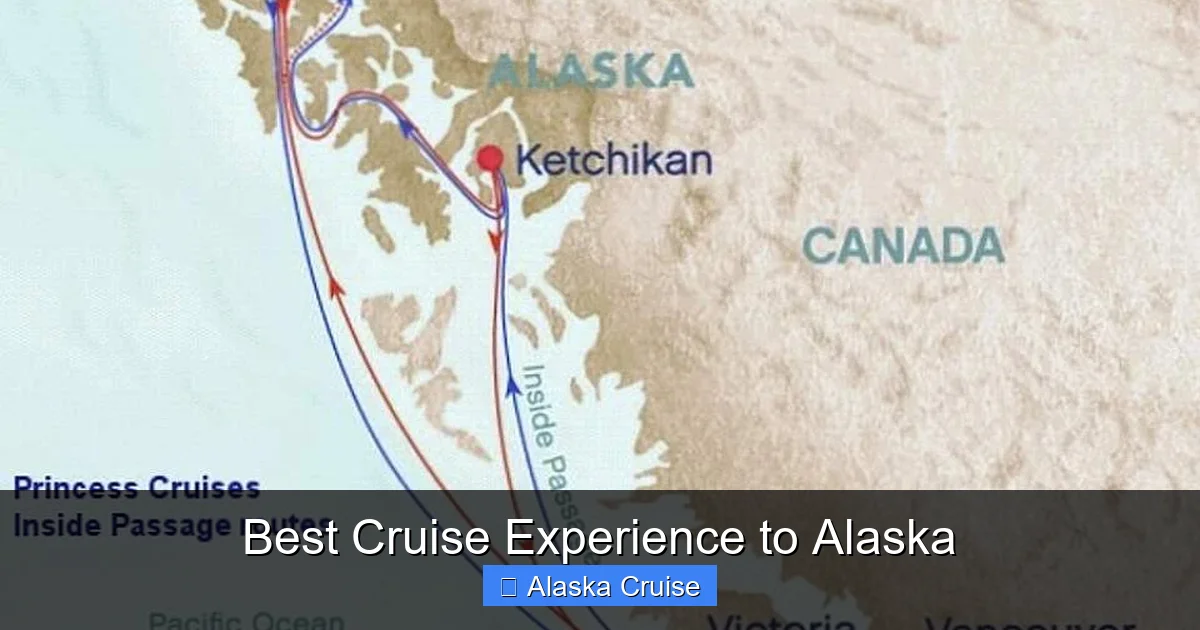
Visual guide about Best Cruise Experience to Alaska
Image source: portandporters.com
Not all Alaska cruises are created equal. The cruise line you choose can dramatically impact your experience. Some focus on luxury and intimacy, while others prioritize family fun and adventure. Here’s a breakdown of the best options based on what you’re looking for.
Luxury and All-Inclusive: Regent Seven Seas & Seabourn
If you want a high-end, stress-free experience, Regent Seven Seas and Seabourn are top choices. Both offer all-inclusive packages—covering drinks, gratuities, Wi-Fi, and even some shore excursions. Ships are smaller, allowing access to narrower fjords and more personalized service.
Regent’s 700-passenger ships include butler service in suites and gourmet dining by renowned chefs. Seabourn’s 450-guest vessels emphasize wellness and enrichment, with lectures by naturalists and cultural experts. Both lines visit Glacier Bay and offer unique experiences like Zodiac tours and private beach access.
Family-Friendly Fun: Disney, Royal Caribbean & Norwegian
Traveling with kids? Disney Cruise Line brings its signature magic to Alaska with character meet-and-greets, themed kids’ clubs, and Broadway-style shows. Their ships, like the Disney Wonder, feature splash zones and family cabins. Royal Caribbean offers rock climbing, ice skating, and surf simulators—perfect for active families. Norwegian Cruise Line provides freestyle cruising with flexible dining and entertainment, plus excellent kids’ programs.
All three lines offer a mix of port time and sea days, ensuring a balanced itinerary. They also partner with local operators for family-friendly excursions like dog sledding, kayaking, and wildlife cruises.
Adventure and Expedition-Style: UnCruise & Lindblad Expeditions
For travelers seeking a more rugged, immersive experience, expedition cruises are ideal. UnCruise Adventures and Lindblad Expeditions (in partnership with National Geographic) operate small ships (under 100 passengers) that focus on exploration and education.
These cruises often visit remote areas not accessible to larger ships, like the Tongass National Forest or the remote bays of the Inside Passage. Naturalists, photographers, and marine biologists join every voyage, offering hands-on learning. Activities include kayaking among icebergs, hiking through old-growth forests, and even snorkeling in cold-water kelp forests.
Best Itineraries and Routes
Alaska cruises typically fall into two main categories: Inside Passage routes and Gulf of Alaska (or “Roundtrip”) routes. Each offers a different experience, so choosing the right one depends on your interests and travel style.
Inside Passage Cruises: Scenic and Accessible
The Inside Passage is a protected waterway that winds through lush forests, islands, and fjords along the coast of British Columbia and southeastern Alaska. These cruises usually depart from Seattle or Vancouver and visit ports like Ketchikan, Juneau, Skagway, and Victoria (Canada).
This route is ideal for first-time cruisers or those who prefer calmer waters and shorter sailing times between ports. The scenery is stunning—think misty mountains, waterfalls, and abundant wildlife. Most ships spend full days in port, giving you plenty of time to explore.
A typical 7-day Inside Passage itinerary might look like this:
– Day 1: Depart Seattle
– Day 2: At sea (enjoy ship amenities)
– Day 3: Ketchikan (totem poles, rainforest hikes)
– Day 4: Juneau (whale watching, Mendenhall Glacier)
– Day 5: Skagway (Gold Rush history, train ride)
– Day 6: Glacier Bay (glacier viewing, naturalist talks)
– Day 7: Return to Seattle
Gulf of Alaska Cruises: Glacier-Heavy and Dramatic
Gulf of Alaska cruises, also known as “one-way” or “open-jaw” itineraries, sail between Seattle/Vancouver and Seward or Whittier (near Anchorage). These routes spend more time in open water and focus heavily on glacier viewing.
Ships often visit Hubbard Glacier—one of the largest in North America—and spend multiple days in Glacier Bay or Tracy Arm. The scenery is more dramatic, with towering ice walls and fewer towns. This route is perfect for nature lovers who want to maximize glacier and wildlife time.
A sample 7-day Gulf itinerary:
– Day 1: Depart Vancouver
– Day 2: At sea (wildlife spotting)
– Day 3: Ketchikan
– Day 4: Juneau
– Day 5: Skagway
– Day 6: Hubbard Glacier (full-day viewing)
– Day 7: Disembark in Seward
Extended and Themed Cruises
For a deeper dive, consider a 10- to 14-day cruise. These often include additional stops like Haines, Wrangell, or even a visit to the remote Aleutian Islands. Some lines offer themed cruises focused on photography, birdwatching, or Indigenous culture.
Expedition ships may also include overnight stays in small communities or visits to research stations. These longer voyages are ideal for travelers who want a more immersive, slow-paced experience.
Must-Do Shore Excursions
While the ship itself is a highlight, shore excursions are where the real adventure happens. Alaska offers a wide range of activities, from gentle walks to adrenaline-pumping adventures. Here are some top picks.
Dog Sledding on a Glacier
One of the most iconic Alaska experiences is dog sledding on a glacier. In Juneau, you can take a helicopter ride to a remote glacier, where you’ll meet a team of huskies and their musher. After a safety briefing, you’ll ride in a sled pulled by eager dogs across the snow. It’s thrilling, educational, and incredibly scenic.
Whale Watching Tours
Humpback whales are the stars of Alaska’s waters. In Juneau, Icy Strait Point, and Seward, small-boat tours take you into prime feeding areas. Naturalists on board explain whale behavior and help you spot breaches, tail slaps, and even bubble-net feeding. Many tours guarantee a sighting—or your next one is free.
Rainforest and Wildlife Hikes
Ketchikan and Haines offer guided rainforest hikes through old-growth cedar and spruce forests. You’ll learn about medicinal plants, bear safety, and the ecosystem. In Haines, you might also spot black bears or moose. Some hikes include zip-lining or suspension bridges for added fun.
Gold Rush History in Skagway
Skagway is a living museum of the 1898 Gold Rush. Take the White Pass & Yukon Route Railway for a scenic climb through mountain tunnels and waterfalls. Or explore the town’s historic buildings, including the Red Onion Saloon and the Klondike Gold Rush National Park Visitor Center.
Kayaking and Paddleboarding
For a quieter experience, try kayaking in Tracy Arm or Misty Fjords. Glide past icebergs and listen to the silence of the wilderness. Many tours include instruction and all gear. Paddleboarding is also popular in calm bays near Ketchikan and Juneau.
Best Time to Cruise to Alaska
Timing is everything when it comes to an Alaska cruise. The official season runs from May to September, but each month offers a different experience.
May and Early June: Quiet and Blooming
Early season cruises are less crowded and often cheaper. Wildflowers are in bloom, and wildlife is active as animals emerge from winter. However, some excursions may be limited due to lingering snow or ice.
July and August: Peak Season
These are the most popular months, with warm weather (50s–70s°F), long daylight hours (up to 18 hours), and full excursion availability. It’s also the best time for whale watching and glacier viewing. Book early—cabins fill up fast.
September: Fall Colors and Fewer Crowds
Late-season cruises offer stunning fall foliage, especially in the Tongass National Forest. Wildlife is still active, and you’ll avoid the summer crowds. However, weather can be cooler and more unpredictable, and some ports may close by mid-September.
Packing Tips for Your Alaska Cruise
Packing for Alaska requires preparation. Weather can change quickly, and layers are key. Here’s what to bring:
- Waterproof jacket and pants: Essential for rain and spray.
- Warm layers: Fleece, thermal underwear, and a down vest.
- Comfortable walking shoes: Waterproof hiking boots are ideal.
- Binoculars: For spotting wildlife from the deck.
- Camera with zoom lens: Glaciers and whales are far away!
- Sunscreen and sunglasses: The sun reflects off snow and water.
- Motion sickness remedies: Even calm waters can cause discomfort.
Don’t forget a reusable water bottle, power adapter, and any medications. Most ships have laundry facilities, so you don’t need to overpack.
Final Thoughts: Why an Alaska Cruise Is Worth It
An Alaska cruise isn’t just a vacation—it’s a journey into one of the last great wildernesses on Earth. Whether you’re marveling at a glacier the size of a skyscraper, watching a whale breach just yards from the ship, or sipping coffee while surrounded by misty mountains, the experience is deeply moving.
The best cruise experience to Alaska combines comfort, adventure, and education. You’ll return home with more than photos—you’ll have stories, a renewed appreciation for nature, and maybe even a new perspective on life. So if you’ve been dreaming of icy fjords, wild coastlines, and unforgettable moments, now’s the time to book your Alaskan adventure. The Last Frontier is waiting.
Frequently Asked Questions
What is the best month to cruise to Alaska?
The best time is typically July or August, when weather is warmest, wildlife is most active, and all excursions are available. However, May and September offer fewer crowds and lower prices.
Do I need a passport for an Alaska cruise?
If your cruise departs and returns to the same U.S. port (like Seattle), a passport is not required—but it’s highly recommended in case of emergencies. For Canadian ports like Vancouver or Victoria, a passport is mandatory.
Are Alaska cruises suitable for families?
Yes! Many cruise lines, including Disney and Royal Caribbean, offer family-friendly ships with kids’ clubs, entertainment, and excursions designed for all ages.
How much do shore excursions cost?
Prices vary widely, from $50 for a city tour to $300+ for helicopter dog sledding. Book early for the best selection, and consider booking through the cruise line for convenience.
Can I see the Northern Lights on an Alaska cruise?
Unlikely during the summer cruise season (May–September), as the midnight sun prevents dark skies. The Northern Lights are best seen in winter, outside of cruise season.
What should I wear on an Alaska cruise?
Dress in layers, including a waterproof jacket, warm fleece, and comfortable walking shoes. Formal nights may require a dress or suit, but casual wear is fine most days.