Southeast Alaska offers some of the most breathtaking cruise destinations in the world, where towering glaciers, lush rainforests, and abundant wildlife converge. From the iconic tidewater glaciers of Glacier Bay National Park to the charming coastal towns like Juneau and Ketchikan, each stop reveals stunning natural beauty and rich cultural heritage. Whether you’re marveling at breaching humpback whales or exploring historic gold rush sites, a Southeast Alaskan cruise delivers unforgettable adventures at every turn.
Key Takeaways
- Explore Glacier Bay National Park: Witness massive glaciers and abundant wildlife in this UNESCO World Heritage Site.
- Visit Juneau for culture and adventure: Enjoy local cuisine, gold rush history, and easy access to Mendenhall Glacier.
- Discover Ketchikan’s indigenous heritage: Experience Tlingit totem poles, cultural centers, and vibrant waterfront charm.
- Sail through Tracy Arm Fjord: Marvel at towering cliffs, cascading waterfalls, and possible whale sightings.
- Spot wildlife in Icy Strait Point: Go whale watching or zipline through old-growth rainforest near Hoonah.
- Choose small ships for intimate access: Opt for vessels under 200 passengers to reach remote inlets and wildlife zones.
📑 Table of Contents
- Best Cruise Destinations in Southeast Alaska
- Juneau: The Capital City with Wild Heart
- Ketchikan: The Salmon Capital of the World
- Skagway: A Gold Rush Town Frozen in Time
- Glacier Bay National Park: A Moving Landscape
- Sitka: Where Russian and Tlingit Cultures Meet
- Haines: The Quiet Gem of Southeast Alaska
- Comparing the Best Cruise Destinations in Southeast Alaska
- Final Thoughts: Why Southeast Alaska Stands Out
Best Cruise Destinations in Southeast Alaska
There’s something almost magical about cruising through Southeast Alaska. Imagine waking up to misty fjords wrapped in emerald forests, the crisp air carrying the scent of pine and saltwater. As your ship glides silently past towering glaciers and rugged coastlines, you might spot a bald eagle soaring overhead or a humpback whale breaching in the distance. This isn’t just a vacation—it’s a front-row seat to one of the most pristine and awe-inspiring regions on Earth.
Southeast Alaska, often called the “Panhandle,” stretches like a green ribbon along the Pacific coast, bordered by Canada to the east and the vast Tongass National Forest to the west. It’s a land of deep waterways, ancient rainforests, and vibrant Indigenous cultures. Unlike the more remote parts of Alaska, this region is uniquely accessible by cruise ship, making it a favorite among travelers seeking adventure without sacrificing comfort. Whether you’re a nature lover, history buff, or simply craving a break from the ordinary, the best cruise destinations in Southeast Alaska offer something unforgettable for everyone.
From the bustling port town of Juneau to the quiet charm of Sitka, each stop tells a story. You’ll wander through gold rush history, learn about Tlingit and Haida traditions, and witness wildlife in its natural habitat. And let’s be honest—there’s nothing quite like sipping hot cocoa on your balcony as a glacier calves into the sea. In this guide, I’ll walk you through the top cruise destinations in Southeast Alaska, sharing personal insights, practical tips, and what to expect so you can make the most of your journey.
Juneau: The Capital City with Wild Heart
Juneau is Alaska’s capital, but don’t expect skyscrapers or traffic jams. This city is accessible only by boat or plane—no roads connect it to the rest of the state—which adds to its charm. As your cruise ship docks, you’ll be greeted by snow-capped mountains, lush greenery, and the distant rumble of Mendenhall Glacier. It’s a place where urban life meets untamed wilderness, and that balance is what makes Juneau one of the best cruise destinations in Southeast Alaska.
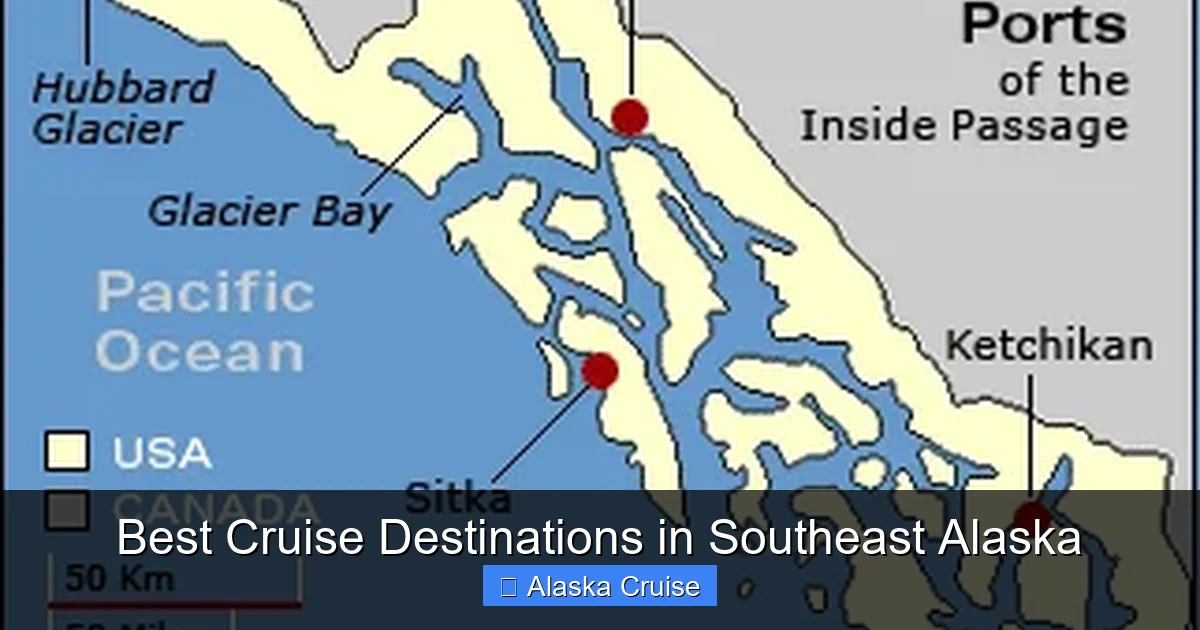
Visual guide about Best Cruise Destinations in Southeast Alaska
Image source: hillmanwonders.com
A Glacier You Can Almost Touch
No visit to Juneau is complete without seeing the Mendenhall Glacier. Located just 12 miles from downtown, this 13-mile-long glacier is one of the most accessible in Alaska. I remember standing at the visitor center, binoculars in hand, watching chunks of ice break off and crash into the lake below. It’s a powerful reminder of nature’s scale and fragility. The glacier is retreating due to climate change, so seeing it now feels both urgent and precious.
There are several ways to experience Mendenhall. You can take a short hike to the Nugget Falls viewpoint, rent a kayak to paddle near the ice (guided tours only), or even take a helicopter tour for a bird’s-eye view. If you’re short on time, the visitor center offers excellent exhibits and a viewing deck. Just be sure to dress in layers—weather changes fast here.
Wildlife Encounters and Local Flavor
Juneau is a hotspot for wildlife. Just outside the city, you might spot black bears foraging along the riverbanks or sea otters floating on their backs. One morning, I joined a whale-watching tour and was rewarded with a pod of humpbacks feeding just a few hundred yards from the boat. The guide explained how they use bubble nets to trap fish—a behavior I’d only seen in documentaries. It was thrilling to witness it in person.
Back in town, Juneau has a surprising food scene. Try the fresh seafood at The Hangar on the Wharf or grab a coffee at Silverbow Bakery, where the sourdough is legendary. Don’t miss the local farmers’ market if you’re there on a Saturday—it’s a great place to pick up handmade crafts and Alaskan jams.
Tips for Visiting Juneau
- Book excursions early: Popular tours like glacier hikes and whale watching fill up fast.
- Bring rain gear: Juneau gets over 90 inches of rain a year—pack a waterproof jacket and shoes.
- Respect wildlife: Keep a safe distance from bears and whales. Use binoculars or zoom lenses for photos.
Ketchikan: The Salmon Capital of the World
Ketchikan calls itself the “Salmon Capital of the World,” and after visiting, I believe it. This colorful town clings to the edge of the Tongass National Forest, with wooden boardwalks and historic buildings perched over the water. It’s a place where culture, nature, and fishing traditions come together in a uniquely Alaskan way.
Indigenous Culture and Totem Poles
One of the first things you’ll notice in Ketchikan is the abundance of totem poles. The Totem Heritage Center houses some of the oldest restored totems in the region, some dating back over 100 years. I spent an hour there, learning how each pole tells a story—of clans, legends, and family histories. The craftsmanship is incredible, with intricate carvings of ravens, bears, and eagles.
For a deeper dive into Indigenous culture, visit Tongass Historical Museum or take a guided tour with a local Tlingit guide. Many cruise lines offer cultural performances, including traditional dancing and storytelling. It’s a respectful and enriching way to connect with the area’s roots.
Adventure on the Water
Ketchikan is surrounded by water, and the best way to experience it is by boat. I joined a guided kayaking tour through the Misty Fjords National Monument, a jaw-dropping landscape of sheer cliffs, waterfalls, and dense forest. Paddling silently through the coves, we spotted eagles nesting on the rocks and a family of sea lions lounging on a buoy. The guide pointed out hidden caves and explained how the fjords were carved by glaciers thousands of years ago.
If kayaking isn’t your thing, consider a fishing charter. Ketchikan is famous for its salmon runs, and even beginners can try their hand at catching king or coho salmon. Many tours include a shore lunch where your catch is grilled fresh—talk about farm-to-table!
Practical Tips for Ketchikan
- Wear sturdy shoes: The boardwalks can be slippery, especially when wet.
- Try the local seafood: Fresh halibut tacos and smoked salmon are must-tries.
- Respect cultural sites: Ask before photographing people or sacred objects.
Skagway: A Gold Rush Town Frozen in Time
Stepping off the ship in Skagway feels like walking onto a movie set. With its wooden sidewalks, false-front buildings, and saloon-style bars, this town is a living museum of the Klondike Gold Rush. In the late 1800s, over 100,000 prospectors passed through Skagway on their way to the Yukon, hoping to strike it rich. Today, the spirit of adventure lives on.
The White Pass and Yukon Route Railway
One of the most iconic experiences in Skagway is riding the White Pass and Yukon Route Railway. This narrow-gauge railroad was built in 1898 and climbs over 2,800 feet in just 20 miles, carving through steep cliffs and tunnels. I booked the full-day trip to Bennett Lake, and it was worth every penny. The views from the train were staggering—waterfalls cascading down rock faces, glaciers glinting in the sun, and valleys so deep they looked like paintings.
The train ride includes a stop at the summit, where you can walk across the U.S.-Canada border (no passport needed for the stop). On the return trip, the train descends slowly, giving you time to take it all in. It’s a peaceful, almost meditative experience, a stark contrast to the chaos of the gold rush era.
Hiking and History
Skagway is a hiker’s paradise. The Chilkoot Trail, once used by gold seekers, is now a National Historic Site. You can hike a portion of it—about 3 miles round trip—to see the remains of camps and the infamous “Golden Stairs,” a steep climb that tested even the hardiest miners. I did the hike on a crisp morning, and the silence was profound. It’s easy to imagine the determination—and desperation—of those who came before.
For a lighter walk, try the Lower Dewey Lake Trail, a 2.5-mile loop that ends at a serene mountain lake. Bring bug spray—mosquitoes can be fierce in summer.
Tips for Skagway
- Book the train early: It’s one of the most popular excursions in Southeast Alaska.
- Bring layers: Temperatures can drop quickly, even in summer.
- Visit the Skagway Museum: It offers great context on the gold rush and local history.
Glacier Bay National Park: A Moving Landscape
Glacier Bay is not a port you dock at—it’s a wilderness you pass through. This UNESCO World Heritage Site is one of the most dramatic cruise destinations in Southeast Alaska, with over 1,000 square miles of glaciers, fjords, and marine life. There are no towns here, just raw, untamed nature.
Witnessing the Power of Glaciers
As your ship enters Glacier Bay, you’ll be greeted by towering walls of ice. The most famous is Margerie Glacier, a 21-mile-long river of ice that calves regularly. I’ll never forget the sound—like thunder rolling across the water—as a massive chunk broke off and crashed into the bay. The waves it created rocked our ship gently, a reminder of nature’s force.
Park rangers come aboard to share insights about the glaciers, wildlife, and conservation efforts. They explained how Glacier Bay has been retreating since the 1700s, revealing new land and ecosystems. It’s a living laboratory, and being there feels like witnessing Earth’s history in real time.
Wildlife in the Wild
Glacier Bay is teeming with life. Keep your eyes peeled for humpback whales, orcas, and sea lions. On my cruise, we spotted a mother bear and two cubs foraging on the shoreline—a rare and unforgettable sight. The rangers use hydrophones to amplify underwater sounds, so you can hear whales communicating beneath the surface.
Birds are abundant too. Bald eagles nest in the tall trees, and puffins dart through the water. Bring binoculars and a camera with a good zoom lens—you’ll want to capture these moments.
Tips for Glacier Bay
- Dress warmly: Even in summer, it can be chilly on deck.
- Stay quiet: Noise can disturb wildlife—enjoy the silence.
- Listen to the rangers: Their commentary adds depth to the experience.
Sitka: Where Russian and Tlingit Cultures Meet
Sitka feels different from other Southeast Alaska ports. With its onion-domed churches and European-style architecture, it’s a reminder of Alaska’s Russian past. But it’s also a center of Tlingit culture, making it one of the most culturally rich cruise destinations in the region.
A Blend of Histories
The Russian Bishop’s House and St. Michael’s Cathedral are must-sees. I walked through the Bishop’s House, a restored 1843 building, and imagined life in the 19th century. The cathedral, with its golden domes, still holds services and is a symbol of Sitka’s resilience.
At the Sheet’ká Kwáan Naa Kahídi, a community house built in traditional Tlingit style, I watched a cultural performance and learned about clan systems and totem pole meanings. It’s a powerful reminder that Sitka’s story isn’t just about Russians and Americans—it’s about the Indigenous people who have lived here for thousands of years.
Nature and Wildlife
Sitka is surrounded by water and forest. I took a boat tour to St. Lazaria Island, a seabird sanctuary where thousands of puffins, murres, and auklets nest in the summer. The island is closed to landing, but you can circle it by boat and see the birds up close. It’s a noisy, lively place—like a feathered city.
For a quieter experience, hike the Indian River Trail, a 3-mile loop that follows a salmon stream through old-growth forest. You might see bears, but sightings are rare—just be aware and make noise as you walk.
Tips for Sitka
- Visit the Alaska Raptor Center: It rehabilitates injured birds of prey.
- Try the local coffee: Backdoor Cafe serves excellent espresso and pastries.
- Respect cultural sites: Some areas are sacred—follow guidelines.
Haines: The Quiet Gem of Southeast Alaska
Haines is often overlooked, but it shouldn’t be. This small town of about 1,000 people is a haven for artists, adventurers, and anyone seeking peace. It’s one of the least commercialized cruise destinations in Southeast Alaska, which is part of its appeal.
Adventure and Art
Haines is surrounded by the Chilkat Bald Eagle Preserve, where thousands of eagles gather in winter to feed on salmon. Even in summer, you can spot them along the rivers. I joined a guided rafting trip on the Chilkat River and saw eagles, black bears, and even a moose wading in the shallows.
The town itself is full of art galleries and studios. I stopped by Haines Arts Council and bought a handmade soap inspired by local botanicals. It’s a great place to support local artists and take home a unique souvenir.
Tips for Haines
- Book rafting tours in advance: They’re popular and fill up quickly.
- Explore on foot: The town is small and walkable.
- Try the local beer: Haines Brewing Company makes excellent ales.
Comparing the Best Cruise Destinations in Southeast Alaska
| Destination | Best For | Top Activity | Wildlife Highlights |
|---|---|---|---|
| Juneau | Glaciers, whales, urban charm | Mendenhall Glacier visit | Humpback whales, black bears, eagles |
| Ketchikan | Culture, fishing, kayaking | Misty Fjords kayak tour | Sea lions, salmon, eagles |
| Skagway | History, hiking, trains | White Pass Railway | Bears, mountain goats, eagles |
| Glacier Bay | Glaciers, wildlife, solitude | Glacier viewing from ship | Whales, bears, puffins |
| Sitka | Culture, birds, history | St. Lazaria Island tour | Puffins, eagles, sea otters |
| Haines | Adventure, art, quiet | Chilkat River rafting | Bald eagles, moose, bears |
Final Thoughts: Why Southeast Alaska Stands Out
Cruising through Southeast Alaska isn’t just about seeing beautiful places—it’s about feeling connected to something bigger. Whether you’re standing in awe of a calving glacier, learning about Tlingit traditions, or spotting a whale breach at sunset, these moments stay with you. The best cruise destinations in Southeast Alaska offer a rare blend of adventure, culture, and natural wonder.
Each port has its own personality, but they all share a sense of authenticity. This isn’t a manufactured tourist experience—it’s real, raw, and deeply rooted in the land and its people. Yes, the weather can be unpredictable, and some excursions are pricey, but the memories you’ll make are priceless.
If you’re planning an Alaska cruise, I encourage you to slow down, look up, and really take it in. Talk to locals, ask questions, and respect the environment. Southeast Alaska gives so much—it deserves our care in return. Whether it’s your first cruise or your fifth, this region has a way of surprising you, grounding you, and reminding you why you love to travel in the first place.
Frequently Asked Questions
What are the best cruise destinations in Southeast Alaska?
Southeast Alaska offers stunning cruise destinations like Juneau, Ketchikan, and Skagway, each known for their scenic beauty, wildlife, and rich cultural history. These ports provide access to glaciers, rainforests, and native Tlingit and Haida heritage sites.
Which Southeast Alaska cruise port has the best wildlife viewing?
Ketchikan is renowned for its exceptional wildlife viewing, including bald eagles, salmon runs, and opportunities to see bears along the Tongass National Forest. Nearby Misty Fjords National Monument also offers breathtaking bird and marine life sightings.
Is Juneau a must-see destination on a Southeast Alaska cruise?
Yes, Juneau is a highlight of any Southeast Alaska cruise, offering the massive Mendenhall Glacier, whale-watching tours, and a vibrant downtown with local shops and history. As the state capital, it blends natural wonders with cultural experiences.
What makes Skagway one of the best cruise destinations in Southeast Alaska?
Skagway captures the spirit of the Klondike Gold Rush with historic boardwalks, the scenic White Pass & Yukon Route Railway, and access to alpine hiking trails. Its small-town charm and dramatic mountain views make it a favorite among cruise travelers.
Can you see glaciers on a Southeast Alaska cruise?
Absolutely—glaciers are a major draw on Southeast Alaska cruises, with popular stops like Glacier Bay National Park and the Tracy Arm Fjord offering close-up views of towering ice formations. Many ships navigate near active calving glaciers for unforgettable photo opportunities.
When is the best time to visit Southeast Alaska on a cruise?
The peak cruise season runs from May to September, offering mild weather, longer daylight hours, and optimal wildlife activity. July and August are especially popular for warm temperatures and peak glacier viewing conditions.