Alaska is a top-tier cruise destination, offering jaw-dropping glaciers, abundant wildlife, and charming coastal towns. Whether you’re drawn to icy fjords or native culture, the best cruise destinations in Alaska promise unforgettable adventures under the midnight sun.
Key Takeaways
- Glacier Bay National Park: A UNESCO World Heritage Site with massive tidewater glaciers and rich marine life, best viewed from a small ship or expedition cruise.
- Juneau – The Capital City: Accessible only by boat or plane, Juneau offers glacier hikes, whale watching, and gold rush history.
- Ketchikan – The Salmon Capital: Known for its totem poles, rainforests, and vibrant Indigenous culture, Ketchikan is a cultural hub on most Alaskan itineraries.
- Skagway – Gateway to the Klondike: Step back in time with historic railroads, gold panning, and scenic mountain views along the White Pass route.
- Hubbard Glacier – One of the Largest: This active tidewater glacier calves ice into Disenchantment Bay, offering one of the most dramatic cruise experiences in Alaska.
- Icy Strait Point – Adventure & Culture: A private Native-owned destination featuring zip-lining, bear viewing, and authentic Tlingit performances.
- Best Time to Cruise: Mid-May to mid-September offers mild weather, long daylight hours, and peak wildlife activity.
📑 Table of Contents
- Why Alaska Is the Ultimate Cruise Destination
- Glacier Bay National Park – A Natural Wonder
- Juneau – The Heart of Alaska’s Capital
- Ketchikan – The Salmon Capital of the World
- Skagway – Gateway to the Klondike Gold Rush
- Hubbard Glacier – A Frozen Giant
- Icy Strait Point – Adventure and Indigenous Culture
- Best Time to Cruise Alaska
- Choosing the Right Cruise Line
- Conclusion
Why Alaska Is the Ultimate Cruise Destination
Alaska isn’t just a cruise destination—it’s a once-in-a-lifetime journey through some of the most pristine and dramatic landscapes on Earth. From towering glaciers that calve icebergs into icy waters to dense rainforests teeming with bears and eagles, Alaska offers a raw, untouched beauty that few places can match. Cruising here means waking up each morning to a new postcard-perfect scene: misty fjords, snow-capped peaks, and pods of orcas gliding through calm waters.
What makes Alaska stand out among cruise destinations is its unique blend of natural wonder and cultural depth. Unlike tropical cruises focused on beaches and nightlife, an Alaskan voyage is an immersive experience in wilderness and history. You’ll explore towns shaped by gold rushes, meet Indigenous communities preserving centuries-old traditions, and witness wildlife in its natural habitat—all from the comfort of a modern cruise ship. Whether you’re a nature lover, history buff, or adventure seeker, Alaska delivers.
The best cruise destinations in Alaska are carefully woven into itineraries that balance scenic cruising with port stops. Most cruises depart from Seattle or Vancouver and sail north through the Inside Passage, a protected network of waterways that winds through islands, channels, and inlets. This route offers calm waters, stunning views, and access to remote communities. As you glide past glaciers and through narrow straits, you’ll understand why Alaska is often called “The Last Frontier.”
Glacier Bay National Park – A Natural Wonder
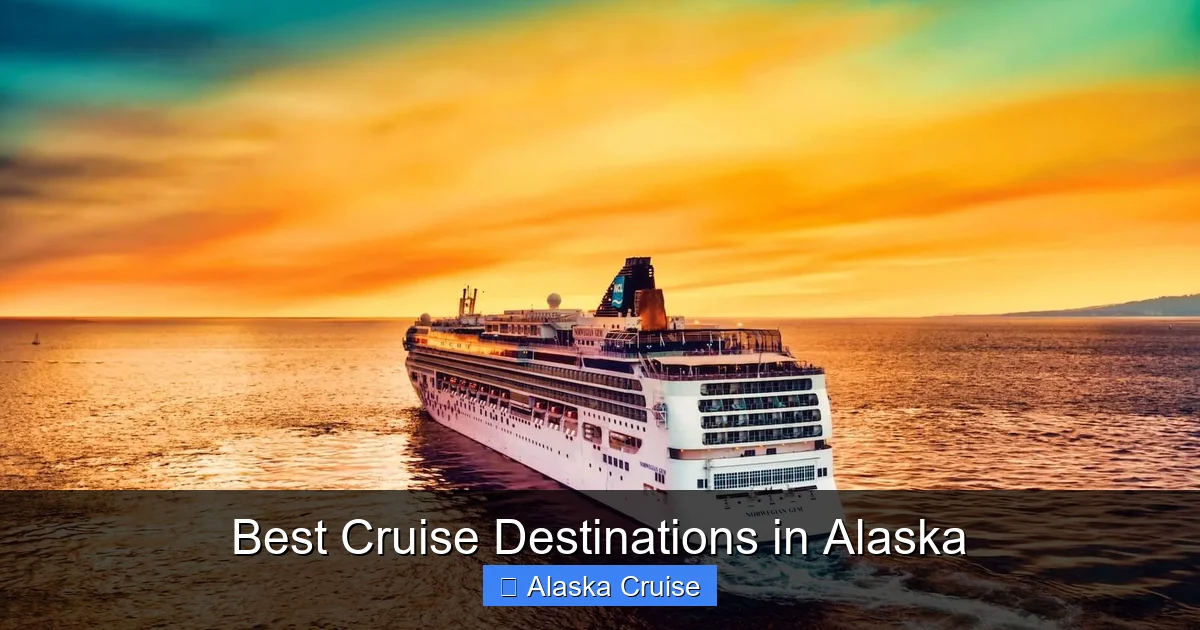
Visual guide about Best Cruise Destinations in Alaska
Image source: studyfinds.org
No list of the best cruise destinations in Alaska would be complete without Glacier Bay National Park. This 3.3-million-acre UNESCO World Heritage Site is one of the most spectacular places on the planet. Located in the heart of the Inside Passage, Glacier Bay is home to over a dozen active tidewater glaciers, some stretching more than 20 miles long and rising 200 feet above the water.
As your ship enters the park, you’ll be greeted by the thunderous sound of calving ice—massive chunks of glacier breaking off and crashing into the sea. This natural phenomenon is both awe-inspiring and humbling, a reminder of the power and scale of nature. The park is also a haven for wildlife. Humpback whales, sea otters, harbor seals, and porpoises are commonly spotted, while brown bears roam the shores in search of salmon.
One of the best ways to experience Glacier Bay is on a small ship or expedition-style cruise. These vessels are quieter, more maneuverable, and often have naturalist guides on board who provide live commentary about the geology, ecology, and history of the area. Larger mainstream cruise ships also visit, but due to park regulations, only a limited number are allowed each day to protect the fragile ecosystem.
Best Time to Visit Glacier Bay
The prime time to cruise Glacier Bay is from late June to early August. During this period, the weather is milder, daylight lasts nearly 18 hours, and wildlife is most active. Glaciers are also more likely to calve during warmer months, giving you the best chance to witness this dramatic event. However, even in early May or September, the park offers stunning views and fewer crowds.
Tips for Glacier Bay
– Bring binoculars to spot wildlife from a distance.
– Dress in layers—temperatures can drop quickly near the glaciers.
– Keep your camera ready; calving events happen without warning.
– Listen to the onboard naturalist—they often share fascinating facts about glacier movement and climate change.
Juneau – The Heart of Alaska’s Capital
Juneau, Alaska’s capital city, is one of the most unique ports on any Alaskan cruise. Unlike most state capitals, Juneau is not accessible by road—you can only reach it by boat or plane. This isolation has preserved its rugged charm and made it a must-visit destination for travelers seeking authenticity.
Nestled between the Gastineau Channel and towering mountains, Juneau offers a mix of urban amenities and wild adventure. The city’s compact downtown is filled with boutiques, art galleries, and cafes, but just a short walk or drive away, you’ll find glaciers, rainforests, and abundant wildlife.
One of Juneau’s top attractions is the Mendenhall Glacier, a 13-mile-long glacier located just 12 miles from downtown. Visitors can walk along well-maintained trails, cross a suspension bridge over Nugget Falls, and even take a guided glacier hike with crampons. For a bird’s-eye view, consider a helicopter tour that lands on the ice—an unforgettable experience.
Whale Watching in Juneau
Juneau is one of the best places in the world to see humpback whales. From May through September, these majestic creatures migrate to Alaskan waters to feed on krill and small fish. Many cruise lines offer whale-watching excursions, often departing from Auke Bay just outside the city. These small-boat tours get you up close to breaching whales, tail slapping, and even bubble-net feeding—a cooperative hunting technique unique to humpbacks.
Gold Rush History and Culture
Juneau was founded during the 1880 gold rush, and its history is still visible today. Visit the Alaska State Museum to learn about Indigenous cultures and the mining era, or take a walking tour of historic downtown buildings. Don’t miss the Last Chance Mining Museum, where you can pan for gold just like the prospectors of the 1800s.
Practical Tips for Juneau
– Book excursions early—popular tours fill up quickly.
– Wear waterproof shoes; Juneau is one of the rainiest cities in Alaska.
– Try local seafood—especially fresh salmon and Dungeness crab.
– Allow extra time to explore—Juneau is worth a full day.
Ketchikan – The Salmon Capital of the World
Ketchikan, known as the “Salmon Capital of the World,” is the first major stop for most southbound Alaskan cruises. This charming waterfront town clings to the steep slopes of Revillagigedo Island, surrounded by lush temperate rainforests and dotted with colorful houses and fishing boats.
Ketchikan is deeply rooted in Indigenous culture, particularly the Tlingit, Haida, and Tsimshian peoples. The town is home to the world’s largest collection of totem poles, many of which are displayed at the Totem Heritage Center and the nearby Saxman Totem Park. These intricately carved poles tell stories of clans, legends, and ancestral spirits, offering a window into centuries-old traditions.
Rainforest Adventures
Just outside Ketchikan, the Tongass National Forest—the largest national forest in the U.S.—offers endless opportunities for exploration. Take a guided rainforest walk to learn about native plants, spot bald eagles, and hear the calls of ravens and warblers. For a more thrilling experience, try a zipline tour through the treetops or a kayak trip through Misty Fjords National Monument.
Cultural Experiences
Ketchikan is one of the best places to experience authentic Native Alaskan culture. Attend a traditional dance performance at the Saxman Native Village, where dancers in regalia share stories through song and movement. Many cruise lines also offer cultural demonstrations on board, featuring local artists and storytellers.
Fishing and Seafood
As the salmon capital, Ketchikan is a paradise for anglers. Charter a fishing boat for a half-day trip targeting king, silver, or sockeye salmon. Even if you’re not fishing, don’t miss trying fresh seafood at local restaurants. Try the halibut tacos at a waterfront café or a bowl of clam chowder served in a sourdough bread bowl.
Tips for Ketchikan
– Bring a rain jacket—Ketchikan gets over 150 inches of rain annually.
– Visit the Creek Street boardwalk for shops and views of salmon swimming upstream.
– Respect cultural sites—ask before taking photos of people or sacred objects.
Skagway – Gateway to the Klondike Gold Rush
Step back in time in Skagway, a historic town that played a pivotal role in the 1898 Klondike Gold Rush. At its peak, Skagway was a bustling hub of prospectors, saloons, and stampeders heading north in search of fortune. Today, the town preserves its gold rush heritage with restored buildings, wooden boardwalks, and costumed interpreters.
One of Skagway’s most popular attractions is the White Pass & Yukon Route Railway. This narrow-gauge railroad, built in 1898, climbs nearly 3,000 feet through steep mountain passes and tunnels. The scenic journey offers breathtaking views of waterfalls, glaciers, and the surrounding wilderness. Many cruise passengers book this excursion, and it’s easy to see why—it’s like riding through a living history book.
Gold Panning and Stampede History
Try your hand at gold panning at the Liarsville Gold Rush Trail Camp, where guides teach you the basics of sluicing for gold. Even if you don’t strike it rich, the experience is fun and educational. You can also visit the Skagway Museum to learn about the challenges faced by stampeders, including harsh weather, disease, and the infamous Chilkoot Trail.
Adventure Activities
For thrill-seekers, Skagway offers dog sledding, helicopter tours, and ATV adventures. Some tours combine glacier landings with dog sledding on ancient ice fields—a unique way to experience Alaska’s wilderness. Hiking trails like the Dewey Lake Trail offer stunning views and a chance to spot mountain goats.
Tips for Skagway
– Wear sturdy shoes for walking on uneven boardwalks.
– Book the White Pass Railway in advance—it’s a top-rated excursion.
– Try the sourdough pancakes at a local diner—sourdough was a staple for gold miners.
Hubbard Glacier – A Frozen Giant
Hubbard Glacier is one of the largest and most active tidewater glaciers in North America. Stretching over 70 miles long and up to 7 miles wide, this massive river of ice calves into Disenchantment Bay near Yakutat. Most cruise ships pass within a mile of the glacier’s face, offering passengers a front-row seat to one of nature’s most powerful displays.
Unlike slower-moving glaciers, Hubbard is advancing—growing by up to 100 feet per year. This movement causes frequent calving events, where enormous icebergs break off and crash into the water. The sound is thunderous, and the sight is unforgettable. On clear days, the glacier’s deep blue ice glows under the Alaskan sun, creating a surreal and beautiful scene.
Wildlife Around Hubbard Glacier
The waters around Hubbard Glacier are rich in marine life. Seals often rest on icebergs, while seabirds like kittiwakes and murres nest on nearby cliffs. In summer, you might spot orcas or humpback whales feeding in the nutrient-rich waters. The glacier also supports a unique ecosystem, with cold-water species thriving in its shadow.
Best Viewing Tips
– Stay on deck early in the morning when the light is soft and the glacier is most active.
– Bring a zoom lens for photos—the glacier is massive and distant.
– Listen for the deep rumble of calving ice—it can happen at any time.
Icy Strait Point – Adventure and Indigenous Culture
Icy Strait Point is a private, Native-owned destination located on Chichagof Island. Unlike traditional ports, this resort was designed specifically for cruise passengers and offers a mix of adventure, culture, and sustainability. Owned by the Huna Totem Corporation, a Tlingit village corporation, Icy Strait Point supports local communities and preserves Indigenous heritage.
One of the main attractions is the world’s longest zipline—over 5,000 feet long—which soars above the rainforest canopy. Other activities include bear viewing tours, kayaking, and cultural performances. The Huna Tribal House offers traditional storytelling, dancing, and art demonstrations.
Sustainable Tourism
Icy Strait Point is a model of sustainable tourism. The resort uses renewable energy, supports local businesses, and reinvests profits into community development. Visitors can learn about Tlingit culture through interactive exhibits and guided tours.
Tips for Icy Strait Point
– Book the zipline in advance—it’s extremely popular.
– Wear layers and insect repellent for outdoor activities.
– Support local artisans by purchasing handmade crafts.
Best Time to Cruise Alaska
The best time to cruise Alaska is from mid-May to mid-September. This window offers the most favorable weather, with temperatures ranging from 50°F to 70°F. Daylight lasts up to 18 hours in summer, giving you plenty of time to explore.
– May–June: Fewer crowds, lower prices, and early-season wildlife activity.
– July–August: Peak season with warmest weather, full excursion availability, and peak whale and bear sightings.
– September: Cooler temperatures, fall colors, and fewer tourists.
Choosing the Right Cruise Line
Not all Alaskan cruises are the same. Consider your travel style when choosing a cruise line:
– Mainstream Lines (e.g., Royal Caribbean, Carnival): Great for families, with lots of onboard activities and entertainment.
– Luxury Lines (e.g., Seabourn, Silversea): Smaller ships, all-inclusive service, and more time in port.
– Expedition Lines (e.g., Lindblad, UnCruise): Focus on nature, wildlife, and educational experiences with expert guides.
Conclusion
Alaska is more than a destination—it’s an adventure that stays with you long after you return home. The best cruise destinations in Alaska offer a perfect blend of natural beauty, cultural richness, and thrilling experiences. From the icy majesty of Glacier Bay to the gold rush charm of Skagway, each port tells a story of resilience, wonder, and the enduring spirit of the wild north.
Whether you’re watching a glacier calve, spotting a humpback whale, or learning about Tlingit traditions, an Alaskan cruise is a journey of discovery. With careful planning and an open mind, you’ll create memories that last a lifetime. So pack your layers, charge your camera, and get ready to explore the Last Frontier.
Frequently Asked Questions
What is the best time of year to cruise Alaska?
The best time to cruise Alaska is from mid-May to mid-September. During these months, the weather is mild, daylight is long, and wildlife is most active. July and August are peak season, offering the warmest temperatures and full excursion availability.
Do I need a passport for an Alaskan cruise?
If your cruise departs and returns to the same U.S. port (like Seattle), a passport is not required. However, it’s highly recommended in case of emergencies or unexpected itinerary changes. For cruises that include Canada, a passport is mandatory.
What should I pack for an Alaskan cruise?
Pack layers, including a waterproof jacket, warm fleece, and moisture-wicking base layers. Don’t forget binoculars, a camera, comfortable walking shoes, and motion sickness remedies. Even in summer, temperatures can be cool, especially near glaciers.
Are there bears in Alaska’s cruise destinations?
Yes, brown and black bears are common in Alaska, especially in areas like Ketchikan, Juneau, and Icy Strait Point. Most sightings occur during bear-viewing tours or hikes. Always follow safety guidelines and never approach wildlife.
Can I see the Northern Lights on an Alaskan cruise?
The Northern Lights (aurora borealis) are rarely visible during the summer cruise season due to nearly 24-hour daylight. For the best chance to see them, consider a late September or early October cruise, though weather and solar activity play a role.
Are Alaskan cruises family-friendly?
Yes, many cruise lines offer family-friendly activities, kids’ clubs, and excursions suitable for all ages. Mainstream lines like Disney Cruise Line and Royal Caribbean are especially popular with families, offering entertainment and educational programs.