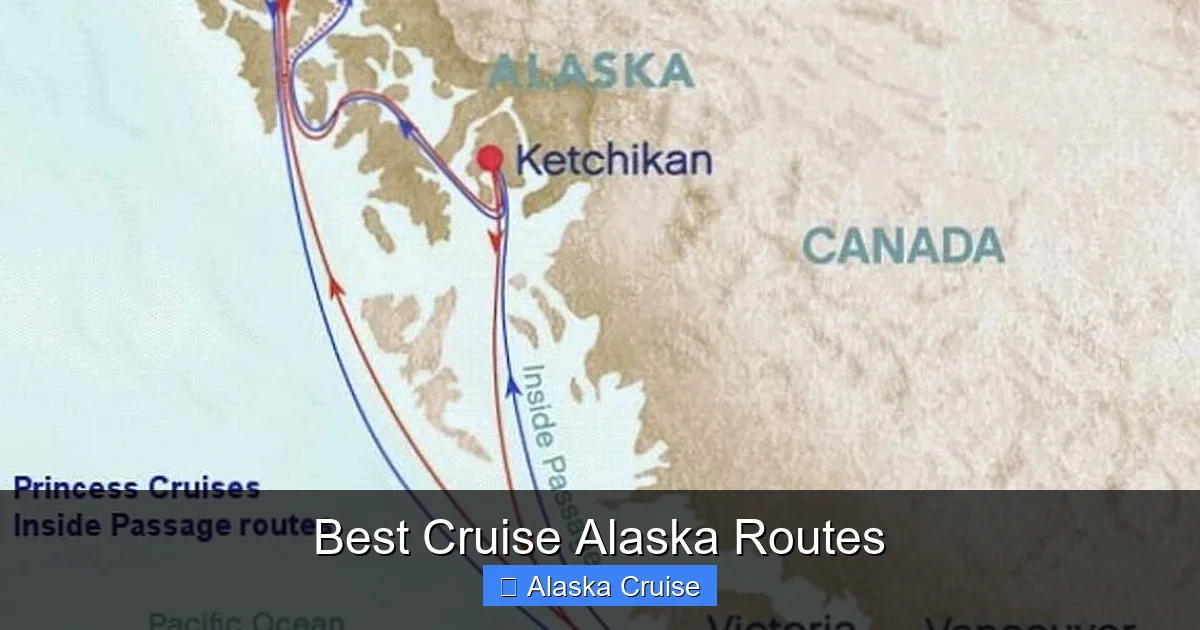
Alaska is one of the world’s most breathtaking cruise destinations, offering dramatic glaciers, abundant wildlife, and charming coastal towns. Whether you’re seeking adventure, relaxation, or cultural immersion, the best cruise Alaska routes deliver unforgettable experiences through pristine wilderness and iconic ports like Juneau, Ketchikan, and Skagway.
Key Takeaways
- Inside Passage routes are ideal for first-timers: These southbound journeys from Seattle or Vancouver offer calm waters, lush rainforests, and frequent wildlife sightings.
- Gulf Coast itineraries go deeper into Alaska: Cruises from Seward or Whittier to Vancouver or Seattle include glacier-heavy days in Hubbard, College Fjords, and Glacier Bay.
- Glacier viewing is a must: Routes that include Glacier Bay National Park or Tracy Arm Fjord offer close-up views of towering ice walls and calving glaciers.
- Port diversity enhances the experience: Mixing historic towns like Skagway with Native cultural hubs like Ketchikan provides a well-rounded Alaskan adventure.
- Shore excursions define the trip: From dog sledding on glaciers to whale watching and gold panning, activities bring Alaska’s spirit to life.
- Best time to cruise is May through September: Warmer weather, longer days, and peak wildlife activity make this the ideal window for Alaska cruises.
- Choose your cruise line based on style: Luxury, family-friendly, or adventure-focused lines offer different experiences on similar routes.
Why Alaska Cruises Are a Once-in-a-Lifetime Experience
Imagine waking up to the sound of calving glaciers, spotting a humpback whale breaching just off the starboard side, or sipping coffee as your ship glides past snow-capped peaks reflected in mirror-calm waters. That’s the magic of an Alaska cruise—a journey where nature takes center stage and every day feels like a scene from a nature documentary.
Alaska isn’t just a destination; it’s an immersion into raw, untamed beauty. Unlike tropical cruises with endless beaches, Alaska offers something deeper: a connection to the wild. The state’s rugged coastline, protected national parks, and rich Indigenous cultures create a travel experience that’s both awe-inspiring and humbling. Whether you’re a seasoned cruiser or planning your first voyage, the best cruise Alaska routes are designed to showcase the state’s most iconic landscapes and hidden gems.
What sets Alaska apart is its diversity. One day you might be exploring a historic gold rush town, and the next, you’re zipping through icy fjords on a Zodiac boat. Wildlife sightings—from bald eagles and sea otters to orcas and brown bears—are almost guaranteed. And with cruise lines offering everything from luxury suites to family-friendly activities, there’s an Alaska cruise for every traveler.
Top Alaska Cruise Routes: Which One Is Right for You?
With so many options, choosing the best cruise Alaska route can feel overwhelming. But don’t worry—we’ve broken down the most popular itineraries to help you find the perfect fit. The key is understanding the differences between the Inside Passage, Gulf Coast, and round-trip routes, and how they align with your travel style and interests.
Inside Passage Cruises: The Classic Alaskan Journey
The Inside Passage is the most popular route for first-time Alaska cruisers, and for good reason. These southbound voyages typically depart from Seattle or Vancouver and wind through a network of narrow waterways, lush forests, and charming coastal towns. The calm waters make it ideal for travelers who prefer smoother sailing, and the frequent stops offer a mix of culture, history, and nature.
Ports like Ketchikan, known as the “Salmon Capital of the World,” offer opportunities to learn about Native Alaskan art and culture at the Totem Heritage Center. Juneau, the state capital, is accessible only by boat or plane, giving it a remote, authentic feel. Here, you can take a helicopter tour to land on a glacier or visit the Mendenhall Glacier up close. Skagway, with its gold rush history, feels like stepping back in time, complete with wooden boardwalks and staged shootouts.
Most Inside Passage cruises last 7 days and include at least one glacier viewing day, often in Tracy Arm or Endicott Arm. These fjords are narrower than Glacier Bay, allowing ships to get closer to towering walls of ice. Wildlife is abundant—keep your camera ready for seals, sea lions, and even the occasional black bear along the shoreline.
Gulf Coast Itineraries: The Ultimate Glacier Experience
If you’re drawn to massive glaciers and dramatic fjords, a Gulf Coast cruise is your best bet. These routes typically start in Seward or Whittier (near Anchorage) and end in Vancouver or Seattle, or vice versa. They cover more ground and spend more time in open water, offering access to some of Alaska’s most spectacular natural wonders.
One of the highlights is Hubbard Glacier, North America’s largest tidewater glacier. At over 7 miles wide and towering up to 300 feet above water, it’s a sight that leaves even seasoned travelers speechless. Ships often spend hours drifting near the glacier, giving passengers ample time to watch for calving events—when chunks of ice break off and crash into the sea.
Another must-see is College Fjords, where glaciers named after Ivy League schools line the water like a frozen Ivy League reunion. These glaciers are less visited than those in Glacier Bay, offering a more secluded experience. Many Gulf Coast cruises also include a full day in Glacier Bay National Park, a UNESCO World Heritage Site known for its pristine wilderness and abundant wildlife.
Because these routes are longer—typically 7 to 14 days—they allow for more in-depth exploration. You’ll have time for multiple shore excursions, including kayaking among icebergs, hiking through temperate rainforests, or taking a train ride on the White Pass & Yukon Route.
Round-Trip Cruises: Convenience and Consistency
Round-trip cruises depart and return to the same port—usually Seattle, Vancouver, or San Francisco—making them a convenient option for travelers who don’t want to deal with one-way flights. These itineraries often combine elements of the Inside Passage and Gulf Coast routes, offering a balanced mix of glacier viewing, port exploration, and wildlife spotting.
For example, a round-trip cruise from Seattle might sail north through the Inside Passage, stop in Juneau and Skagway, then head west to Glacier Bay before returning via the same route. This symmetry allows you to experience Alaska’s highlights without the logistical hassle of arranging separate transportation.
One advantage of round-trip cruises is the consistency of service. You’ll have the same crew, dining options, and cabin for the entire journey, which can be comforting for some travelers. They’re also ideal for families, as many cruise lines offer kids’ clubs and family-friendly activities throughout the voyage.
One-Way Cruises: Adventure with a Change of Scenery
One-way cruises—such as sailing from Seward to Vancouver or Seattle to Whittier—are perfect for travelers who want to explore Alaska from multiple perspectives. These routes often include more time in remote areas and may feature unique ports not typically visited on round-trip itineraries.
For instance, a one-way cruise from Seattle to Whittier might include a stop in Haines, a small town known for its artistic community and access to the Chilkat Bald Eagle Preserve. Or you might visit Icy Strait Point, a private destination owned by the Huna Totem Corporation, where you can ride the world’s largest zip line or watch brown bears fishing for salmon.
One-way cruises require a bit more planning, as you’ll need to arrange transportation at both ends. But for many, the reward is worth it: a more immersive, less-traveled experience that feels truly adventurous.
Best Time to Cruise Alaska: Timing Your Trip for Maximum Impact
Alaska’s cruise season runs from May to September, but each month offers a different flavor of the Last Frontier. Choosing the right time can make a big difference in your experience, from wildlife sightings to weather conditions.
May and June: Spring Awakening
Early season cruises in May and June offer fewer crowds and lower prices. The landscape is lush and green, with snow still clinging to the mountain peaks. Wildlife is active as animals emerge from winter hibernation—bears can often be spotted foraging along the shoreline, and migratory birds return to nest.
One downside is that some shore excursions may not be fully operational yet, especially in more remote areas. However, glacier viewing is excellent, and the long daylight hours (up to 18 hours of sunlight in June) give you plenty of time to explore.
July and August: Peak Season
These are the most popular months for Alaska cruises, and for good reason. The weather is warmest, with average temperatures in the 60s and 70s Fahrenheit. All ports and excursions are open, and the chances of spotting whales, bears, and other wildlife are at their highest.
July is prime time for whale watching, especially in areas like Icy Strait Point and Frederick Sound. August offers the best chance to see brown bears fishing for salmon in rivers near Ketchikan and Haines. However, be prepared for larger crowds and higher prices—booking early is essential.
September: Fall Colors and Quiet Beauty
Late-season cruises in September offer a unique experience. The summer crowds have thinned, and the landscape begins to transform with vibrant fall colors. The air is crisp, and the light has a golden quality that photographers love.
Wildlife is still active, and some cruise lines offer special fall-themed excursions, such as bear viewing tours or harvest festivals in local communities. While some ports may close earlier in the month, most major stops remain open through mid-September.
One thing to note: weather can be less predictable in September, with a higher chance of rain and cooler temperatures. But if you don’t mind packing a rain jacket, you’ll be rewarded with a more intimate, peaceful Alaska experience.
Must-See Ports and Glacier Stops on Alaska Cruises
While the journey between ports is stunning, the stops themselves are where Alaska truly comes alive. Each port offers a unique glimpse into the state’s culture, history, and natural wonders. Here are the must-visit destinations on the best cruise Alaska routes.
Ketchikan: Gateway to Native Culture
Known as the “First City” due to its location at the southern end of the Inside Passage, Ketchikan is a cultural hub for Alaska’s Indigenous peoples. The Totem Heritage Center houses one of the largest collections of restored totem poles in the world, and local artisans often demonstrate traditional crafts like carving and weaving.
Don’t miss a ride on the Rainbird boat tour, which takes you through the Tongass National Forest and past the famous Misty Fjords. Or try your hand at gold panning at the Gold Creek Salmon Bake, where you can enjoy a fresh salmon dinner after your adventure.
Juneau: The Remote Capital
As the only U.S. state capital inaccessible by road, Juneau feels like a world unto itself. The city is nestled between the mountains and the sea, with the Mendenhall Glacier just a short drive away. Take a guided hike on the glacier’s edge or visit the Mendenhall Glacier Visitor Center to learn about the science of ice.
For a truly unforgettable experience, book a helicopter tour that lands on the glacier. You’ll get to walk on ancient ice, listen to the creaks and groans of the glacier, and even try dog sledding with real Alaskan huskies.
Skagway: Gold Rush Charm
Step back into the 1890s in Skagway, where wooden sidewalks, historic saloons, and staged gunfights recreate the Klondike Gold Rush era. The White Pass & Yukon Route Railway is a must-do—this narrow-gauge train climbs over 2,800 feet in just 20 miles, offering breathtaking views of waterfalls, canyons, and snow-capped peaks.
For a more active adventure, hike the Chilkoot Trail or take a zipline tour through the surrounding forest. And don’t forget to try the local specialty: sourdough pancakes at the Skagway Bread Company.
Glacier Bay National Park: A UNESCO Treasure
One of the most awe-inspiring stops on any Alaska cruise, Glacier Bay is a protected wilderness area that spans over 3.3 million acres. Ships enter the park early in the morning and spend the day drifting past glaciers, icebergs, and wildlife.
Park rangers come aboard to share insights about the area’s ecology and history. Keep your eyes peeled for humpback whales, sea otters, and even the occasional brown bear along the shoreline. The silence of the fjord, broken only by the sound of calving ice, is truly unforgettable.
Hubbard Glacier: The Ice Giant
At over 70 miles long and up to 300 feet tall, Hubbard Glacier is a force of nature. Ships often spend hours near the glacier, allowing passengers to witness calving events—when massive chunks of ice break off and crash into the sea with thunderous booms.
Photographers love this stop for the dramatic lighting and reflections on the water. And if you’re lucky, you might spot seals lounging on ice floes or a pod of orcas swimming nearby.
Choosing the Right Cruise Line for Your Alaska Adventure
Not all cruise lines are created equal when it comes to Alaska. Each offers a different style, pace, and level of luxury. Your choice will shape your experience, so it’s important to pick one that matches your travel preferences.
Luxury Lines: Intimate and Elegant
If you’re looking for a high-end experience, consider luxury lines like Seabourn, Silversea, or Crystal Cruises. These ships are smaller, allowing them to access narrower fjords and more remote ports. Service is personalized, with gourmet dining, spacious suites, and expert naturalists on board.
Luxury cruises often include unique excursions, such as private helicopter tours or exclusive access to Native cultural events. While they come with a higher price tag, the attention to detail and intimate atmosphere make them ideal for travelers seeking a refined Alaska experience.
Family-Friendly Lines: Fun for All Ages
For families, lines like Disney Cruise Line, Royal Caribbean, and Carnival offer a mix of entertainment, activities, and educational programs. Kids’ clubs, Broadway-style shows, and themed parties keep younger travelers engaged, while adults can enjoy spa treatments, fine dining, and shore excursions.
These lines often have larger ships with more amenities, such as water parks, rock climbing walls, and multiple dining venues. They’re a great choice if you want a balance of adventure and relaxation.
Adventure and Expedition Lines: Go Off the Beaten Path
If you’re an outdoor enthusiast, consider an expedition cruise with lines like Lindblad Expeditions, UnCruise Adventures, or Hurtigruten. These smaller, more agile ships focus on active exploration, with kayaking, hiking, and Zodiac tours led by expert guides.
Expedition cruises often visit lesser-known ports and spend more time in wildlife-rich areas. They’re perfect for travelers who want to get up close to nature and learn from naturalists and marine biologists on board.
Tips for Making the Most of Your Alaska Cruise
An Alaska cruise is more than just a vacation—it’s an adventure. To get the most out of your trip, keep these practical tips in mind.
- Pack layers: Weather in Alaska can change quickly. Bring a waterproof jacket, warm layers, and comfortable walking shoes.
- Book excursions early: Popular tours like helicopter rides and dog sledding sell out fast. Reserve them as soon as you book your cruise.
- Bring binoculars: Wildlife sightings are common, and binoculars will help you get a closer look without disturbing the animals.
- Stay flexible: Weather and wildlife are unpredictable. Be open to changes in the itinerary—they often lead to the best experiences.
- Support local communities: Buy souvenirs from local artisans and dine at locally owned restaurants to support Alaska’s economy.
- Respect the environment: Alaska’s ecosystems are fragile. Follow Leave No Trace principles and listen to your guides’ instructions.
Conclusion: Why the Best Cruise Alaska Routes Are Worth It
Alaska is a destination that stays with you long after you’ve returned home. The best cruise Alaska routes offer a perfect blend of natural wonder, cultural richness, and adventure. Whether you’re marveling at a calving glacier, learning about Native heritage in Ketchikan, or spotting a whale breaching in the distance, every moment feels like a gift.
With so many routes, cruise lines, and experiences to choose from, there’s no one-size-fits-all answer. But no matter which path you take, you’re guaranteed a journey that’s as unforgettable as the landscape itself. So pack your bags, bring your sense of wonder, and get ready to explore the Last Frontier—one breathtaking mile at a time.
FAQs
What is the best month to take an Alaska cruise?
The best time is typically July or August, when weather is warmest and wildlife sightings are most frequent. However, May and September offer fewer crowds and unique seasonal beauty.
Do I need a passport for an Alaska cruise?
If your cruise departs and returns to the same U.S. port (like Seattle), a passport is not required—but it’s highly recommended in case of emergencies. For international departures (e.g., Vancouver), a passport is mandatory.
Can I see glaciers on every Alaska cruise?
Most Alaska cruises include at least one glacier viewing day, but routes vary. Gulf Coast and Glacier Bay itineraries offer the most extensive glacier experiences.
Are Alaska cruises family-friendly?
Yes! Many cruise lines offer kids’ clubs, family excursions, and educational programs. Disney, Royal Caribbean, and Carnival are especially popular with families.
What should I wear on an Alaska cruise?
Pack layers, including a waterproof jacket, warm sweaters, and comfortable shoes. Even in summer, temperatures can be cool, especially on deck during glacier days.
How far in advance should I book an Alaska cruise?
Book at least 6 to 12 months in advance, especially for peak season (July–August). Popular routes and excursions fill up quickly.
This is a comprehensive guide about best cruise alaska routes.
Key Takeaways
- Understanding best cruise alaska routes: Provides essential knowledge
Frequently Asked Questions
What is best cruise alaska routes?
best cruise alaska routes is an important topic with many practical applications.