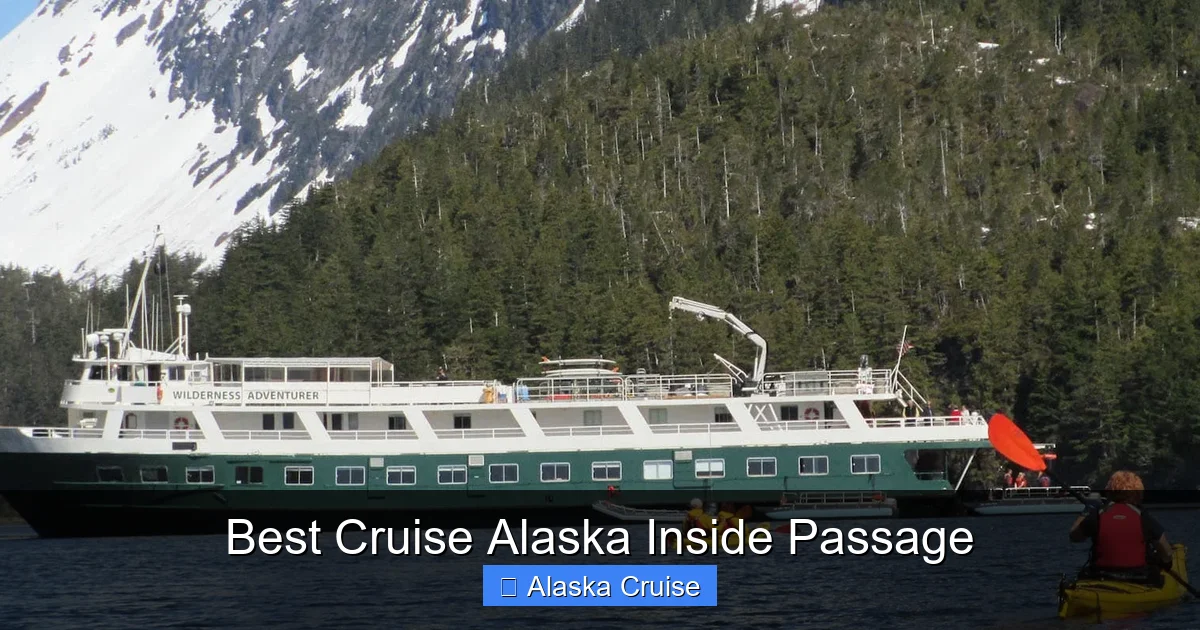
Embarking on the best cruise Alaska Inside Passage offers a front-row seat to glaciers, wildlife, and charming coastal towns. From Juneau to Ketchikan, these voyages blend natural wonder with cultural discovery in one of the world’s most breathtaking destinations.
Key Takeaways
- Glacier viewing is a highlight: The Inside Passage features iconic stops like Glacier Bay and Tracy Arm, where you can witness massive ice calving events up close.
- Wildlife abounds: Expect to see humpback whales, orcas, sea lions, bald eagles, and brown bears—especially during peak summer months.
- Top ports include Juneau, Skagway, and Ketchikan: Each offers unique excursions, from gold rush history to native culture and rainforest hikes.
- Best time to cruise is May through September: Warmer weather, longer days, and active wildlife make this the ideal window for travel.
- Smaller ships offer better access: Boutique cruise lines like UnCruise or Lindblad Expeditions navigate narrow channels and remote inlets larger vessels can’t reach.
- Pack layers and rain gear: Weather in the Inside Passage can change quickly—waterproof jackets and warm clothing are essential.
- Book excursions early: Popular activities like whale watching, dog sledding on glaciers, and flightseeing fill up fast, especially on peak-season cruises.
Why the Alaska Inside Passage Is a Must-See Destination
Imagine cruising through narrow, mirror-like channels flanked by snow-capped peaks, where mist rises from ancient rainforests and glaciers groan as they calve into icy waters. This is the Alaska Inside Passage—a 500-mile stretch of protected coastline that winds through southeastern Alaska, offering some of the most dramatic and unspoiled scenery on the planet. It’s not just a cruise; it’s a journey into the heart of the wild north.
What makes the Inside Passage so special is its unique geography. Unlike open-ocean cruises, this route hugs the coastline, allowing ships to glide past towering fjords, hidden coves, and remote islands. The waters are calm, the views are constant, and the sense of adventure is palpable. Whether you’re sipping coffee on your balcony as a pod of humpback whales breaches nearby or hiking through a temperate rainforest in search of black bears, every moment feels like a scene from a nature documentary.
But it’s not all about the scenery. The Inside Passage is also rich in history and culture. Indigenous Tlingit, Haida, and Tsimshian communities have lived here for thousands of years, and their art, traditions, and stories are woven into the fabric of the region. Gold rush towns like Skagway echo with the footsteps of prospectors, while modern-day Juneau blends urban charm with frontier spirit. This blend of natural beauty and human history makes the Inside Passage more than just a scenic drive—it’s a living, breathing destination.
Top Cruise Lines for the Alaska Inside Passage
Choosing the right cruise line can make or break your Alaska experience. With so many options available, it’s important to match your travel style—whether you prefer luxury, adventure, or family-friendly fun—with the right operator. Here are some of the best cruise lines offering unforgettable journeys through the Inside Passage.
Luxury and Comfort: Holland America Line and Princess Cruises
If you’re looking for a refined experience with top-tier service, Holland America Line and Princess Cruises are excellent choices. Both lines offer mid-sized ships that balance comfort with access to key ports. Holland America is known for its elegant ambiance, enrichment programs (think lectures on Alaskan wildlife and geology), and exceptional dining. Their ships often include verandahs in most staterooms, so you can enjoy the views in privacy.
Princess Cruises, on the other hand, excels in onboard entertainment and family-friendly activities. Their “North to Alaska” program brings local culture to life with cooking demos, craft workshops, and live music. Princess also offers a robust shore excursion program, including exclusive access to the Glacier Bay National Park via their partnership with the National Park Service.
Adventure and Intimacy: UnCruise Adventures and Lindblad Expeditions
For travelers who want to get off the beaten path, smaller expedition-style cruises are the way to go. UnCruise Adventures and Lindblad Expeditions (in partnership with National Geographic) specialize in immersive, nature-focused voyages. Their ships carry fewer than 100 passengers, allowing them to navigate narrow waterways and anchor in remote bays where larger ships can’t go.
These cruises emphasize active exploration—kayaking among icebergs, hiking through old-growth forests, and Zodiac excursions to spot sea otters and puffins. Naturalist guides accompany every trip, offering expert insights into the region’s ecology. If you’re someone who wants to do more than just look at the scenery, these lines deliver a hands-on, educational experience.
Family Fun: Disney Cruise Line and Royal Caribbean
Traveling with kids? Disney Cruise Line and Royal Caribbean offer Alaska itineraries designed with families in mind. Disney’s ships feature character meet-and-greets, themed dining, and kids’ clubs that keep younger passengers entertained while parents relax. Their Alaska cruises include stops in Juneau, Skagway, and Ketchikan, with family-friendly excursions like gold panning and wildlife tours.
Royal Caribbean brings its signature onboard thrills—flow riders, rock climbing walls, and Broadway-style shows—to the Alaskan wilderness. While their ships are larger, they still offer excellent shore excursions and a welcoming atmosphere for all ages. Both lines do a great job of balancing adventure with comfort, making them ideal for multi-generational trips.
Best Ports of Call Along the Inside Passage
One of the biggest draws of an Alaska Inside Passage cruise is the variety of ports you’ll visit. Each stop offers a unique slice of Alaskan life, from bustling cities to quiet fishing villages. Here’s a closer look at the most popular destinations and what makes them special.
Juneau: The Capital City with Wild Surroundings
Juneau is Alaska’s capital—and one of the few state capitals not accessible by road. That means your only way in is by air or sea, adding to its remote charm. Nestled between the Gastineau Channel and towering mountains, Juneau blends urban amenities with wild adventure.
Top activities include visiting the Mendenhall Glacier, a 13-mile-long river of ice just 12 miles from downtown. You can walk the trails, take a guided glacier hike, or even kayak near its face. For wildlife lovers, a whale-watching tour is a must—Juneau is one of the best places in Alaska to see humpback whales feeding in the summer.
Don’t miss the Alaska State Museum or a ride on the Mount Roberts Tramway for panoramic views of the city and surrounding wilderness. And if you’re feeling adventurous, consider a flightseeing tour to see glaciers from above or a visit to a working gold mine.
Skagway: Gateway to the Gold Rush
Step back in time in Skagway, a historic town that was once the bustling hub of the Klondike Gold Rush. With its wooden boardwalks, false-front buildings, and lively saloons, Skagway feels like a scene from an old Western film—but it’s very much alive today.
The main attraction is the White Pass and Yukon Route Railway, a narrow-gauge steam train that climbs 2,865 feet through steep mountain passes. The journey offers breathtaking views and a glimpse into the engineering marvel that helped prospectors reach the gold fields.
Outdoor enthusiasts will love hiking the Chilkoot Trail or taking a dog sledding tour on a glacier (yes, really!). Skagway is also a great place to learn about Alaska’s indigenous heritage at the Klondike Gold Rush National Historical Park Visitor Center.
Ketchikan: The Salmon Capital of the World
Known as the “Salmon Capital of the World,” Ketchikan is a colorful waterfront town built on stilts over the Tongass Narrow. It’s the first port for southbound cruises and the last for northbound ones, making it a favorite among travelers.
Ketchikan is famous for its Native American culture. Visit the Totem Heritage Center to see restored 19th-century totem poles, or take a guided tour of the nearby Totem Bight State Historical Park. The town also hosts the annual Alaska Hummingbird Festival, celebrating the region’s tiny feathered visitors.
For nature lovers, a trip to Misty Fjords National Monument is unforgettable. This 2-million-acre wilderness features dramatic cliffs, waterfalls, and pristine lakes—best seen from a small plane or kayak. Back in town, don’t leave without trying fresh salmon at one of the local seafood shacks.
Glacier Bay National Park: A UNESCO World Heritage Site
While not a traditional “port,” Glacier Bay is a highlight of any Inside Passage cruise. This UNESCO World Heritage Site is home to over a dozen active glaciers, including the massive Margerie and Lamplugh Glaciers. Ships enter the park early in the morning, often accompanied by a National Park Service ranger who provides commentary on the geology and wildlife.
As you cruise through the bay, keep your eyes peeled for ice calving—the thunderous sound of ice breaking off a glacier and crashing into the water. It’s a powerful reminder of nature’s force. You might also spot harbor seals lounging on ice floes, orcas hunting in the distance, and bald eagles soaring overhead.
Most ships spend 6–8 hours in Glacier Bay, giving you plenty of time to soak in the views. Some cruise lines even offer special “glacier viewing” decks or outdoor lounges for the best photo opportunities.
Wildlife and Natural Wonders You’ll Encounter
One of the biggest reasons people choose an Alaska Inside Passage cruise is the chance to see wildlife in its natural habitat. From the deck of your ship or during a shore excursion, you’ll have countless opportunities to observe animals that are rarely seen elsewhere.
Marine Mammals: Whales, Seals, and Sea Lions
The waters of the Inside Passage are teeming with marine life. Humpback whales are the stars of the show—these gentle giants can be seen breaching, tail-slapping, and feeding in groups called “super pods.” Orcas (killer whales) are also common, especially in areas near Juneau and Ketchikan.
Sea lions and harbor seals are often spotted lounging on rocky outcrops or ice floes. Look for Steller sea lions—the largest of the eared seals—basking in the sun near the shore. If you’re lucky, you might even see a sea otter floating on its back, using a rock to crack open shellfish.
Birds of the North: Eagles, Puffins, and More
Alaska is a birdwatcher’s paradise. The Inside Passage is home to over 300 species of birds, including the iconic bald eagle. These majestic birds nest in tall trees along the coastline and are often seen perched near fishing spots, waiting for a meal.
Puffins—both tufted and horned—can be spotted on remote islands and sea stacks. Their colorful beaks and comical waddle make them a favorite among photographers. Other常见 birds include cormorants, gulls, and the elusive marbled murrelet, a seabird that nests in old-growth forests.
Land Animals: Bears, Moose, and Mountain Goats
While most wildlife sightings happen from the water, shore excursions offer chances to see land animals up close. Brown bears (also called grizzlies) are often seen foraging along riverbanks, especially during salmon runs in July and August. Ketchikan and Hyder (a small community near the Canadian border) are prime spots for bear viewing.
Moose are more common inland, but you might spot one wading in a marshy area during a hike. Mountain goats, with their shaggy white coats and impressive climbing skills, can be seen scaling cliffs in areas like Skagway and Glacier Bay.
Best Time to Cruise the Alaska Inside Passage
Timing is everything when it comes to an Alaska cruise. The Inside Passage has a short but spectacular cruising season, and choosing the right month can make a big difference in your experience.
Peak Season: June to August
The summer months—June, July, and August—are the most popular times to cruise. During this period, the weather is mild (average highs in the 60s°F), the days are long (up to 18 hours of daylight in June), and wildlife is most active. This is also when cruise ships are at full capacity, so expect more crowds and higher prices.
July is especially busy, as it’s prime time for whale watching and glacier viewing. However, it’s also when shore excursions book up fastest, so plan ahead.
Shoulder Seasons: May and September
If you prefer fewer crowds and lower prices, consider traveling in May or September. These shoulder months offer many of the same benefits as summer—good weather, active wildlife, and open excursions—but with a more relaxed pace.
May is ideal for early-season wildlife, including migrating birds and newborn animals. September brings stunning fall colors to the forests and a chance to see bears fattening up before hibernation. Just be prepared for cooler temperatures and a higher chance of rain.
What to Avoid: Early Spring and Late Fall
Cruises typically don’t operate before May or after mid-September. Early spring can be icy and unpredictable, while late fall brings shorter days, colder weather, and limited services in port towns. If you’re set on an Alaska cruise, stick to the May–September window for the best experience.
Packing Tips and What to Bring
Packing for an Alaska Inside Passage cruise requires a bit of strategy. The weather can be unpredictable, and you’ll want to be prepared for everything from sunny glacier views to rainy rainforest hikes.
Layer Up: The Key to Comfort
The golden rule for Alaska packing is layers. Mornings on deck can be chilly, even in summer, while afternoons in port might be warm and sunny. Start with a moisture-wicking base layer, add a fleece or sweater, and top it off with a waterproof, windproof jacket.
Don’t forget a warm hat, gloves, and a scarf—especially if you plan to be on deck during glacier viewing. Thermal underwear is also a smart addition for cooler days.
Footwear Matters
Comfortable, waterproof shoes are essential. You’ll be walking on wet docks, muddy trails, and uneven terrain during excursions. Hiking boots or sturdy walking shoes with good grip are ideal. Bring a pair of casual shoes for evenings on the ship and flip-flops for the pool or shower.
Don’t Forget the Essentials
Other must-haves include:
- Sunscreen and sunglasses (yes, even in Alaska—the sun reflects off the water and ice)
- Binoculars for wildlife spotting
- A waterproof phone case or dry bag
- A small backpack for day trips
- Motion sickness remedies (though the waters are generally calm)
- A camera with extra batteries (you’ll want to capture every moment)
Conclusion
A cruise through the Alaska Inside Passage is more than a vacation—it’s a journey into one of the last great wildernesses on Earth. From the thunder of calving glaciers to the silent glide of a humpback whale, every moment is filled with wonder. Whether you’re drawn by the promise of adventure, the thrill of wildlife, or the beauty of untouched landscapes, this region delivers in ways few destinations can match.
With a variety of cruise lines, ports, and activities to choose from, there’s an Inside Passage itinerary for every traveler. Whether you prefer the luxury of a large ship or the intimacy of an expedition vessel, the key is to embrace the journey—not just the destination. Pack your layers, bring your sense of curiosity, and get ready to create memories that will last a lifetime.
FAQs
What is the best time of year to cruise the Alaska Inside Passage?
The best time to cruise is from May to September. June through August offers the warmest weather and most active wildlife, while May and September provide fewer crowds and lower prices.
How long is a typical Alaska Inside Passage cruise?
Most cruises last 7 to 10 days, with 4 to 5 port stops. Some extended itineraries can last up to 14 days, including round-trip voyages from Seattle or Vancouver.
Will I see whales on an Alaska cruise?
Yes! Humpback whales, orcas, and minke whales are commonly spotted, especially near Juneau, Icy Strait Point, and Frederick Sound. Whale-watching excursions increase your chances of a close encounter.
Do I need to book shore excursions in advance?
Yes, it’s highly recommended. Popular activities like dog sledding, flightseeing, and whale watching fill up quickly, especially during peak season. Booking early ensures you get your top choices.
What should I wear on an Alaska cruise?
Pack in layers: a waterproof jacket, fleece, warm base layers, and comfortable walking shoes. Don’t forget a hat, gloves, and binoculars for wildlife viewing.
Are Alaska cruises family-friendly?
Absolutely. Lines like Disney Cruise Line and Royal Caribbean offer kids’ clubs, family excursions, and onboard entertainment. Even smaller expedition ships often welcome families with children over 8.
This is a comprehensive guide about best cruise alaska inside passage.
Key Takeaways
- Understanding best cruise alaska inside passage: Provides essential knowledge
Frequently Asked Questions
What is best cruise alaska inside passage?
best cruise alaska inside passage is an important topic with many practical applications.