Experience the wild beauty of Alaska with the best cruise adventures Alaska offers—glacier viewing, whale watching, and native culture. Whether you’re a first-time cruiser or a seasoned traveler, an Alaskan cruise delivers unforgettable moments in one of the world’s last true frontiers.
Dreaming of snow-capped peaks, icy fjords, and the call of a humpback whale echoing across the water? You’re not alone. Alaska has long captured the imagination of adventurers, nature lovers, and curious travelers alike. And there’s no better way to experience this rugged, awe-inspiring landscape than on a cruise. The best cruise adventures Alaska offers combine comfort, convenience, and unparalleled access to some of the planet’s most dramatic scenery.
Imagine waking up to the sight of a towering glacier calving into the sea, or sipping coffee on your balcony as a pod of orcas glides past your ship. From the lush rainforests of the Inside Passage to the remote wilderness of the Gulf Coast, an Alaskan cruise is more than a vacation—it’s a journey into the heart of the wild. Whether you’re gliding past icebergs in Tracy Arm Fjord, hiking through Tongass National Forest, or learning about Tlingit culture in a coastal village, every moment feels like a scene from a nature documentary.
But with so many cruise lines, itineraries, and ports to choose from, how do you pick the right adventure? Don’t worry—we’ve got you covered. In this guide, we’ll walk you through everything you need to know to plan the best cruise adventures Alaska has to offer. From must-see destinations and wildlife hotspots to packing tips and excursion ideas, you’ll be ready to set sail with confidence.
Key Takeaways
- Glacier viewing is a must: Witness massive tidewater glaciers like Hubbard and Mendenhall up close during scenic cruising days.
- <Wildlife encounters abound: Spot humpback whales, orcas, sea lions, bald eagles, and brown bears in their natural habitats.
- Port towns offer rich culture: Explore historic Skagway, charming Juneau, and scenic Ketchikan with local shops, museums, and indigenous heritage.
- Choose the right itinerary: Inside Passage cruises are ideal for first-timers; Gulf of Alaska routes offer longer, more remote adventures.
- Pack for variable weather: Layers, waterproof gear, and binoculars are essential for comfort and sightseeing.
- Book excursions early: Popular activities like dog sledding on glaciers or whale-watching tours fill up fast.
- Best time to go: May through September offers mild weather, long daylight hours, and peak wildlife activity.
📑 Table of Contents
Why Choose a Cruise for Your Alaska Adventure?
Alaska is vast—over 660,000 square miles of mountains, forests, glaciers, and coastline. Driving or flying between destinations can be time-consuming and expensive. A cruise, on the other hand, lets you see multiple regions in one seamless trip, all while sleeping in the same bed and enjoying world-class dining and entertainment.
Cruises are also uniquely equipped to handle Alaska’s remote geography. Ships can navigate narrow fjords, stop at small ports inaccessible by road, and position you perfectly for glacier viewing. Plus, many cruises include expert naturalists on board who provide live commentary, enhancing your understanding of the environment.
Another major advantage? Flexibility. Most Alaskan cruises run from late May to early September, giving you a solid window to choose your ideal travel dates. Whether you prefer the quiet beauty of early summer or the vibrant energy of peak season, there’s a cruise for every preference.
Comfort Meets Adventure
Modern cruise ships are floating resorts, offering everything from spa treatments and fine dining to Broadway-style shows and kids’ clubs. But don’t let the luxury fool you—Alaska cruises are all about the outdoors. Large observation decks, open-air lounges, and floor-to-ceiling windows ensure you never miss a moment of the action.
Many ships even feature specialty restaurants with locally sourced seafood—think fresh king crab, wild salmon, and Dungeness crab—prepared by top chefs. And with multiple dining venues, you can enjoy a different experience each night without ever leaving the ship.
Access to Remote Wonders
Some of Alaska’s most spectacular sights are only accessible by boat. Places like Glacier Bay National Park, Tracy Arm Fjord, and the Inside Passage are best experienced from the water. Cruises allow you to glide silently past towering ice walls, listen to the crack of calving glaciers, and feel the cool mist of glacial water on your face—all from the safety and comfort of your ship.
Plus, cruise lines often partner with park rangers and local guides to offer educational programs and shore excursions that deepen your connection to the land and its people.
Top Itineraries for the Best Cruise Adventures Alaska

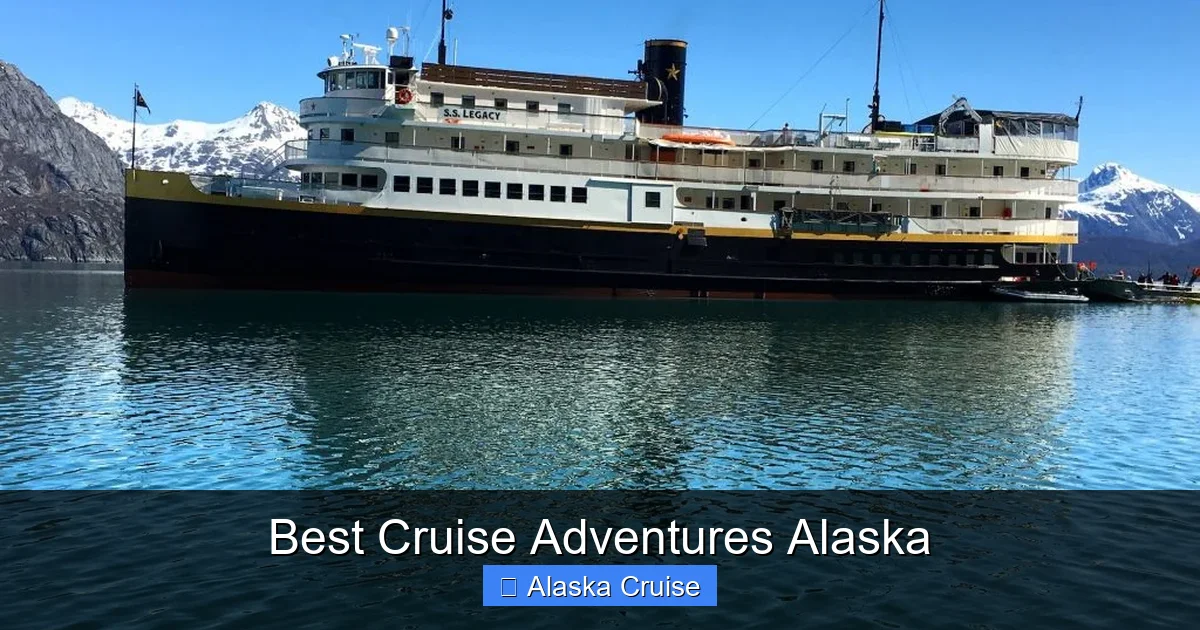
Visual guide about Best Cruise Adventures Alaska
Image source: uncruise-alaska.com
Not all Alaskan cruises are created equal. The route you choose will dramatically impact what you see and do. Here are the most popular itineraries and what makes each one special.
Inside Passage Cruises
The Inside Passage is the classic Alaskan cruise route, stretching from Seattle or Vancouver up through British Columbia and into southeastern Alaska. This journey is perfect for first-time cruisers and families, offering a mix of scenic beauty, charming ports, and wildlife viewing.
Ports typically include Ketchikan, Juneau, Skagway, and Haines. You’ll cruise past lush rainforests, snow-capped mountains, and icy fjords, with frequent stops for excursions. The pace is relaxed, and the scenery is consistently stunning.
One highlight is the passage through Tracy Arm or Endicott Arm, where you’ll come face-to-face with the Sawyer Glaciers. These narrow fjords are lined with waterfalls, towering cliffs, and icebergs, creating a truly otherworldly experience.
Gulf of Alaska Cruises
For a longer, more immersive adventure, consider a Gulf of Alaska cruise. These itineraries typically last 7 to 10 days and include both the Inside Passage and the more remote waters of the Gulf Coast.
You’ll visit ports like Seward and Whittier, which serve as gateways to Kenai Fjords National Park and Denali National Park. These cruises often include a one-way journey, starting in Seattle or Vancouver and ending in Seward (or vice versa), allowing you to explore inland Alaska via train or bus.
The Gulf Coast offers more dramatic glacier viewing, including the massive Hubbard Glacier—one of the largest tidewater glaciers in North America. At over 7 miles wide and 700 feet tall, it’s a sight that will leave you speechless.
Round-Trip vs. One-Way Cruises
Round-trip cruises depart and return to the same port (usually Seattle or Vancouver), making them convenient for travelers who don’t want to deal with multiple flights. They’re ideal for shorter vacations and first-time cruisers.
One-way cruises, on the other hand, offer a more adventurous experience. You’ll fly into one city, cruise to another, and then explore inland Alaska before flying home. This option is great for travelers who want to see more of the state and don’t mind a bit of logistical planning.
Must-See Ports and Shore Excursions
Alaska’s ports are more than just pit stops—they’re gateways to unique cultures, histories, and natural wonders. Here’s what to expect in the most popular cruise destinations.
Ketchikan: The Salmon Capital of the World
Nestled on the shores of the Tongass National Forest, Ketchikan is known for its vibrant Native American culture, totem poles, and world-class fishing. Stroll along Creek Street, a historic boardwalk built over a creek, and visit the Totem Heritage Center to see authentic 19th-century totems.
Don’t miss a visit to the Misty Fjords National Monument, a breathtaking wilderness area of granite cliffs, waterfalls, and pristine lakes. Many cruises offer flightseeing tours that soar over the fjords, offering panoramic views you can’t get from the ground.
For a cultural experience, book a Native American cultural tour or watch a traditional dance performance at the Saxman Totem Park.
Juneau: Alaska’s Capital City
Juneau is the only U.S. capital inaccessible by road, which adds to its remote charm. Nestled between the mountains and the sea, it’s a hub for outdoor adventure and wildlife viewing.
One of the top excursions is a whale-watching tour in Auke Bay. Humpback whales are common here, and many tours guarantee sightings—or your next trip is free. You might also spot orcas, sea lions, and harbor seals.
For glacier lovers, a visit to the Mendenhall Glacier is a must. Just 12 miles from downtown, this 13-mile-long glacier is easily accessible by shuttle or bike. Walk the trails, take in the views from the visitor center, or even go ice climbing with a guided tour.
Skagway: Gateway to the Klondike
Step back in time in Skagway, a Gold Rush-era town frozen in the 1890s. Wooden boardwalks, false-front buildings, and historic saloons give this port a Wild West vibe.
The most popular excursion is the White Pass & Yukon Route Railway, a narrow-gauge railroad that climbs 2,865 feet through the mountains. The journey offers stunning views of waterfalls, gorges, and snow-capped peaks—plus a chance to learn about the hardships of the Klondike Gold Rush.
For adventure seekers, try dog sledding on a glacier. Many tours include a helicopter ride to a remote glacier, where you’ll meet sled dogs and even take a short ride.
Glacier Bay National Park: A UNESCO World Heritage Site
While not a port, Glacier Bay is a highlight of many Alaskan cruises. This 3.3-million-acre park is home to over a dozen tidewater glaciers, including the famous Margerie and Grand Pacific Glaciers.
As your ship glides through the bay, park rangers come aboard to share insights about the park’s geology, wildlife, and conservation efforts. Keep your camera ready—calving events, where chunks of ice break off and crash into the water, are common and unforgettable.
Wildlife is abundant here too. Look for humpback whales, sea otters, harbor seals, and even brown bears along the shoreline.
Wildlife and Nature Highlights
Alaska is one of the best places in the world to see wildlife in its natural habitat. From marine mammals to birds and land animals, the state is a haven for nature enthusiasts.
Marine Life
Whales are the stars of the show. Humpback whales are the most common, known for their acrobatic breaches and haunting songs. Orcas, or killer whales, are also frequently spotted, especially in the waters around Juneau and Ketchikan.
Sea lions and harbor seals bask on rocky outcrops, while sea otters float on their backs, using rocks to crack open shellfish. Keep an eye out for Dall’s porpoises, which often ride the bow wave of the ship.
Birds of Alaska
Alaska is a birdwatcher’s paradise. Bald eagles soar overhead, their white heads gleaming against the sky. Puffins, with their colorful beaks, nest on coastal cliffs. And thousands of seabirds, including murres, kittiwakes, and cormorants, fill the air with their calls.
Many cruises offer birding excursions, especially in areas like the Inside Passage and Glacier Bay, where bird populations are especially dense.
Land Animals
While most wildlife viewing happens from the ship, shore excursions offer chances to see land animals up close. Brown bears are often spotted along riverbanks, especially during salmon runs. Moose, black bears, and mountain goats are also common in forested areas.
For a guaranteed bear sighting, consider a tour to Anan Creek Bear Observatory near Wrangell, where you can watch bears fish for salmon from a safe viewing platform.
Packing Tips for Your Alaska Cruise
Packing for an Alaskan cruise is all about layers and versatility. Weather can change quickly, and temperatures can vary widely between ports.
Essential Clothing
Start with a good base layer of moisture-wicking fabrics. Add a mid-layer like a fleece or lightweight down jacket, and top it off with a waterproof and windproof outer shell. Even in summer, temperatures can drop to the 40s or 50s, especially on glacier days.
Don’t forget a warm hat, gloves, and a scarf. And pack comfortable, waterproof shoes with good traction—many excursions involve walking on uneven terrain.
Must-Have Gear
Binoculars are a must for wildlife viewing. A good pair will help you spot whales, eagles, and distant glaciers with ease.
A waterproof camera or phone case is also essential. You’ll want to capture every moment, and the mist from calving glaciers can soak your gear in seconds.
Sunscreen and sunglasses might seem unnecessary, but the sun reflects off the water and ice, increasing your risk of sunburn. And don’t forget motion sickness remedies—some fjords can get choppy.
What Not to Bring
Avoid heavy luggage. Most excursions provide gear like rain ponchos or hiking boots, so you don’t need to pack everything. And leave valuables at home—Alaska is safe, but it’s always better to be cautious.
Best Time to Cruise Alaska
The Alaskan cruise season runs from May to September, with each month offering a unique experience.
May and June: Quiet Beauty
Early season cruises offer fewer crowds, lower prices, and the chance to see spring wildflowers and newborn wildlife. The weather is cooler, but the scenery is lush and green.
July and August: Peak Season
These are the most popular months, with warm weather, long daylight hours, and peak wildlife activity. Expect larger crowds and higher prices, but the experience is worth it.
September: Fall Colors and Calm Waters
Late-season cruises offer stunning fall foliage, fewer tourists, and calm seas. Wildlife is still active, and you might even catch the northern lights if you’re lucky.
Choosing the Right Cruise Line
With so many cruise lines offering Alaskan itineraries, it’s important to choose one that matches your travel style.
Luxury Cruises
Lines like Seabourn, Silversea, and Crystal offer small ships, personalized service, and high-end amenities. These cruises often include expert naturalists, gourmet dining, and exclusive excursions.
Family-Friendly Cruises
Disney Cruise Line, Royal Caribbean, and Norwegian Cruise Line are great for families. They offer kids’ clubs, entertainment, and a wide range of activities for all ages.
Adventure and Expedition Cruises
For a more rugged experience, consider an expedition cruise with lines like Lindblad Expeditions or UnCruise Adventures. These smaller ships focus on nature, wildlife, and hands-on exploration, often with kayaking, hiking, and Zodiac tours.
Conclusion
An Alaskan cruise is more than a vacation—it’s a journey into one of the world’s most breathtaking and untouched landscapes. The best cruise adventures Alaska offers combine the comfort of a floating hotel with the thrill of exploring glaciers, wildlife, and native cultures.
Whether you’re marveling at a calving glacier, spotting a humpback whale, or hiking through a rainforest, every moment feels like a gift. With the right itinerary, packing list, and mindset, your Alaskan cruise will be an unforgettable adventure.
So what are you waiting for? Start planning your voyage today and discover why Alaska remains one of the planet’s greatest natural wonders.
Frequently Asked Questions
What is the best time of year to take an Alaska cruise?
The best time to cruise Alaska is from late May to early September. July and August offer the warmest weather and longest daylight hours, while May and September provide fewer crowds and lower prices.
Do I need to book shore excursions in advance?
Yes, it’s highly recommended. Popular excursions like whale watching, dog sledding, and glacier hikes often sell out weeks or months in advance, especially during peak season.
What should I wear on an Alaska cruise?
Pack in layers: a base layer, fleece or sweater, and a waterproof jacket. Bring comfortable, waterproof shoes, a hat, gloves, and binoculars for wildlife viewing.
Will I see whales on my Alaska cruise?
Yes, whale sightings are common, especially humpback whales and orcas. Many tours operate in prime whale habitats and often guarantee sightings.
Are Alaska cruises suitable for families?
Absolutely. Many cruise lines offer family-friendly amenities, kids’ clubs, and excursions designed for all ages. Disney and Royal Caribbean are especially popular with families.
How long is a typical Alaska cruise?
Most Alaska cruises last 7 days, but itineraries can range from 5 to 14 days. Gulf of Alaska cruises are often longer and include more remote destinations.