Choosing the right compact binoculars for an Alaska cruise can make or break your wildlife viewing experience. With so many options on the market, it’s essential to find a pair that balances size, clarity, durability, and ease of use—especially in unpredictable Alaskan weather.
Key Takeaways
- Compact size matters: Lightweight and pocket-sized binoculars are ideal for long days on deck or during shore excursions without adding bulk to your gear.
- Waterproof and fog-proof design is essential: Alaska’s damp, chilly climate demands optics sealed with O-rings and filled with nitrogen or argon to prevent internal fogging.
- 8×42 magnification offers the best balance: This configuration provides bright, steady images with a wide field of view—perfect for scanning glaciers, whales, and birds.
- Close focus capability enhances wildlife observation: Binoculars that focus as close as 6–8 feet let you observe nearby sea otters, puffins, or tidal pools in stunning detail.
- Rubber armor and durable build ensure longevity: Rugged construction protects against drops and rough handling during zodiac rides or hiking.
- Image stabilization helps in rough seas: For passengers prone to motion sickness or using higher magnifications, stabilized models reduce shake for clearer views.
- Consider eye relief if you wear glasses: Long eye relief (15mm+) ensures full field of view comfort for spectacle wearers during extended viewing sessions.
📑 Table of Contents
Why Compact Binoculars Are a Must-Have for Your Alaska Cruise
An Alaska cruise isn’t just a vacation—it’s a front-row seat to one of nature’s greatest shows. From breaching humpback whales and playful sea otters to towering glaciers calving into icy waters, the scenery changes every hour. But without the right gear, you might miss the magic happening just beyond the ship’s railing.
That’s where compact binoculars come in. Unlike full-sized models that weigh you down, compact binoculars are designed for portability and convenience. They slip easily into a jacket pocket, backpack, or even a large purse, making them perfect for spontaneous wildlife sightings. Whether you’re lounging on the observation deck at sunrise or hiking through Tongass National Forest, having a reliable pair of binoculars ensures you won’t miss a single moment.
But not all compact binoculars are created equal. Alaska’s rugged environment—complete with salt spray, sudden rain showers, and temperature swings—demands optics built to last. The best compact binoculars for Alaska cruises combine optical excellence with rugged durability, all in a lightweight package. In this guide, we’ll walk you through everything you need to know to choose the perfect pair for your adventure.
What to Look for in Compact Binoculars for Alaska

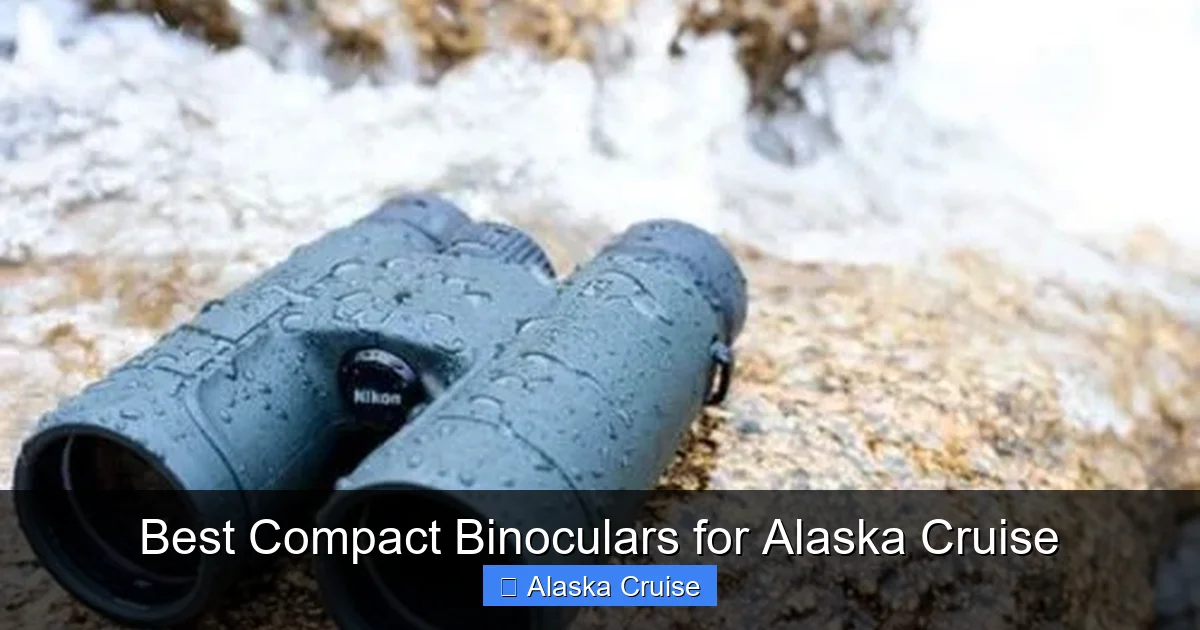
Visual guide about Best Compact Binoculars for Alaska Cruise
Image source: cruisediscover.com
When shopping for binoculars for your Alaska cruise, it’s easy to get overwhelmed by technical specs and marketing jargon. But focusing on a few key features will help you make a smart, informed decision.
Magnification and Objective Lens Size
The first thing you’ll notice on any binocular label is a number like “8×42” or “10×25.” The first number is the magnification—how many times closer the subject appears. The second is the diameter of the objective lens in millimeters, which determines how much light enters the binoculars.
For Alaska cruises, an 8×42 configuration is widely regarded as the sweet spot. The 8x magnification is powerful enough to see distant whales or mountain goats clearly, yet stable enough to use without a tripod. Higher magnifications like 10x can amplify hand shake, making images shaky—especially on a moving ship.
The 42mm objective lens gathers plenty of light, which is crucial during Alaska’s long summer days with low-angle sunlight and frequent overcast skies. Larger lenses (like 50mm) offer even better brightness but add weight and bulk—something you want to avoid with compact models.
If you prefer ultra-lightweight options, consider 8×32 or 10×25 binoculars. These are great for quick glances and easy carrying, but they may struggle in low-light conditions like early morning fjords or twilight wildlife activity.
Waterproof and Fog-Proof Construction
Alaska is famously wet. Saltwater spray, sudden rain, and morning dew are part of the daily experience. That’s why waterproof and fog-proof binoculars are non-negotiable.
Look for models labeled “fully waterproof” or “nitrogen-purged.” These binoculars are sealed with O-rings to keep moisture out and filled with inert gas (like nitrogen or argon) to prevent internal fogging when temperatures change. This is especially important when moving from a warm cabin to a chilly deck.
Cheaper binoculars may claim to be “water-resistant,” but that’s not enough for Alaska’s conditions. A true waterproof rating (often IPX7 or higher) means the binoculars can survive accidental drops in water or heavy downpours.
Close Focus Distance
One often-overlooked feature is close focus—the minimum distance at which the binoculars can focus clearly. For Alaska cruises, this is a game-changer.
Imagine anchoring near a rocky shoreline and spotting a cluster of sea stars or a curious river otter just 10 feet away. Binoculars with a close focus of 6–8 feet will let you observe these details in sharp focus. Models with longer close focus distances (10+ feet) will leave you squinting at nearby wildlife.
This feature is especially useful during guided shore excursions, where naturalists often point out small birds, insects, or plant life just steps away.
Eye Relief and Comfort
If you wear glasses, eye relief is critical. Eye relief refers to the distance between your eye and the eyepiece where you can still see the full field of view.
Look for binoculars with long eye relief (15mm or more). This allows you to press the eyecups against your glasses and still see the entire image without dark edges. Many compact binoculars come with twist-up or fold-down eyecups, making it easy to adjust for comfort.
Even if you don’t wear glasses, generous eye relief reduces eye strain during long viewing sessions—something you’ll appreciate when tracking a pod of orcas for 20 minutes straight.
Build Quality and Ergonomics
Alaska’s terrain is unforgiving. Your binoculars will be jostled in backpacks, exposed to wind, and possibly dropped on rocky trails. That’s why build quality matters.
Choose models with rubber armor coating—it provides a secure grip and absorbs shock from drops. Metal chassis (especially magnesium or aluminum) are lighter and more durable than plastic, though they may cost more.
Ergonomics are equally important. The binoculars should feel balanced in your hands, with easy-to-reach focus wheels and smooth hinge movement. Test them in the store if possible, or read user reviews about comfort during extended use.
Top Compact Binoculars for Alaska Cruises
Now that you know what to look for, let’s explore some of the best compact binoculars currently available—each tested and recommended for Alaska cruise adventures.
1. Nikon Monarch M5 8×42
The Nikon Monarch M5 8×42 is a favorite among nature enthusiasts and cruise travelers alike. Weighing just 21.8 ounces, it strikes the perfect balance between compact size and optical performance.
Its ED (Extra-Low Dispersion) glass delivers sharp, color-accurate images with minimal chromatic aberration—ideal for spotting subtle details like whale flukes or bird plumage. The 8×42 configuration offers a bright, wide field of view, and the close focus of 6.6 feet lets you zoom in on nearby wildlife.
Fully waterproof and fog-proof, the Monarch M5 handles Alaska’s damp climate with ease. The rubber armor provides a secure grip, even with wet hands, and the long eye relief (19.5mm) makes it comfortable for glasses wearers.
Priced around $350, it’s a premium option—but worth every penny for serious wildlife watchers.
2. Vortex Optics Diamondback HD 8×42
Vortex is known for building rugged, high-performance optics, and the Diamondback HD 8×42 is no exception. At 21.3 ounces, it’s lightweight and compact, yet delivers exceptional clarity and color fidelity.
The HD (High Definition) lenses and fully multi-coated optics ensure bright, crisp images even in low light—perfect for early morning glacier tours or evening wildlife spotting. The close focus of 6.5 feet is excellent for近距离观察潮间带生物。
What sets Vortex apart is its lifetime warranty—if anything goes wrong, they’ll repair or replace it, no questions asked. This peace of mind is invaluable when traveling to remote destinations like Alaska.
The Diamondback HD is also fully waterproof and fog-proof, with a durable rubber armor coating. Priced around $250, it offers outstanding value for the quality.
3. Zeiss Terra ED Compact 8×42
Zeiss is a legendary name in optics, and the Terra ED Compact 8×42 brings premium German engineering to a travel-friendly size. Weighing just 20.5 ounces, it’s one of the lightest full-performance binoculars on the market.
The ED glass and Zeiss T* multi-coating deliver stunning image clarity with true-to-life colors and excellent contrast. Whether you’re scanning a distant glacier or watching a bald eagle soar, the Terra ED reveals fine details with precision.
It’s fully waterproof and fog-proof, with a close focus of 6.2 feet—ideal for近距离观察潮间带生物。The ergonomic design and smooth focus wheel make it a joy to use, even during long excursions.
At around $400, it’s an investment—but for travelers who demand the best, the Zeiss Terra ED is hard to beat.
4. Celestron Nature DX 8×42
For budget-conscious travelers, the Celestron Nature DX 8×42 offers impressive performance at an affordable price (around $150). Weighing 22.2 ounces, it’s slightly heavier than premium models but still compact enough for daily carry.
The BaK-4 prisms and fully multi-coated lenses deliver bright, clear images with good color reproduction. While not as sharp as ED glass models, it’s more than capable of handling Alaska’s wildlife viewing needs.
It’s waterproof and fog-proof, with a close focus of 6.5 feet. The rubber armor provides a solid grip, and the 18mm eye relief accommodates most glasses wearers.
The Nature DX is a great entry-level option for first-time binocular buyers or those who want reliable performance without breaking the bank.
5. Fujinon Techno-Stabi TS12x28
If you’re prone to motion sickness or want the steadiest possible view on a moving ship, consider the Fujinon Techno-Stabi TS12x28. This compact binocular features built-in image stabilization, which reduces shake by up to 80%.
While the 12x magnification is higher than ideal for some, the stabilization makes it usable even on rough seas. The 28mm objective lens is smaller, so low-light performance isn’t as strong—but for daylight wildlife spotting, it’s excellent.
Weighing 18.7 ounces, it’s lightweight and easy to carry. It’s also waterproof and fog-proof, with a close focus of 9.8 feet (a bit longer than ideal, but acceptable).
Priced around $600, it’s a niche product—but for travelers who struggle with shaky hands or motion, it’s a game-changer.
Tips for Using Binoculars on an Alaska Cruise
Even the best binoculars won’t help if you don’t know how to use them effectively. Here are some practical tips to get the most out of your Alaska cruise experience.
Stabilize Your View
On a moving ship, even slight motion can make images jump. To stabilize your view:
– Lean against a railing or wall for support.
– Use your elbows as a brace against your body.
– Consider a small tripod adapter if your binoculars support it (some models like the Nikon Monarch M5 do).
– Breathe slowly and steadily—exhale gently while focusing to reduce body movement.
Scan Methodically
Don’t just sweep your binoculars randomly. Use a systematic scanning pattern:
1. Start at the horizon and move downward in vertical strips.
2. Focus on areas with movement—ripples in the water, birds in flight, or shadows near rocks.
3. Use your naked eye first to spot movement, then raise the binoculars for a closer look.
This method helps you cover more area and increases your chances of spotting wildlife.
Protect Your Binoculars
Saltwater, sand, and moisture can damage optics over time. Follow these care tips:
– Rinse with fresh water after exposure to salt spray.
– Store in a protective case or pouch when not in use.
– Use lens caps or a neck strap to prevent drops.
– Avoid touching the lenses—use a microfiber cloth for cleaning.
Share the Experience
Binoculars are more fun when shared. Pass them to family members or fellow passengers to spread the joy of discovery. Just make sure to adjust the diopter and focus for each user.
Common Mistakes to Avoid
Even experienced travelers make mistakes when choosing or using binoculars. Here are a few to watch out for:
Choosing Based on Price Alone
Cheaper binoculars may save money upfront, but they often lack durability, clarity, and weather resistance. Investing in a quality pair ensures you’ll enjoy them for years—not just one trip.
Ignoring the Weight
A few extra ounces may not seem like much, but after hours on deck or hiking, heavy binoculars become a burden. Stick to models under 24 ounces for true portability.
Overlooking Eye Relief
If you wear glasses, skipping long eye relief is a common error. You’ll end up with a narrow field of view and eye strain—defeating the purpose of bringing binoculars.
Not Testing Before Buying
Whenever possible, test binoculars in person. Check focus speed, grip comfort, and image clarity. Online reviews are helpful, but hands-on experience is best.
Conclusion
An Alaska cruise is a once-in-a-lifetime adventure, and the right compact binoculars can elevate it from memorable to unforgettable. Whether you’re marveling at a glacier’s blue hues, tracking a pod of orcas, or spotting a rare puffin colony, having a reliable, high-quality pair in hand makes all the difference.
Focus on key features like 8×42 magnification, waterproofing, close focus, and comfort. Consider top models like the Nikon Monarch M5, Vortex Diamondback HD, or Zeiss Terra ED Compact—each offering a blend of performance, durability, and portability.
Remember, the best binoculars aren’t the most expensive or the most powerful—they’re the ones that fit your needs, your budget, and your travel style. With the right pair, you’ll capture Alaska’s wild beauty in stunning detail, one breathtaking moment at a time.
Frequently Asked Questions
What magnification is best for Alaska cruise binoculars?
The ideal magnification for Alaska cruises is 8x. It provides a stable, wide field of view perfect for scanning large landscapes and wildlife without excessive hand shake. Higher magnifications like 10x can be harder to hold steady on a moving ship.
Do I need waterproof binoculars for an Alaska cruise?
Yes, absolutely. Alaska’s climate is wet and unpredictable, with salt spray, rain, and fog common. Waterproof and fog-proof binoculars are essential to protect the optics and ensure clear viewing in all conditions.
Can I use compact binoculars if I wear glasses?
Yes, as long as the binoculars have long eye relief (15mm or more). Look for models with twist-up or fold-down eyecups to comfortably use them with glasses while still seeing the full field of view.
Are image-stabilized binoculars worth it for Alaska?
They can be, especially if you’re prone to motion sickness or using higher magnifications. Stabilized models like the Fujinon Techno-Stabi reduce shake, making it easier to track moving wildlife on a rocking ship.
How much should I spend on binoculars for an Alaska cruise?
Expect to spend between $150 and $400 for a quality pair. Budget models like the Celestron Nature DX offer good value, while premium options like the Zeiss Terra ED deliver superior optics and durability.
Can I bring binoculars on a cruise ship?
Yes, binoculars are allowed and encouraged on most cruise ships. They’re not considered restricted items and are often recommended by cruise lines for wildlife viewing. Just keep them secure and avoid leaving them on open decks unattended.