An Alaskan cruise is a bucket-list experience, but the cool coastal climate demands the right cold gear. From waterproof outer layers to thermal base layers, packing smart ensures you stay warm, dry, and ready to enjoy glaciers, wildlife, and scenic views in comfort.
Key Takeaways
- Layering is key: Use a three-layer system—base, mid, and outer—to regulate body temperature and stay dry in changing conditions.
- Waterproof outerwear is essential: Look for breathable, windproof jackets and pants with sealed seams to handle rain and sea spray.
- Insulated, non-slip boots matter: Choose insulated, waterproof boots with grippy soles for deck safety and shore excursions.
- Don’t forget extremities: High-quality gloves, hats, and neck gaiters prevent heat loss and protect against wind chill.
- Pack versatile, quick-dry clothing: Synthetic and merino wool fabrics wick moisture and dry fast, ideal for active days ashore.
- Test gear before you go: Break in boots and test layers at home to avoid discomfort or malfunctions on the cruise.
- Consider cruise line policies: Some excursions require specific gear—check guidelines to avoid surprises.
📑 Table of Contents
- Why the Right Cold Gear Matters on an Alaskan Cruise
- Understanding Alaska’s Cruise Climate: What to Expect
- The Three-Layer System: Your Secret Weapon Against the Cold
- Best Cold Gear for Alaskan Cruise: Top Picks by Category
- Packing Smart: What to Bring and What to Leave Behind
- Testing Your Gear Before the Cruise
- Final Thoughts: Enjoy Your Alaskan Adventure in Comfort
Why the Right Cold Gear Matters on an Alaskan Cruise
An Alaskan cruise offers some of the most breathtaking scenery on Earth—glaciers calving into icy waters, bald eagles soaring above fjords, and humpback whales breaching in the distance. But behind the postcard-perfect views lies a reality many first-time cruisers overlook: Alaska’s coastal weather is cool, damp, and unpredictable—even in summer.
Temperatures during peak cruise season (May through September) typically range from 45°F to 65°F (7°C to 18°C), but wind chill from sea breezes and frequent rain can make it feel much colder. Add in the constant moisture from ocean spray and mist, and you’ve got a climate that demands smart preparation. Without the right cold gear for Alaskan cruise adventures, you could spend your trip shivering on deck or missing out on shore excursions due to discomfort.
This isn’t about surviving subzero Arctic conditions—it’s about staying comfortable, dry, and mobile in a cool, wet environment. The key is dressing strategically. Unlike winter sports gear, Alaskan cruise clothing needs to balance warmth, breathability, and versatility. You’ll be moving between heated ship interiors, windy observation decks, and muddy hiking trails—all in the same day. That’s why investing in high-quality, purpose-built cold gear makes all the difference.
Understanding Alaska’s Cruise Climate: What to Expect
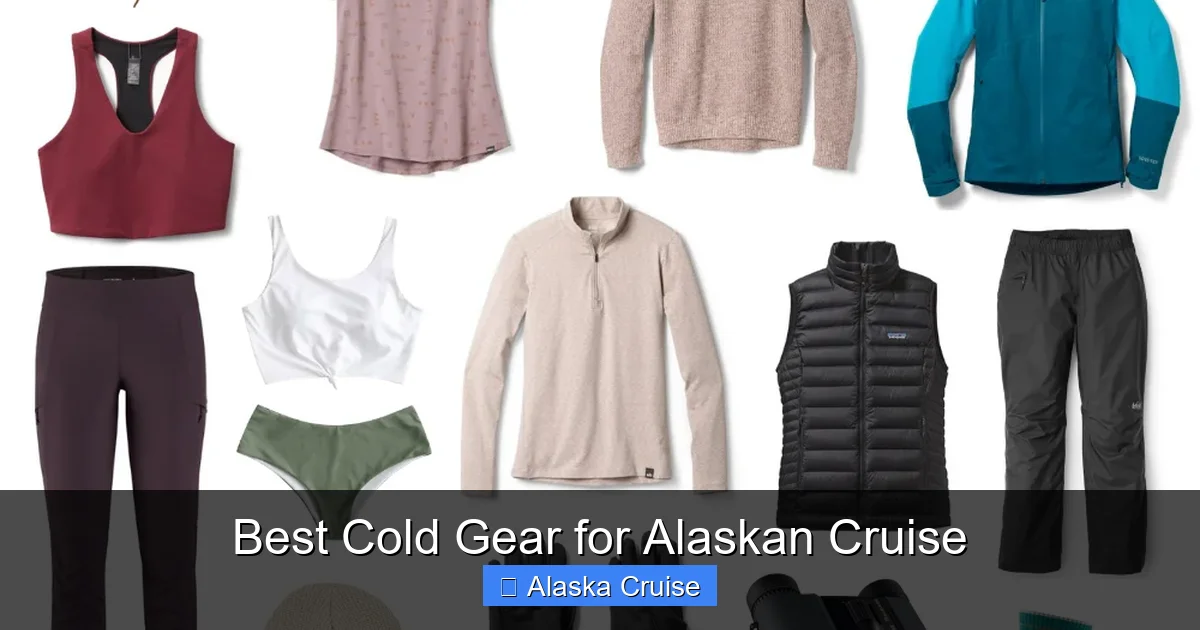
Visual guide about Best Cold Gear for Alaskan Cruise
Image source: i.pinimg.com
Before diving into gear recommendations, it helps to understand what kind of weather you’ll actually face. Alaska’s coastal regions—where most cruises sail—have a maritime climate. This means mild temperatures but high humidity, frequent cloud cover, and regular rainfall. Even on sunny days, the ocean keeps things cool.
Temperature Ranges by Month
- May–June: 45°F–55°F (7°C–13°C). Cooler mornings and evenings, with increasing daylight.
- July–August: 50°F–65°F (10°C–18°C). Warmest months, but still cool by most standards.
- September: 45°F–55°F (7°C–13°C). Crisp air, fewer crowds, and stunning fall colors inland.
Wind is a major factor. On deck, especially near glaciers or open water, wind speeds can make it feel 10–15°F colder. Rain is common—expect light to moderate showers, particularly in southern routes like Juneau, Ketchikan, and Skagway. Fog and mist are frequent in coastal areas, reducing visibility and adding to the damp feel.
Microclimates and Shore Excursions
Weather can vary dramatically between ports. For example, Ketchikan is one of the rainiest cities in the U.S., while Skagway is drier and windier. Shore excursions—like hiking in Tongass National Forest, kayaking in Glacier Bay, or riding the White Pass Railway—expose you to different conditions. Trails may be muddy, boats can be spray-heavy, and mountain areas are cooler than sea level.
This variability means your cold gear for Alaskan cruise trips must be adaptable. You need clothing that keeps you warm when it’s chilly, dry when it’s wet, and breathable when you’re active. The best approach? Layer smartly and pack gear that performs in multiple scenarios.
The Three-Layer System: Your Secret Weapon Against the Cold
The most effective way to stay comfortable in Alaska’s changing conditions is the three-layer system. Think of it like an onion—each layer has a specific job, and together they create a flexible, weather-resistant system.
Layer 1: Base Layer – Moisture Management
Your base layer sits directly against your skin and its main job is to wick sweat away. Cotton is a big no-no here—it absorbs moisture and stays wet, making you cold. Instead, opt for synthetic fabrics like polyester or natural merino wool.
Merino wool is a standout choice. It’s soft, odor-resistant, and naturally regulates temperature. Brands like Smartwool, Icebreaker, and REI Co-op offer excellent merino base layers in both tops and bottoms. For example, the Smartwool Merino 250 Crew is a popular pick—it’s warm, breathable, and comfortable for all-day wear.
Synthetic options like Patagonia Capilene or Columbia Omni-Wick are lighter and dry faster, making them ideal for active days. If you run cold, consider a mid-weight base layer. If you tend to overheat, a lightweight version works better.
Layer 2: Mid Layer – Insulation
This layer traps body heat to keep you warm. Fleece is the most common and practical choice. It’s lightweight, breathable, and retains warmth even when damp. A classic like the Patagonia Better Sweater or The North Face Denali fleece is perfect for Alaskan conditions.
For extra warmth, consider a lightweight insulated jacket. Down or synthetic puffy jackets are great for static activities like whale watching or glacier viewing. However, down loses insulation when wet, so synthetic insulation (like PrimaLoft or Thermolite) is safer for damp climates.
A versatile option is a hybrid jacket—fleece panels for breathability and insulated zones for core warmth. The Arc’teryx Atom LT is a favorite among outdoor enthusiasts for its balance of warmth and mobility.
Layer 3: Outer Layer – Weather Protection
Your outer layer is your shield against wind, rain, and spray. This should be a waterproof, breathable shell made with materials like Gore-Tex, eVent, or similar membranes.
Look for features like:
- Fully sealed seams to prevent leaks
- Adjustable hood that fits over a hat
- Pit zips for ventilation during activity
- Zippered pockets for secure storage
The Arc’teryx Beta LT or The North Face Apex Elevation are excellent examples. For a more budget-friendly option, the Columbia Watertight II offers solid protection at a lower price.
Pair your shell with waterproof pants. Many cruisers skip these, but they’re essential for rainy days or wet landings. Look for pants with articulated knees and zippered vents for comfort and mobility.
Best Cold Gear for Alaskan Cruise: Top Picks by Category
Now that you understand the layering system, let’s break down the best cold gear for Alaskan cruise travel by category. These recommendations balance performance, comfort, and value.
Waterproof Jackets
A high-quality rain jacket is non-negotiable. It should be lightweight enough to pack easily but durable enough to handle rough conditions.
- Arc’teryx Beta LT Jacket: Premium choice with Gore-Tex Pro fabric. Exceptional breathability and weather protection. Ideal for serious adventurers.
- The North Face Apex Elevation: Great balance of performance and price. Windproof, water-resistant, and stylish enough for dinner on the ship.
- Columbia Watertight II: Budget-friendly and reliable. Fully waterproof with sealed seams and adjustable features.
Insulated Mid Layers
These add warmth without bulk, perfect for layering under a shell.
- Patagonia Better Sweater Fleece: Soft, durable, and eco-friendly. Available in multiple weights and colors.
- Smartwool Merino 250 Zip-T: Combines merino warmth with a full-zip design for easy ventilation.
- Arc’teryx Atom LT Hoody: Hybrid insulation with breathable side panels. Excellent for active excursions.
Base Layers
Start with moisture-wicking fabrics to stay dry and comfortable.
- Icebreaker Oasis Long Sleeve Crewe: 200g merino wool, soft and odor-resistant. Great for multi-day wear.
- REI Co-op Merino 180 Base Layer: Affordable merino option with excellent temperature regulation.
- Patagonia Capilene Midweight Set: Synthetic base layer that dries fast and resists odor.
Waterproof Pants
Don’t overlook bottoms—wet legs can ruin your day.
- Outdoor Research Ferrosi Pants: Softshell pants that are water-resistant and highly breathable. Great for hiking.
- Columbia Ridge 2 Run Pant: Lightweight, waterproof, and packable. Ideal for sudden rain.
- Arc’teryx Beta AR Pant: Top-tier waterproof pants with Gore-Tex. Best for extreme conditions.
Footwear: The Foundation of Comfort
Your boots will take you from slippery decks to muddy trails. Look for three key features: insulation, waterproofing, and traction.
- Sorel Caribou Boot: Classic winter boot with waterproof construction and felt liner. Great for cold, wet conditions.
- Merrell Moab 3 Waterproof: Hiking boot with Vibram sole and waterproof membrane. Excellent for shore excursions.
- Baffin Enduro Boot: Lightweight, insulated, and rated for extreme cold. Ideal if you run cold.
For less intense days, waterproof hiking shoes or trail runners with good grip work well. Always break in new footwear before your trip to avoid blisters.
Accessories: Small Items, Big Impact
Don’t forget the extras—they can make or break your comfort.
- Gloves: Look for waterproof, insulated gloves. The Hestra Army Leather Heli Ski Glove offers excellent dexterity and warmth.
- Hat: A fleece or wool beanie is essential. The Smartwool Merino Beanie is soft, warm, and packable.
- Neck Gaiter or Buff: Protects your neck and can double as a face mask in windy conditions. Merino wool versions are best.
- Socks: Bring merino wool socks like Darn Tough or Smartwool. Pack extras—wet socks are miserable.
- Sunglasses and Sunscreen: Yes, even in Alaska! Glacier reflections can cause sunburn, and UV exposure is strong at high latitudes.
Packing Smart: What to Bring and What to Leave Behind
Packing for an Alaskan cruise is all about balance. You need enough gear to stay comfortable, but space and weight are limited—especially if you’re flying to your departure port.
Essential Packing List
- Waterproof jacket and pants
- 2–3 base layers (merino or synthetic)
- 1–2 mid layers (fleece or insulated jacket)
- Insulated, waterproof boots
- 2–3 pairs of hiking shoes or sneakers
- Wool or synthetic socks (4–5 pairs)
- Gloves, hat, neck gaiter
- Quick-dry pants and shirts for layering
- Swimwear (for ship’s hot tub or spa)
- Daypack for excursions
- Reusable water bottle
- Portable charger and camera
What Not to Bring
- Heavy winter coats: Overkill for summer cruises. A good shell and mid layer are sufficient.
- Cotton jeans: They absorb moisture and dry slowly. Opt for quick-dry hiking pants instead.
- Open-toed shoes: Not safe for decks or trails. Closed-toe, grippy footwear only.
- Excessive formal wear: Most cruises have casual dining. Pack one nice outfit if needed.
Packing Tips
- Use packing cubes to organize layers and accessories.
- Roll clothes instead of folding to save space and reduce wrinkles.
- Pack a small waterproof bag for wet gear after excursions.
- Keep essentials (meds, passport, camera) in your carry-on.
Testing Your Gear Before the Cruise
There’s nothing worse than discovering your boots give you blisters or your jacket leaks—on day two of your cruise. That’s why testing your cold gear for Alaskan cruise use before departure is crucial.
Break in Your Boots
Wear your hiking boots on short walks, uphill climbs, and even in light rain. This helps the leather mold to your feet and reveals any pressure points. If you feel hot spots, use moleskin or adjust lacing.
Test Your Layers
Do a trial run: wear your base, mid, and outer layers on a cool, damp day. Walk around, do some light activity, and see how you feel. Do you overheat? Get clammy? Feel a chill? Adjust your layering strategy accordingly.
Check Waterproofing
Spray water on your jacket and pants. Does it bead up and roll off? Or does it soak in? If the latter, consider applying a DWR (durable water repellent) treatment like Nikwax or Grangers.
Practice Packing
Lay out everything you plan to bring. Can it all fit in your suitcase and daypack? Can you move comfortably in your layers? This dry run helps you refine your packing list and avoid overpacking.
Final Thoughts: Enjoy Your Alaskan Adventure in Comfort
An Alaskan cruise is more than a vacation—it’s an immersive journey through one of the world’s last great wildernesses. From the thunderous crack of a calving glacier to the silent glide of a sea otter through kelp forests, the experiences are unforgettable. But to truly enjoy them, you need to be comfortable.
The right cold gear for Alaskan cruise travel isn’t about bulk or extreme insulation—it’s about smart layering, quality materials, and practical design. Invest in a waterproof shell, breathable base layers, and reliable footwear. Don’t skimp on accessories like gloves and hats. And always test your gear before you go.
With the right preparation, you’ll stay warm, dry, and ready for anything—whether you’re sipping hot cocoa on the observation deck or hiking through a misty rainforest. So pack wisely, dress smart, and get ready to fall in love with Alaska, one perfectly layered moment at a time.
Frequently Asked Questions
Do I really need waterproof pants on an Alaskan cruise?
Yes, especially if you plan to go on shore excursions. Trails can be muddy, and rain is common. Waterproof pants keep you dry and comfortable, and many are lightweight and packable.
Can I wear jeans on an Alaskan cruise?
It’s not recommended. Cotton jeans absorb moisture and dry slowly, which can leave you cold and uncomfortable. Opt for quick-dry hiking pants instead.
What’s the best type of insulation for Alaska’s climate?
Synthetic insulation is better than down for Alaskan cruises because it retains warmth even when wet. Down is warmer when dry but loses insulation value in damp conditions.
How many layers should I wear on the ship?
Start with a base layer and add a mid layer if needed. Ship interiors are heated, so you’ll likely remove your outer shell. Adjust based on activity and location.
Are hiking boots necessary for an Alaskan cruise?
Yes, if you plan to hike or explore trails. Waterproof, grippy boots provide safety and comfort on uneven, wet terrain. For light walking, waterproof trail shoes work too.
Can I buy cold gear in Alaska if I forget something?
Yes, ports like Juneau and Ketchikan have outdoor gear shops. However, selection and prices may be limited, so it’s better to bring what you need from home.