Choosing the best coat for Alaska cruise travel means balancing warmth, weather resistance, and versatility. With temperatures ranging from 40°F to 60°F—and often much colder with wind and rain—you need a coat that protects without weighing you down. This guide covers everything from insulation types to layering strategies, helping you pick the perfect outer layer for your Alaskan adventure.
Key Takeaways
- Prioritize waterproof and windproof materials: Alaska’s coastal weather is unpredictable, so a coat with a durable water-repellent (DWR) finish and sealed seams is essential.
- Opt for down or synthetic insulation: Down offers superior warmth-to-weight ratio, but synthetic insulation performs better when wet—ideal for damp Alaskan conditions.
- Layering is key: A good coat should work with base and mid-layers, allowing you to adjust to changing temperatures during shore excursions and onboard activities.
- Choose a mid-length or longer coat: Longer coats provide better coverage against wind and cold, especially during boat tours or glacier visits.
- Look for functional features: Adjustable hoods, zippered pockets, and underarm vents enhance comfort and usability in variable weather.
- Packability matters: If you’re limited on luggage space, consider a compressible coat that can be stowed in a carry-on or daypack.
- Style meets function: Many modern coats blend technical performance with sleek designs, so you can look great in photos without sacrificing warmth.
📑 Table of Contents
- Why the Right Coat Makes All the Difference on an Alaska Cruise
- Understanding Alaska’s Weather: What to Expect
- Key Features to Look for in the Best Coat for Alaska Cruise
- Top Coat Styles for Alaska Cruises
- Recommended Brands and Models
- Layering Strategies: Building Your Alaska Cruise Outfit
- Packing Tips: Maximizing Space and Comfort
- Common Mistakes to Avoid
- Final Thoughts: Invest in Comfort and Confidence
Why the Right Coat Makes All the Difference on an Alaska Cruise
Imagine standing on the deck of your cruise ship, the crisp ocean air filling your lungs as a glacier calves in the distance. The sun glints off icy peaks, and a pod of whales breaches nearby. It’s a moment you’ll never forget—but only if you’re warm enough to enjoy it.
Alaska’s coastal climate is famously fickle. Even in summer, temperatures rarely climb above 60°F (15°C), and wind, rain, and fog are common. Onboard, you’ll be comfortable in light layers, but during shore excursions—like hiking in Juneau, kayaking in Ketchikan, or visiting Mendenhall Glacier—you’ll need serious protection. A high-quality coat isn’t just a suggestion; it’s a necessity.
The best coat for Alaska cruise travel does more than keep you warm. It shields you from wind, repels rain, and layers seamlessly over your other clothing. It should be lightweight enough to carry when not in use, yet durable enough to handle rugged terrain. Whether you’re exploring a rainforest or watching icebergs drift by, your coat is your first line of defense against the elements.
Understanding Alaska’s Weather: What to Expect
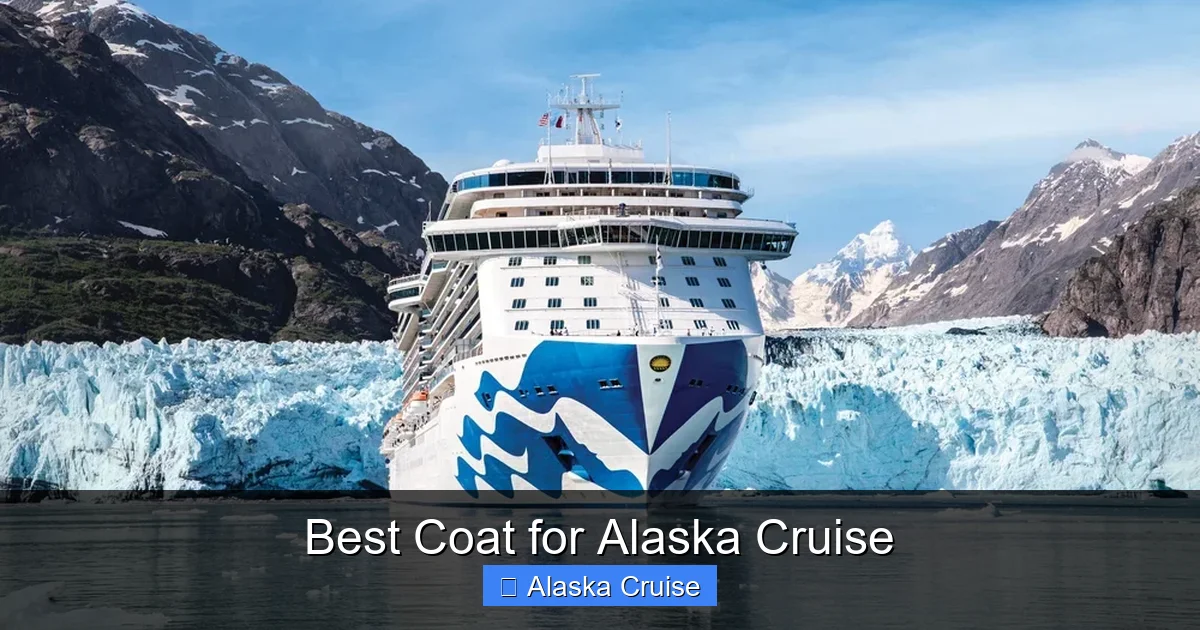
Visual guide about Best Coat for Alaska Cruise
Image source: images.squarespace-cdn.com
Before choosing a coat, it’s important to understand the climate you’ll face. Alaska’s cruise season runs from May to September, with peak months in June, July, and August. While these months are the warmest, “warm” is relative. Daytime highs typically range from 50°F to 65°F (10°C to 18°C), but wind chill can make it feel much colder—especially on the water.
Rain is frequent, particularly in southeastern Alaska, which is part of the temperate rainforest zone. Ketchikan, for example, averages over 160 inches of rain annually. Fog is also common, reducing visibility and adding a damp chill to the air. Even on sunny days, temperatures can drop quickly as clouds roll in or the ship moves into a shaded fjord.
Microclimates and Shore Excursions
Each port has its own microclimate. Skagway might be sunny and breezy, while nearby Haines is overcast and drizzly. Glacier Bay can be icy and windy even in July. Your coat needs to adapt to these rapid changes.
Shore excursions add another layer of complexity. You might start the day in a light jacket, then need full rain gear for a zodiac tour, followed by a warm layer for a rainforest hike. A versatile coat that works across these scenarios is essential.
Wind and Water: The Twin Challenges
Wind is one of the biggest factors in Alaska’s perceived temperature. A 50°F day can feel like 35°F with a 20 mph wind. Similarly, wet clothing loses insulation quickly. A coat that’s both windproof and waterproof ensures you stay dry and warm, even in a sudden downpour or gusty conditions.
Key Features to Look for in the Best Coat for Alaska Cruise
Not all coats are created equal. When shopping for the best coat for Alaska cruise travel, focus on these critical features:
Waterproof and Windproof Construction
Look for coats made with waterproof membranes like Gore-Tex, eVent, or proprietary technologies such as The North Face’s DryVent or Columbia’s Omni-Tech. These materials allow moisture to escape while blocking rain and wind.
Sealed or taped seams are equally important. Without them, water can seep through stitching, defeating the purpose of a waterproof shell. A DWR (durable water repellent) coating on the outer fabric helps water bead up and roll off, keeping the surface dry longer.
Insulation Type: Down vs. Synthetic
Insulation is what keeps you warm. The two main types are down and synthetic.
Down—made from duck or goose feathers—is incredibly warm for its weight and packs down small. It’s ideal for dry, cold conditions. However, down loses its insulating power when wet and takes a long time to dry.
Synthetic insulation, like PrimaLoft or Thermolite, mimics down’s warmth but performs better in damp conditions. It retains heat even when wet and dries quickly. For Alaska’s rainy climate, many travelers prefer synthetic or a hybrid blend.
Length and Coverage
A longer coat—hip-length or below—offers better protection against wind and cold. It covers more of your body, reducing heat loss. Parkas and expedition-style coats are excellent choices, especially if you plan to spend time on deck or in open areas.
However, if you prefer mobility, a well-insulated hip-length jacket with a good hood can also work, especially when layered properly.
Hood Design
A well-designed hood is non-negotiable. Look for an adjustable hood with a stiffened brim to shield your face from rain and wind. A helmet-compatible hood is a bonus if you’re planning adventurous excursions like glacier trekking.
Some coats feature a fur ruff (real or synthetic) around the hood opening. This helps deflect wind and snow from your face, though it’s more common in extreme cold than typical cruise conditions.
Pockets and Ventilation
Zippered hand pockets keep your hands warm and secure small items. Chest pockets are useful for storing a phone or camera. Some coats include internal pockets for valuables.
Underarm vents (pit zips) allow you to release heat during active excursions, preventing overheating and sweat buildup. This is especially helpful during hikes or long walks in milder weather.
Packability and Weight
Cruise cabins have limited storage, and you’ll want to bring other essentials. A packable coat that compresses into its own pocket or a small stuff sack is ideal. Lightweight options (under 2 lbs) are easier to carry during excursions and won’t weigh down your luggage.
Top Coat Styles for Alaska Cruises
With so many options on the market, it helps to know which styles are best suited for Alaska. Here are the top categories:
Insulated Parkas
Parkas are long, warm, and often feature a fur-trimmed hood. They’re perfect for cold days and extended time outdoors. Brands like Canada Goose, Arc’teryx, and Patagonia offer high-end parkas with excellent insulation and weather resistance.
While stylish and functional, parkas can be bulky and heavy. They’re best for travelers who prioritize warmth over packability.
Softshell Jackets
Softshells are stretchy, breathable, and water-resistant—but not fully waterproof. They’re great for mild, dry days or layering under a rain shell. However, they’re not ideal as your primary coat in Alaska’s wet conditions.
Hardshell Rain Jackets with Insulation
These are the most versatile option. A hardshell with a built-in insulated liner (like the Columbia Bugaboo or The North Face ThermoBall) offers waterproof protection and warmth in one package. Many are also packable and lightweight.
Alternatively, you can wear a separate insulating mid-layer (like a fleece or down vest) under a waterproof shell. This layering system gives you more flexibility to adjust to changing conditions.
Down Jackets (with a Rain Shell)
A high-fill-power down jacket (800+ fill) is incredibly warm and compressible. Pair it with a lightweight rain shell for wet days. This combo is popular among backpackers and cruise travelers alike.
Just remember: never wear down in the rain without a waterproof outer layer.
Expedition-Style Coats
Designed for extreme conditions, these coats offer maximum protection. They often feature multiple pockets, reinforced shoulders, and heavy-duty insulation. While overkill for some, they’re ideal if you’re visiting in early spring or late fall, or planning backcountry excursions.
Recommended Brands and Models
Here are some top-rated coats that consistently earn praise from Alaska cruise travelers:
Arc’teryx Beta AR Jacket
A premium hardshell with Gore-Tex Pro fabric, fully taped seams, and a helmet-compatible hood. It’s lightweight, durable, and highly breathable. Pair it with a down or synthetic mid-layer for warmth. Best for travelers who want top-tier performance and don’t mind the price.
The North Face McMurdo Parka III
A classic insulated parka with 550-fill down, a waterproof DryVent shell, and a removable faux-fur ruff. It’s warm, stylish, and built for harsh weather. Great for those who want an all-in-one solution.
Columbia Whirlibird IV Interchange Jacket
A 3-in-1 system with a waterproof outer shell and removable insulated liner. You can wear them together for maximum warmth or separately for milder days. Excellent value and versatility.
Patagonia Tres 3-in-1 Parka
Features a H2No Performance shell and a removable 600-fill down liner. Eco-friendly materials and ethical production make it a favorite among conscious travelers.
Marmot PreCip Eco Jacket
A lightweight, packable rain shell made from recycled materials. While not insulated, it’s an excellent outer layer when paired with a warm mid-layer. Budget-friendly and eco-conscious.
Helly Hansen Paramount Softshell Jacket
Water-resistant, windproof, and highly breathable. Ideal for active excursions in dry or mildly wet conditions. Not a replacement for a full rain shell, but a great secondary option.
Layering Strategies: Building Your Alaska Cruise Outfit
Your coat is just one part of a successful layering system. Think of it as the outer shield, while base and mid-layers handle moisture and insulation.
Base Layer: Moisture Management
Start with a moisture-wicking base layer made of merino wool or synthetic fabric. Avoid cotton—it retains moisture and can make you cold. A lightweight long-sleeve top and leggings work well under clothing.
Mid-Layer: Insulation
Add a fleece, down vest, or synthetic insulated jacket. This layer traps body heat and can be removed if you warm up. A zip-up fleece is easy to adjust and packs small.
Outer Layer: Weather Protection
This is your coat—waterproof, windproof, and breathable. It should fit over your other layers without being too tight.
Accessories Matter
Don’t forget gloves, a warm hat, and a neck gaiter or scarf. Waterproof gloves are ideal for deck time. A wide-brimmed hat or beanie helps retain heat.
Footwear and Bottoms
Wear waterproof hiking boots with good traction. Pair them with quick-dry hiking pants or insulated waterproof trousers. Avoid jeans—they’re heavy and slow to dry.
Packing Tips: Maximizing Space and Comfort
Cruise luggage space is limited, so smart packing is essential.
Roll, Don’t Fold
Roll your clothes to save space and reduce wrinkles. Use packing cubes to organize layers.
Wear Your Heaviest Items
Wear your coat, boots, and heaviest layers on travel days to free up suitcase space.
Pack a Daypack
Bring a lightweight, waterproof daypack for shore excursions. Use it to carry your coat, water, snacks, and camera when not wearing them.
Check Cruise Line Policies
Some cruise lines have restrictions on irons, hair dryers, or certain fabrics. Check guidelines before packing.
Test Your Layers Before You Go
Try on your full outfit at home to ensure everything fits comfortably and layers properly. Adjust as needed.
Common Mistakes to Avoid
Even experienced travelers make coat-related errors. Avoid these pitfalls:
Choosing Fashion Over Function
A stylish trench coat might look great in photos, but it won’t keep you warm in a glacier wind. Prioritize performance.
Overpacking Heavy Coats
Bringing multiple bulky coats takes up valuable space. One high-quality, versatile coat is better than three mediocre ones.
Ignoring the Hood
A poorly designed hood can let in rain and wind. Always test the fit and adjustability before buying.
Forgetting About Packability
A coat that can’t be compressed is a hassle on excursions. Choose one that stows easily.
Not Testing in Wet Conditions
If possible, test your coat in the rain or spray it with water to check for leaks.
Final Thoughts: Invest in Comfort and Confidence
Your Alaska cruise is a once-in-a-lifetime experience. Don’t let the wrong coat ruin it. The best coat for Alaska cruise travel is one that keeps you warm, dry, and comfortable—no matter what the weather throws at you.
Invest in quality. Choose a coat with proven weather protection, smart design, and the right insulation for your needs. Pair it with a solid layering system, and you’ll be ready for anything from whale watching to rainforest hikes.
Remember, it’s not just about surviving the cold—it’s about enjoying every moment. With the right coat, you can focus on the beauty around you, not the chill in the air.
So go ahead—pack that perfect coat, step onto the deck, and breathe in the wild, untamed air of Alaska. You’re ready.
Frequently Asked Questions
What temperature should my Alaska cruise coat be rated for?
Look for a coat rated for temperatures between 20°F and 50°F (-6°C to 10°C). Alaska’s coastal weather rarely drops below freezing in summer, but wind and rain can make it feel much colder.
Can I wear a down jacket on an Alaska cruise?
Yes, but only with a waterproof shell. Down loses insulation when wet, so always pair it with a rain jacket during wet or damp conditions.
Do I need a parka for an Alaska cruise?
A parka is ideal if you want maximum warmth and coverage, especially for glacier visits or early/late season cruises. For most summer travelers, a high-quality insulated rain jacket is sufficient.
Are softshell jackets good for Alaska?
Softshells are breathable and wind-resistant but not fully waterproof. They’re best used as mid-layers or for dry, mild days—not as your primary coat in rainy conditions.
How do I pack my coat for a cruise?
Choose a packable coat that compresses into a small size. Wear it on travel days to save space, and use a daypack to carry it during excursions.
What’s the best color for an Alaska cruise coat?
Neutral colors like black, navy, or gray are versatile and hide dirt. Bright colors like red or yellow can be helpful for visibility during outdoor activities.