
Alaska in August offers mild but unpredictable weather, so dressing in layers is key. Pack moisture-wicking base layers, a waterproof jacket, warm mid-layers, and comfortable footwear to stay comfortable on deck, during excursions, and in port.
Planning an Alaska cruise in August is exciting—crisp mountain air, breathtaking glaciers, and wildlife sightings await. But if you’ve never traveled to the Last Frontier in late summer, you might be surprised by the weather. August is one of the warmer months in Alaska, with average temperatures ranging from 50°F to 65°F (10°C to 18°C). However, “warm” is relative. Mornings can be chilly, afternoons sunny, and evenings brisk—sometimes all in the same day. Add in frequent rain, strong winds off the water, and the occasional fog, and you’ve got a climate that demands smart packing.
The key to staying comfortable? Layering. Unlike tropical cruises where you can get away with shorts and tank tops, an Alaska cruise requires thoughtful preparation. You’ll want clothing that adapts to changing conditions, keeps you dry, and protects you from wind and cold. Whether you’re watching whales breach near Juneau, hiking through Tongass National Forest, or sipping coffee on the ship’s deck as a glacier calves into the sea, your wardrobe should support adventure—not hinder it.
This guide will walk you through the best clothing for an Alaska cruise in August, covering everything from base layers to footwear, accessories, and even what to wear onboard. We’ll help you pack light, stay warm, and look great while doing it.
Key Takeaways
- Layering is essential: Temperatures can shift quickly, so wear breathable base layers, insulating mid-layers, and a waterproof outer shell.
- Waterproof gear is a must: Rain is common, so bring a quality rain jacket and waterproof pants or poncho.
- Footwear matters: Choose non-slip, waterproof shoes for deck walks and hiking boots for shore excursions.
- Don’t forget accessories: Pack gloves, a warm hat, scarf, and sunglasses for sun glare off water and snow.
- Pack for indoor comfort: Cruise ships are climate-controlled, so bring light clothing for dining and lounging.
- Sun protection is important: Even in cooler temps, UV rays reflect off water and ice—bring sunscreen and lip balm.
- Versatility wins: Choose mix-and-match pieces in neutral colors to maximize outfit options with fewer items.
📑 Table of Contents
Understanding Alaska’s August Weather
Before we dive into clothing recommendations, it’s important to understand what you’re up against. August is peak cruise season in Alaska, and for good reason—it’s the warmest and driest month of the year. But “dry” doesn’t mean “sunny.” Overcast skies and light rain are still common, especially in coastal areas like Ketchikan and Sitka.
Temperatures vary by location and time of day. In cities like Anchorage and Juneau, daytime highs often reach the mid-60s°F (around 18°C), while nighttime lows can dip into the 40s°F (4–9°C). In more remote areas like Glacier Bay or Icy Strait Point, it can feel even cooler due to wind chill and proximity to water.
One of the biggest weather surprises for first-time visitors is the wind. Even on a sunny day, a breeze off the ocean or a glacier can make it feel 10–15 degrees colder. And because you’ll be on a ship—often moving at 20+ knots—wind exposure is constant when you’re on deck.
Rainfall in August averages 4–6 inches across the region, with the southeast (like Ketchikan) being the wettest. That means you’ll likely experience rain during your trip, even if it’s just a passing shower. Fog is also common, especially in the mornings, reducing visibility and adding a damp chill to the air.
Given these conditions, your clothing needs to do three things: keep you warm, keep you dry, and allow for easy adjustment as the weather changes. That’s where layering comes in.
Why Layering Works Best
Layering is the golden rule of Alaska cruise dressing. Instead of relying on one heavy coat, you build warmth with multiple lightweight pieces. This system lets you add or remove layers as needed—like taking off a fleece when the sun comes out or zipping up your shell when the rain starts.
A typical layering system includes:
– A **base layer** (moisture-wicking fabric like merino wool or synthetic)
– A **mid-layer** (insulating, like fleece or down)
– An **outer layer** (windproof and waterproof shell)
This approach keeps you comfortable whether you’re exploring a rainforest trail or enjoying a sunset cruise. Plus, it saves space in your luggage—lightweight layers take up less room than bulky coats.
Essential Clothing Items for Your Alaska Cruise
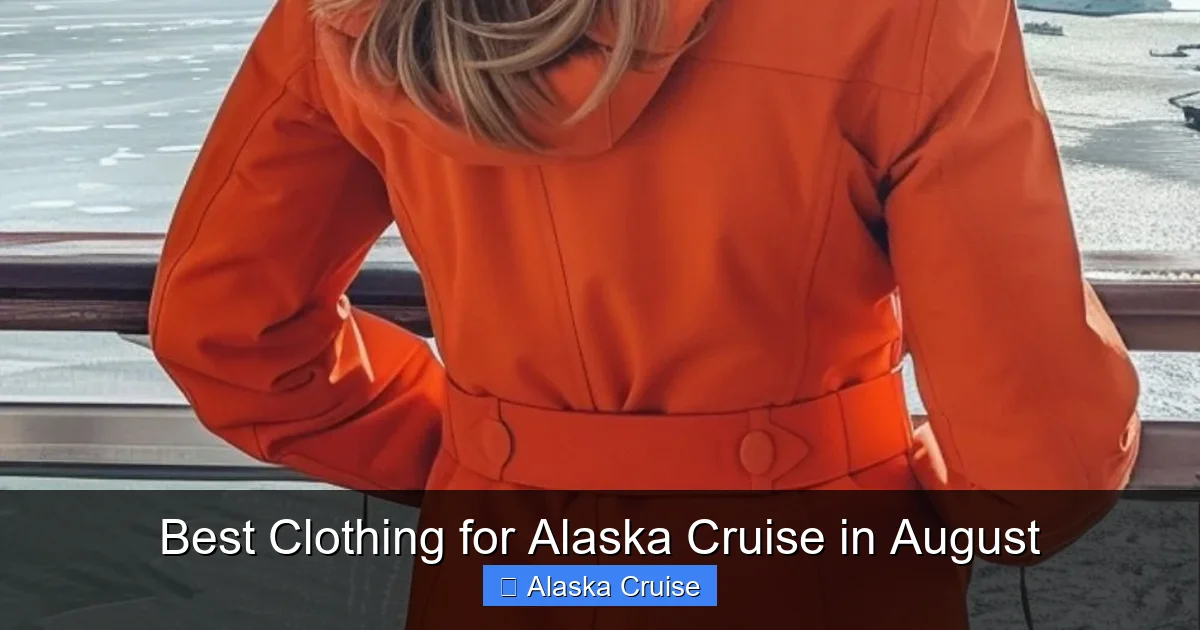
Visual guide about Best Clothing for Alaska Cruise in August
Image source: i.pinimg.com
Now that you know why layering matters, let’s break down the must-have clothing items for your August Alaska cruise.
Base Layers: The Foundation of Comfort
Your base layer is the first line of defense against sweat and cold. It should fit snugly but not tightly, and wick moisture away from your skin to keep you dry. Avoid cotton—it holds moisture and can make you feel clammy and cold.
Instead, opt for:
– **Merino wool**: Naturally odor-resistant, breathable, and warm even when wet. Great for multi-day wear.
– **Synthetic fabrics** (like polyester or nylon): Quick-drying and affordable. Look for brands like Patagonia Capilene or Smartwool.
Pack at least two sets of base layers (tops and bottoms). You can wear one while the other dries. For women, thermal leggings or long underwear work well under pants. Men might prefer thermal tops and briefs.
Mid-Layers: Staying Warm Without Bulk
Mid-layers provide insulation and trap body heat. In August, you won’t need heavy parkas, but a good fleece or lightweight down jacket is essential.
Top choices include:
– **Fleece jackets or pullovers**: Lightweight, warm, and easy to pack. A full-zip fleece is ideal for quick adjustments.
– **Down or synthetic insulated vests**: Great for layering under a shell. Down is warmer but loses insulation when wet; synthetic stays warm even when damp.
– **Lightweight sweaters**: Cashmere or merino wool sweaters add warmth and style for dinner onboard.
Aim for one or two mid-layers. A fleece and a down vest, for example, give you flexibility without overpacking.
Outer Layers: Waterproof and Windproof Protection
Your outer layer is your shield against rain, wind, and spray. A high-quality rain jacket is non-negotiable. Look for features like:
– Fully taped seams
– Adjustable hood and cuffs
– Breathable fabric (like Gore-Tex or similar)
– Zippered pockets
Brands like The North Face, Columbia, and Arc’teryx offer excellent options. A lightweight, packable rain jacket that folds into its own pocket is ideal for travel.
For extra protection, consider waterproof pants—especially if you plan to hike or kayak. Many travelers skip them, but they’re a game-changer in steady rain. Packable rain pants from brands like Marmot or Frogg Toggs are affordable and effective.
Don’t forget a **windbreaker** or softshell jacket for drier, windy days. These are less bulky than rain shells and great for layering.
Bottoms: Pants That Perform
You’ll want versatile pants that work for walking, hiking, and dining. Avoid jeans—they take forever to dry and can be uncomfortable when wet.
Better options:
– **Hiking pants**: Lightweight, quick-drying, and often have zip-off legs for warmer days. Look for ones with UPF protection.
– **Softshell pants**: Water-resistant and stretchy, great for active excursions.
– **Thermal leggings**: Wear under pants for extra warmth on cold mornings.
– **Casual pants or joggers**: For relaxing onboard or casual dinners.
Pack 2–3 pairs of pants. One pair of hiking pants, one pair of casual pants, and thermal leggings cover most needs.
Footwear: Grip, Warmth, and Dry Feet
Your feet will thank you for choosing the right shoes. Wet, cold feet can ruin an otherwise perfect day.
Essential footwear includes:
– **Waterproof hiking boots**: Non-slip soles are crucial on wet decks and trails. Look for ankle support and good tread.
– **Waterproof walking shoes or trail runners**: Lighter than boots, great for city walks and light hikes.
– **Comfortable boat shoes or slip-ons**: For indoor use and casual evenings.
– **Wool or synthetic socks**: Bring 4–5 pairs. Avoid cotton socks—they retain moisture.
Pro tip: Break in your hiking boots before the trip. Blisters on a glacier tour are no fun.
Accessories That Make a Big Difference
Clothing is only part of the equation. The right accessories can make your Alaska cruise more comfortable and enjoyable.
Headwear: Hats, Gloves, and More
Even in August, it can get chilly—especially on early morning wildlife tours or evening deck strolls.
– **Warm hat**: A fleece or wool beanie is essential. Look for one that covers your ears.
– **Gloves**: Lightweight fleece or touchscreen-compatible gloves work well. Waterproof gloves are better for rainy days.
– **Buff or neck gaiter**: Doubles as a scarf, face mask, or headband. Great for wind protection.
– **Sun hat or cap**: For sunny days, especially if you’re prone to sunburn.
Eye and Skin Protection
Alaska’s high latitude and reflective surfaces (water, snow, ice) mean strong UV exposure—even on cloudy days.
– **Sunglasses with UV protection**: Polarized lenses reduce glare off the water.
– **Sunscreen (SPF 30+)**: Apply daily, especially on your face, neck, and hands.
– **Lip balm with SPF**: Cold, windy air can chap lips quickly.
Other Useful Accessories
– **Daypack or waterproof backpack**: For carrying layers, water, snacks, and cameras during excursions.
– **Reusable water bottle**: Stay hydrated without buying plastic.
– **Hand warmers**: Small packets that generate heat—great for cold mornings.
– **Travel umbrella**: Compact and useful for sudden showers in port.
What to Wear Onboard the Cruise Ship
While most of your time will be spent exploring Alaska’s wild beauty, you’ll also enjoy life onboard. Cruise ships are climate-controlled, so indoor temperatures are comfortable year-round—usually around 70–75°F (21–24°C).
Casual Daywear
For lounging by the pool, attending lectures, or casual dining:
– T-shirts or polo shirts
– Light sweaters or cardigans
– Jeans or casual pants
– Sandals or boat shoes
Even if it’s cool outside, indoor areas can feel warm—especially after a day in the sun.
Evening Attire
Most Alaska cruises have a relaxed dress code, but some dinners may call for “smart casual” or “formal” nights.
– **Smart casual**: Collared shirts, blouses, dress pants, or skirts. Avoid shorts and flip-flops.
– **Formal night**: A dress, slacks and a button-down, or a suit jacket. Not required, but some passengers enjoy dressing up.
Check your cruise line’s dress policy before packing. Lines like Holland America or Princess often have one formal night per cruise.
Swimwear and Pool Gear
Many ships have indoor pools, hot tubs, and saunas—perfect for relaxing after a long day.
– Swimsuit
– Cover-up or robe
– Flip-flops for the pool deck
– Quick-dry towel (some ships provide towels, but it’s good to have your own)
Packing Tips to Save Space and Stay Organized
Packing for an Alaska cruise doesn’t have to mean overstuffing your suitcase. With smart strategies, you can bring everything you need without checking a bag.
Roll, Don’t Fold
Rolling clothes saves space and reduces wrinkles. Use packing cubes to organize by category—base layers in one, mid-layers in another, etc.
Wear Your Bulkiest Items
Wear your hiking boots, fleece, and rain jacket on travel days. This frees up suitcase space and ensures you have key items if your luggage is delayed.
Choose a Neutral Color Palette
Stick to blacks, grays, navy, and earth tones. These colors mix and match easily, letting you create multiple outfits from fewer pieces.
Limit Shoes
You really only need 3 pairs: hiking boots, walking shoes, and casual slip-ons. Wear the boots, pack the other two.
Use Vacuum Bags (Optional)
If you’re tight on space, vacuum-sealed bags can compress jackets and sweaters. Just remember to re-inflate them once you arrive.
What Not to Pack
Avoid these common packing mistakes:
– **Heavy winter coats**: Overkill for August. A good shell and mid-layer are enough.
– **Cotton clothing**: It holds moisture and takes forever to dry.
– **High heels**: Impractical for uneven terrain and slippery decks.
– **Too many outfits**: You’ll re-wear layers. Pack for 7–10 days, not 14.
– **Excessive toiletries**: Most ships provide basics. Bring only what you need.
Final Thoughts: Be Prepared, Not Overpacked
An Alaska cruise in August is a once-in-a-lifetime experience. The scenery is stunning, the wildlife unforgettable, and the sense of adventure unmatched. But to truly enjoy it, you need to be comfortable—and that starts with the right clothing.
Remember: layering is your best friend. Pack smart, prioritize waterproof and breathable fabrics, and don’t forget the little things like gloves and sunscreen. With the right gear, you’ll stay warm, dry, and ready for anything—from a rainy hike in Misty Fjords to a sunny whale-watching tour in Sitka.
So go ahead, book that cruise. Pack your bags with confidence. And get ready to fall in love with Alaska—one perfectly layered outfit at a time.
Frequently Asked Questions
What should I wear on an Alaska cruise in August?
Pack in layers: a moisture-wicking base layer, insulating mid-layer like fleece, and a waterproof outer shell. Add comfortable, waterproof footwear and accessories like gloves and a hat.
Is it cold in Alaska in August?
Temperatures range from 50°F to 65°F (10°C to 18°C), but wind and rain can make it feel cooler. Mornings and evenings are chilly, so layering is essential.
Do I need a heavy coat for an Alaska cruise?
No—August is mild. A good rain jacket, fleece, and thermal layers are usually enough. Save heavy coats for winter travel.
Can I wear jeans on an Alaska cruise?
Avoid jeans—they take too long to dry if they get wet. Choose quick-drying hiking pants or softshell trousers instead.
What shoes should I bring for Alaska excursions?
Waterproof hiking boots with good grip are best for trails and wet decks. Also pack walking shoes and casual slip-ons for onboard use.
Do I need to pack formal clothes for dinner?
Most Alaska cruises are casual, but some have one formal night. Check your cruise line’s dress code and pack a smart outfit just in case.