Choosing the best clothes to wear on an Alaskan cruise means prioritizing layers, waterproofing, and versatility. From misty mornings to sunny glacier views, your wardrobe must adapt to rapidly changing conditions while keeping you comfortable and stylish.
Key Takeaways
- Layering is essential: Alaska’s weather shifts quickly, so dressing in layers allows you to adjust to temperature changes throughout the day.
- Waterproof outerwear is a must: Rain, sea spray, and glacier mist are common—invest in a high-quality waterproof and windproof jacket.
- Pack moisture-wicking base layers: Synthetic or merino wool fabrics keep you dry and warm, even when damp.
- Comfortable, non-slip footwear matters: Deck surfaces can be slippery; choose sturdy, grippy shoes with good ankle support.
- Don’t forget accessories: A warm hat, gloves, and a buff or neck gaiter protect against wind and cold, especially on deck or during excursions.
- Bring versatile, mix-and-match pieces: Neutral colors and functional styles let you create multiple outfits with fewer items.
- Formal nights still happen: Most cruise lines have elegant evenings—pack at least one smart-casual or formal outfit.
📑 Table of Contents
- Why Packing Smart for an Alaskan Cruise Makes All the Difference
- Understanding Alaska’s Unique Climate and Weather Patterns
- Layering: The Foundation of Alaskan Cruise Fashion
- Footwear: Grip, Comfort, and Water Resistance
- Accessories: Small Items with Big Impact
- Dressing for Formal Nights and Onboard Activities
- Packing Tips and What to Leave Behind
- Conclusion: Dress for Adventure, Comfort, and Style
Why Packing Smart for an Alaskan Cruise Makes All the Difference
An Alaskan cruise is one of the most breathtaking travel experiences you can have. Imagine cruising past towering glaciers, watching humpback whales breach in icy waters, and spotting bald eagles soaring above misty fjords. But behind the postcard-perfect scenery lies a climate that’s as unpredictable as it is beautiful. One moment you’re basking in 60°F sunshine, the next you’re wrapped in a chilly fog with a light drizzle. That’s why knowing the best clothes to wear on an Alaskan cruise isn’t just helpful—it’s essential.
Unlike tropical getaways where flip-flops and sundresses rule, Alaska demands a more thoughtful approach to packing. The weather can shift dramatically between ports, and even within a single day. You might start your morning in Ketchikan with light rain, enjoy a sunny hike in Juneau by afternoon, and end the evening in Skagway with a crisp breeze. Without the right gear, you could end up shivering on deck or overheating during a shore excursion. But with a smart, layered wardrobe, you’ll stay comfortable, confident, and ready for anything.
This guide will walk you through exactly what to pack, from base layers to outer shells, footwear to formal wear. We’ll cover the must-have items, explain why they work, and share real-world tips from seasoned cruisers. Whether you’re a first-time traveler or a seasoned adventurer, dressing for an Alaskan cruise doesn’t have to be stressful. With the right preparation, you can focus on what really matters—soaking in the wild beauty of the Last Frontier.
Understanding Alaska’s Unique Climate and Weather Patterns
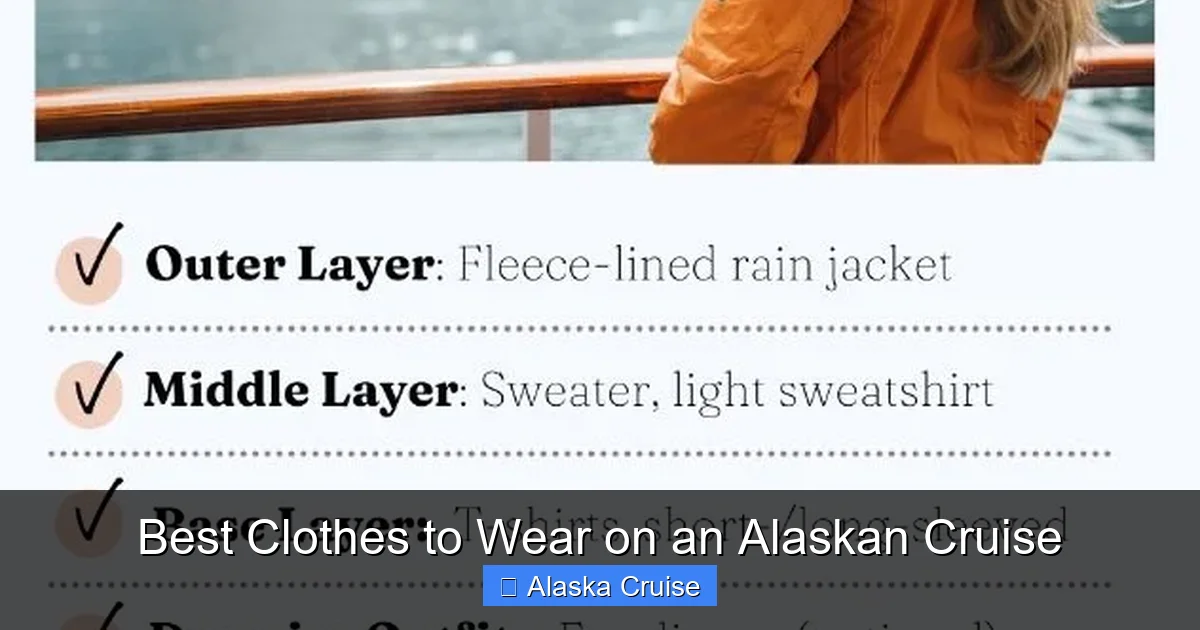
Visual guide about Best Clothes to Wear on an Alaskan Cruise
Image source: i.pinimg.com
Before you start packing, it’s important to understand what makes Alaska’s weather so unique. Unlike many destinations where the forecast is fairly consistent, Alaska’s coastal regions—where most cruises travel—are influenced by the Pacific Ocean, mountain ranges, and shifting air masses. This creates a microclimate that can change in minutes.
Temperatures during the cruise season (typically May through September) usually range from 45°F to 65°F (7°C to 18°C). But don’t let those numbers fool you. Wind chill, humidity, and sudden rain can make it feel much colder. In fact, it’s not uncommon to experience all four seasons in a single day. One moment you’re admiring a glacier under clear skies, and the next, a thick fog rolls in, dropping the temperature and reducing visibility.
Rain is a frequent guest on Alaskan cruises. The Inside Passage, where most ships sail, is a temperate rainforest. That means light rain, drizzle, or mist can occur at any time—even on sunny days. Sea spray from waves and boat wakes can also soak you if you’re standing on an open deck. And let’s not forget the glaciers. When you’re cruising near massive ice formations, the air temperature can drop significantly due to the cold air radiating from the ice.
Wind is another factor. Open decks, especially on higher levels of the ship, can be quite breezy. And during shore excursions—like kayaking, hiking, or whale watching—wind exposure increases. Without proper protection, you’ll feel the chill quickly.
Because of these conditions, the best clothes to wear on an Alaskan cruise are those that can adapt. You need gear that keeps you dry, traps heat when needed, and breathes when it warms up. That’s where layering comes in—and why it’s the golden rule of Alaskan cruising.
Seasonal Variations to Consider
While the cruise season runs from May to September, each month brings different weather patterns. Early-season cruises (May and early June) tend to be cooler and wetter, with more frequent rain and lingering snow in some areas. Late-season trips (August and September) can be milder but also windier, with earlier sunsets and cooler evenings.
For example, a May cruise might start with temperatures in the 40s°F (4–9°C), while a July trip could see highs in the mid-60s°F (18°C). But even in peak summer, nights can dip into the 50s°F (10–13°C), especially on deck or during early-morning excursions.
Knowing your cruise dates can help you fine-tune your packing list. If you’re traveling in May, prioritize warmer layers and extra rain gear. If you’re going in August, you might get away with slightly lighter clothing—but never skip the waterproof jacket.
Microclimates Along the Route
Another thing to keep in mind is that each port has its own microclimate. Ketchikan, known as the “Rain Capital of Alaska,” sees more precipitation than other stops. Juneau, nestled between mountains and water, can be foggy and cool. Skagway, farther north, often has clearer skies but stronger winds. And Glacier Bay National Park? Expect cold air radiating from the ice, even on sunny days.
This means your clothing needs to be flexible. You might wear a light sweater in one port and a heavy jacket in the next. That’s why the best clothes to wear on an Alaskan cruise are those you can easily add or remove as you move from one environment to another.
Layering: The Foundation of Alaskan Cruise Fashion
If there’s one rule to follow when packing for an Alaskan cruise, it’s this: layer, layer, layer. Layering is the most effective way to manage Alaska’s unpredictable weather. It allows you to add or remove clothing as conditions change, keeping you comfortable whether you’re sipping coffee on the sundeck or hiking through a rainforest.
Think of your outfit as a three-part system: base layer, mid layer, and outer layer. Each serves a specific purpose, and together, they create a versatile, weather-resistant wardrobe.
Base Layers: Stay Dry and Warm
Your base layer is the first line of defense against the elements. It sits directly against your skin and its job is to wick moisture away—so you don’t stay damp from sweat or light rain. Cotton is a no-go here. It absorbs moisture and takes forever to dry, leaving you cold and uncomfortable.
Instead, opt for synthetic fabrics like polyester or natural options like merino wool. Merino wool is especially popular among travelers because it’s soft, odor-resistant, and naturally regulates temperature. It keeps you warm when it’s cold and cool when it’s warm—perfect for Alaska’s shifting climate.
For base layers, pack:
– 2–3 long-sleeve tops (merino wool or synthetic)
– 1–2 pairs of leggings or thermal pants
– Lightweight thermal underwear (top and bottom)
These can be worn under your regular clothes or on their own during milder days. They’re also great for layering under dresses or skirts if you’re dressing up for dinner.
Mid Layers: Trap Heat and Add Warmth
The mid layer is where you generate and retain heat. This is typically a fleece, sweater, or lightweight insulated jacket. Fleece is a favorite among cruisers because it’s warm, lightweight, and dries quickly. A zip-up fleece jacket is ideal—you can easily take it off if you start to overheat.
Other great mid-layer options include:
– Merino wool sweaters
– Lightweight down or synthetic insulated vests
– Softshell jackets (which offer some wind resistance)
Avoid bulky sweaters that are hard to pack or take up too much space. Instead, choose packable, compressible pieces that can be stuffed into a daypack when not in use.
Pro tip: Bring at least two mid layers. One can be worn while the other is being washed or dried—especially useful on longer cruises.
Outer Layers: Protection from Wind and Rain
Your outer layer is your shield against wind, rain, and spray. This is where a high-quality waterproof and windproof jacket comes in. Look for a jacket with sealed seams, a hood, and adjustable cuffs. A longer cut (like a parka or trench-style) offers more coverage, especially if you plan to spend a lot of time on deck.
Materials matter. Gore-Tex and similar waterproof-breathable fabrics are excellent choices. They keep rain out while allowing sweat to escape, so you don’t get clammy underneath.
Don’t forget pants. Waterproof hiking pants or rain pants are a smart addition. They’re lightweight, pack small, and can be pulled on over your regular pants when the weather turns. Many cruisers wear them during shore excursions or while watching wildlife from the deck.
For outer layers, consider packing:
– 1 high-quality waterproof jacket (with hood)
– 1 pair of waterproof pants
– 1 lightweight windbreaker (as a backup or for milder days)
Footwear: Grip, Comfort, and Water Resistance
Your feet are your foundation—especially on a cruise where you’ll be walking on slippery decks, uneven terrain, and wet docks. The best clothes to wear on an Alaskan cruise include footwear that’s comfortable, supportive, and weather-appropriate.
Sturdy, Non-Slip Shoes for the Ship
Deck surfaces can be wet, icy, or covered in condensation—especially in the early morning or after rain. Slippery soles are a recipe for a fall. Choose shoes with rubber, grippy outsoles. Avoid smooth leather or plastic soles.
Comfort is key too. You’ll be walking miles each day—around the ship, through ports, and on excursions. Look for shoes with good arch support and cushioning. Many cruisers swear by brands like Merrell, Keen, or Salomon for their durability and comfort.
For ship wear, consider:
– Water-resistant walking shoes or trail runners
– Comfortable sneakers with good grip
– Closed-toe shoes (open sandals are not recommended on deck)
Waterproof Boots for Shore Excursions
When you’re on land, conditions can be even more challenging. Trails may be muddy, docks wet, and boardwalks slick. Waterproof hiking boots are ideal for excursions like glacier walks, rainforest hikes, or whale-watching tours.
Look for boots with:
– Waterproof membranes (like Gore-Tex)
– Aggressive tread for traction
– Ankle support for uneven terrain
If you don’t want to pack heavy boots, waterproof trail shoes or hiking sandals with straps can work for milder excursions. Just make sure they’re secure and protect your feet from rocks and roots.
Indoor and Casual Options
You’ll also want a pair of comfortable shoes for indoor use—like the ship’s lounges, dining rooms, or your cabin. Slip-on shoes or lightweight loafers are convenient and easy to pack. Avoid high heels unless you’re dressing up for formal night—they’re impractical on a moving ship.
And don’t forget socks! Pack moisture-wicking, cushioned socks—preferably wool or synthetic blends. Bring at least one pair per day, plus extras for layering in cold conditions. Wool socks are great because they stay warm even when damp.
Accessories: Small Items with Big Impact
When it comes to the best clothes to wear on an Alaskan cruise, accessories are often overlooked—but they can make or break your comfort. A few well-chosen items can protect you from wind, cold, and sun, and enhance your overall experience.
Hats and Headwear
A warm hat is a must. Even in summer, temperatures on deck or near glaciers can drop quickly. A beanie made of wool or fleece will keep your head and ears warm. Choose one that fits snugly but doesn’t squeeze.
For sunny days, a wide-brimmed hat or baseball cap with UV protection is useful—especially if you’re prone to sunburn. The Alaskan sun can be surprisingly strong, particularly when reflecting off water or snow.
Gloves and Hand Warmers
Your hands lose heat fast, especially when holding cold railings or cameras. Pack a pair of lightweight gloves or mittens. Waterproof options are best, but even fleece-lined gloves can help.
For extra warmth, consider disposable hand warmers. They’re small, inexpensive, and can be tucked into pockets or gloves during colder excursions. Many cruisers use them during glacier viewing or early-morning wildlife watches.
Neck Gaiters and Buffs
A neck gaiter or Buff is one of the most versatile accessories you can bring. It can be worn as a scarf, headband, face mask, or even a makeshift hat. In windy conditions, it protects your neck and lower face from cold air. In milder weather, it adds a pop of color to your outfit.
Choose one made of merino wool or a synthetic blend for warmth and breathability.
Sunglasses and Eye Protection
Don’t underestimate the power of the Alaskan sun—especially when it reflects off water, ice, or snow. Polarized sunglasses reduce glare and protect your eyes. Look for UV400 protection to block harmful rays.
If you wear prescription glasses, consider getting prescription sunglasses or using clip-ons. Some cruisers also bring safety glasses for activities like ziplining or kayaking.
Daypack or Dry Bag
You’ll want a small backpack or dry bag to carry your layers, water bottle, camera, and snacks during excursions. Look for one that’s lightweight, water-resistant, and has comfortable straps.
A dry bag is especially useful if you’re kayaking or taking a boat tour—it keeps your belongings safe from spray and rain.
Dressing for Formal Nights and Onboard Activities
Even on an adventure-focused cruise, most ships have formal or elegant nights. These are great opportunities to dress up and enjoy a special dinner or show. But you don’t need to pack a full tuxedo or ball gown—smart-casual or cocktail attire usually suffices.
What Counts as “Formal” on a Cruise?
Cruise lines vary, but most consider “formal” to mean:
– Men: Dress pants, a collared shirt, and a blazer or sport coat. Ties are optional but encouraged.
– Women: A cocktail dress, elegant skirt and top, or dressy pantsuit. Heels or dressy flats are fine.
Avoid jeans, shorts, sneakers, or t-shirts on formal nights—most dining rooms enforce a dress code.
Packing Smart for Elegant Evenings
You don’t need a separate outfit for every formal night. One or two versatile pieces can be mixed and matched. For example:
– A black dress can be dressed up with jewelry and heels or dressed down with a cardigan.
– A blazer can be worn with different shirts and pants.
Choose wrinkle-resistant fabrics that travel well. Pack a small steamer or wrinkle-release spray to freshen up clothes in your cabin.
Other Onboard Activities
Beyond dining, you’ll have access to pools, hot tubs, fitness centers, and entertainment venues. Pack:
– Swimwear (2 sets recommended)
– Cover-ups or rash guards (for sun protection)
– Workout clothes (moisture-wicking fabrics)
– Casual clothes for lounging or casual dinners
Remember, ship amenities are often air-conditioned, so a light sweater or cardigan is useful indoors—even on warm days.
Packing Tips and What to Leave Behind
Now that you know what to bring, let’s talk about how to pack—and what to avoid.
Roll, Don’t Fold
Rolling clothes instead of folding saves space and reduces wrinkles. Use packing cubes to organize by category (e.g., base layers, mid layers, accessories). This makes it easy to find what you need without unpacking everything.
Pack for 7–10 Days, Not the Full Cruise
Most cruise lines offer laundry services, or you can hand-wash items in your cabin sink. Pack enough for a week, then refresh as needed. This reduces luggage weight and frees up space for souvenirs.
Leave These at Home
– Cotton jeans (they take too long to dry)
– High heels (impractical on a ship)
– Bulky sweaters (they don’t compress well)
– Too many shoes (limit to 3–4 pairs max)
– Excessive jewelry or valuables
Don’t Forget the Essentials
– Travel documents (passport, boarding pass, ID)
– Medications (in original containers)
– Power adapter and portable charger
– Camera or smartphone with extra storage
– Reusable water bottle
Conclusion: Dress for Adventure, Comfort, and Style
An Alaskan cruise is a once-in-a-lifetime experience, and the right clothing ensures you enjoy every moment—without shivering, slipping, or overheating. The best clothes to wear on an Alaskan cruise are those that are layered, waterproof, and versatile. They adapt to changing weather, support your adventures, and still let you look and feel great.
By focusing on moisture-wicking base layers, insulating mid layers, and a reliable waterproof outer shell, you’ll be prepared for anything Alaska throws your way. Add in smart footwear, practical accessories, and a touch of elegance for formal nights, and you’ve got a wardrobe that’s as functional as it is stylish.
Remember, packing for Alaska isn’t about bringing everything—it’s about bringing the right things. With a little planning, you can travel light, stay comfortable, and focus on what really matters: the awe-inspiring beauty of glaciers, wildlife, and wild coastlines. So pack smart, layer up, and get ready for the adventure of a lifetime.
Frequently Asked Questions
What should I wear on an Alaskan cruise in July?
In July, temperatures typically range from 50°F to 65°F (10°C to 18°C), but weather can still be unpredictable. Pack layers, including a waterproof jacket, fleece, and moisture-wicking base layers. Don’t forget a warm hat and gloves for cooler mornings or glacier viewing.
Do I need formal clothes on an Alaskan cruise?
Yes, most cruise lines have formal or elegant nights. Men should bring a blazer and dress pants; women can pack a cocktail dress or dressy outfit. Smart-casual attire is usually acceptable, but avoid jeans and sneakers in main dining areas.
Can I wear jeans on an Alaskan cruise?
Jeans are fine for casual days, but avoid cotton denim—it absorbs moisture and dries slowly. Opt for quick-dry hiking pants or water-resistant alternatives, especially for shore excursions or rainy days.
What kind of shoes are best for an Alaskan cruise?
Choose waterproof, non-slip shoes with good grip. Trail runners, hiking boots, or water-resistant walking shoes work well. Bring one pair for the ship, one for excursions, and a casual pair for indoor use.
Is it cold on an Alaskan cruise?
It can be, especially near glaciers or on windy decks. While summer temperatures are mild, wind chill and rain make it feel colder. Layering is key—bring warm base layers and a waterproof outer shell.
Should I bring a raincoat on an Alaskan cruise?
Absolutely. Rain and sea spray are common, even on sunny days. A high-quality waterproof jacket with a hood is one of the most important items to pack. Pair it with waterproof pants for full protection.