May and June in Alaska bring mild but unpredictable weather, making smart layering essential for your cruise. Pack versatile, moisture-wicking clothing, waterproof outerwear, and comfortable footwear to enjoy wildlife, glaciers, and scenic shore excursions in comfort.
Key Takeaways
- Layering is key: Alaska’s weather can shift quickly, so pack base, mid, and outer layers for maximum adaptability.
- Waterproof outerwear is a must: Rain and sea spray are common, so bring a high-quality rain jacket and pants.
- Choose quick-dry, moisture-wicking fabrics: Avoid cotton; opt for synthetic or merino wool to stay dry and warm.
- Footwear matters: Waterproof, grippy shoes are essential for slippery decks and wet shore excursions.
- Don’t forget accessories: Gloves, hats, and sunglasses protect against wind, cold, and glare off snow and water.
- Pack for both onboard and onshore: Bring casual cruise wear and adventure-ready gear for excursions.
- Check your cruise line’s dress code: Some ships have formal nights requiring dressier attire.
📑 Table of Contents
- Introduction: Why Packing Right for an Alaska Cruise Matters
- Understanding Alaska’s May and June Weather
- Layering: The Golden Rule for Alaska Cruise Clothing
- Essential Clothing Items to Pack
- Dressing for Onboard vs. Onshore Activities
- Packing Tips and Travel Hacks
- Conclusion: Be Prepared, Stay Comfortable, Enjoy the Journey
Introduction: Why Packing Right for an Alaska Cruise Matters
So, you’ve booked your dream Alaska cruise for May or June—congratulations! You’re about to witness towering glaciers, breaching whales, and lush coastal rainforests. But before you set sail, there’s one crucial step: packing the right clothes. Unlike tropical cruises where flip-flops and sundresses rule, an Alaska cruise demands thoughtful preparation. The weather in May and June can be surprisingly cool, damp, and unpredictable, even as summer begins to bloom.
Alaska’s coastal regions, where most cruises travel, experience average temperatures ranging from 45°F to 60°F (7°C to 16°C) during these months. Mornings and evenings can feel chilly, especially on deck or during early shore excursions. Meanwhile, afternoons might offer pleasant sunshine—especially inland or during calm weather. This variability means you need a wardrobe that can adapt. Packing the best clothes for a May June Alaska cruise isn’t just about comfort; it’s about safety, enjoyment, and making the most of every moment.
Understanding Alaska’s May and June Weather
Before diving into your packing list, it’s important to understand what kind of weather you’ll likely face. May marks the start of Alaska’s cruise season, with nature waking up after winter. Snow may still linger in higher elevations, but coastal towns like Juneau, Ketchikan, and Skagway are usually snow-free. June brings longer days, more sunshine, and slightly warmer temperatures, but rain remains a constant companion.

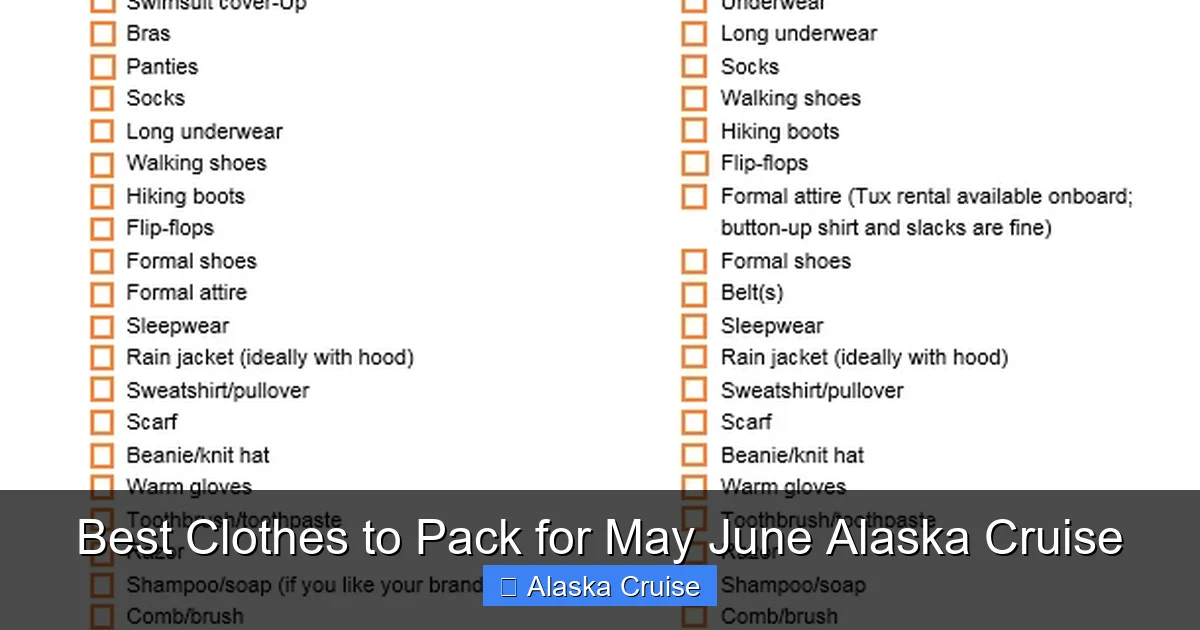
Visual guide about Best Clothes to Pack for May June Alaska Cruise
Image source: i.pinimg.com
Average Temperatures and Conditions
In May, daytime highs typically range from 50°F to 58°F (10°C to 14°C), while nighttime lows can dip to 40°F (4°C). June sees a slight increase, with highs between 55°F and 62°F (13°C to 17°C) and lows around 45°F (7°C). However, wind chill from sea breezes or mountain winds can make it feel colder, especially on open decks or during zodiac tours.
Rain and Moisture Are Common
Alaska is part of the Pacific Northwest’s temperate rainforest zone. Rainfall is frequent, particularly in May, which is one of the wetter months. Even in June, afternoon showers are common. Sea spray from waves and mist from waterfalls add to the moisture. This means staying dry is a top priority—cotton clothes will soak through and take forever to dry, leaving you cold and uncomfortable.
Sunlight and Daylight Hours
One of the perks of an Alaska cruise in May and June is the extended daylight. By late May, the sun sets around 9:30 PM, and in June, you’ll enjoy nearly 18 hours of daylight in some areas. This means more time for sightseeing, but also increased sun exposure—especially with glare off snow, ice, and water. Sunglasses and sunscreen are essential, even on cloudy days.
Layering: The Golden Rule for Alaska Cruise Clothing
If there’s one piece of advice to follow, it’s this: layer, layer, layer. Layering allows you to add or remove clothing as temperatures and activities change. Think of it like building a sandwich—each layer serves a purpose, and together they keep you comfortable from sunrise to sunset.
Base Layer: Moisture-Wicking and Warm
Your base layer sits closest to your skin and manages sweat. Choose fabrics like merino wool or synthetic materials such as polyester or nylon. These wick moisture away from your body, keeping you dry even if you start to sweat during a hike or while climbing stairs on the ship. Avoid cotton at all costs—it retains moisture and can make you feel clammy and cold.
For example, a lightweight merino wool long-sleeve top or thermal underwear works well. Brands like Smartwool, Icebreaker, and REI Co-op offer excellent options. Women might consider a moisture-wicking sports bra and thermal leggings, while men can opt for thermal tops and bottoms.
Mid Layer: Insulation for Warmth
The mid layer provides insulation to trap body heat. Fleece jackets, down vests, or lightweight sweaters are ideal. A zip-up fleece is especially useful because you can easily adjust ventilation. Down or synthetic insulated jackets are great for colder excursions, but make sure they’re packable so they don’t take up too much space in your luggage.
For instance, a Patagonia Better Sweater or a Uniqlo Ultra Light Down jacket are compact, warm, and stylish. If you’re prone to cold hands, consider bringing insulated gloves or mittens that can be worn under your outer layer.
Outer Layer: Protection from Wind and Rain
Your outer layer is your shield against the elements. A high-quality waterproof and windproof jacket is non-negotiable. Look for features like sealed seams, adjustable hoods, and pit zips for ventilation. A rain jacket with a breathable membrane (like Gore-Tex) will keep you dry without trapping sweat.
Pair your jacket with waterproof pants, especially if you plan on taking part in outdoor excursions like kayaking, hiking, or visiting glaciers. Many travelers underestimate the need for rain pants, but they’re a game-changer when exploring misty fjords or walking through damp trails.
Essential Clothing Items to Pack
Now that you understand the layering system, let’s break down the specific items you should include in your suitcase. The goal is versatility—each piece should work for multiple situations, from dining on the ship to trekking through a rainforest.
Tops and Shirts
Pack 3–4 long-sleeve base layers in moisture-wicking fabric. Add 2–3 mid-layer tops like fleece pullovers or lightweight sweaters. For casual evenings or indoor activities, bring 2–3 casual shirts or blouses—think flannel, knit tops, or wrinkle-resistant polos. Avoid heavy sweaters that take up too much space.
Pro tip: Roll your clothes instead of folding them to save space and reduce wrinkles. Use packing cubes to organize by category (tops, bottoms, accessories).
Bottoms and Pants
Bring 2–3 pairs of comfortable, quick-dry pants. Hiking pants or convertible pants (zip-off legs) are excellent choices. Jeans are not recommended—they’re heavy, slow to dry, and uncomfortable when wet. For women, leggings or thermal tights can double as base layers or sleepwear.
Don’t forget a pair of waterproof pants. Even if you don’t plan on hiking, you might encounter rain during a tender ride or while exploring a port town. A lightweight, packable pair from brands like Marmot or Columbia can be stashed in your daypack.
Outerwear and Rain Gear
Your rain jacket should be your most important outerwear item. Choose one that’s packable and comes with a hood. A packable down jacket or insulated vest is also wise for chilly evenings or glacier-viewing excursions. If your jacket doesn’t have a hood, bring a separate waterproof hat or beanie.
For extra warmth, consider a softshell jacket—it’s wind-resistant and more breathable than a hard shell, making it ideal for active days.
Footwear: Grip, Comfort, and Water Resistance
Footwear is where many travelers go wrong. You’ll be walking on wet decks, slippery rocks, and uneven trails. Bring at least two pairs of shoes: one for onboard and one for shore excursions.
For the ship: Comfortable walking shoes or supportive sneakers. Avoid sandals unless they’re closed-toe and grippy. For excursions: Waterproof hiking boots or trail shoes with good tread. Brands like Merrell, Salomon, and Keen offer excellent options. If you’re planning on kayaking or visiting glaciers, consider water shoes or neoprene booties.
Don’t forget wool or synthetic socks—bring 4–5 pairs. Avoid cotton socks; they lose insulation when wet. Consider bringing gaiters if you’re doing serious hiking—they keep water and debris out of your boots.
Accessories: Small Items with Big Impact
Accessories can make or break your comfort. A warm beanie or hat is essential for windy days. A neck gaiter or buff can double as a scarf, face mask, or headband. Gloves or mittens—preferably waterproof—are a must for glacier tours or early morning deck walks.
Sunglasses with UV protection are crucial, especially with glare off snow and water. A wide-brimmed hat or cap can also help shield your face. Don’t forget a compact, quick-dry travel towel—it’s handy after rain or water activities.
Dressing for Onboard vs. Onshore Activities
Your Alaska cruise involves two distinct environments: the ship and the shore. Each requires different attire, so plan accordingly.
Onboard Attire
Life on the cruise ship is generally casual during the day. Think relaxed outfits for lounging, dining at buffet restaurants, or attending lectures. Pack comfortable clothes like t-shirts, jeans (if you must), and casual dresses. Evenings may vary—some cruise lines have formal or semi-formal nights.
Check your cruise line’s dress code. For example, Holland America and Princess Cruises often have “formal nights” where jackets and dresses are encouraged. Royal Caribbean and Norwegian are more relaxed. If formal nights are on the schedule, bring at least one dressy outfit—a cocktail dress, slacks and a button-down, or a nice blouse with a skirt.
Don’t forget sleepwear, robes, and slippers. Many ships have heated pools or hot tubs, so a swimsuit and cover-up are also useful.
Shore Excursion Gear
Shore excursions are where your adventure gear shines. Whether you’re whale watching, hiking in Tongass National Forest, or riding a dog sled on a glacier, you’ll need practical, weather-appropriate clothing.
For wildlife tours: Dress in layers and bring binoculars. A lightweight, packable backpack is ideal for carrying extra layers, water, and snacks. For glacier tours: Waterproof pants, insulated gloves, and sturdy boots are essential. Some tours provide crampons or rain gear, but it’s best to bring your own if possible.
If you’re visiting Native cultural centers or small towns, casual but respectful clothing is fine. Avoid overly revealing outfits, especially in more traditional communities.
Packing Tips and Travel Hacks
Packing for an Alaska cruise doesn’t have to be stressful. With a few smart strategies, you can fit everything you need without overloading your luggage.
Use Packing Cubes and Compression Bags
Packing cubes help organize your clothes and make it easy to find what you need. Compression bags are great for bulky items like jackets and sweaters—they reduce volume by up to 50%. Roll your clothes to save space and prevent wrinkles.
Pack a Daypack for Shore Excursions
A small, lightweight backpack is indispensable. Use it to carry your rain jacket, water bottle, snacks, camera, and extra layers. Choose one with padded straps and a water-resistant exterior. Many travelers bring a foldable daypack that fits inside their main suitcase.
Check Baggage Policies
Cruise lines have specific baggage allowances. Most allow two checked bags and one carry-on per person. Check your cruise line’s policy to avoid surprises. If you’re flying to your departure port, also check your airline’s baggage fees.
Laundry Options Onboard
Many cruise ships offer laundry and dry-cleaning services, though they can be pricey. Some cabins have washer/dryer units, especially on luxury lines. If you’re on a longer cruise, consider packing travel-sized detergent and doing hand washes in your cabin sink. Quick-dry fabrics make this easy.
Don’t Forget the Essentials
Beyond clothing, pack sunscreen, lip balm with SPF, a reusable water bottle, power adapters, and any medications. A small first-aid kit with band-aids, pain relievers, and motion sickness remedies is also wise. If you wear glasses or contacts, bring extras.
Conclusion: Be Prepared, Stay Comfortable, Enjoy the Journey
Packing the best clothes for a May June Alaska cruise is all about preparation and adaptability. The weather may be unpredictable, but with the right layers, waterproof gear, and smart accessories, you’ll be ready for anything—from misty fjords to sunny mountain peaks. Remember, comfort and functionality should guide your choices, not fashion alone.
By focusing on moisture-wicking base layers, insulating mid-layers, and a reliable outer shell, you’ll stay warm and dry no matter what Alaska throws your way. Don’t forget your waterproof pants, sturdy footwear, and a good daypack. And yes, bring that dressy outfit—just in case.
Ultimately, the goal is to enjoy every moment of your cruise without being held back by discomfort or poor planning. With this guide, you’re well on your way to a memorable, stylish, and stress-free Alaskan adventure. So pack smart, dress in layers, and get ready to fall in love with one of the most beautiful places on Earth.
Frequently Asked Questions
What should I wear on an Alaska cruise in May and June?
Wear layered clothing with a moisture-wicking base layer, insulating mid-layer, and waterproof outer shell. Include long sleeves, quick-dry pants, and waterproof footwear for comfort in cool, damp conditions.
Do I need a rain jacket for an Alaska cruise?
Yes, a high-quality waterproof and windproof rain jacket is essential. Rain and sea spray are common, and a good jacket will keep you dry during shore excursions and deck walks.
Can I wear jeans on an Alaska cruise?
Jeans are not recommended because they absorb moisture and take a long time to dry. Opt for quick-dry hiking pants or synthetic materials instead.
What kind of shoes should I bring?
Bring waterproof, grippy shoes for shore excursions and comfortable walking shoes for the ship. Hiking boots or trail shoes with good tread are ideal for outdoor activities.
Are formal clothes required on Alaska cruises?
Some cruise lines have formal or semi-formal nights. Check your cruise line’s dress code and pack at least one dressy outfit if required.
Should I pack a swimsuit for an Alaska cruise?
Yes, many ships have heated pools, hot tubs, or spa facilities. A swimsuit and cover-up are useful, even if the weather is cool.