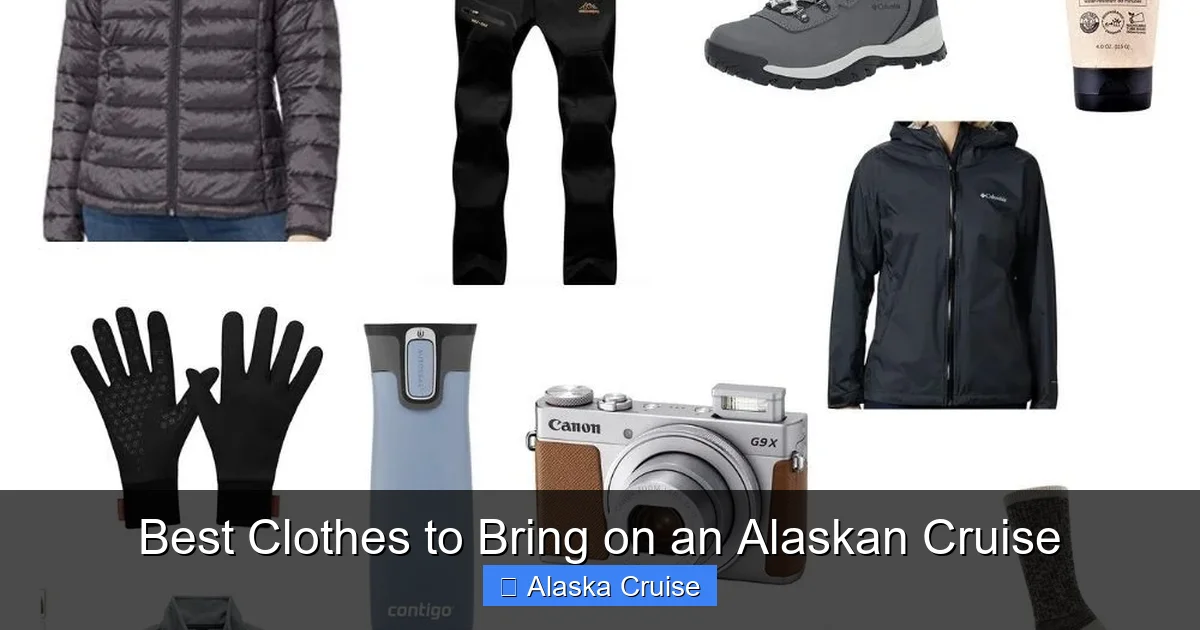
An Alaskan cruise is an unforgettable adventure, but packing the right clothes is key to staying comfortable and enjoying every moment. From glacier hikes to elegant dinners, you’ll need versatile, layered clothing that handles rain, wind, and temperature swings. This guide covers the best clothes to bring on an Alaskan cruise so you’re prepared for anything.
Planning an Alaskan cruise is exciting—majestic glaciers, towering mountains, and wildlife like whales and bears await. But before you set sail, there’s one crucial step that can make or break your trip: packing the right clothes. Alaska’s weather is famously unpredictable. You might experience sunshine one moment and a chilly rain shower the next. Temperatures can range from the 40s to the 60s Fahrenheit (4–18°C), even in summer. That’s why knowing the best clothes to bring on an Alaskan cruise isn’t just helpful—it’s essential.
Unlike tropical cruises where flip-flops and swimsuits rule, an Alaskan adventure demands thoughtful preparation. You’ll be spending time both on the ship and on shore, often in rugged, natural environments. Whether you’re zipping through fjords on a kayak, hiking through temperate rainforests, or enjoying a gourmet dinner onboard, your clothing needs to be functional, comfortable, and adaptable. The good news? You don’t need to pack your entire wardrobe. With smart choices and a focus on layering, you can travel light and still be ready for anything.
In this guide, we’ll walk you through exactly what to pack, from base layers to outerwear, footwear to accessories. We’ll also share practical tips based on real cruise experiences, so you can avoid common packing mistakes and make the most of your Alaskan journey. Whether you’re a first-time cruiser or a seasoned traveler, this guide will help you pack confidently and cruise comfortably.
Key Takeaways
- Layering is essential: Alaska’s weather changes quickly, so pack base, mid, and outer layers to stay warm and dry.
- Waterproof outerwear is a must: Rain and mist are common, so bring a high-quality waterproof jacket and pants.
- Pack warm, moisture-wicking base layers: Thermal tops and bottoms made of merino wool or synthetic fabrics keep you dry and insulated.
- Don’t forget sturdy, waterproof footwear: Non-slip, insulated boots are crucial for shore excursions and deck walks.
- Bring versatile, wrinkle-resistant clothing: Mix-and-match outfits save space and work for both casual and formal cruise events.
- Accessories matter: Hats, gloves, scarves, and sunglasses protect you from wind, cold, and glare off the water.
- Check your cruise line’s dress code: Some ships have formal nights, so pack at least one dressy outfit.
📑 Table of Contents
- Understanding Alaska’s Weather: Why It Matters for Packing
- Layering Like a Pro: The Foundation of Alaskan Cruise Wear
- Footwear: Staying Dry and Stable on Deck and Shore
- Clothing for Onboard and Evening Wear
- Accessories: Small Items That Make a Big Difference
- Special Considerations: What to Pack for Specific Activities
- Final Tips for Packing Smart
- Conclusion: Be Prepared, Stay Comfortable, Enjoy Every Moment
Understanding Alaska’s Weather: Why It Matters for Packing
Alaska’s climate is as diverse as its landscapes. Even during the peak summer cruise season—June through August—the weather can shift dramatically from one day to the next. Coastal areas, where most cruises travel, tend to be cooler and wetter than inland regions. You might start your morning in Ketchikan with light rain and 50°F (10°C) temperatures, then arrive in Juneau under sunny skies and 65°F (18°C) by afternoon. Glacier Bay? That’s a whole different story—expect cool air, strong winds, and possible mist even on clear days.
Because of this variability, packing for an Alaskan cruise isn’t about preparing for one type of weather. It’s about being ready for all of them. The key is layering. Think of your clothing like an onion—each layer serves a purpose and can be added or removed as conditions change. This approach keeps you comfortable whether you’re sipping hot cocoa on the deck or exploring a misty rainforest trail.
Another factor to consider is wind. Coastal Alaska is often breezy, and wind can make the air feel much colder than the actual temperature. That’s why windproof outer layers are just as important as waterproof ones. And don’t forget about humidity. The air near glaciers and oceans can be damp, which means cotton clothing—while comfortable—can trap moisture and leave you feeling cold and clammy. Instead, opt for synthetic or wool fabrics that wick moisture away from your skin.
Finally, remember that you’ll be spending time both indoors and outdoors. Cruise ships are climate-controlled, so you’ll want lighter clothing for lounging in the lounge or dining room. But when you step outside—even for a short walk—you’ll need to bundle up. Packing versatile pieces that work in multiple settings will save you space and stress.
Layering Like a Pro: The Foundation of Alaskan Cruise Wear

Visual guide about Best Clothes to Bring on an Alaskan Cruise
Image source: i.ytimg.com
If there’s one rule to follow when packing for an Alaskan cruise, it’s this: layer, layer, layer. Layering allows you to adapt to changing conditions without overpacking. It also helps regulate your body temperature, keeping you warm when it’s cold and cool when you’re active. Think of your layers as a system: each one has a job, and together, they keep you comfortable from sunrise to sunset.
Base Layers: Your First Line of Defense
Your base layer is the clothing closest to your skin. Its job is to wick moisture away from your body, keeping you dry even when you sweat. This is especially important during active shore excursions like hiking or kayaking. Avoid cotton at all costs—it absorbs moisture and takes forever to dry, leaving you cold and uncomfortable.
Instead, choose base layers made from merino wool or synthetic fabrics like polyester or nylon. Merino wool is a favorite among travelers because it’s soft, breathable, and naturally odor-resistant. It also provides excellent insulation, even when wet. Synthetic options are often more affordable and dry faster, making them great for high-activity days.
For your base layer, pack at least two sets of thermal tops and bottoms. Look for lightweight or mid-weight options depending on your sensitivity to cold. If you tend to run cold, go for mid-weight. If you’re usually warm, lightweight should suffice. Many travelers find that wearing a base layer top under a long-sleeve shirt is enough for most days, but having the option to add leggings or long underwear is a smart backup.
Mid Layers: Insulation and Warmth
Your mid layer provides insulation, trapping body heat to keep you warm. This is where you’ll add bulk and warmth without sacrificing mobility. Fleece jackets, lightweight down vests, and softshell sweaters are all excellent choices.
Fleece is a classic mid-layer option. It’s warm, lightweight, and dries quickly. A zip-up fleece jacket is ideal because you can easily adjust ventilation by opening or closing the front zipper. Look for one with a high collar for extra neck warmth.
Down vests are another great option, especially if you’re traveling light. They provide excellent core warmth without adding bulk to your arms, giving you full range of motion. Just remember that down loses its insulating power when wet, so pair it with a waterproof outer layer on rainy days.
For a more polished look, consider a softshell sweater or a lightweight merino wool pullover. These can double as casual wear for dinner or lounging on the ship, making them versatile additions to your wardrobe.
Outer Layers: Protection from the Elements
Your outer layer is your shield against wind, rain, and snow. This is where quality matters most. A good waterproof and windproof jacket is non-negotiable for an Alaskan cruise. Look for one with a hood, adjustable cuffs, and a drawstring hem to seal out the elements.
The best jackets are made with breathable, waterproof membranes like Gore-Tex or similar technologies. These allow sweat to escape while keeping rain out—a must for active days. Many travelers also appreciate jackets with pit zips for extra ventilation during hikes or long walks.
Don’t forget waterproof pants. While you might not wear them every day, they’re essential for glacier tours, zodiac rides, or rainy shore excursions. Look for lightweight, packable options that can be stashed in your daypack when not in use.
For extra warmth, consider a packable down jacket. These can be worn under your outer shell on extremely cold days or used as a standalone layer indoors. They’re lightweight and compress into a small stuff sack, making them perfect for cruise travel.
Footwear: Staying Dry and Stable on Deck and Shore
Your feet are your foundation—especially on an Alaskan cruise where you’ll be walking on slippery decks, rocky trails, and wet docks. The right footwear can mean the difference between a comfortable adventure and a miserable one.
Waterproof Hiking Boots: Your Best Friend on Shore
For shore excursions, waterproof hiking boots are a must. Look for boots with a sturdy sole, good ankle support, and a waterproof membrane like Gore-Tex. Vibram soles provide excellent traction on wet and uneven surfaces, which is crucial when exploring trails or boarding tenders.
Break in your boots before the trip. Nothing ruins a hike faster than blisters or sore feet. Wear them on short walks around town or on your regular commute to ensure they’re comfortable and ready for action.
If you’re not planning on serious hiking, a pair of waterproof trail shoes or sturdy walking shoes with good grip can suffice. Just make sure they’re not too flat—Alaska’s terrain can be uneven, and you’ll appreciate a bit of arch support.
Deck Shoes: Comfort and Safety Onboard
On the ship, you’ll want a pair of comfortable, non-slip shoes for walking the decks. Many cruise lines recommend closed-toe shoes with non-marking soles to protect the ship’s flooring. Sneakers or boat shoes work well, but avoid flip-flops—they offer no protection and can be slippery when wet.
If you plan to use the ship’s pool or hot tub, pack a pair of water shoes. These protect your feet from hot surfaces and provide grip on wet decks. They’re also handy for beach landings or exploring rocky shorelines.
Indoor Slippers or Loafers
For lounging in your cabin or strolling through the indoor areas of the ship, a pair of soft slippers or loafers is a nice touch. They’re comfortable, easy to slip on and off, and help keep your cabin clean. Just remember to remove them before entering certain areas, as some ships have dress codes for indoor spaces.
Clothing for Onboard and Evening Wear
While the focus is often on outdoor gear, don’t forget about your time onboard. Cruise ships are known for their mix of casual and formal dining, entertainment, and relaxation. Packing the right clothes for these settings ensures you feel comfortable and confident throughout your trip.
Casual Daywear
For daytime activities on the ship—like lounging by the pool, attending lectures, or enjoying the buffet—pack comfortable, casual clothing. Think breathable tops, lightweight pants or jeans, and relaxed-fit dresses or skirts. Opt for wrinkle-resistant fabrics that look good straight out of the suitcase.
A few long-sleeve shirts or cardigans are useful for cooler indoor areas or evening breezes on the deck. Neutral colors like navy, gray, and black are versatile and easy to mix and match.
Formal and Smart-Casual Evening Wear
Most cruise lines have at least one formal night during the voyage, often called “gala night” or “captain’s dinner.” This is your chance to dress up and enjoy a special meal in the main dining room. Check your cruise line’s dress code in advance—some are more relaxed, while others expect jackets for men and cocktail dresses for women.
For men, a sport coat or blazer with dress pants and a collared shirt is usually sufficient. A tie is optional unless specified. For women, a cocktail dress, elegant jumpsuit, or dressy separates work well. Avoid overly casual items like jeans, t-shirts, or sneakers.
Even on non-formal nights, many passengers prefer to dress up a bit for dinner. Smart-casual options like button-down shirts, blouses, and tailored pants or skirts are always a safe bet.
Packing Tips for Limited Space
Cruise cabins are cozy, and storage space is limited. To maximize your suitcase, choose clothing that can be worn in multiple ways. For example, a black dress can be dressed up with jewelry for dinner or worn casually with a cardigan during the day.
Roll your clothes instead of folding them to save space and reduce wrinkles. Use packing cubes to organize your items by category—base layers in one cube, mid-layers in another, and so on. This makes it easy to find what you need without unpacking everything.
Accessories: Small Items That Make a Big Difference
It’s easy to overlook accessories when packing, but they can make a huge difference in your comfort and enjoyment. Alaska’s environment demands protection from the elements, and the right accessories can help you stay warm, dry, and safe.
Hats and Gloves
A warm hat is essential, especially for glacier days or early morning deck walks. Look for a beanie made of wool or fleece that covers your ears. For extra warmth, consider a hat with a built-in neck flap or ear flaps.
Gloves are a must for cold days and windy conditions. Waterproof gloves are ideal, but if you’re not planning on getting wet, fleece-lined gloves offer great warmth and dexterity. Pack a lightweight pair for mild days and a heavier pair for colder excursions.
Scarves and Neck Gaiters
A scarf or neck gaiter adds extra warmth around your neck and can be pulled up to cover your face in windy conditions. Look for one made of merino wool or a soft synthetic blend. A buff or multi-functional neck gaiter is a versatile option—it can be worn as a scarf, headband, or even a face mask.
Sunglasses and Sunscreen
Yes, even in Alaska, the sun can be strong—especially when reflecting off snow, ice, or water. Pack UV-protective sunglasses to shield your eyes. Polarized lenses reduce glare and improve visibility on the water.
Don’t forget sunscreen. The sun’s rays are more intense at higher latitudes, and you can still get sunburned on cloudy days. Use a broad-spectrum SPF 30 or higher, and reapply regularly, especially after sweating or swimming.
Daypack and Dry Bag
A lightweight daypack is essential for shore excursions. Look for one with padded straps, multiple compartments, and a water-resistant exterior. A dry bag or waterproof pouch inside your pack will keep your phone, camera, and snacks dry during boat rides or rainy hikes.
Special Considerations: What to Pack for Specific Activities
Your itinerary will influence what you need to pack. If you’re planning specific excursions, tailor your clothing choices accordingly.
Glacier Tours and Zodiac Rides
These activities are often the highlight of an Alaskan cruise, but they come with unique challenges. Zodiac rides are windy and wet, so dress as if it’s colder than it actually is. Wear your waterproof jacket and pants, a warm hat, gloves, and sturdy boots. A neck gaiter or scarf will protect your face from spray.
For glacier tours, layer up. You’ll be close to ice and water, so temperatures can feel much colder. Bring extra socks in case your feet get wet, and consider hand and foot warmers for added comfort.
Wildlife Viewing and Photography
If you’re hoping to spot whales, bears, or eagles, dress in neutral colors to blend in with the environment. Avoid bright patterns that might scare animals. Bring a hat and sunglasses for long periods outdoors, and pack a small towel to wipe down your camera lens if it fogs up in the cold.
Indoor Activities and Relaxation
Don’t forget to pack clothes for downtime. A cozy sweater, soft pajamas, and comfortable loungewear will make your cabin feel like a retreat. If your ship has a spa or hot tub, bring a swimsuit and a robe.
Final Tips for Packing Smart
Packing for an Alaskan cruise doesn’t have to be overwhelming. With a little planning, you can bring everything you need without overpacking.
Start by making a checklist based on this guide. Include categories like base layers, mid-layers, outerwear, footwear, and accessories. Check off items as you pack to avoid forgetting essentials.
Weigh your suitcase before leaving home. Most cruise lines allow one or two checked bags per person, but weight limits still apply. If you’re flying to your departure port, check your airline’s baggage policy as well.
Finally, pack a small travel laundry kit. A travel clothesline, detergent sheets, and a sink stopper let you wash and dry base layers and socks in your cabin sink. This means you can pack fewer items and reuse clothing throughout the trip.
Conclusion: Be Prepared, Stay Comfortable, Enjoy Every Moment
An Alaskan cruise is a once-in-a-lifetime experience, and the right clothing ensures you can enjoy every second of it. From the thrill of spotting a humpback whale to the serenity of a misty fjord, you’ll want to be comfortable, dry, and ready for adventure.
By focusing on layering, choosing quality waterproof gear, and packing versatile clothing, you’ll be prepared for Alaska’s ever-changing weather. Don’t forget the small details—accessories, footwear, and a good daypack can make all the difference.
Remember, the best clothes to bring on an Alaskan cruise are the ones that keep you warm, dry, and confident. With this guide, you’re ready to pack smart, travel light, and make unforgettable memories in one of the world’s most beautiful destinations.
Frequently Asked Questions
What should I wear on an Alaskan cruise in summer?
Summer in Alaska (June–August) is mild but unpredictable. Pack layered clothing, including thermal base layers, fleece mid-layers, and a waterproof jacket. Bring long pants, long-sleeve shirts, and sturdy footwear for outdoor activities.
Do I need a formal outfit on an Alaskan cruise?
Most cruise lines have at least one formal night. Check your ship’s dress code, but generally, men should bring a sport coat or blazer, and women should pack a cocktail dress or elegant separates.
Can I wear jeans on an Alaskan cruise?
Yes, jeans are fine for casual days onboard, but avoid them on shore excursions. They absorb moisture and take a long time to dry, which can leave you cold and uncomfortable in wet conditions.
What kind of shoes should I bring for Alaska?
Pack waterproof hiking boots for shore excursions, non-slip deck shoes for the ship, and comfortable indoor slippers. Avoid flip-flops—they offer no protection and can be slippery.
Is it cold on an Alaskan cruise?
Temperatures typically range from 40°F to 65°F (4–18°C), but wind and rain can make it feel colder. Layering is key to staying comfortable in changing conditions.
Should I bring a swimsuit on an Alaskan cruise?
Yes, many ships have heated pools, hot tubs, or spa facilities. A swimsuit is also useful for beach landings or water-based excursions. Pack a quick-dry towel for convenience.