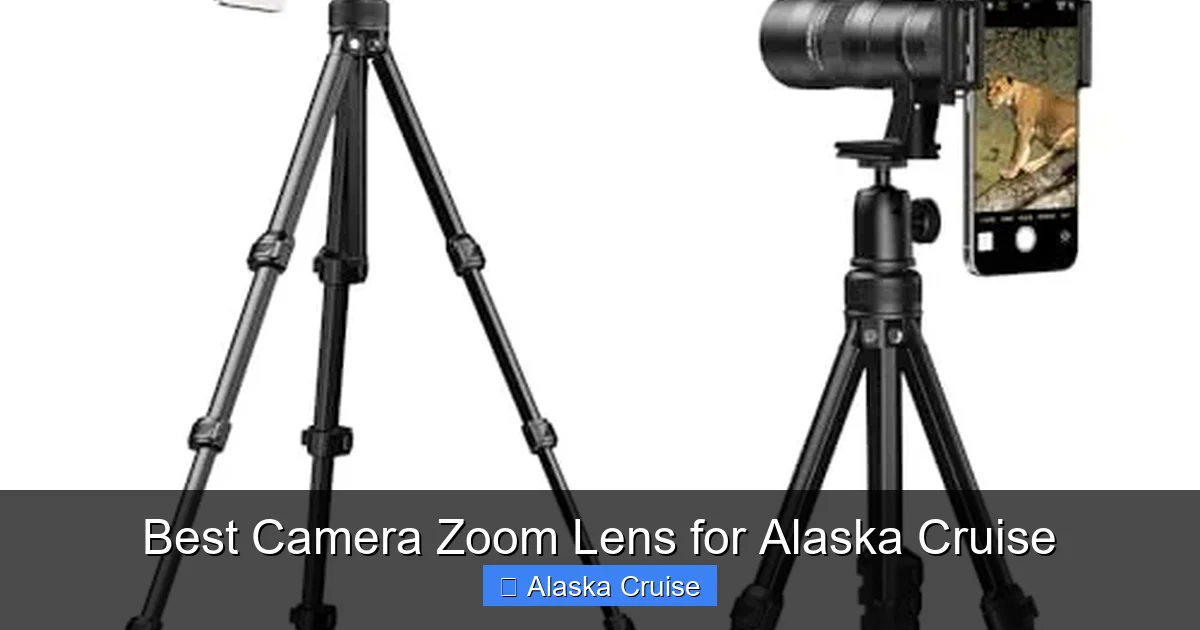
Choosing the best camera zoom lens for an Alaska cruise ensures you capture breathtaking wildlife, towering glaciers, and vast landscapes in sharp detail. Whether you’re shooting humpback whales from a moving ship or distant mountain peaks, the right zoom lens makes all the difference.
Key Takeaways
- Long reach is essential: A telephoto zoom lens (200mm+) helps capture distant wildlife like bears, whales, and eagles without disturbing them.
- Image stabilization matters: Cruises involve motion; lenses with optical stabilization reduce blur from boat movement or hand shake.
- Weather sealing is a must: Alaska’s coastal climate brings rain, fog, and salt spray—choose a lens built to withstand harsh conditions.
- Versatility over specialization: A zoom range like 70-300mm or 100-400mm offers flexibility for both wide scenic shots and tight wildlife framing.
- Weight and portability count: You’ll be carrying gear on excursions; lighter lenses reduce fatigue during long days ashore.
- Compatibility with your camera: Ensure the lens fits your DSLR or mirrorless system and supports autofocus and metering.
- Budget wisely: High-end lenses deliver better optics, but mid-range options can still produce stunning results with proper technique.
📑 Table of Contents
Why the Right Zoom Lens Makes All the Difference on an Alaska Cruise
An Alaska cruise is one of the most visually stunning travel experiences on Earth. From towering glaciers calving into icy waters to bald eagles soaring above dense rainforests, every moment feels like a scene from a nature documentary. But capturing these fleeting, awe-inspiring moments requires more than just a good camera—it demands the right lens.
Imagine standing on the deck of your ship, binoculars in hand, as a pod of humpback whales breaches in the distance. You raise your camera, only to realize your lens can’t reach far enough. Or picture hiking through Tongass National Forest, spotting a black bear foraging near a stream—only to get a blurry, out-of-focus shot because your lens lacks stabilization. These are real frustrations that can turn magical moments into missed opportunities.
That’s why selecting the best camera zoom lens for an Alaska cruise isn’t just a technical decision—it’s a crucial part of your travel preparation. The right lens ensures you don’t just see Alaska, but truly capture it. It allows you to document wildlife safely from a distance, freeze fast-moving action, and preserve the grandeur of vast landscapes with clarity and detail.
What to Look for in a Zoom Lens for Alaska Cruises
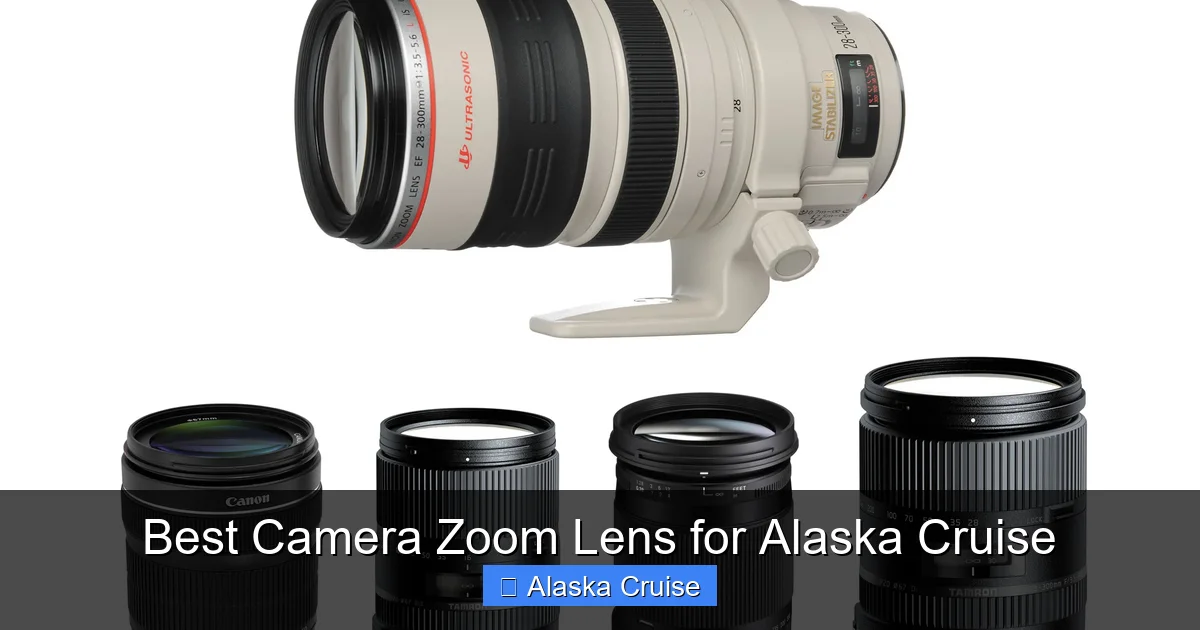
Visual guide about Best Camera Zoom Lens for Alaska Cruise
Image source: cameraegg.org
When shopping for a zoom lens for your Alaska adventure, it’s easy to get overwhelmed by specs and brand names. But focusing on a few key features will help you make the right choice. Let’s break down what truly matters.
Focal Length: Reach Without Compromise
The most important factor is focal length—the “zoom power” of your lens. In Alaska, wildlife is often far away, and you won’t always be able to get close. A lens with a long reach (200mm or more) is essential for capturing animals like whales, bears, moose, and seabirds without disturbing them or putting yourself at risk.
For example, a 70-300mm lens gives you a solid range for both mid-distance scenery and tighter wildlife shots. But if you’re serious about wildlife photography, consider stepping up to a 100-400mm or even a 150-600mm super-telephoto. These longer lenses let you frame distant subjects beautifully, especially when shooting from a moving ship or a crowded viewing area.
Keep in mind that longer focal lengths mean larger, heavier lenses. If you’re traveling light or have mobility concerns, balance reach with portability.
Image Stabilization: Steady Shots on a Moving Ship
Alaska cruises involve constant motion—waves rock the ship, wind buffets the deck, and even walking on shore can be uneven. Without image stabilization (IS, VR, OS—depending on the brand), your photos may come out blurry, especially at long focal lengths or in low light.
Look for lenses with built-in optical stabilization. This technology detects movement and adjusts the lens elements to counteract shake. For instance, Nikon’s VR (Vibration Reduction) and Canon’s IS (Image Stabilization) systems can give you several stops of extra hand-holdability. That means you can shoot at slower shutter speeds without a tripod and still get sharp images.
On a practical level, this lets you photograph a breaching whale at 1/250s instead of needing 1/1000s—giving you more flexibility in changing light conditions.
Weather Sealing: Protection Against the Elements
Alaska’s coastal climate is famously unpredictable. Rain, fog, mist, and salt spray are common, especially near glaciers and fjords. A lens without weather sealing can suffer from moisture ingress, fogging, or corrosion—especially if you’re shooting near water or in humid conditions.
Choose a lens with robust weather sealing, including rubber gaskets around the mount and control rings. High-end models from Canon, Nikon, Sony, and Tamron often include this feature. Even if your camera body is weather-sealed, the lens must match that protection level to be truly effective.
For example, the Canon EF 100-400mm f/4.5-5.6L IS II USM is fully weather-sealed and built to withstand harsh environments—perfect for Alaska’s coastal conditions.
Aperture and Low-Light Performance
While most zoom lenses for wildlife have variable apertures (like f/4.5-5.6), this isn’t necessarily a dealbreaker. In Alaska, you’ll often shoot in bright daylight, especially during the long summer days. However, early morning and late evening light—when wildlife is most active—can be dim.
A lens with a wider maximum aperture (like f/2.8) gathers more light and allows faster shutter speeds, but these lenses are significantly heavier and more expensive. For most cruise travelers, a variable aperture zoom in the f/4-5.6 range is a smart compromise.
That said, if you plan to shoot in low light or want more background blur (bokeh), consider pairing your zoom with a fast prime lens (like a 50mm f/1.8) for evening shots in ports like Juneau or Ketchikan.
Autofocus Speed and Accuracy
Wildlife doesn’t wait. A whale breaches once and disappears. A bear turns and walks away. Your lens needs to focus quickly and accurately to capture these split-second moments.
Look for lenses with fast, quiet autofocus motors—such as Canon’s USM (Ultrasonic Motor), Nikon’s SWM (Silent Wave Motor), or Sony’s Linear Motors. These systems lock onto subjects rapidly, even in challenging light.
Additionally, ensure the lens supports continuous autofocus (AI Servo for Canon, AF-C for Nikon/Sony), which tracks moving subjects. This is critical when photographing birds in flight or a kayak gliding past a glacier.
Top Zoom Lens Recommendations for Alaska Cruises
Now that you know what to look for, let’s explore some of the best camera zoom lenses for Alaska cruises, based on real-world performance, durability, and value.
Canon EF 100-400mm f/4.5-5.6L IS II USM
This is a favorite among wildlife photographers and a top pick for Alaska cruises. Its 100-400mm range covers everything from scenic vistas to distant wildlife. The image stabilization provides up to 4 stops of correction, and the weather-sealed L-series build ensures reliability in damp conditions.
It’s compatible with Canon DSLRs and, with an adapter, Canon R-series mirrorless cameras. While it’s on the heavier side (3.5 lbs), the image quality and reach make it worth the weight for serious shooters.
Nikon AF-S NIKKOR 200-500mm f/5.6E ED VR
If you need serious reach, this Nikon lens delivers. The 200-500mm range is ideal for capturing whales, bears, and mountain goats from a distance. The VR stabilization is excellent, and the lens is surprisingly affordable for its capabilities.
It’s compatible with Nikon DSLRs and Z-mount mirrorless cameras (with FTZ adapter). The constant f/5.6 aperture is consistent across the zoom range, which simplifies exposure settings. At 5.6 lbs, it’s heavy, but many photographers find it manageable with a monopod or shoulder strap.
Sony FE 200-600mm f/5.6-6.3 G OSS
For Sony full-frame mirrorless users, this lens is a powerhouse. The 200-600mm range is perfect for extreme wildlife shots, and the built-in Optical SteadyShot (OSS) stabilization works seamlessly with Sony’s in-body stabilization.
It’s weather-sealed and relatively compact for a super-telephoto. While the aperture narrows at 600mm, the lens performs well in daylight—ideal for Alaska’s long summer days. Pair it with a Sony A7R IV or A1 for stunning high-resolution wildlife images.
Tamron 150-600mm f/5-6.3 Di VC USD G2
This third-party lens offers incredible value. The 150-600mm range rivals premium brands at a lower price point. Tamron’s Vibration Compensation (VC) stabilization is effective, and the lens is compatible with Canon, Nikon, and Sony mounts (via adapters).
It’s a bit heavier than some alternatives, but the image quality is impressive, especially in the 200-500mm range. Great for budget-conscious travelers who still want professional results.
Olympus M.Zuiko Digital ED 40-150mm f/2.8 PRO
For Micro Four Thirds users (like Olympus or OM System cameras), this lens offers a 35mm-equivalent focal length of 80-300mm—plenty of reach for most Alaska wildlife. The constant f/2.8 aperture is rare in a zoom lens and excellent for low light.
It’s lightweight, weather-sealed, and paired with a teleconverter (like the 1.4x), it reaches 420mm equivalent. Perfect for travelers who prioritize portability without sacrificing performance.
Tips for Using Your Zoom Lens on an Alaska Cruise
Having the right lens is only half the battle. How you use it makes the difference between good photos and great ones.
Use a Monopod or Tripod
Long lenses are heavy, and hand-holding them for extended periods leads to fatigue and blur. A lightweight monopod is ideal for cruise excursions—it stabilizes your shot without the bulk of a tripod. Look for one with a quick-release plate and adjustable height.
For port stops with stable surfaces (like a dock or viewing platform), a compact tripod can help with long exposures of glaciers or night photography.
Shoot in Burst Mode
Wildlife is unpredictable. Use continuous shooting mode (burst mode) to capture sequences of action—like a whale spouting or a bird taking flight. This increases your chances of getting the perfect frame.
Set your camera to high-speed continuous and use AI Servo/AF-C to track moving subjects. Just be mindful of buffer limits and memory card speed.
Protect Your Gear
Salt air, humidity, and sudden rain can damage electronics. Use a rain cover or DIY solution (like a plastic bag with a lens hole) when shooting in wet conditions. Store your gear in a dry bag or case when not in use.
Consider a lens hood to reduce flare and protect the front element. And always carry lens wipes and a blower to remove salt spray or moisture.
Know Your Subjects
Research common Alaska wildlife and their behaviors. For example, humpback whales often breach near feeding grounds, and brown bears frequent salmon streams in July and August. Knowing where and when to look increases your chances of great shots.
Use your zoom to observe from a distance—never approach wildlife too closely, especially on land. Respect park rules and keep a safe distance.
Adjust Settings for the Environment
Alaska’s light changes quickly. Use aperture priority (A/Av) or shutter priority (S/Tv) modes to adapt. For wildlife, prioritize shutter speed (1/500s or faster) to freeze motion. For landscapes, use smaller apertures (f/8-f/11) for maximum sharpness.
Enable high ISO performance if your camera supports it. Modern sensors handle ISO 1600-3200 well, letting you shoot in low light without excessive noise.
Common Mistakes to Avoid
Even with the best lens, poor technique can ruin your photos. Here are common pitfalls and how to avoid them.
Zooming Too Much, Too Soon
It’s tempting to zoom in immediately when you spot wildlife. But often, the best shots come from waiting and observing. Use your zoom to frame, not to chase. Anticipate behavior and be ready.
Ignoring the Background
A sharp subject with a cluttered background is distracting. Use a wide aperture (like f/5.6) to blur the background, or reposition to include clean elements like water or sky.
Forgetting to Check Focus
Autofocus isn’t perfect. After focusing, check the focus point in your viewfinder or LCD. Use focus peaking if your camera supports it. Re-focus if the subject moves.
Overlooking the Wide End
Don’t forget to use the wide end of your zoom for expansive landscapes. A 70mm or 100mm shot of a glacier or fjord can be just as powerful as a tight wildlife frame.
Conclusion: Capture Alaska Like a Pro
An Alaska cruise is a once-in-a-lifetime experience, and your photos should do it justice. The best camera zoom lens for Alaska cruise photography balances reach, stability, durability, and ease of use. Whether you choose a 100-400mm workhorse or a 200-600mm super-telephoto, the right lens empowers you to capture the wild beauty of Alaska with confidence.
Invest in quality glass, protect your gear, and practice your technique. With the right tools and preparation, you’ll return home not just with memories—but with a stunning visual story of one of the world’s last great frontiers.
Frequently Asked Questions
What focal length do I need for wildlife on an Alaska cruise?
A lens with at least 200mm of reach is recommended for wildlife. For distant subjects like whales or bears, 300mm to 600mm is ideal. A 70-300mm or 100-400mm lens offers a good balance of versatility and reach.
Do I need a weather-sealed lens for Alaska?
Yes. Alaska’s coastal environment includes rain, fog, and salt spray. A weather-sealed lens protects against moisture and dust, ensuring your gear lasts the entire trip.
Can I use a zoom lens on a moving ship?
Yes, but image stabilization is crucial. Look for lenses with optical stabilization (IS, VR, OSS) to reduce blur from boat motion. A monopod also helps steady your shots.
Is a super-telephoto lens worth the weight?
It depends on your priorities. If you’re passionate about wildlife photography, the extra reach is invaluable. For casual shooters, a lighter 70-300mm may be sufficient.
What’s the best aperture for an Alaska zoom lens?
A variable aperture of f/4.5-5.6 is typical and sufficient for most daylight shooting. Wider apertures (f/2.8) are better for low light but add cost and weight.
Should I bring a tripod on an Alaska cruise?
A lightweight monopod is more practical than a tripod. It stabilizes long lenses without the bulk, and many excursion sites don’t allow tripods. Use it for steady shots on deck or at viewpoints.