Choosing the best camera to take on an Alaska cruise means balancing portability, durability, and image quality. Whether you’re photographing breaching whales, towering glaciers, or rugged mountain landscapes, the right gear ensures you don’t miss a moment. This guide covers everything you need to know to pick the perfect camera for your Alaskan adventure.
Key Takeaways
- Weather resistance is essential: Alaska’s climate can be unpredictable, so choose a camera with good sealing against moisture and cold.
- Zoom range matters for wildlife: A telephoto lens (300mm+) helps capture distant animals like bears, eagles, and whales without disturbing them.
- Portability enhances usability: Compact cameras or mirrorless models are easier to carry during shore excursions and long days on deck.
- Image stabilization is a game-changer: Reduces blur from boat movement and low-light conditions common in overcast Alaskan skies.
- Manual controls offer creative flexibility: Allows you to adjust settings quickly when lighting changes rapidly in dynamic environments.
- Battery life and backup power are critical: Cold weather drains batteries fast—always carry spares or a portable charger.
- Video capabilities enhance storytelling: 4K video lets you capture the movement of glaciers calving or whales spouting in stunning detail.
📑 Table of Contents
Why Your Camera Choice Matters on an Alaska Cruise
An Alaska cruise isn’t just a vacation—it’s a once-in-a-lifetime journey through one of the planet’s most dramatic and pristine landscapes. From the icy fjords of Glacier Bay to the dense forests of Ketchikan and the abundant wildlife of Juneau, every moment feels cinematic. But if you’re relying on your smartphone to capture it all, you might be missing out on the full experience.
The best camera to take on an Alaska cruise isn’t just about megapixels or brand names—it’s about matching your gear to the unique challenges and opportunities of the Alaskan wilderness. You’ll be shooting in rapidly changing light, from the soft glow of the midnight sun to the deep shadows of forested trails. You’ll be on a moving boat, trying to snap a photo of a humpback whale breaching 200 yards away. And you’ll be battling cold, damp conditions that can fry electronics in minutes if they’re not protected.
That’s why choosing the right camera is so important. The ideal model will be rugged enough to handle the elements, powerful enough to capture distant wildlife, and simple enough to use without fumbling with settings in gloves. It should also be lightweight enough to carry all day during shore excursions, whether you’re hiking through Tongass National Forest or exploring the historic streets of Skagway.
In this guide, we’ll walk you through everything you need to consider when selecting the best camera for your Alaska cruise—from key features and top recommendations to practical tips for shooting in the wild. Whether you’re a seasoned photographer or a casual snapshooter, you’ll leave ready to capture Alaska’s magic in stunning detail.
Key Features to Look for in an Alaska Cruise Camera
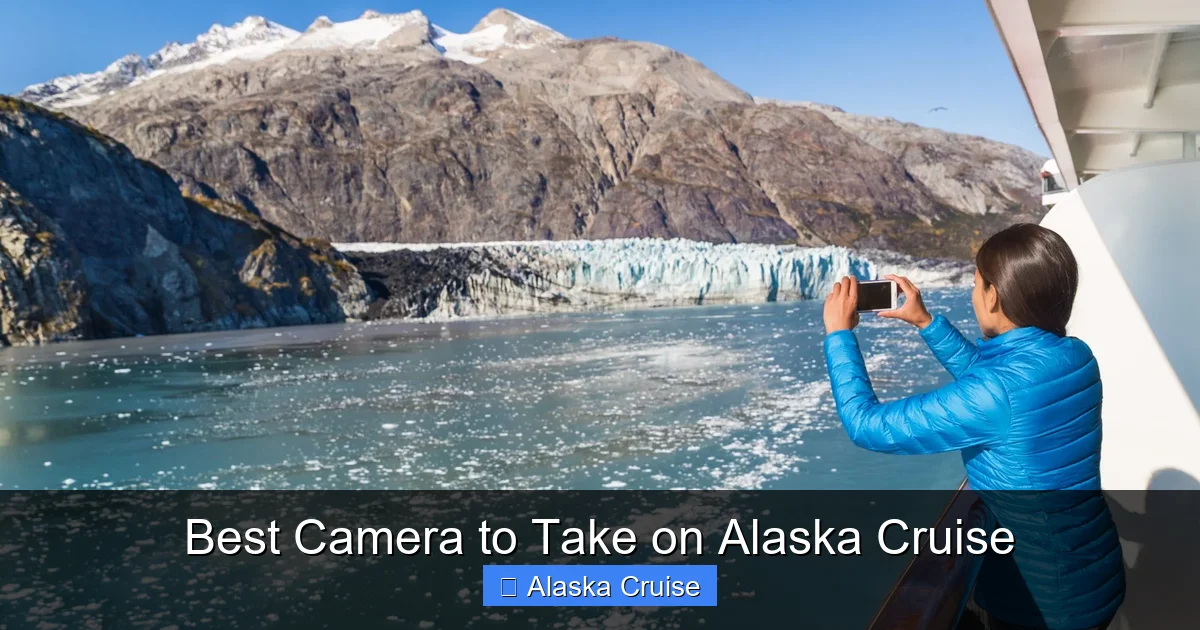
Visual guide about Best Camera to Take on Alaska Cruise
Image source: millionmilesecrets.com
When shopping for the best camera to take on an Alaska cruise, it’s easy to get overwhelmed by specs and marketing jargon. But focus on these five essential features, and you’ll be well on your way to finding the perfect match for your trip.
Weather Sealing and Durability
Alaska’s weather is famously fickle. One minute it’s sunny and calm; the next, a cold rain is blowing sideways off the Pacific. Even on clear days, sea spray and high humidity can damage unprotected electronics. That’s why weather sealing is non-negotiable.
Look for cameras with magnesium alloy bodies, rubber gaskets around buttons, and sealed lens mounts. These features prevent moisture and dust from getting inside. Models like the Olympus OM-D E-M1 Mark III or the Canon EOS R6 Mark II offer excellent weather resistance. Even some compact cameras, like the Panasonic Lumix ZS200, come with splash-proof designs.
Durability also means drop resistance. You’ll be carrying your camera on uneven terrain, in crowded tenders, and on slippery docks. A sturdy build ensures your gear survives the journey.
Optical Zoom and Lens Range
Wildlife is one of Alaska’s biggest draws—bears fishing for salmon, sea otters floating on their backs, and bald eagles soaring overhead. But you won’t always be close enough for a great shot. That’s where optical zoom comes in.
A camera with a long telephoto lens (300mm or more) lets you get intimate shots without disturbing the animals. Superzoom bridge cameras like the Sony RX10 IV (600mm equivalent) or the Nikon Coolpix P1000 (3000mm equivalent) are excellent choices. They offer DSLR-like reach in a compact body.
Mirrorless and DSLR cameras give you even more flexibility with interchangeable lenses. Pair a full-frame body like the Sony A7 IV with a 100-400mm telephoto lens, and you’ll have professional-grade wildlife photography power.
Image Stabilization
Boats rock. Even on calm days, the motion of the ship can make handheld shots blurry—especially at long zoom lengths. Image stabilization (IS) compensates for this by reducing camera shake.
Look for cameras with 5-axis in-body stabilization (IBIS), like the Fujifilm X-T5 or the Sony A7R V. These systems stabilize the sensor itself, working with any lens you attach. Lens-based stabilization (like Canon’s IS or Nikon’s VR) is also effective, especially in telephoto lenses.
For video, stabilization is even more critical. A smooth clip of a glacier calving is far more impressive than a shaky one. Many modern cameras also offer digital stabilization modes for extra smoothing.
Low-Light Performance
Alaska’s high latitude means long summer days—but also overcast skies and early sunsets in shoulder seasons. You’ll often be shooting in low light, whether it’s dawn over a fjord or a dimly lit rainforest trail.
A camera with a large sensor (APS-C or full-frame) performs better in low light, producing cleaner images with less noise. Pair that with a fast lens (f/2.8 or wider), and you’ll be able to shoot handheld in challenging conditions.
High ISO performance is also key. Test how your camera handles ISO 1600 or 3200—those settings may be necessary for indoor shots on the ship or twilight wildlife encounters.
Battery Life and Power Management
Cold weather is a battery killer. Lithium-ion batteries drain faster in temperatures below freezing, sometimes losing 30–50% of their capacity. If you’re shooting in -5°C (23°F) weather, your camera might die halfway through a glacier tour.
Choose a camera with strong battery life—ideally 400+ shots per charge. Bring at least one spare battery, stored in an inner pocket to keep it warm. Consider a portable power bank for recharging on the go.
Some cameras, like the Sony A7 series, support USB charging, so you can top up from a power bank during lunch. Others, like the Canon EOS R series, have USB-C ports for modern charging convenience.
Top Camera Recommendations for Alaska Cruises
Now that you know what to look for, here are our top picks for the best camera to take on an Alaska cruise—broken down by category to suit different needs and budgets.
Best Overall: Sony Alpha a7 IV
The Sony a7 IV is a powerhouse for serious photographers. With a 33MP full-frame sensor, 10fps burst shooting, and 4K 60p video, it handles everything from landscapes to wildlife with ease. Its 5-axis stabilization and weather sealing make it ideal for Alaskan conditions.
Pair it with the Sony FE 24-105mm f/4 G OSS lens for versatility, or add a 100-400mm telephoto for wildlife. It’s a bit heavier than compact options, but the image quality is unmatched.
Best for Wildlife: Nikon Coolpix P1000
If your main goal is photographing distant animals, the Nikon P1000 is hard to beat. Its 3000mm equivalent zoom lets you capture a bear on a riverbank from a mile away. It’s not the most portable camera, but for wildlife enthusiasts, it’s a game-changer.
The built-in electronic viewfinder and flip-out screen make framing shots easy, even in bright sunlight. It also shoots 4K video, perfect for recording breaching whales.
Best Compact Option: Panasonic Lumix ZS200
For travelers who want great photos without the bulk, the Panasonic ZS200 is a top choice. This pocket-sized camera has a 15x optical zoom (24-360mm), 4K video, and a 1-inch sensor for excellent image quality.
It’s splash-proof, lightweight, and fits in a jacket pocket. The touchscreen interface is intuitive, and the built-in Wi-Fi lets you transfer photos to your phone for quick sharing.
Best Budget Pick: Canon PowerShot G5 X Mark II
At under $800, the Canon G5 X Mark II offers DSLR-like performance in a compact body. It has a 20.1MP sensor, 5x optical zoom (24-120mm), and a built-in electronic viewfinder.
It’s great for landscapes and close-up wildlife, though you’ll need to stay relatively close to animals. The flip-up screen is perfect for selfies or low-angle shots of glaciers.
Best for Video: DJI Osmo Pocket 3
If you’re more interested in video than stills, the DJI Osmo Pocket 3 is a standout. This tiny gimbal-stabilized camera shoots 4K/120fps video with incredible smoothness.
It’s perfect for capturing the motion of glaciers calving, whales spouting, or the sway of trees in the wind. The built-in screen and intuitive controls make it easy to use, and it fits in your pocket.
Accessories That Make a Difference
Even the best camera can be limited without the right accessories. Here are five must-have items for your Alaska cruise.
UV and Polarizing Filters
A UV filter protects your lens from scratches and sea spray. A circular polarizing filter reduces glare off water and enhances sky contrast—perfect for shooting glaciers and fjords.
Extra Batteries and Memory Cards
Bring at least two spare batteries and multiple high-capacity memory cards (64GB or 128GB). You don’t want to run out of storage during a once-in-a-lifetime shot.
Portable Power Bank
A 10,000mAh power bank with USB-C output can recharge your camera and phone during long days ashore. Look for models with pass-through charging so you can charge the bank and camera simultaneously.
Rain Cover or Dry Bag
Even weather-sealed cameras benefit from extra protection. A clear rain cover lets you shoot in downpours, while a dry bag keeps everything safe during tender rides.
Tripod or Mini Tripod
For long exposures of waterfalls or night shots of the northern lights, a lightweight tripod is invaluable. The Peak Design Travel Tripod or a Joby GorillaPod are great compact options.
Photography Tips for Alaska’s Unique Conditions
Shooting in Alaska is different from any other destination. Here’s how to get the most out of your camera.
Shoot in RAW
RAW files capture more detail and allow for greater editing flexibility. This is crucial when dealing with high-contrast scenes like bright snow against dark forests.
Use Manual Mode for Control
Auto modes struggle with snow and ice, often underexposing scenes. Switch to manual mode and use the histogram to ensure proper exposure.
Protect Your Gear from Condensation
When moving from cold outdoor air to a warm cabin, condensation can form inside your camera. Store it in a sealed plastic bag until it reaches room temperature.
Shoot During Golden Hour
The soft, warm light of sunrise and sunset enhances textures and colors. In summer, the “golden hour” can last for hours due to the low angle of the sun.
Be Patient with Wildlife
Animals won’t perform on command. Use burst mode and wait quietly. Sometimes the best shots come after hours of waiting.
Conclusion
An Alaska cruise offers some of the most breathtaking photo opportunities on Earth—but only if you have the right camera. The best camera to take on an Alaska cruise balances power, portability, and protection against the elements. Whether you choose a full-frame mirrorless, a superzoom bridge camera, or a compact powerhouse, make sure it matches your shooting style and travel needs.
Invest in weather sealing, a strong zoom, and image stabilization. Bring spare batteries, filters, and a tripod. And most importantly, take time to enjoy the moment—not just through your lens, but with your own eyes. Alaska’s beauty is fleeting, but with the right gear, your memories will last a lifetime.
Frequently Asked Questions
What’s the best camera for a beginner on an Alaska cruise?
The Panasonic Lumix ZS200 is ideal for beginners. It’s compact, easy to use, and has a powerful zoom for wildlife. Its automatic modes handle most situations, while manual options allow for growth.
Can I use my smartphone instead of a camera?
Smartphones are convenient, but they lack the zoom, low-light performance, and weather resistance needed for Alaska. For serious photography, a dedicated camera is worth the investment.
Do I need a telephoto lens for wildlife?
Yes. Many animals are seen from a distance. A lens with 300mm or more equivalent focal length helps you get close-up shots without disturbing them.
How do I protect my camera from the cold?
Keep spare batteries warm in an inner pocket. Use a rain cover in wet conditions. Let your camera acclimate slowly when moving between temperatures to prevent condensation.
Is 4K video important for an Alaska cruise?
Absolutely. 4K captures the movement of glaciers, whales, and waterfalls in stunning detail. It also allows for cropping in post-production without losing quality.
Should I bring a tripod?
Yes, especially for long exposures or night photography. A compact tripod like the Joby GorillaPod is lightweight and versatile for uneven terrain.