Choosing the best camera for an Alaskan cruise means balancing durability, image quality, zoom power, and portability. Whether you’re photographing breaching whales, towering glaciers, or snow-capped peaks, the right camera ensures you don’t miss a single breathtaking moment.
Key Takeaways
- Weather sealing is essential: Alaska’s climate can shift quickly—rain, fog, and snow demand a camera built to withstand moisture and cold.
- Optical zoom matters more than megapixels: Wildlife and distant landscapes require strong zoom (30x or more) to capture detail without disturbing animals.
- Compact and lightweight wins: You’ll be on ships, zodiacs, and hiking trails—portability ensures you always have your camera ready.
- Image stabilization is a must: Rough seas and moving boats make steady shots difficult; built-in stabilization helps avoid blurry photos.
- Consider battery life and backup power: Cold weather drains batteries fast—carry extras or choose a camera with long life.
- Video capabilities enhance the experience: 4K video lets you relive glacier calving or whale spouts in stunning detail.
- Smartphone cameras aren’t enough: While convenient, phones lack the zoom and low-light performance needed for Alaskan scenery.
📑 Table of Contents
- Why the Right Camera Makes All the Difference on an Alaskan Cruise
- Understanding the Unique Challenges of Alaskan Photography
- Top Camera Types for Alaskan Cruises
- Essential Features to Look for in the Best Camera for Alaskan Cruise
- Top Camera Recommendations for Every Budget
- Practical Tips for Getting the Best Shots in Alaska
- Conclusion: Capture Alaska’s Majesty with Confidence
Why the Right Camera Makes All the Difference on an Alaskan Cruise
An Alaskan cruise is more than a vacation—it’s a front-row seat to some of the planet’s most dramatic natural wonders. From the thunderous crash of calving glaciers in Glacier Bay to the silent glide of a humpback whale through icy waters, every moment feels cinematic. But capturing these fleeting, awe-inspiring scenes requires more than just luck. It demands the right tool: the best camera for Alaskan cruise photography.
Unlike tropical getaways with predictable lighting and close-up subjects, Alaska presents unique photographic challenges. You’ll be shooting in low light during early mornings and late evenings, battling wind and spray from zodiac excursions, and trying to zoom in on distant wildlife without spooking it. Add in the constant motion of a ship at sea, and it’s clear that a basic point-and-shoot or smartphone won’t cut it. You need a camera that’s rugged, versatile, and powerful enough to handle the extremes of the Last Frontier.
This guide will walk you through everything you need to know to choose the perfect camera for your Alaskan adventure. We’ll cover key features to look for, top camera recommendations across different budgets, and practical tips to help you get the most out of your gear. Whether you’re a seasoned photographer or a casual snapper, the right camera will ensure your memories of Alaska are as vivid and enduring as the landscape itself.
Understanding the Unique Challenges of Alaskan Photography
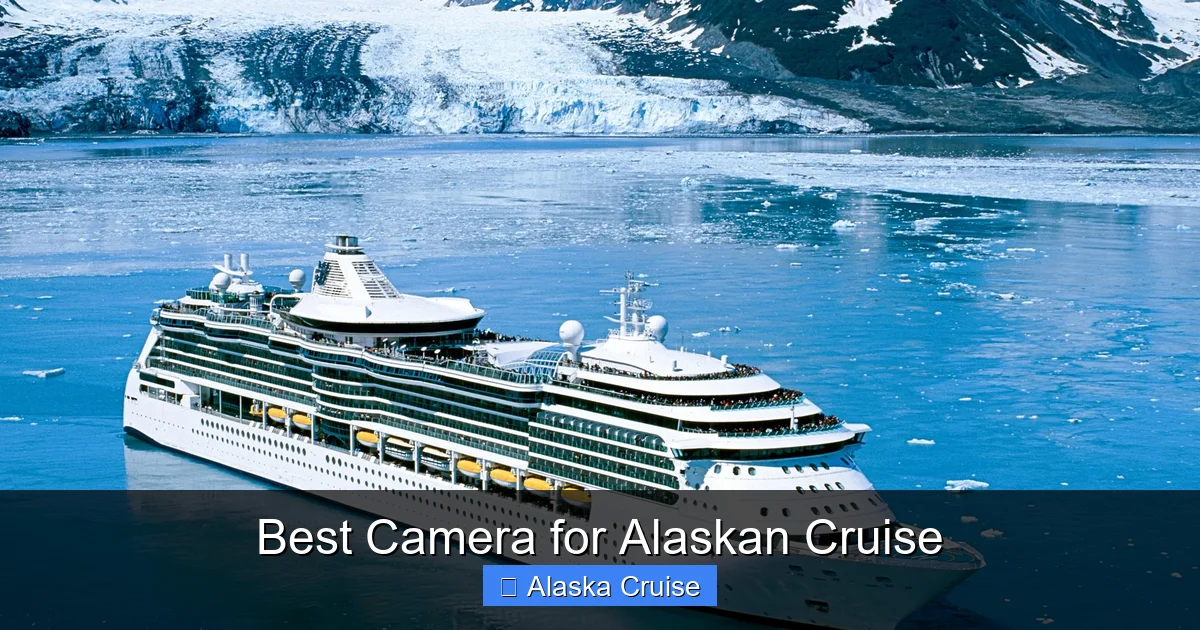
Visual guide about Best Camera for Alaskan Cruise
Image source: s3.amazonaws.com
Photographing Alaska isn’t like snapping pics at the beach or in a city. The environment is wild, unpredictable, and often unforgiving. To get great shots, you need to understand the specific conditions you’ll face—and how your camera can help you overcome them.
Harsh and Changing Weather Conditions
Alaska’s weather can shift in minutes. One moment it’s sunny and calm; the next, you’re in a thick fog or caught in a sudden downpour. Coastal areas, especially around Juneau, Ketchikan, and Sitka, are known for frequent rain and high humidity. Meanwhile, interior regions like Denali can drop below freezing even in summer. Your camera must be able to handle moisture, condensation, and temperature swings without failing.
Look for cameras with weather sealing—a feature that protects internal components from dust, rain, and snow. While no camera is truly “waterproof” unless specifically rated (like some action cams), weather-sealed models offer significant protection. For example, the Olympus OM-D E-M1 Mark III or the Canon EOS R6 Mark II are built to endure tough conditions. If you’re near water—especially on a zodiac or kayak—consider a protective rain cover or a waterproof housing for extra peace of mind.
Low Light and Golden Hour Opportunities
Alaska’s high latitude means long days in summer—sometimes up to 19 hours of daylight—but also rapid changes in light. Mornings and evenings offer the most dramatic lighting, with soft, golden hues that make glaciers glow and forests come alive. However, these times also mean lower light levels, which can challenge cameras with smaller sensors.
A camera with a large sensor (like an APS-C or full-frame) performs better in low light, producing cleaner images with less noise. Full-frame sensors, found in cameras like the Sony Alpha 7 IV, excel in dim conditions. But even smaller sensors can work well if paired with a fast lens (low f-stop number) and good high-ISO performance. Don’t forget to bring a tripod or use a stable surface for long exposures, especially when photographing star trails or twilight landscapes.
Distance to Subjects: Wildlife and Landscapes
One of the biggest challenges on an Alaskan cruise is distance. You might spot a bear fishing along a riverbank a mile away, or a pod of orcas surfacing near the ship but too far for a clear shot. Similarly, glaciers and mountain peaks often appear small in the frame unless you can zoom in significantly.
This is where optical zoom becomes critical. Unlike digital zoom, which just crops and enlarges the image (reducing quality), optical zoom uses the lens to bring the subject closer without losing detail. For wildlife and scenic shots, aim for a camera with at least 30x optical zoom. Bridge cameras like the Nikon Coolpix P1000 (with a staggering 125x zoom) or the Panasonic Lumix FZ300 are excellent choices. They offer DSLR-like zoom in a compact body, perfect for travelers who don’t want to carry multiple lenses.
Motion and Stability on the Water
Cruise ships, especially when navigating narrow fjords or rough seas, can sway and pitch. Add to that the movement of wildlife or the rush of a glacier calving, and you’ve got a recipe for blurry photos. Even the steadiest hands can’t compensate for constant motion.
That’s why image stabilization is non-negotiable. Look for cameras with in-body stabilization (IBIS) or lens-based stabilization (like Canon’s IS or Nikon’s VR). These systems compensate for hand shake and movement, allowing you to shoot at slower shutter speeds without blur. For video, stabilization is even more important—nothing ruins a whale-watching clip like a shaky, jumpy frame.
Top Camera Types for Alaskan Cruises
With so many camera options on the market, it’s easy to feel overwhelmed. But not all cameras are created equal—especially for the unique demands of Alaskan travel. Here’s a breakdown of the best types of cameras for your cruise, along with real-world examples.
Bridge Cameras: The All-in-One Powerhouse
Bridge cameras sit between compact point-and-shoots and full DSLRs. They offer powerful zoom, manual controls, and often weather sealing—all in a single, easy-to-carry body. They’re ideal for travelers who want high performance without the hassle of swapping lenses.
The Nikon Coolpix P1000 is a standout choice. With a 125x optical zoom (equivalent to 24–3000mm), it can capture a bear on a distant shore or the texture of a glacier’s ice wall. It shoots 4K video, has built-in Wi-Fi for easy sharing, and features dual image stabilization. While it’s bulkier than a pocket camera, its versatility makes it worth the extra space in your bag.
Another great option is the Panasonic Lumix FZ300. It has a 24x zoom (25–600mm), shoots 4K video, and is fully weather-sealed. Its smaller size makes it easier to handle on a moving boat, and the constant f/2.8 aperture ensures good low-light performance.
Mirrorless Cameras: Compact Power with Interchangeable Lenses
If you’re willing to carry a bit more gear, mirrorless cameras offer the best balance of image quality, portability, and flexibility. They’re smaller than DSLRs but deliver similar performance, with the added benefit of interchangeable lenses.
The Sony Alpha a6700 is a top pick for travelers. It has an APS-C sensor, 11fps burst shooting, and excellent autofocus that tracks moving subjects like birds or whales. Pair it with a telephoto lens like the Sony 70–350mm, and you’ll have serious zoom power. It’s also lightweight and weather-resistant, making it ideal for long days on deck.
For full-frame quality in a compact body, consider the Canon EOS R8. It’s one of the lightest full-frame mirrorless cameras available, with superb low-light performance and 4K 60p video. While it doesn’t have built-in stabilization, pairing it with a stabilized lens (like the RF 100–400mm) compensates well.
Action Cameras: For Close-Up Adventures
If your cruise includes kayaking, hiking, or zodiac tours, an action camera can be a valuable addition. These small, rugged devices are waterproof, shockproof, and perfect for mounting on helmets, boats, or tripods.
The GoPro Hero 12 Black is the gold standard. It shoots 5.3K video, has HyperSmooth stabilization, and works underwater without a housing. Use it to capture POV footage of paddling through icy waters or hiking to a remote waterfall. Its small size means you can keep it in your pocket and pull it out in seconds.
DSLRs: The Traditional Workhorse
While mirrorless cameras are gaining ground, DSLRs still have a loyal following—and for good reason. They offer excellent battery life, robust build quality, and a wide range of lenses.
The Canon EOS 90D is a solid choice for Alaskan travelers. It has a 32.5MP APS-C sensor, 10fps continuous shooting, and weather sealing. Pair it with a telephoto zoom like the Canon EF 100–400mm, and you’ll be ready for anything from bald eagles to mountain goats.
However, DSLRs are heavier and bulkier than mirrorless options. If you’re already carrying binoculars, a jacket, and snacks, the extra weight might be a drawback. Only choose a DSLR if you’re committed to photography and plan to use it extensively.
Essential Features to Look for in the Best Camera for Alaskan Cruise
Now that you know the types of cameras available, let’s dive into the specific features that will make or break your Alaskan photo experience. These aren’t just nice-to-haves—they’re essentials for capturing the magic of the Last Frontier.
Weather Sealing and Durability
As mentioned earlier, Alaska’s weather is unpredictable. Rain, snow, fog, and salt spray are common, especially near the coast. A camera with weather sealing protects against moisture and dust, giving you confidence to shoot in all conditions.
Look for terms like “dustproof,” “splash-proof,” or “weather-resistant” in the specs. Cameras like the Olympus Tough TG-6 are fully waterproof and shockproof, making them ideal for rugged excursions. For non-waterproof models, consider a rain cover or silicone sleeve.
Optical Zoom Range
Zoom is king in Alaska. You’ll rarely be close enough to wildlife or landscapes to fill the frame without it. A camera with at least 20x optical zoom is recommended, but 30x or more is ideal.
The Nikon P1000’s 125x zoom lets you photograph a whale’s tail from hundreds of yards away. Even at lower zoom levels, a strong optical range ensures you can capture detail without digital cropping, which degrades image quality.
Image and Video Stabilization
Stabilization is crucial for sharp photos and smooth video. In-body stabilization (IBIS) is best, as it works with any lens. Lens-based stabilization is also effective but only works with compatible lenses.
For video, look for cameras with advanced stabilization modes. The Panasonic FZ300’s 5-axis stabilization keeps footage steady even on a rocking boat. The GoPro Hero 12’s HyperSmooth 6.0 is so effective it can make handheld shots look like they were filmed with a gimbal.
Battery Life and Cold Weather Performance
Cold weather drains batteries faster. A camera that lasts all day in warm conditions might die by noon in Alaska. Choose a model with long battery life—or carry spares.
The Canon EOS R8 can shoot up to 220 shots per charge, but in cold weather, that might drop to 100. Bring at least one extra battery and keep it warm in an inner pocket. Some cameras, like the Sony a6700, support USB charging, so you can top up from a power bank.
4K Video and Slow Motion
Video lets you relive your trip in motion. 4K resolution provides stunning clarity, especially when capturing glaciers, waterfalls, or wildlife in action.
Many modern cameras, including the Nikon P1000 and Sony a6700, shoot 4K video. Some even offer slow-motion modes—perfect for capturing the splash of a breaching whale or the crash of waves against ice.
Ease of Use and Portability
You’ll be on the move constantly—on ships, tenders, and trails. A camera that’s too complicated or heavy will stay in your cabin.
Look for intuitive menus, customizable buttons, and a comfortable grip. Bridge cameras like the Panasonic FZ300 are easy to use right out of the box. Mirrorless models often have touchscreens and Wi-Fi for quick sharing.
Top Camera Recommendations for Every Budget
Not everyone wants to spend thousands on a camera. Here are our top picks across different price ranges, all proven to perform well in Alaskan conditions.
Budget-Friendly Pick: Panasonic Lumix FZ300 ($600–$700)
This bridge camera offers incredible value. It’s weather-sealed, has a 24x zoom, shoots 4K video, and features a constant f/2.8 aperture for great low-light shots. It’s lightweight enough for all-day use and delivers image quality that rivals much pricier models.
Mid-Range Favorite: Sony Alpha a6700 ($1,200 with kit lens)
A powerful mirrorless camera with excellent autofocus, 4K video, and a compact body. Pair it with a telephoto lens for wildlife, and you’ve got a versatile setup. Ideal for travelers who want high quality without the bulk of a DSLR.
Premium Choice: Nikon Coolpix P1000 ($1,000)
The ultimate zoom machine. With 125x optical zoom, 4K video, and dual stabilization, it’s perfect for capturing distant subjects. It’s larger than other options, but the results are unmatched.
Adventure Companion: GoPro Hero 12 Black ($400)
Not your primary camera, but a must-have for action shots. Waterproof, durable, and stabilized, it’s perfect for kayaking, hiking, or mounting on a zodiac.
Practical Tips for Getting the Best Shots in Alaska
Even with the best camera, great photos require technique and preparation. Here are some pro tips to help you make the most of your Alaskan adventure.
- Shoot in RAW: RAW files retain more detail and allow for better editing later. Use them when lighting is tricky or you plan to print large photos.
- Use a polarizing filter: This reduces glare on water and enhances sky contrast, making glaciers and oceans pop.
- Shoot during golden hour: The hour after sunrise and before sunset offers the most flattering light for landscapes and wildlife.
- Keep your lens clean: Salt spray and rain can leave spots. Carry a microfiber cloth and lens cleaner.
- Be patient with wildlife: Animals move on their own schedule. Wait quietly and let them come to you—don’t chase them.
- Backup your photos daily: Use a portable hard drive or cloud storage to protect your memories.
Conclusion: Capture Alaska’s Majesty with Confidence
An Alaskan cruise is a once-in-a-lifetime experience, and the right camera ensures you don’t just witness the beauty—you preserve it. Whether you choose a powerful bridge camera, a compact mirrorless model, or a rugged action cam, the best camera for Alaskan cruise photography is one that matches your style, budget, and the conditions you’ll face.
Focus on key features like weather sealing, optical zoom, stabilization, and battery life. Don’t forget the importance of portability and ease of use. With the right gear and a few smart techniques, you’ll return home with photos that do justice to Alaska’s wild, untamed spirit.
So pack your camera, charge your batteries, and get ready to capture the glaciers, wildlife, and landscapes that make Alaska one of the most photogenic places on Earth.
Frequently Asked Questions
What is the best type of camera for an Alaskan cruise?
The best camera for an Alaskan cruise is a weather-sealed bridge or mirrorless camera with strong optical zoom (20x or more) and image stabilization. These features handle Alaska’s rugged conditions and distant subjects like wildlife and glaciers.
Can I use my smartphone to photograph Alaska?
Smartphones are convenient but lack the zoom, low-light performance, and durability needed for Alaskan photography. They’re great for casual shots, but a dedicated camera will deliver far better results.
Do I need a waterproof camera for Alaska?
While not essential, a weather-sealed or waterproof camera is highly recommended. Rain, fog, and salt spray are common, and a sealed camera protects against moisture and dust.
How important is zoom for Alaskan wildlife photography?
Extremely important. Wildlife like bears, whales, and eagles are often far away. A camera with 30x or more optical zoom lets you capture detailed shots without disturbing the animals.
What should I do if my camera battery dies in the cold?
Keep spare batteries warm in an inner pocket. Cold weather drains power quickly, so rotate batteries and use a power bank if your camera supports USB charging.
Is a tripod necessary on an Alaskan cruise?
A tripod isn’t essential but helpful for long exposures, low-light shots, or stable video. A compact travel tripod or mini tripod can fit in your daypack and improve photo quality.