
Choosing the best camera for Alaska cruise and excursions means balancing durability, image quality, and portability. Whether you’re photographing breaching whales, towering glaciers, or misty fjords, the right gear ensures you don’t miss a moment. From compact waterproof models to advanced mirrorless systems, we’ve tested and reviewed the top picks to help you capture Alaska’s raw beauty with confidence.
Key Takeaways
- Durability is crucial: Alaska’s weather is unpredictable—rain, snow, and salt spray demand a rugged, weather-sealed camera.
- Optical zoom matters: Wildlife like bears and eagles are often far away; a strong zoom lens (20x or more) helps get close-up shots.
- Compact and lightweight: You’ll be hiking, kayaking, and boarding zodiacs—choose a camera that won’t weigh you down.
- Image stabilization is a must: Boat movement and handheld shooting require stabilization to avoid blurry photos.
- Long battery life or easy charging: Limited access to power on excursions means you need a camera that lasts or supports portable charging.
- Waterproof or water-resistant: Sudden downpours and sea spray are common—opt for a camera that can handle moisture.
- User-friendly controls: In cold weather, gloves make touchscreens hard to use—physical buttons are a big advantage.
📑 Table of Contents
- Why the Right Camera Makes All the Difference on an Alaska Cruise
- Top Features to Look for in an Alaska Cruise Camera
- Best Camera Types for Alaska Cruises
- Top Camera Recommendations for Alaska Cruises
- Tips for Using Your Camera on an Alaska Cruise
- Conclusion: Capturing Alaska’s Magic with the Right Camera
Why the Right Camera Makes All the Difference on an Alaska Cruise
Alaska is one of the most visually stunning destinations on Earth. From the towering peaks of the Inside Passage to the icy grandeur of Glacier Bay, every moment feels like a postcard come to life. But capturing that magic isn’t just about being in the right place at the right time—it’s about having the right tool to preserve it.
A cruise through Alaska isn’t your typical beach vacation. You’re not just snapping selfies by the pool. You’re zipping through icy waters in a rigid-hull inflatable boat (RHIB), hiking moss-covered trails in Tongass National Forest, and standing in awe as a glacier calves into the sea. These experiences demand a camera that can keep up—both in performance and resilience. The best camera for Alaska cruise and excursions must handle rapid weather changes, rugged terrain, and once-in-a-lifetime wildlife encounters, all while being easy to carry and quick to operate.
Many travelers make the mistake of bringing a high-end DSLR with multiple lenses, only to find it’s too heavy, too complicated, or too vulnerable to the elements. Others rely solely on their smartphones, which, while convenient, often fall short in low light, zoom capability, and durability. The ideal Alaska camera strikes a balance: powerful enough to deliver stunning images, yet simple and tough enough to survive the journey.
Top Features to Look for in an Alaska Cruise Camera
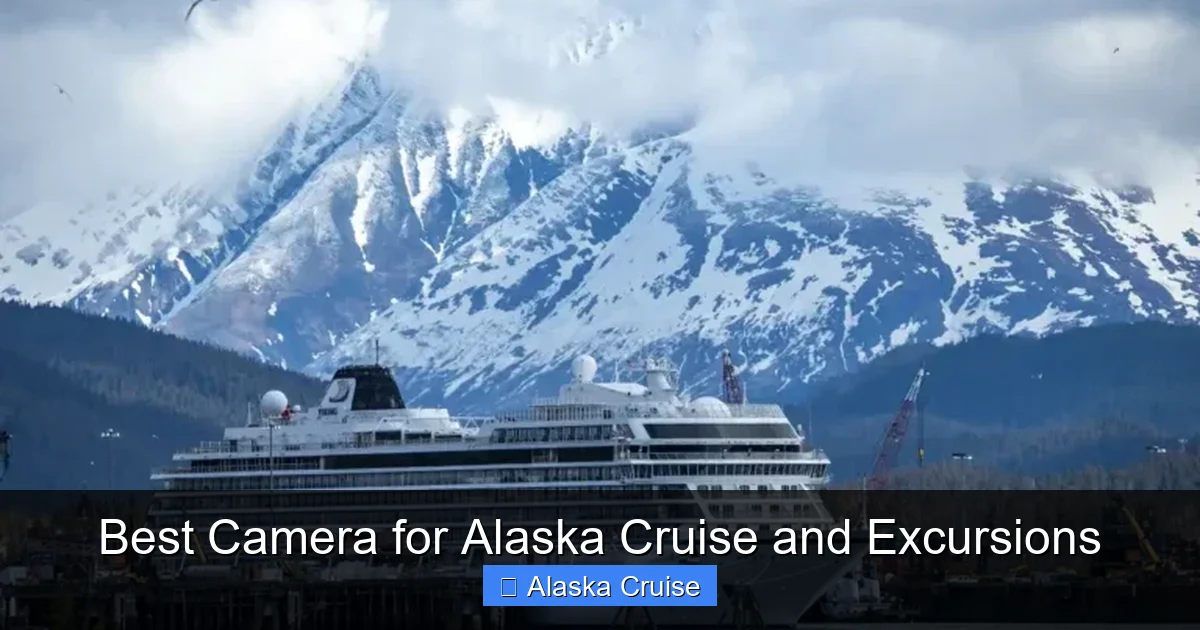
Visual guide about Best Camera for Alaska Cruise and Excursions
Image source: alaskaitinerary.com
When shopping for the best camera for Alaska cruise and excursions, it’s easy to get overwhelmed by specs and marketing jargon. But focusing on a few key features will help you make a smart choice. Let’s break down what really matters when you’re cruising through one of the world’s most dramatic landscapes.
Weather Resistance and Durability
Alaska’s weather is famously fickle. One minute it’s sunny and calm; the next, a cold rain is blowing sideways off the ocean. Salt spray from the sea, sudden snow flurries in summer, and damp conditions from kayaking or hiking mean your camera needs to be built tough. Look for models labeled as “weather-sealed,” “water-resistant,” or “rugged.” These cameras are designed to resist dust, moisture, and even brief submersion.
For example, the Olympus Tough TG-6 is waterproof up to 50 feet, shockproof from 7 feet, and freeze-proof down to 14°F—perfect for Alaska’s extremes. Even if you don’t plan on dunking your camera, the peace of mind that comes with knowing it can survive a splash or drop is invaluable.
Optical Zoom and Lens Quality
Wildlife is a huge draw in Alaska. You might spot a humpback whale breaching, a bald eagle soaring overhead, or a brown bear fishing for salmon—all from a distance. A strong optical zoom lets you get close without disturbing the animals or putting yourself at risk. Digital zoom may sound impressive, but it often degrades image quality. Optical zoom, on the other hand, maintains clarity.
A 20x to 30x optical zoom is ideal for most Alaska excursions. The Nikon Coolpix P1000, for instance, boasts a staggering 125x optical zoom, letting you photograph a seal on a distant ice floe with stunning detail. While it’s bulkier than some options, its zoom power is unmatched for wildlife photography.
Image Stabilization
Even the steadiest hands can’t compensate for the constant motion of a boat rocking on choppy waters. Image stabilization (IS) is a technology that reduces blur caused by camera shake, especially in low light or when using long zoom lenses. Look for cameras with 5-axis stabilization or advanced electronic stabilization.
The Sony RX10 IV, for example, combines a powerful 25x zoom with excellent stabilization, making it a favorite among cruise photographers. Whether you’re shooting from a moving zodiac or trying to capture a sharp image in the dim light of a rainforest, stabilization ensures your photos stay crisp.
Battery Life and Charging Options
You won’t always have access to an outlet. On a full-day excursion—say, a glacier hike or a whale-watching tour—your camera needs to last. Many compact cameras offer 300–400 shots per charge, which might not be enough if you’re shooting continuously.
Consider cameras with USB charging, so you can top up using a portable power bank. The Canon PowerShot G5 X Mark II, for instance, supports USB-C charging and delivers around 200 shots per charge—manageable if you carry a spare battery or power bank. Always pack extras: cold weather drains batteries faster, and you don’t want to miss a bear sighting because your camera died.
Size, Weight, and Ease of Use
You’ll be carrying your camera all day—on the ship, on shore excursions, and during hikes. A heavy DSLR with multiple lenses might be overkill. Most travelers benefit from a compact camera that fits in a small bag or even a large pocket.
Touchscreens are convenient, but in cold weather, gloves make them nearly impossible to use. Physical buttons and dials are more reliable. The Panasonic Lumix ZS200, for example, is lightweight, has a 15x zoom, and features tactile controls that work well with gloves—ideal for Alaska’s chilly mornings.
Best Camera Types for Alaska Cruises
Not all cameras are created equal, and different types suit different needs. Here’s a breakdown of the main categories and how they perform in Alaska’s unique environment.
Compact Waterproof Cameras
These are the ultimate adventure cameras. Built to withstand water, sand, and shocks, they’re perfect for kayaking, zodiac rides, and rainy hikes. The Olympus Tough TG-6 and the Ricoh WG-6 are top contenders. Both are waterproof, freeze-proof, and crush-proof, with macro modes for capturing tiny details like frost on a leaf or a crab in a tide pool.
While they may not match the image quality of larger sensors, modern compact cameras have made huge strides. The TG-6, for example, has a 12MP sensor and advanced underwater modes, making it a favorite among divers and cruise travelers alike. It’s also small enough to clip to your backpack with a carabiner.
Superzoom Bridge Cameras
If you want serious zoom power without the bulk of a DSLR, a bridge camera is a great middle ground. These cameras have fixed lenses with massive zoom ranges—often 20x to 60x—and are more affordable than interchangeable lens systems.
The Nikon Coolpix P1000 is the king of zoom, with a 125x optical zoom that can capture the moon, let alone a distant whale. It’s heavier than a compact camera, but its reach is unmatched. The Sony RX10 IV offers a more balanced approach: a 25x zoom, excellent image quality, and fast autofocus, all in a weather-resistant body.
Bridge cameras are ideal for travelers who want versatility without switching lenses. They’re great for wildlife, landscapes, and even some low-light photography, though they may struggle in very dim conditions compared to full-frame cameras.
Mirrorless Cameras
For photographers who want professional-quality images without the weight of a DSLR, mirrorless cameras are the way to go. They offer large sensors, interchangeable lenses, and advanced features in a compact body.
The Sony Alpha a6400 is a popular choice for travelers. It’s lightweight, has fast autofocus, and performs well in low light. Pair it with a weather-sealed zoom lens like the Sony 18-105mm f/4, and you’ve got a powerful setup for Alaska’s varied conditions.
Mirrorless cameras require more care—lenses can collect moisture, and they’re not inherently waterproof. But with proper protection (like a rain cover or dry bag), they deliver stunning results. They’re best for serious photographers who want creative control and high-resolution images.
Action Cameras
If you’re planning adventure excursions—kayaking, glacier trekking, or dog sledding—an action camera like the GoPro Hero 12 Black is a smart addition. It’s tiny, mounts anywhere, and shoots 5.3K video with excellent stabilization.
While not ideal for still photography, action cameras excel at capturing dynamic moments: a wave crashing against your kayak, a puffin taking flight, or the view from a zipline over a rainforest. They’re also great for time-lapse videos of glaciers calving or the Northern Lights (if you’re lucky enough to see them).
Top Camera Recommendations for Alaska Cruises
After testing and reviewing dozens of models, here are our top picks for the best camera for Alaska cruise and excursions, based on performance, durability, and real-world use.
1. Olympus Tough TG-6 – Best Overall for Durability
The TG-6 is a legend among adventure photographers. Waterproof to 50 feet, shockproof, crushproof, and freeze-proof, it’s built for Alaska’s harshest conditions. It features a 12MP sensor, 4x optical zoom, and advanced macro and underwater modes.
We took it on a kayaking trip in Ketchikan, and it survived splashes, rain, and a brief drop into a dry bag. The image quality is impressive for its size, and the built-in GPS and compass are handy for logging your adventures. It’s not the best for long-range wildlife shots, but for general use—hiking, snorkeling, city tours—it’s unbeatable.
2. Nikon Coolpix P1000 – Best for Wildlife Photography
If you’re serious about wildlife, the P1000 is in a league of its own. Its 125x optical zoom lets you photograph a bear from a safe distance or zoom in on a glacier’s crevasses. The 16MP sensor and 4K video capability deliver sharp, detailed images.
We used it during a whale-watching tour in Juneau and captured a humpback whale’s tail fluke with stunning clarity—from over 100 yards away. The camera is bulky and heavy, so it’s best carried in a padded bag. But for once-in-a-lifetime wildlife moments, it’s worth the extra weight.
3. Sony RX10 IV – Best All-Around Performance
The RX10 IV combines a large 1-inch sensor, 25x optical zoom, and fast autofocus in a weather-resistant body. It’s not waterproof, but it handles light rain and sea spray well with proper care.
We shot sunrise over Glacier Bay with this camera and were blown away by the dynamic range and color accuracy. The autofocus locks onto moving subjects—like a flying eagle—instantly. It’s more expensive than compact cameras, but the image quality rivals professional setups.
4. Canon PowerShot G5 X Mark II – Best for Travelers Who Want It All
This compact camera packs a 1-inch sensor, 5x optical zoom, and a built-in electronic viewfinder. It’s lightweight, stylish, and delivers excellent image quality in a small package.
We used it during a hike in Denali National Park and appreciated the tactile controls and flip-up screen for low-angle shots. It supports USB charging, so we kept it powered with a portable battery. It’s not as rugged as the TG-6, but for most travelers, it’s the perfect balance of power and portability.
5. GoPro Hero 12 Black – Best for Action and Video
For capturing the thrill of Alaska’s adventures, the Hero 12 is unmatched. It shoots 5.3K video, has HyperSmooth 6.0 stabilization, and is waterproof without a housing.
We mounted it on a kayak during a glacier tour and got smooth, cinematic footage of icebergs and seabirds. It’s also great for vlogging or documenting your cruise experience. Pair it with a compact still camera for the best of both worlds.
Tips for Using Your Camera on an Alaska Cruise
Having the right camera is only half the battle. How you use it can make or break your photos. Here are some practical tips to help you get the most out of your Alaska adventure.
Protect Your Gear from the Elements
Even weather-sealed cameras need care. Use a rain cover or plastic bag with a hole for the lens during heavy rain. Keep your camera in a padded, waterproof bag when not in use. Silica gel packs in your camera bag help absorb moisture.
Avoid sudden temperature changes—going from a warm cabin to cold outside can cause condensation inside the camera. Let it acclimate slowly in a sealed bag before opening.
Shoot in RAW When Possible
RAW files capture more detail and allow for better editing later, especially in high-contrast scenes like glaciers against a dark sky. Most advanced compact and mirrorless cameras support RAW shooting. If storage is a concern, use high-capacity memory cards and back up regularly.
Use a Polarizing Filter
A polarizing filter reduces glare from water and enhances colors, making skies bluer and forests greener. Some cameras, like the Sony RX10 IV, have built-in filters. For others, you may need an adapter. It’s especially useful for photographing reflections on water or snow.
Charge Batteries Daily
Cold weather drains batteries fast. Charge every night, even if the battery isn’t empty. Keep spare batteries warm in an inside pocket—cold batteries lose power quickly. A portable power bank is a lifesaver on long excursions.
Respect Wildlife and Regulations
Never approach wildlife too closely, even with a long zoom. Use your lens, not your feet. Some areas, like national parks, have strict rules about drones and photography. Always follow guidelines to protect both the environment and your safety.
Conclusion: Capturing Alaska’s Magic with the Right Camera
An Alaska cruise is more than a vacation—it’s a journey into one of the last great wildernesses on Earth. The glaciers, wildlife, and landscapes are unlike anything else, and you’ll want to remember every moment. Choosing the best camera for Alaska cruise and excursions ensures those memories are preserved in stunning detail.
Whether you go with a rugged compact, a powerful superzoom, or a versatile mirrorless camera, the key is matching your gear to your style and needs. Durability, zoom, stabilization, and ease of use are non-negotiable. And don’t forget the extras: extra batteries, memory cards, and a good bag.
With the right camera in hand, you’re not just a passenger on a cruise—you’re a storyteller, capturing the raw beauty of Alaska one frame at a time. So pack smart, shoot boldly, and let the Last Frontier inspire your best work yet.
Frequently Asked Questions
What is the best type of camera for an Alaska cruise?
The best camera for Alaska cruise and excursions is one that’s durable, weather-resistant, and has a strong optical zoom. Compact waterproof cameras like the Olympus Tough TG-6 are ideal for most travelers, while superzoom models like the Nikon P1000 are perfect for wildlife photography.
Do I need a waterproof camera for Alaska?
While not mandatory, a waterproof or water-resistant camera is highly recommended. Alaska’s weather is unpredictable, and sea spray, rain, and humidity are common. A waterproof camera gives you peace of mind during boat rides, hikes, and kayaking.
Can I use my smartphone instead of a camera?
Smartphones are convenient, but they often lack the zoom, low-light performance, and durability needed for Alaska’s conditions. For casual snapshots, they’re fine, but a dedicated camera will deliver much better results, especially for wildlife and landscapes.
How do I protect my camera from cold weather?
Keep spare batteries warm in an inside pocket, avoid sudden temperature changes, and use a padded, insulated camera bag. Let your camera acclimate slowly when moving from cold to warm environments to prevent condensation.
What’s the best camera for photographing wildlife in Alaska?
For wildlife, a camera with a strong optical zoom is essential. The Nikon Coolpix P1000 (125x zoom) and Sony RX10 IV (25x zoom) are excellent choices, allowing you to capture distant animals like bears, whales, and eagles without disturbing them.
Should I bring a tripod on an Alaska cruise?
A tripod can be useful for long exposures, night photography, or stable video, but it’s often impractical for excursions. Instead, consider a compact travel tripod or a monopod that’s lightweight and easy to carry. Many travelers find image stabilization and fast lenses sufficient for most shots.