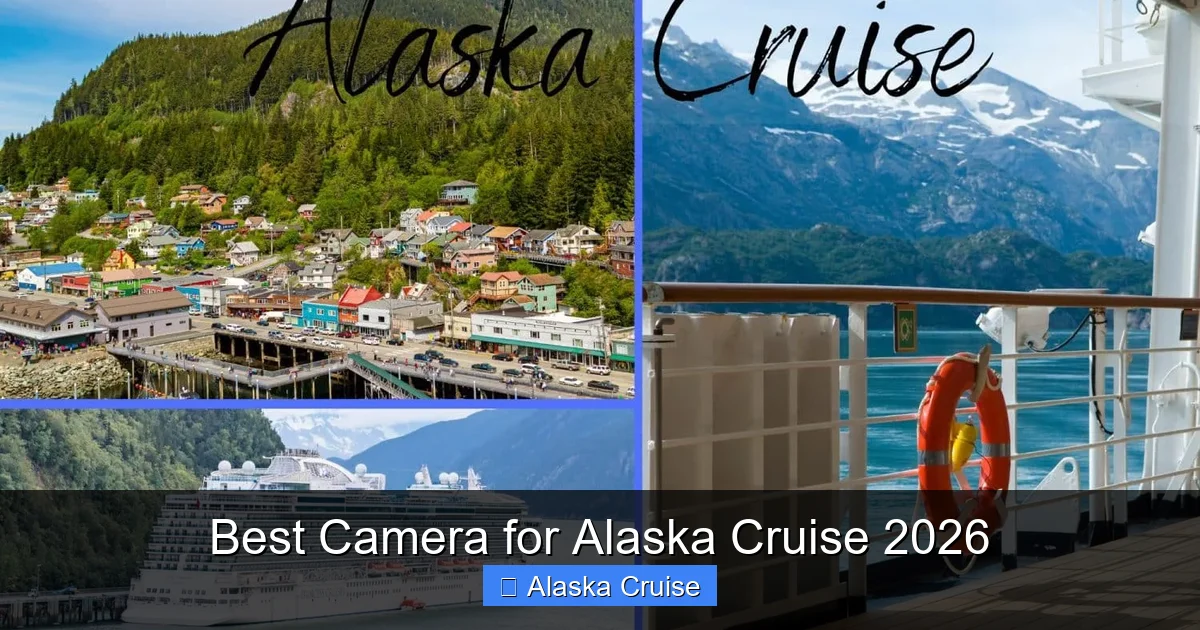
Choosing the best camera for an Alaska cruise in 2026 means balancing durability, zoom power, low-light performance, and portability. Whether you’re photographing breaching whales, towering glaciers, or the Northern Lights, the right gear ensures stunning, shareable memories from your once-in-a-lifetime journey.
Planning an Alaska cruise in 2026? You’re in for one of the most visually stunning travel experiences on Earth. From towering glaciers and snow-capped peaks to breaching humpback whales and curious sea otters, Alaska offers endless photo opportunities. But the rugged environment and unpredictable weather demand more than just a smartphone camera. That’s why choosing the best camera for an Alaska cruise is one of the most important decisions you’ll make before setting sail.
Alaska’s natural beauty is dramatic and fleeting. A pod of orcas might surface for just seconds. A glacier could calve with a thunderous crash, sending icebergs tumbling into the sea. The Northern Lights might dance across the sky on a crisp, clear night. These moments deserve to be captured with clarity, color, and emotion. And while your phone can snap a decent shot, it won’t deliver the zoom, low-light performance, or durability needed for a true Alaska adventure.
This guide will walk you through everything you need to know to pick the perfect camera for your 2026 Alaska cruise. We’ll cover key features, top camera recommendations, and practical tips to help you make the most of your photographic journey. Whether you’re a seasoned photographer or a casual snapper, the right camera will elevate your experience and preserve memories that last a lifetime.
Key Takeaways
- Weather sealing is essential: Alaska’s coastal climate brings rain, mist, and salt spray—choose a camera built to withstand harsh conditions.
- Optical zoom matters more than megapixels: Wildlife and distant landscapes require long reach; a 30x optical zoom or more is ideal.
- Low-light performance is critical: Early mornings, overcast skies, and Northern Lights demand sensors and lenses that excel in dim light.
- Portability enhances experience: A compact, lightweight camera lets you focus on exploration, not lugging heavy gear.
- Image stabilization prevents blur: Boat movement and handheld shooting benefit greatly from in-body or lens-based stabilization.
- Video capabilities add value: 4K video lets you capture dynamic moments like calving glaciers or eagle flights in rich detail.
- Smart connectivity simplifies sharing: Wi-Fi, Bluetooth, and app integration help you quickly transfer photos to your phone for instant sharing.
📑 Table of Contents
Why a Dedicated Camera Beats a Smartphone in Alaska
It’s tempting to rely on your smartphone—after all, it’s always with you, and modern phones take impressive photos. But when it comes to an Alaska cruise, a dedicated camera offers clear advantages that go beyond just image quality.
First, consider zoom. Most smartphones offer digital zoom, which crops and enlarges the image, resulting in pixelated, blurry photos. In contrast, a camera with optical zoom—like a superzoom or DSLR with a telephoto lens—magnifies the subject without losing detail. Imagine trying to photograph a bear fishing along a riverbank from a moving boat. A 30x optical zoom can bring that bear into sharp focus, while your phone would struggle to capture anything usable.
Next, think about low-light performance. Alaska’s long summer days are bright, but early morning excursions, overcast skies, and evening aurora displays happen in dim conditions. Smartphone sensors are small, which limits their ability to gather light. Dedicated cameras, especially those with larger sensors (like APS-C or full-frame), perform far better in low light, producing cleaner, brighter images with less noise.
Durability is another major factor. Alaska’s coastal climate is notoriously wet and humid. Salt spray, sudden rain showers, and condensation from temperature changes can damage electronics. Many dedicated cameras come with weather sealing—a feature rarely found in smartphones. This protection ensures your camera keeps working, even when the weather turns.
Finally, battery life and storage matter. Smartphones drain quickly when using GPS, apps, and the camera. A dedicated camera typically has longer battery life and supports removable memory cards, so you can swap in a fresh one when needed. Plus, you won’t have to worry about running out of space for texts, apps, or music.
Top Features to Look for in a Camera for Alaska
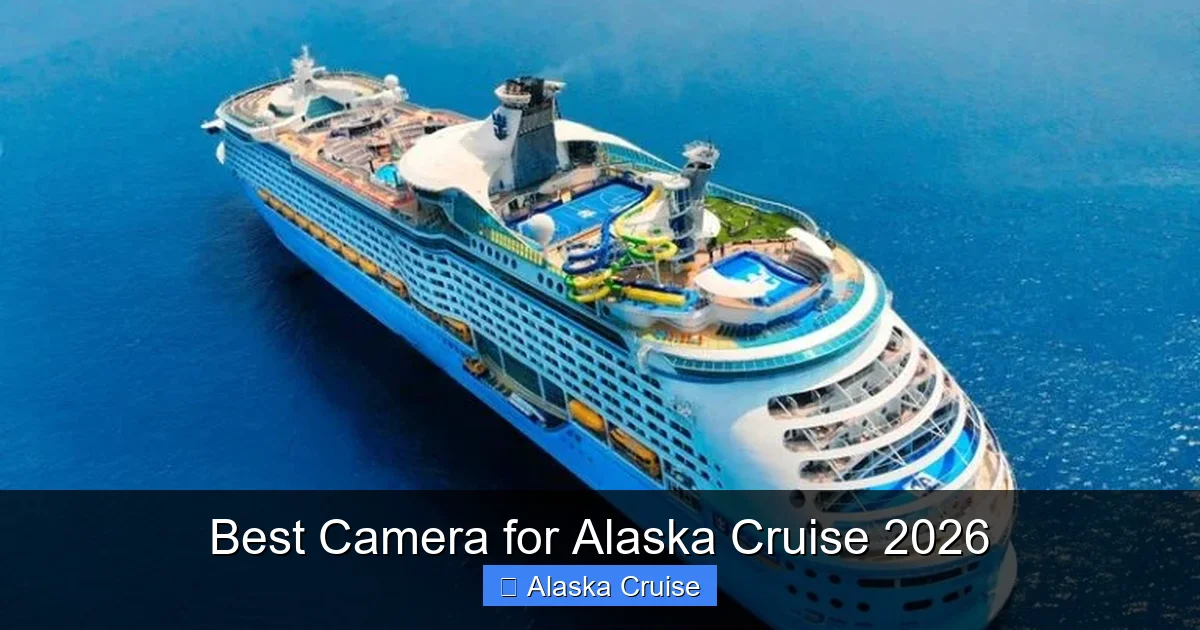
Visual guide about Best Camera for Alaska Cruise 2026
Image source: cruiseindustrynews.com
Not all cameras are created equal—especially when it comes to capturing the wild wonders of Alaska. Here are the key features to prioritize when shopping for the best camera for an Alaska cruise in 2026.
Weather Sealing and Durability
Alaska’s weather is unpredictable. One moment it’s sunny, the next it’s foggy or raining. Coastal cruises often involve mist, sea spray, and high humidity. A weather-sealed camera protects internal components from moisture, dust, and salt corrosion. Look for models rated with IPX or similar protection, or those explicitly labeled as “weather-resistant” or “dustproof.” Brands like Olympus, Panasonic, and Nikon are known for rugged builds.
Optical Zoom Range
Wildlife and landscapes in Alaska are often distant. You won’t be able to get close to a glacier or a moose from your cruise ship. That’s why optical zoom is crucial. Aim for a camera with at least 20x optical zoom, but 30x or more is ideal. Superzoom cameras like the Panasonic Lumix FZ300 II or the Sony RX10 IV offer incredible reach—up to 600mm equivalent—without sacrificing image quality.
Sensor Size and Low-Light Performance
Larger sensors capture more light, resulting in better image quality, especially in dim conditions. While full-frame sensors are best, they’re often found in heavier, more expensive cameras. For most travelers, an APS-C or even a high-quality 1-inch sensor (like in the Sony RX10 series) strikes a great balance between performance and portability. These sensors handle low light well and produce sharp, vibrant photos.
Image Stabilization
Boats move—constantly. Even on calm days, there’s a gentle sway that can blur photos, especially at long zoom lengths. Optical or in-body image stabilization (IBIS) compensates for hand shake and motion, allowing you to shoot at slower shutter speeds without blur. This is a must-have feature for any Alaska cruise camera.
Video Capabilities
Alaska isn’t just about still photos. The dynamic movement of glaciers calving, eagles diving, or whales breaching is best captured in video. Look for 4K video recording at 30fps or higher. Some cameras even offer slow-motion or time-lapse modes, perfect for capturing the Northern Lights or fast-moving wildlife.
Portability and Ease of Use
You’ll be carrying your camera all day, often with other gear like binoculars, snacks, and layers of clothing. A compact, lightweight camera is easier to manage. Mirrorless cameras and advanced point-and-shoots strike a great balance between size and performance. Avoid bulky DSLRs unless you’re a serious photographer willing to carry the weight.
Connectivity and Sharing
After a day of shooting, you’ll want to share your photos with family and friends. Cameras with built-in Wi-Fi, Bluetooth, or NFC allow you to transfer images directly to your smartphone or tablet. Some models even support cloud uploads or remote control via a mobile app—great for group shots or self-portraits.
Top Camera Recommendations for Alaska Cruise 2026
Based on the features above, here are five of the best cameras for an Alaska cruise in 2026—each tailored to different needs and budgets.
Best Overall: Sony RX10 IV
The Sony RX10 IV is a powerhouse in a compact body. It features a 1-inch stacked CMOS sensor, a massive 24–600mm equivalent zoom lens, and lightning-fast autofocus. Its weather-resistant design handles Alaska’s elements, and 4K video with full pixel readout ensures cinematic footage. The built-in electronic viewfinder (EVF) is a lifesaver in bright sunlight, and the tilting touchscreen makes composing shots easy. While it’s on the pricier side, it’s the ultimate all-in-one solution for travelers who want top-tier performance without switching lenses.
Best Superzoom: Panasonic Lumix FZ300 II
If you want maximum zoom without the bulk, the Panasonic FZ300 II is hard to beat. With a 24–600mm lens and constant f/2.8 aperture, it delivers sharp images even in low light. It’s fully weather-sealed, has 4K video, and includes 5-axis image stabilization. The long zoom range is perfect for capturing distant wildlife, and the compact size makes it easy to carry all day. It’s also more affordable than the Sony RX10 IV, making it a great value pick.
Best Budget Option: Canon PowerShot SX70 HS
For travelers on a budget, the Canon SX70 HS offers incredible zoom (21–1365mm equivalent) at a fraction of the cost. It has a 20.3MP sensor, 4K video, and built-in Wi-Fi. While it lacks weather sealing, a protective case or rain cover can help. The flip-out screen is great for vlogging or selfies, and the zoom range is unmatched at this price. It’s ideal for casual photographers who want flexibility without breaking the bank.
Best for Low Light: Fujifilm X-T30 II
If you’re serious about photography and want to capture the Northern Lights or early morning light, the Fujifilm X-T30 II is a stellar choice. It features a 26.1MP APS-C sensor, excellent color reproduction, and superb low-light performance. It’s compact, lightweight, and compatible with a wide range of Fujifilm lenses. Pair it with a fast prime lens (like the XF 23mm f/1.4) for stunning astrophotography. While it requires interchangeable lenses, it’s a favorite among travel photographers for its image quality and retro design.
Best Rugged Option: Olympus Tough TG-7
For adventurers who plan to kayak, hike, or explore tide pools, the Olympus Tough TG-7 is built to survive. It’s waterproof to 50 feet, shockproof from 7 feet, freeze-proof to 14°F, and crushproof up to 220 lbf. It has a 12MP sensor, 4x optical zoom, and 4K video. While the zoom is limited, it’s perfect for underwater shots, close-ups of marine life, or capturing moments in extreme conditions. It’s the ultimate backup camera for rugged Alaska excursions.
Tips for Shooting on an Alaska Cruise
Having the right camera is only half the battle. How you use it makes all the difference. Here are some practical tips to help you capture stunning photos during your 2026 Alaska cruise.
Shoot During Golden Hour
The hour after sunrise and before sunset—known as golden hour—offers soft, warm light that enhances landscapes and reduces harsh shadows. Alaska’s long summer days mean extended golden hours, especially in June and July. Use this time to photograph glaciers, mountains, and wildlife with rich, natural tones.
Use a Polarizing Filter
Water reflections can wash out photos of glaciers, fjords, and wildlife. A polarizing filter reduces glare and enhances color saturation, especially in blue skies and icy surfaces. Many superzoom cameras have built-in filters, or you can attach one to interchangeable lens cameras.
Anticipate Wildlife Behavior
Wildlife doesn’t follow a schedule, but learning common behaviors helps. Whales often surface every 5–10 minutes. Eagles perch near salmon runs. Bears fish at river mouths at dawn. Arrive early, stay quiet, and be patient. Use burst mode to capture action shots.
Protect Your Gear
Even weather-sealed cameras need care. Use a rain cover or plastic bag in heavy rain. Wipe down your camera after exposure to salt spray. Store it in a padded case when not in use. Keep spare batteries warm—cold drains them quickly.
Shoot in RAW
If your camera supports it, shoot in RAW format. Unlike JPEG, RAW files retain more detail and allow greater flexibility in editing—especially useful for adjusting exposure, white balance, and shadows in post-processing.
Respect Wildlife and Guidelines
Always follow park rules and maintain a safe distance from animals. Use zoom instead of approaching. Never feed or disturb wildlife. Your safety and theirs come first.
Accessories That Enhance Your Alaska Photography
A great camera is even better with the right accessories. Here are a few essentials to pack for your 2026 Alaska cruise.
Tripod or Monopod
A lightweight tripod or monopod stabilizes your shots, especially during long exposures or video recording. Look for compact, travel-friendly models like the Joby GorillaPod or Manfrotto PIXI.
Extra Batteries and Memory Cards
Cold weather drains batteries faster. Carry at least two extra batteries and keep them warm in an inside pocket. Bring multiple high-capacity memory cards (64GB or 128GB) to avoid running out of space.
Lens Cleaning Kit
Salt, moisture, and fingerprints can ruin photos. Pack a microfiber cloth, lens pen, and air blower to keep your lens clean.
Camera Bag or Backpack
A padded, weather-resistant bag protects your gear and makes it easy to carry. Look for one with adjustable compartments and quick access to your camera.
Binoculars with Camera Mount
Some binoculars allow you to attach your smartphone or camera for digiscoping—capturing distant wildlife with your phone. It’s a fun, low-cost way to extend your reach.
Conclusion
An Alaska cruise in 2026 promises unforgettable sights—majestic glaciers, playful whales, rugged coastlines, and the ethereal glow of the Northern Lights. To truly capture these moments, you need more than luck and a good eye. You need the best camera for an Alaska cruise: one that’s durable, powerful, and easy to use.
From weather-sealed superzooms to compact mirrorless cameras, the right gear ensures you don’t miss a single detail. Prioritize optical zoom, low-light performance, and image stabilization. Choose a model that fits your budget and travel style. And don’t forget the accessories—extra batteries, a tripod, and a protective case can make all the difference.
Whether you’re a seasoned photographer or a first-time cruiser, investing in a quality camera will elevate your Alaska experience. You’ll return home not just with memories, but with stunning images that tell the story of your adventure. So pack your bags, charge your batteries, and get ready to capture the wild beauty of Alaska like never before.
Frequently Asked Questions
Do I really need a dedicated camera for an Alaska cruise?
While smartphones are convenient, they lack the zoom, low-light performance, and durability needed for Alaska’s rugged conditions. A dedicated camera ensures sharper, more detailed photos of distant wildlife and dramatic landscapes.
Can I use my camera in rainy or snowy conditions?
Yes, if it’s weather-sealed. Look for cameras labeled as water-resistant or dustproof. Even then, use a rain cover or plastic bag in heavy rain to protect your gear.
What’s the best time of day to take photos in Alaska?
Golden hour—just after sunrise and before sunset—offers the most flattering light. Overcast days also work well, as soft, diffused light reduces harsh shadows.
How do I photograph the Northern Lights?
Use a camera with manual mode, a tripod, and a fast lens. Set a high ISO (1600–3200), wide aperture (f/2.8 or lower), and long exposure (10–30 seconds). Shoot in RAW for best results.
Should I bring a tripod on my cruise?
Yes, especially for low-light shots, video, or Northern Lights photography. A compact, lightweight tripod is easy to pack and greatly improves image stability.
Can I charge my camera on the cruise ship?
Absolutely. Most cabins have standard electrical outlets. Bring a universal adapter if needed, and consider a portable power bank for excursions.