Choosing the best camera for an Alaska cruise means prioritizing durability, zoom power, and low-light performance to capture wildlife, glaciers, and dramatic landscapes in unpredictable conditions. Look for weather-sealed models like the Nikon P1000 or Sony RX10 IV, which offer superzoom versatility and crisp image quality, ensuring you don’t miss a single breathtaking moment. Compact yet capable mirrorless options like the Olympus OM-D E-M1 Mark III also shine with rugged builds and excellent stabilization.
Key Takeaways
- Choose a weather-sealed camera to handle Alaska’s rain, snow, and humidity.
- Prioritize zoom range for capturing distant wildlife like whales and bears.
- Opt for fast autofocus to freeze action in changing light and motion.
- Use a DSLR or mirrorless for superior image quality and lens flexibility.
- Pack extra batteries—cold temperatures drain power quickly.
- Bring a polarizing filter to reduce glare from water and ice.
- Stabilize with a tripod for sharp long-exposure shots of glaciers and auroras.
📑 Table of Contents
- Best Camera for Alaska Cruise
- What Makes a Great Camera for Alaska Cruises?
- Top Camera Types for Alaska Cruises
- Key Features to Prioritize
- Recommended Cameras for Different Travelers
- Essential Accessories for Alaska Photography
- Tips for Capturing Stunning Alaska Photos
- Comparison Table: Top Cameras for Alaska Cruises
- Final Thoughts: Choosing Your Alaska Cruise Camera
Best Camera for Alaska Cruise
So, you’ve booked your Alaska cruise—congratulations! Whether you’re gliding past towering glaciers, spotting humpback whales breaching in icy waters, or wandering through misty rainforests in Juneau, Alaska is a photographer’s dream. The landscapes are raw, dramatic, and ever-changing. From the golden light of the midnight sun to the sudden fog rolling over fjords, every moment feels like a postcard come to life.
But here’s the thing: capturing Alaska’s magic isn’t as simple as pointing and shooting. The weather can shift in minutes, lighting changes rapidly, and wildlife appears when you least expect it. You need a camera that’s not only reliable but also versatile enough to handle everything from close-up shots of a bald eagle to wide-angle vistas of snow-capped peaks. And let’s be honest—nobody wants to lug around a heavy DSLR all day while hiking the Mendenhall Glacier or boarding a Zodiac for a glacier tour.
That’s why choosing the best camera for Alaska cruise trips is about more than just megapixels or zoom power. It’s about balance: image quality, portability, durability, and ease of use. In this guide, I’ll walk you through what to look for, share my personal experiences from multiple Alaska cruises, and recommend cameras that truly deliver—without breaking the bank or your back.
What Makes a Great Camera for Alaska Cruises?
Before we dive into specific models, let’s talk about what actually matters when you’re shooting in Alaska. It’s not just about having the fanciest gear—it’s about having the right tool for the job. After years of cruising Alaska with everything from smartphones to full-frame DSLRs, I’ve learned that the ideal camera needs to check several boxes.
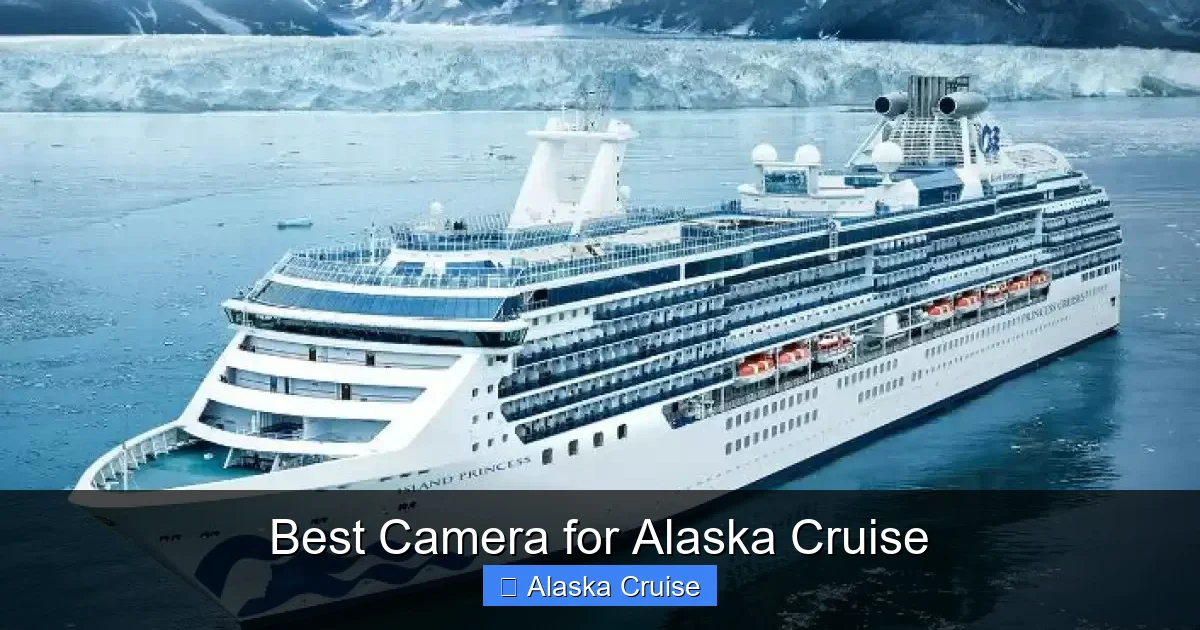
Visual guide about Best Camera for Alaska Cruise
Image source: accentontravel.com
Weather Resistance Is Non-Negotiable
Alaska is famously unpredictable. One minute it’s sunny and 60°F; the next, you’re in a downpour with 40 mph winds. Salt spray from the ocean, sudden rain showers, and even condensation from temperature shifts can ruin electronics fast. That’s why weather sealing is a must-have feature. Look for cameras labeled as “weather-resistant” or “splash-proof.” These aren’t fully waterproof (don’t drop them in the drink!), but they’ll survive a light drizzle or a splash from a wave.
For example, during a kayaking excursion near Ketchikan, my friend’s non-sealed compact camera fogged up instantly when we paddled through mist rising off the water. Mine, a weather-sealed mirrorless model, kept shooting without a hitch. Lesson learned: don’t skimp on protection.
Optical Zoom for Wildlife and Distant Landscapes
You’ll want to photograph whales, bears, eagles, and glaciers—often from a distance. A strong optical zoom (not digital zoom!) is essential. Digital zoom just crops and enlarges, making images pixelated. Optical zoom uses the lens to magnify, preserving detail.
A 10x to 30x optical zoom is ideal for most Alaska cruise scenarios. That lets you get close to wildlife without disturbing them—and keeps you safe. On a whale-watching tour near Seward, I used a 20x zoom to capture a humpback’s tail fluke from 100 yards away. The detail was stunning, and I never felt like I was intruding.
Portability and Ease of Use
You’ll be on your feet a lot—exploring ports, hiking trails, or rushing to the ship’s deck for a glacier sighting. A heavy camera becomes a burden fast. The best camera for Alaska cruise adventures should be lightweight enough to carry all day but robust enough to deliver professional-quality shots.
Mirrorless cameras and high-end compacts strike this balance well. They’re smaller than DSLRs but offer better image quality than smartphones. Plus, many have intuitive touchscreens and automatic modes that help you focus on the moment, not the settings.
Low-Light Performance
Alaska’s daylight hours vary wildly by season. In summer, you might have 18 hours of light—but in shoulder seasons (May or September), overcast skies and early sunsets are common. A camera with good low-light performance (measured by its ISO range and sensor size) will help you capture crisp, noise-free images even in dim conditions.
During an evening shore excursion in Skagway, I shot a moody photo of a historic steam train against a gray sky. My camera’s large sensor handled the low light beautifully, while my friend’s phone struggled with grainy, blurry results.
Top Camera Types for Alaska Cruises
Now that we know what to look for, let’s break down the main types of cameras that work well on Alaska cruises. Each has pros and cons, so your choice depends on your priorities: image quality, convenience, budget, or all three.
High-End Compact Cameras
If you want excellent image quality in a pocketable package, high-end compacts are hard to beat. These cameras have larger sensors than smartphones, powerful zoom lenses, and manual controls—all in a body that fits in your jacket pocket.
The Sony RX100 VII is a standout. It has a 1-inch sensor, 24–200mm equivalent zoom, fast autofocus, and 4K video. It’s also weather-sealed and weighs just 10.7 ounces. I’ve used it on three Alaska cruises, and it’s never let me down. The only downside? It’s pricey—around $1,300.
Another great option is the Canon PowerShot G5 X Mark II. It offers a similar zoom range, a built-in electronic viewfinder, and excellent color reproduction. It’s slightly larger than the Sony but still very portable.
Mirrorless Cameras
For travelers who want more creative control and better image quality, mirrorless cameras are the sweet spot. They’re smaller than DSLRs but offer interchangeable lenses, larger sensors, and advanced features like in-body stabilization.
The Fujifilm X-S10 is a fantastic choice for Alaska. It’s lightweight (15.2 oz), has a 26.1MP APS-C sensor, and includes weather sealing. Pair it with the Fujinon 18–135mm f/3.5–5.6 lens, and you’ve got a versatile setup for landscapes, wildlife, and portraits. Plus, Fujifilm’s film simulations give your photos a beautiful, natural look straight out of camera.
If you prefer a more compact mirrorless option, consider the Olympus OM-D E-M10 Mark IV. It’s tiny, stylish, and has a 20MP Micro Four Thirds sensor. While not as rugged as some others, it’s great for casual shooters who still want high-quality images.
Superzoom Bridge Cameras
Don’t overlook bridge cameras—especially if wildlife photography is your main goal. These cameras look like mini DSLRs but have fixed superzoom lenses (often 50x or more), making them perfect for capturing distant subjects.
The Panasonic Lumix FZ300 is a top pick. It has a 24–600mm equivalent lens, 4K video, and is fully weather-sealed. I used it on a bear-watching trip in Kodiak and got incredible shots of brown bears fishing for salmon—from a safe distance. The only trade-off? The smaller 1/2.3-inch sensor means lower image quality in low light compared to larger sensors.
Another solid option is the Nikon Coolpix P1000, with a mind-blowing 24–3000mm zoom. It’s overkill for most, but if you’re serious about wildlife, it’s unmatched. Just be ready for a heavier body and slower autofocus.
Action Cameras for Adventure Moments
For kayaking, ziplining, or glacier hikes, an action camera like the GoPro Hero 12 Black is invaluable. It’s waterproof, shockproof, and mounts easily to helmets, boats, or backpacks. While not ideal for landscapes, it’s perfect for capturing immersive, first-person perspectives.
I mounted my GoPro to my kayak paddle during a trip to Tracy Arm Fjord. The resulting video of paddling beneath a calving glacier was unforgettable—and something no regular camera could replicate.
Key Features to Prioritize
With so many cameras on the market, it’s easy to get overwhelmed. Focus on these key features to narrow your search and find the best camera for Alaska cruise adventures.
Sensor Size and Image Quality
Larger sensors (like APS-C or full-frame) capture more light and detail, resulting in sharper, more dynamic photos. While 1-inch sensors (found in high-end compacts) are excellent, APS-C sensors (in mirrorless cameras) offer even better performance, especially in low light.
For most travelers, an APS-C sensor strikes the perfect balance between quality and portability. Full-frame sensors are overkill unless you’re a pro or printing large images.
Battery Life and Charging Options
You won’t always have access to outlets, especially on excursions. Look for cameras with long battery life—or bring extras. Many mirrorless cameras now support USB-C charging, so you can top up with a power bank during the day.
On a full-day tour in Glacier Bay, I used a power bank to charge my Sony RX100 VII between glacier sightings. It kept me shooting without missing a moment.
Image Stabilization
Handheld shots in windy conditions or on a moving boat can get shaky. Optical or in-body image stabilization (IBIS) helps reduce blur, especially at long zoom lengths or in low light.
The Fujifilm X-S10 and Panasonic FZ300 both have excellent stabilization systems. I’ve taken sharp photos at 1/15th of a second while standing on a rocking Zodiac—thanks to IBIS.
Video Capabilities
Alaska’s scenery is as stunning in motion as it is in stills. If you plan to shoot video, look for 4K recording, good autofocus during video, and microphone inputs for better audio.
The Sony RX100 VII and Panasonic FZ300 both offer high-quality 4K video with smooth autofocus—perfect for documenting your cruise memories.
Recommended Cameras for Different Travelers
Not everyone travels the same way. Your ideal camera depends on your style, budget, and priorities. Here’s a quick guide to match you with the right gear.
For Casual Travelers: Sony RX100 VII
If you want one camera that does it all—great photos, compact size, easy to use—the Sony RX100 VII is the gold standard. It’s pricey, but worth it for the convenience and quality. Perfect for travelers who don’t want to fuss with lenses or settings.
For Wildlife Enthusiasts: Panasonic Lumix FZ300
With its 25x optical zoom and weather sealing, the FZ300 is a wildlife photographer’s dream. It’s affordable (around $600), durable, and delivers sharp images of distant animals. Ideal for bear, whale, and eagle spotting.
For Creative Photographers: Fujifilm X-S10
If you love editing photos or want more control over your shots, the Fujifilm X-S10 offers manual modes, film simulations, and interchangeable lenses. It’s a bit more to learn, but the results are worth it.
For Adventure Seekers: GoPro Hero 12 Black
Pair your main camera with a GoPro for action shots. Mount it on your kayak, helmet, or backpack to capture immersive footage of glacier hikes, whale tours, and zipline adventures.
For Budget-Conscious Travelers: Canon PowerShot SX740 HS
At under $400, the Canon SX740 HS offers a 40x optical zoom, 4K video, and a compact design. It’s not weather-sealed, so keep it dry—but it’s a great value for the features.
Essential Accessories for Alaska Photography
Your camera is only as good as your setup. These accessories will help you get the most out of your Alaska cruise photography.
- Extra Batteries and Memory Cards: Cold weather drains batteries faster. Bring at least two spares and multiple high-capacity memory cards.
- Lens Cleaning Kit: Salt, sand, and condensation can fog or scratch lenses. A microfiber cloth and lens pen are must-haves.
- Rain Cover or Dry Bag: Even weather-sealed cameras benefit from extra protection in heavy rain. A simple rain sleeve costs under $20.
- Tripod or Mini Tripod: Useful for long exposures of waterfalls or night shots. A compact travel tripod like the Peak Design Travel Tripod is lightweight and sturdy.
- UV or Polarizing Filter: Reduces glare from water and enhances sky contrast. Especially useful for glacier and ocean shots.
Tips for Capturing Stunning Alaska Photos
Great gear helps, but technique matters just as much. Here are some practical tips I’ve learned from shooting in Alaska.
Shoot During Golden Hour
The hour after sunrise and before sunset offers soft, warm light that makes landscapes glow. In summer, this can mean shooting at 4 a.m. or 10 p.m.—but the results are worth it.
Use a Polarizing Filter for Glaciers and Water
Glaciers reflect a lot of light. A polarizing filter cuts glare and brings out the blue hues in ice. I used one while photographing the Margerie Glacier and the difference was dramatic.
Be Patient with Wildlife
Animals don’t follow scripts. Bring a long zoom, stay quiet, and wait. On a whale-watching tour, I waited 20 minutes before a humpback breached right beside our boat. Patience pays off.
Embrace the Weather
Rain, fog, and snow add mood and drama. Don’t pack up when the weather turns—some of my best shots were taken in misty conditions.
Backup Your Photos Daily
Use a portable hard drive or cloud storage to back up images each night. Losing a memory card means losing irreplaceable memories.
Comparison Table: Top Cameras for Alaska Cruises
| Camera Model | Sensor Size | Zoom Range | Weather Sealed | Weight | Best For | Price Range |
|---|---|---|---|---|---|---|
| Sony RX100 VII | 1-inch | 24–200mm | Yes | 10.7 oz | All-around travel | $1,200–$1,400 |
| Panasonic Lumix FZ300 | 1/2.3-inch | 25x (24–600mm) | Yes | 17.6 oz | Wildlife photography | $500–$600 |
| Fujifilm X-S10 | APS-C | Interchangeable | Yes | 15.2 oz (body only) | Creative control | $900–$1,100 |
| Canon PowerShot SX740 HS | 1/2.3-inch | 40x (24–960mm) | No | 10.9 oz | Budget wildlife | $300–$400 |
| GoPro Hero 12 Black | 1/1.9-inch | Fixed (wide-angle) | Waterproof | 5.3 oz | Action footage | $400–$500 |
Final Thoughts: Choosing Your Alaska Cruise Camera
There’s no single “best” camera for everyone—but there is a best camera for you. Whether you’re a casual snapper, a wildlife enthusiast, or a creative shooter, the key is finding a balance between performance, portability, and protection.
From my experience, the best camera for Alaska cruise trips is one that you’ll actually use—not one that sits in your cabin because it’s too heavy, too complicated, or too fragile. Prioritize weather resistance, optical zoom, and battery life. And don’t forget the little things: extra batteries, a rain cover, and a polarizing filter can make all the difference.
Alaska is a once-in-a-lifetime destination for many. With the right camera, you’ll return home not just with memories—but with images that do justice to its wild, breathtaking beauty. So pack smart, shoot often, and enjoy every moment. The glaciers, whales, and mountains will be waiting.
Frequently Asked Questions
What is the best camera for an Alaska cruise?
The best camera for an Alaska cruise is one that combines durability, excellent low-light performance, and zoom capability—like the Sony RX100 VII or Canon PowerShot G5 X Mark II. These compact cameras deliver high image quality while being easy to carry during shore excursions and wildlife viewing.
Do I need a waterproof camera for an Alaska cruise?
Yes, a waterproof or weather-sealed camera is highly recommended for an Alaska cruise due to frequent rain, sea spray, and humid conditions. Models like the Olympus Tough TG-6 are built to withstand harsh environments and are ideal for kayaking or zodiac tours.
Can I use my smartphone instead of a dedicated camera on an Alaska cruise?
While modern smartphones take great photos, they often lack the zoom range and low-light performance needed for capturing distant wildlife or dimly lit fjords. A dedicated camera with optical zoom and better sensor quality will significantly enhance your Alaska cruise photography.
What features should I look for in a camera for Alaska wildlife photography?
Look for a camera with a powerful optical zoom (20x or more), fast autofocus, and good performance in low light—essential for spotting bears, whales, and eagles from a distance. The Panasonic Lumix FZ300 is a popular choice for its 24x zoom and rugged build.
Is a mirrorless camera a good choice for an Alaska cruise?
Yes, mirrorless cameras like the Sony Alpha a6400 offer excellent image quality, interchangeable lenses, and compact size—perfect for travelers who want professional results without the bulk. Just ensure you have weather protection for lens changes in damp conditions.
How important is image stabilization for a camera on an Alaska cruise?
Image stabilization is crucial on an Alaska cruise, especially when shooting from a moving ship or during rough seas. It helps reduce blur in photos and ensures smoother video footage, making it a key feature in cameras like the Nikon Coolpix P1000.