
Choosing the best cabin location Alaska cruise can make or break your experience. From panoramic ocean views to quiet retreats away from crowds, the right stateroom ensures comfort, convenience, and unforgettable moments. Whether you’re sailing through glaciers or spotting wildlife, your cabin is your home base—so pick wisely.
Planning an Alaska cruise is exciting—majestic glaciers, towering mountains, playful whales, and rugged coastlines await. But before you book that dream voyage, there’s one crucial decision that often gets overlooked: choosing the best cabin location Alaska cruise. Your stateroom isn’t just a place to sleep—it’s your sanctuary, your observation deck, and your retreat after long days of exploring. Whether you’re a first-time cruiser or a seasoned sailor, picking the right cabin can dramatically enhance your experience.
Alaska’s dramatic scenery unfolds slowly and majestically. Unlike tropical cruises where the ocean stretches endlessly, here the landscape changes with every mile. Glaciers calve into icy waters, bald eagles soar above fjords, and humpback whales breach just off the ship’s bow. To fully appreciate these wonders, your cabin’s location matters. A well-placed stateroom can offer front-row views of Hubbard Glacier, a quiet haven during crowded port days, or easy access to dining and entertainment. On the flip side, a poorly chosen cabin might mean constant noise, limited views, or feeling like you’re rocking in a hammock during rough seas.
So how do you find the sweet spot? It’s not just about balcony versus inside or forward versus aft. It’s about understanding how the ship moves, where the best views are, and how your daily routine will play out. In this guide, we’ll walk you through everything you need to know to choose the best cabin location Alaska cruise—ensuring you get the most out of every nautical mile.
Key Takeaways
- Midship cabins offer the smoothest ride: Located near the ship’s center of gravity, these rooms experience less motion, making them ideal for those prone to seasickness.
- Higher decks provide better views: Cabins on upper decks (especially 8 and above) offer unobstructed sightlines of glaciers, fjords, and wildlife—perfect for photographers and nature lovers.
- Forward cabins face the action: Front-facing staterooms give you a front-row seat to scenic passages like Glacier Bay, but may feel more motion due to the ship’s bow.
- Aft cabins deliver stunning sunsets: Overlooking the wake, these rooms offer breathtaking evening views and are often quieter, though they can be noisier near the engine.
- Balcony cabins enhance the Alaska experience: A private outdoor space lets you enjoy crisp mountain air, whale sightings, and glacier views without leaving your room.
- Avoid high-traffic areas: Steer clear of cabins near elevators, stairwells, or nightclubs to minimize noise and foot traffic.
- Inside cabins can be a smart budget choice: If you plan to spend most of your time exploring ports and on deck, a windowless room saves money for excursions.
📑 Table of Contents
Understanding Cruise Ship Layout and Cabin Categories
Before diving into specific locations, it helps to understand how cruise ships are structured and what types of cabins are available. Most Alaska cruise ships—whether operated by Holland America, Princess, Norwegian, or Royal Caribbean—follow a similar layout. The ship is divided into decks (floors), with cabins arranged along the sides and sometimes in the center. Each deck has a unique character, and knowing the basics can help you make an informed choice.
Cruise ships typically have three main cabin categories: inside, oceanview, and balcony (also called verandah). Inside cabins have no windows and are the most affordable. Oceanview cabins feature a window or porthole, offering natural light and a glimpse of the outside world. Balcony cabins include a private outdoor space, which is especially valuable in Alaska’s cool, fresh air. Suites are the most luxurious, often with extra space, premium amenities, and prime locations.
Deck placement also plays a role. Lower decks (like decks 2–4) are closer to the waterline and may feel more stable, but views are limited. Mid-level decks (5–7) often house midship cabins and are popular for their balance of views and stability. Upper decks (8 and above) offer panoramic vistas but may experience more motion in rough seas.
When choosing the best cabin location Alaska cruise, consider how you’ll use your room. If you plan to relax on your balcony with a cup of coffee while watching glaciers drift by, a higher deck with a balcony is ideal. If you’re mostly out exploring and just need a quiet place to sleep, a midship inside cabin might suffice. Understanding these basics sets the foundation for smarter cabin selection.
How Ship Movement Affects Cabin Choice
One of the most overlooked factors in cabin selection is how the ship moves—and how that motion affects different parts of the vessel. Cruise ships are designed to minimize sway, but no vessel is immune to the ocean’s rhythms. In Alaska, where weather can shift quickly and seas occasionally get choppy, cabin location can influence your comfort.
The ship’s center of gravity is near the midship area, which means cabins located here experience the least amount of motion. These are often considered the “sweet spot” for passengers prone to seasickness. Forward cabins (at the front of the ship) tend to rise and fall more with the waves, which can feel dramatic during rough passages. Aft cabins (at the back) may experience a slight rolling motion due to the engine’s vibration and the ship’s wake.
For example, if you’re sailing through the Inside Passage and hit a patch of rough water, a forward cabin on deck 10 might feel like you’re on a rollercoaster, while a midship cabin on deck 6 remains relatively calm. This doesn’t mean forward cabins are bad—many travelers love the sense of adventure and the unobstructed views. But if you’re sensitive to motion, midship is your best bet.
Another consideration is noise. Aft cabins, while offering stunning sunset views, are often closest to the engine room and propellers. This can mean more vibration and low-frequency noise, especially at night. Forward cabins may be near anchor mechanisms or bow thrusters, which can be noisy during docking. Midship cabins, especially those away from elevators and stairwells, tend to be the quietest.
Ultimately, understanding ship movement helps you align your cabin choice with your comfort preferences. If you’re a light sleeper or prone to motion sickness, prioritize midship and mid-level decks. If you’re an early riser who loves watching the ship cut through the water, a forward balcony might be worth the extra motion.
Best Cabin Locations for Scenic Views
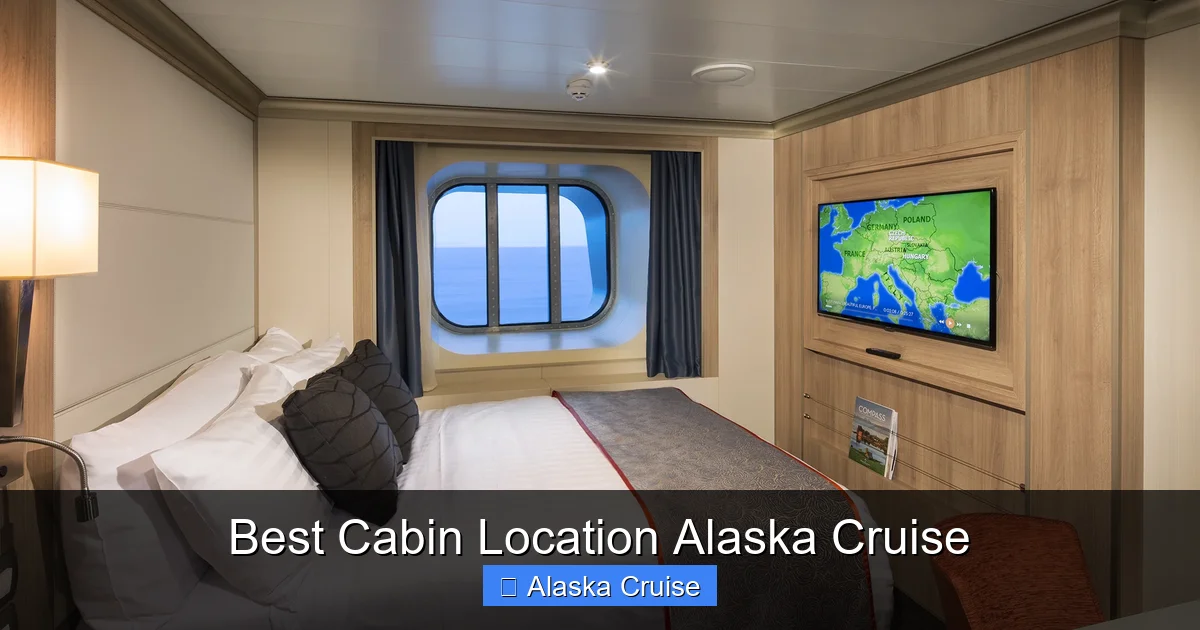
Visual guide about Best Cabin Location Alaska Cruise
Image source: cruise.blog
Alaska is all about the views—so why not wake up to a glacier every morning? When it comes to scenic vistas, not all cabins are created equal. Some locations offer front-row seats to nature’s greatest show, while others might leave you craning your neck or missing the action entirely.
The best cabin location Alaska cruise for views depends on what you want to see. If you’re eager to witness glaciers calving, whales breaching, or eagles nesting, you’ll want a room with a clear line of sight to the horizon. This typically means higher decks and unobstructed windows or balconies.
Forward-facing cabins are particularly popular for glacier viewing. As the ship approaches places like Glacier Bay or Hubbard Glacier, the bow offers the first and best views. Imagine sipping your morning coffee while watching icebergs float past your balcony—it’s a magical experience. However, keep in mind that forward cabins may experience more motion, so balance your desire for views with comfort.
Aft cabins, on the other hand, offer a different kind of beauty. While you won’t see the glacier first, you’ll get stunning views of the ship’s wake cutting through pristine waters, often with mountains rising on either side. These cabins are especially lovely at sunset, when the sky paints the sky in hues of orange and pink. Plus, aft balconies tend to be quieter, making them ideal for evening relaxation.
Side-facing cabins (port or starboard) can also offer excellent views, depending on the ship’s route. In narrow fjords like Tracy Arm or Misty Fjords, the ship often sails close to the cliffs, giving passengers on one side a close-up view of waterfalls, wildlife, and towering rock faces. If you know your ship’s itinerary, you can often determine which side will have the best views on specific days.
For the ultimate scenic experience, consider a cabin with a private balcony. There’s nothing quite like stepping outside in your pajamas to feel the crisp Alaskan air and hear the silence of a remote fjord. Balcony cabins on higher decks (8–12) are especially prized, as they offer elevated perspectives and less obstruction from lifeboats or deck furniture.
Pro tip: Use a ship deck plan tool (available on most cruise line websites) to preview your cabin’s exact location. Look for rooms that aren’t blocked by lifeboats, overhangs, or other structures. A “guarantee” cabin (where the cruise line assigns your room) might save money, but you lose control over view quality.
Balcony vs. Oceanview vs. Inside: Which Is Right for You?
One of the biggest decisions when booking an Alaska cruise is choosing your cabin type. Balcony, oceanview, or inside—each has its pros and cons, and the best choice depends on your priorities, budget, and travel style.
Balcony cabins are the gold standard for Alaska cruising. With a private outdoor space, you can enjoy the fresh mountain air, listen to the sounds of nature, and take in panoramic views without fighting for space on crowded decks. Imagine watching a pod of orcas swim alongside the ship from the comfort of your own chair—it’s an experience that justifies the higher price for many travelers. Balconies also offer privacy, which is especially nice during early morning or late evening when decks are busy.
Oceanview cabins are a solid middle ground. They provide natural light and a window to the outside world, which can make the room feel more open and connected to the journey. While you won’t have outdoor space, you’ll still be able to see glaciers, wildlife, and sunrises from your bed. These cabins are often more affordable than balconies and are a great option if you plan to spend most of your time exploring ports or on public decks.
Inside cabins are the most budget-friendly choice. Without windows, these rooms can feel cozy and cave-like, which some travelers enjoy—especially after a long day of hiking or kayaking. However, they lack natural light and views, which can be a downside in a destination as visually stunning as Alaska. If you’re someone who sleeps in late or doesn’t mind artificial lighting, an inside cabin can free up funds for excursions like dog sledding or flightseeing.
When deciding, ask yourself: How much time will I spend in my cabin? If you’re out from sunrise to sunset, an inside room might suffice. But if you love relaxing with a book or enjoying quiet moments with a view, a balcony is worth the investment. For many Alaska cruisers, the balcony becomes a highlight of the trip—a personal front-row seat to one of the world’s most beautiful landscapes.
Quiet and Comfort: Avoiding Noise and Crowds
Peace and quiet can be hard to come by on a cruise ship, especially in popular areas like near elevators, stairwells, or nightclubs. If you value a good night’s sleep or a tranquil retreat, choosing a cabin away from high-traffic zones is essential.
Elevators and stairwells are major sources of noise and foot traffic. Cabins located directly next to these areas often hear constant chatter, rolling luggage, and elevator dings—even late at night. Similarly, cabins near nightclubs, casinos, or lounges may be disturbed by music and crowds, especially on party nights. While some travelers enjoy the energy, others find it disruptive.
The best cabin location Alaska cruise for quiet is typically midship and mid-level, away from major thoroughfares. These areas tend to be less congested and quieter, especially at night. Aft cabins can also be peaceful, though they may experience engine noise. Forward cabins, while scenic, are often near anchor mechanisms and bow thrusters, which can be loud during docking.
Another tip: Check the ship’s deck plan for cabins near crew areas, laundry rooms, or galleys. These spaces can generate noise and odors, particularly early in the morning. Similarly, avoid cabins directly below sun decks or pool areas, where foot traffic and splashing can be heard.
If you’re a light sleeper, consider bringing earplugs or a white noise machine. Some cruisers also use a small fan to mask ambient sounds. And if you’re traveling with family or friends, try to book cabins that are close but not adjacent to noisy zones—this way, you can stay connected without sacrificing peace.
Ultimately, a quiet cabin helps you recharge after long days of adventure. Whether you’re reading a book, watching a movie, or simply enjoying the silence, a peaceful room enhances your overall cruise experience.
Practical Tips for Choosing Your Cabin
Now that you understand the key factors—views, motion, noise, and cabin type—it’s time to put that knowledge into action. Here are some practical tips to help you choose the best cabin location Alaska cruise.
First, use the cruise line’s deck plan tool. Most major cruise lines offer interactive deck plans on their websites, allowing you to see exactly where each cabin is located. Look for symbols indicating lifeboats, elevators, and public areas. Zoom in to check for obstructions like overhangs or lifeboats that might block your view.
Second, consider your itinerary. If your cruise includes Glacier Bay, a forward or midship balcony on a high deck will give you the best glacier views. If you’re visiting Ketchikan or Juneau, side-facing cabins may offer better views of the shoreline and wildlife. Knowing your route helps you prioritize location over price.
Third, read cabin reviews. Websites like Cruise Critic and TripAdvisor have thousands of passenger reviews that include photos and comments about specific cabins. Look for mentions of noise, views, and motion. A cabin that’s perfect for one person might be a nightmare for another, so focus on feedback from travelers with similar preferences.
Fourth, book early. The best cabins—especially midship balconies on high decks—tend to sell out quickly. If you wait too long, you may be limited to less desirable locations. Booking early also gives you more flexibility to change your cabin if a better option becomes available.
Fifth, consider a travel agent. Experienced agents often have access to cabin recommendations and can help you find the best location based on your needs. They may also know about special promotions or upgrades.
Finally, don’t forget about accessibility. If you or a travel companion has mobility issues, choose a cabin near elevators or on a lower deck to minimize walking. Some ships also offer accessible cabins with wider doorways and roll-in showers.
By combining research, planning, and personal preference, you can find a cabin that enhances your Alaska cruise from start to finish.
Conclusion: Make Your Cabin Part of the Adventure
Choosing the best cabin location Alaska cruise isn’t just about comfort—it’s about creating a deeper connection to the journey. Your stateroom is more than a place to sleep; it’s your personal observation deck, your quiet retreat, and your front-row seat to nature’s grandeur. Whether you’re watching glaciers calve from your balcony, enjoying a sunset from the aft deck, or simply resting in a peaceful midship cabin, the right location can elevate your entire experience.
Alaska’s beauty is best appreciated slowly and mindfully. With the right cabin, you can wake up to misty fjords, fall asleep to the sound of waves, and feel truly immersed in the wild. So take the time to research, plan, and choose wisely. Your ideal cabin is out there—ready to become the heart of your Alaskan adventure.
Frequently Asked Questions
What is the best deck for an Alaska cruise cabin?
The best deck for an Alaska cruise cabin is typically mid to upper levels (decks 6–10), especially midship. These decks offer a balance of stability, views, and accessibility. Higher decks provide better scenic views, while mid-level decks are quieter and experience less motion.
Are forward cabins better for glacier viewing?
Yes, forward cabins offer the first and best views of glaciers like Hubbard or Glacier Bay. However, they may experience more motion due to the ship’s bow movement. If you’re prone to seasickness, consider a midship cabin instead.
Do balcony cabins make a difference on an Alaska cruise?
Absolutely. Balcony cabins let you enjoy Alaska’s crisp air, wildlife sightings, and glacier views in private. They’re especially valuable for early risers and nature lovers who want to experience the scenery without crowds.
Are inside cabins worth it on an Alaska cruise?
Inside cabins can be a smart budget choice if you plan to spend most of your time exploring ports and on deck. However, you’ll miss out on natural light and views, which are a big part of the Alaska experience.
How can I avoid noisy cabins on a cruise ship?
Choose cabins away from elevators, stairwells, nightclubs, and crew areas. Midship and mid-level cabins are usually the quietest. Check deck plans and read passenger reviews to identify potentially noisy locations.
Should I book a cabin near the front or back of the ship?
It depends on your preference. Forward cabins offer great glacier views but more motion. Aft cabins provide stunning sunset views and are often quieter, though they may have engine noise. Midship cabins offer the best balance of comfort and convenience.