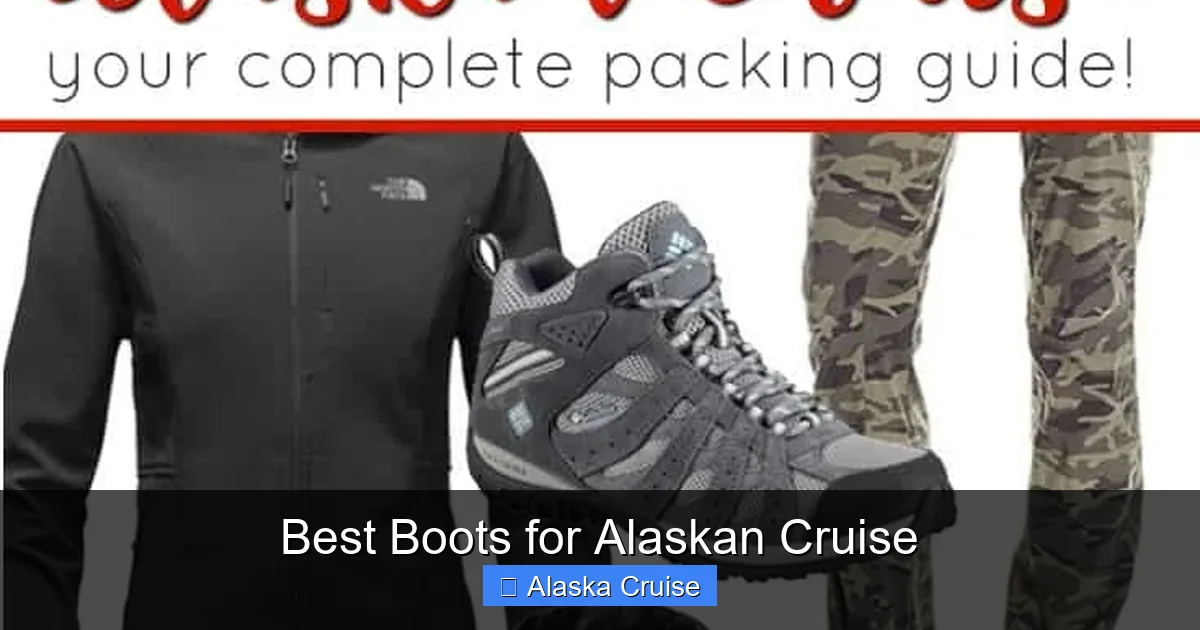
Choosing the right footwear is essential for enjoying your Alaskan cruise to the fullest. The best boots for Alaskan cruise trips offer waterproofing, insulation, traction, and comfort for unpredictable weather and rugged terrain. Whether you’re exploring glaciers, hiking coastal trails, or strolling through charming ports, the right pair keeps your feet happy and adventure-ready.
Key Takeaways
- Waterproofing is non-negotiable: Alaska’s frequent rain and wet conditions demand boots that keep your feet dry, even in puddles or snowmelt.
- Insulation matters in cold climates: Even in summer, temperatures can drop, especially near glaciers or at higher elevations—opt for boots with adequate insulation.
- Traction is critical for safety: Slippery docks, rocky trails, and icy paths require deep lugs and grippy soles to prevent slips and falls.
- Comfort and support for long days: You’ll be walking a lot—choose boots with cushioning, arch support, and room for thick socks.
- Versatility over specialization: The best boots for Alaskan cruise trips work on ships, trails, and towns—no need to pack multiple pairs.
- Break them in before you go: New boots can cause blisters—wear them around the house or on short walks before your trip.
- Consider packability and weight: While durability is key, lighter boots are easier to pack and wear during long excursions.
📑 Table of Contents
- Why Footwear Matters on an Alaskan Cruise
- What to Look for in the Best Boots for Alaskan Cruise Trips
- Top Boot Recommendations for Alaskan Cruises
- How to Break In Your Boots Before the Cruise
- Packing Tips: Making Room for Your Boots
- Care and Maintenance During Your Trip
- Conclusion: Step Into Your Alaskan Adventure Confidently
Why Footwear Matters on an Alaskan Cruise
An Alaskan cruise isn’t your typical beach vacation. It’s a rugged, awe-inspiring journey through some of the most dramatic landscapes on Earth—glaciers that calve into icy waters, misty fjords shrouded in fog, and wildlife-rich coastlines teeming with bears, whales, and eagles. But with all that beauty comes unpredictable weather and challenging terrain. That’s why choosing the best boots for Alaskan cruise adventures isn’t just a suggestion—it’s a necessity.
Imagine stepping off your cruise ship onto a rocky shoreline, the air crisp and damp, the ground slick with morning dew. You’re eager to explore a nearby trail, but your feet are already cold and your sneakers are soaked through. Or picture yourself on a guided hike near a glacier, where the path is uneven and icy patches hide beneath a thin layer of snow. Without proper footwear, your dream adventure can quickly turn into a miserable experience.
The right boots do more than protect your feet—they enhance your entire trip. They keep you warm when the wind whips off the water, dry when the rain starts pouring, and steady when the ground turns slippery. Whether you’re zodiacing to a remote inlet, visiting a Native Alaskan village, or simply strolling through Ketchikan or Juneau, your boots are your constant companion. And since you’ll likely be walking several miles a day, comfort and support are just as important as weather resistance.
What to Look for in the Best Boots for Alaskan Cruise Trips

Visual guide about Best Boots for Alaskan Cruise
Image source: cruisemummy.co.uk
When shopping for boots for your Alaskan cruise, it’s easy to get overwhelmed by the options. Hiking boots, winter boots, rain boots, mountaineering boots—each has its strengths, but not all are ideal for a cruise setting. The key is finding a balance between performance, comfort, and practicality.
Waterproofing: Your First Line of Defense
Alaska is known for its rain. Even in summer, afternoon showers are common, and coastal areas like Ketchikan receive over 150 inches of rainfall annually. That means wet feet are a real risk if your boots aren’t fully waterproof.
Look for boots with sealed seams and waterproof membranes like Gore-Tex or eVent. These materials allow sweat to escape while keeping water out—a crucial feature when you’re trekking through muddy trails or stepping off a tender onto a wet dock. Avoid boots labeled “water-resistant” unless you’re certain they’ll only face light drizzle. In Alaska, “water-resistant” often means “soaked in 20 minutes.”
Insulation: Stay Warm Without Overheating
Temperatures in Alaska can vary wildly. In summer, daytime highs might reach the 60s°F (15–20°C), but near glaciers or at higher elevations, it can feel much colder. Wind chill and dampness amplify the cold, making insulated boots a smart choice.
For most travelers, 200g to 400g of Thinsulate or similar synthetic insulation is ideal. It provides warmth without adding bulk, and it retains heat even when wet—unlike down, which loses insulating power when damp. If you’re cruising in late spring or early fall, consider boots with removable liners so you can adjust insulation as needed.
Traction: Grip for Slippery Surfaces
Alaska’s terrain is anything but flat. You’ll encounter rocky shorelines, moss-covered logs, icy patches near glaciers, and rain-slicked wooden boardwalks. A boot with poor traction can turn a scenic walk into a dangerous slip.
Look for deep, multidirectional lugs on the outsole—think aggressive tread patterns similar to those on hiking boots. Rubber compounds like Vibram offer excellent grip on wet and uneven surfaces. Avoid smooth soles or fashion boots with minimal tread; they’re a liability in Alaska’s unpredictable conditions.
Comfort and Support: All-Day Wearability
You’ll be on your feet for hours—exploring ports, hiking trails, and standing on deck watching wildlife. That’s why comfort is non-negotiable. Look for boots with cushioned midsoles, good arch support, and a roomy toe box. A stiff shank or supportive midsole helps reduce fatigue on long walks, especially over uneven ground.
Also consider weight. Heavy mountaineering boots might offer top-tier protection, but they can tire you out quickly. Mid-weight hiking boots or insulated trail shoes often strike the best balance for cruise travelers.
Fit and Sizing: Room for Socks and Swelling
Feet swell during long days of walking, so it’s wise to try boots on with the same thickness of socks you plan to wear. Wool or synthetic hiking socks are ideal—they wick moisture and provide extra cushioning.
When trying on boots, walk around the store or your home. Pay attention to pressure points, heel slippage, or tightness across the toes. A good fit should feel snug but not tight, with enough room to wiggle your toes. If possible, buy boots in the afternoon when your feet are slightly larger.
Top Boot Recommendations for Alaskan Cruises
With so many options on the market, we’ve narrowed down the best boots for Alaskan cruise travelers based on performance, comfort, and real-world testing. These picks cover a range of styles and budgets, so you can find the perfect fit for your adventure.
1. Merrell Moab 3 Mid Waterproof
A favorite among hikers and cruise travelers alike, the Merrell Moab 3 Mid Waterproof offers excellent value and performance. It features a Gore-Tex membrane for reliable waterproofing, a Vibram outsole for superior traction, and a cushioned EVA midsole for all-day comfort.
The Moab 3 is lightweight yet durable, making it ideal for long days on the trail or exploring port towns. The breathable mesh upper keeps your feet cool in mild weather, while the 200g insulation provides just enough warmth for cooler days. Plus, it comes in a wide range of sizes and widths, ensuring a good fit for most foot shapes.
One traveler shared, “I wore these on a 7-day cruise and hiked in Glacier Bay, Juneau, and Skagway. My feet stayed dry and comfortable the entire time—even in pouring rain.”
2. Keen Targhee III Mid Waterproof
Known for their wide toe box and rugged build, Keen boots are a top choice for those with broader feet or who prioritize comfort. The Targhee III Mid features a waterproof leather and mesh upper, a KEEN.DRY membrane, and a non-marking rubber outsole with 4mm multi-directional lugs.
The Targhee III also includes a dual-density EVA footbed with arch support, which helps reduce fatigue on long walks. While it’s slightly heavier than the Merrell Moab, many users say the extra support is worth it. It’s also available in wide sizes, making it a great option for people who struggle to find comfortable hiking boots.
3. Columbia Bugaboot Plus IV Omni-Heat
If you’re cruising in shoulder season or expect colder conditions, the Columbia Bugaboot Plus IV is a standout. It features 400g of Omni-Heat insulation, a reflective lining that retains body heat, and a waterproof leather upper.
The Bugaboot is designed for serious cold, making it ideal for glacier tours or early-season cruises. The Omni-Grip non-marking traction rubber provides excellent grip on ice and snow, and the Techlite midsole offers responsive cushioning. While it’s bulkier than trail boots, it’s one of the warmest options available for Alaskan conditions.
4. Salomon X Ultra 4 Mid GTX
For travelers who want a lightweight, agile boot with serious performance, the Salomon X Ultra 4 Mid GTX is a top contender. It’s built for speed and precision, with a Gore-Tex membrane, Contagrip MA outsole, and Advanced Chassis technology for stability.
Weighing just over 2 pounds per pair, these boots are perfect for long hikes and quick port explorations. The quick-lace system makes them easy to put on and adjust, and the snug fit reduces foot fatigue. While not as insulated as winter boots, they’re ideal for summer cruises with mild to cool weather.
5. Bogs Classic High Waterproof Insulated Rain Boot
If you’re looking for maximum waterproofing and don’t mind a more casual look, Bogs rain boots are a fun and functional option. Made from 100% waterproof rubber, they feature 7mm Neo-Tech insulation and a four-way stretch inner bootie for comfort.
Bogs are incredibly warm and dry, making them great for wet landings or muddy trails. They’re also easy to clean—just hose them off after a day of adventure. However, they lack the ankle support of hiking boots, so they’re best for light walking or short excursions.
How to Break In Your Boots Before the Cruise
Even the best boots for Alaskan cruise trips can cause blisters if they’re brand new. Breaking them in properly is one of the most important steps you can take to ensure a comfortable trip.
Start wearing your boots at home for short periods—around the house, on short walks, or while running errands. Gradually increase the duration and distance over a week or two. This allows the materials to mold to your feet and helps you identify any hot spots or fit issues before you’re miles from a shoe store.
Wear the same socks you plan to use on the cruise. This ensures the fit is accurate and helps prevent surprises. If you notice rubbing or discomfort, try using moleskin or blister pads on problem areas. Some travelers also use boot stretchers or take their boots to a cobbler for minor adjustments.
Don’t wait until the day before your cruise to break in new boots. Give yourself at least 10–14 days of wear time. Your feet will thank you when you’re hiking through Tongass National Forest or exploring Mendenhall Glacier.
Packing Tips: Making Room for Your Boots
Boots take up space, but they’re worth it. Here’s how to pack smart without overloading your suitcase.
First, wear your boots on the flight. This saves space in your luggage and ensures you have them if your checked bag is delayed. Pack a lightweight pair of sandals or slip-ons for use on the ship or in your cabin.
Use boot stuffers or rolled-up socks to maintain the shape of your boots and prevent creasing. Place them at the bottom of your suitcase, surrounded by soft items like clothes or towels. If you’re using a duffel bag, consider a boot compartment or separate shoe bag to keep them contained.
If you’re bringing multiple pairs, prioritize versatility. One solid pair of waterproof, insulated boots should cover most activities. Add a second pair only if you have specific needs—like formal shoes for dinner or water shoes for kayaking.
Care and Maintenance During Your Trip
Alaska’s elements can be tough on footwear. Salt, mud, rain, and snow can degrade materials over time. Proper care ensures your boots last beyond your cruise.
After each excursion, wipe off mud and debris with a damp cloth. If they’re soaked, stuff them with newspaper or use a boot dryer to speed up drying. Avoid placing them near direct heat sources like radiators, which can crack leather or damage adhesives.
Apply a waterproofing treatment before your trip and reapply as needed. Products like Nikwax or Sno-Seal work well on leather and synthetic materials. For rubber boots, a simple rinse and air dry is usually sufficient.
Store your boots in a cool, dry place when not in use. If you’re sharing a cabin, consider using a shoe rack or hanging them to save floor space.
Conclusion: Step Into Your Alaskan Adventure Confidently
An Alaskan cruise is a once-in-a-lifetime experience, and the right footwear ensures you can enjoy every moment—without sore, cold, or wet feet. The best boots for Alaskan cruise trips combine waterproofing, insulation, traction, and comfort to handle everything from glacier hikes to rainy port days.
Whether you choose the reliable Merrell Moab, the supportive Keen Targhee, or the ultra-warm Columbia Bugaboot, investing in quality boots pays off in comfort and confidence. Break them in, pack them wisely, and care for them during your trip.
With the right pair on your feet, you’re ready to explore Alaska’s wild beauty—one step at a time.
Frequently Asked Questions
Do I really need special boots for an Alaskan cruise?
Yes. Alaska’s weather is unpredictable, and terrain can be rugged. Regular sneakers or fashion boots won’t provide the waterproofing, insulation, or traction you need. The best boots for Alaskan cruise trips are designed to keep you safe and comfortable in wet, cold, and uneven conditions.
Can I wear hiking boots on a cruise ship?
Absolutely. Most cruise lines allow hiking boots in cabins and public areas. Just wipe off mud before boarding and avoid wearing them to formal dinners. Many travelers wear their boots on the ship and change into casual shoes for indoor activities.
Are insulated boots necessary in summer?
Yes, especially near glaciers or at higher elevations. Summer temperatures can drop into the 40s°F (4–9°C), and wind chill makes it feel colder. Lightweight insulated boots (200g–400g) provide warmth without overheating during milder days.
What socks should I wear with my boots?
Choose moisture-wicking socks made from wool or synthetic blends. Avoid cotton, which retains moisture and can cause blisters. Mid-weight hiking socks offer cushioning and warmth, and bring extras in case your feet get wet.
Can I wear rain boots for hiking in Alaska?
Rain boots like Bogs are great for wet landings and light walks, but they lack ankle support and traction for serious hiking. Use them for short excursions, but bring hiking boots for trails and glacier tours.
How do I prevent blisters while hiking?
Break in your boots before the trip, wear proper socks, and keep your feet dry. Use blister pads on hot spots and trim toenails short. If you feel rubbing, stop and adjust your laces or apply moleskin immediately.