Choosing the right boots for an Alaska cruise is essential for comfort, safety, and enjoyment. The best boots for Alaska cruise trips combine waterproofing, insulation, traction, and durability to handle rain, snow, mud, and uneven terrain. Whether you’re exploring glaciers or strolling through coastal towns, the right footwear makes all the difference.
Key Takeaways
- Waterproofing is non-negotiable: Alaska’s weather is unpredictable, with frequent rain and wet conditions—your boots must keep feet dry.
- Insulation matters, but not too much: While warmth is important, over-insulated boots can cause sweating; look for moderate insulation (200–400g) for versatility.
- Traction is critical: Slippery docks, wet rocks, and muddy trails demand boots with deep, grippy soles like Vibram or similar rubber compounds.
- Comfort and support are key: You’ll be walking a lot—cushioned insoles, ankle support, and a good fit prevent blisters and fatigue.
- Durability over style: Rugged construction with reinforced toes and quality materials ensures your boots last the entire trip and beyond.
- Packability and versatility: Choose boots that work for both shore excursions and onboard comfort—avoid overly bulky or heavy options.
- Break them in beforehand: Never wear new boots on a cruise—always test them on long walks before departure.
📑 Table of Contents
Why the Right Boots Matter on an Alaska Cruise
An Alaska cruise is one of the most breathtaking travel experiences you can have. From towering glaciers and icy fjords to dense rainforests and wildlife-rich coastlines, the scenery is nothing short of spectacular. But with that beauty comes a unique set of challenges—especially when it comes to footwear. The weather in Alaska can shift from sunny and mild to rainy and chilly in minutes. Trails can be muddy, docks slippery, and shore excursions often involve uneven terrain. That’s why choosing the best boots for Alaska cruise adventures isn’t just a suggestion—it’s a necessity.
Imagine stepping off the ship onto a rocky shoreline, only to feel your feet sink into mud or slip on wet stones. Or picture yourself on a guided hike through a temperate rainforest, where rain has turned the path into a slick, leaf-covered obstacle course. Without the right boots, these moments can quickly go from magical to miserable. The right pair will keep your feet dry, warm, and steady, allowing you to fully enjoy every adventure Alaska has to offer.
What to Look for in the Best Boots for Alaska Cruise
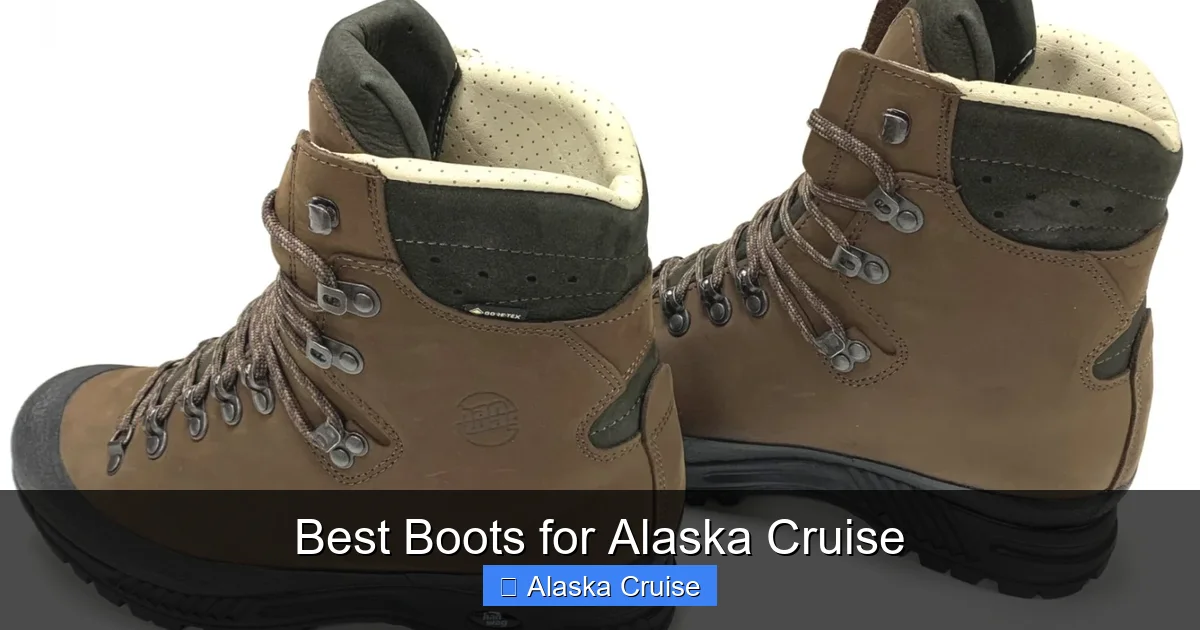
Visual guide about Best Boots for Alaska Cruise
Image source: thecountryman.com
When shopping for boots for your Alaska cruise, it’s easy to get overwhelmed by the options. But focusing on a few key features will help you make the right choice. The best boots for Alaska cruise trips aren’t necessarily the most expensive or the most stylish—they’re the ones that perform under real-world conditions.
Waterproofing: Your First Line of Defense
Alaska is known for its rain. In fact, some coastal areas receive over 100 inches of precipitation annually. Whether you’re in Ketchikan, Juneau, or Sitka, you’re likely to encounter wet conditions. That’s why waterproofing is the most important feature in any boot you choose.
Look for boots with sealed seams and waterproof membranes like Gore-Tex or eVent. These materials allow moisture to escape while preventing water from getting in. Avoid boots labeled “water-resistant”—they may handle light drizzle but will fail in heavy rain or puddles. For example, the Merrell Moab 3 Waterproof hiking boots use a M Select DRY membrane that keeps feet dry even after hours in the rain.
Insulation: Warmth Without Overheating
Alaska’s temperatures can vary widely, even in summer. While it might be 60°F (15°C) in the afternoon, mornings and evenings can dip into the 40s (4–9°C). Insulation helps, but too much can cause your feet to sweat, leading to dampness and discomfort.
For most Alaska cruise itineraries, boots with 200–400 grams of insulation are ideal. This level provides warmth in cooler conditions without overheating during milder days. If you’re traveling in late spring or early fall, when temperatures are cooler, you might consider 400g or higher. But for summer cruises, 200g is usually sufficient.
Brands like Sorel and Columbia offer well-insulated boots that balance warmth and breathability. The Sorel Caribou, for instance, features a removable felt liner and waterproof rubber shell, making it a favorite for cold, wet conditions.
Traction: Grip for Slippery Surfaces
From wet wooden docks to moss-covered rocks and muddy trails, Alaska’s terrain demands excellent traction. A slip on a slippery surface can lead to injury, especially when you’re far from medical help.
Look for boots with deep, multi-directional lugs and sticky rubber outsoles. Vibram soles are a gold standard in the outdoor industry for their grip and durability. The Salomon Quest 4 GTX, for example, features a Contagrip sole that performs well on wet rock, gravel, and mud.
Also consider the tread pattern. Aggressive lugs (the raised parts of the sole) provide better grip on soft or uneven ground. Avoid smooth or shallow treads—they’re fine for city walking but not for Alaska’s rugged landscapes.
Comfort and Fit: All-Day Wearability
You’ll be walking a lot on your Alaska cruise—whether it’s exploring towns like Skagway, hiking to waterfalls, or boarding zodiacs for glacier tours. Comfort is crucial.
A good fit means no tight spots or heel slippage. Your toes should have room to wiggle, and the heel should stay locked in place. Look for boots with cushioned midsoles and supportive footbeds. Memory foam insoles can add extra comfort, especially if you have flat feet or high arches.
Ankle support is also important, especially on uneven terrain. Mid-cut or high-cut boots offer better stability than low-cut shoes. However, if you prefer lighter footwear, some low-cut hiking shoes with good arch support can work—just make sure they’re waterproof and grippy.
Durability: Built to Last
Alaska’s environment is tough on gear. Rocks, roots, and constant moisture can wear down lesser boots quickly. Invest in boots made with high-quality materials like full-grain leather, reinforced toe caps, and double or triple stitching.
Leather is naturally durable and water-resistant, especially when treated. Synthetic materials like nylon can be lighter but may not last as long. The Keen Targhee III, for example, uses a combination of leather and mesh, offering a good balance of durability and breathability.
Also consider the sole construction. Cemented or glued soles are common and affordable, but welted or stitched soles (like those on Danner boots) are more durable and can be resoled, extending the boot’s life.
Top Boot Recommendations for Alaska Cruises
With so many options on the market, it helps to know which boots consistently perform well in Alaska’s conditions. Here are some of the best boots for Alaska cruise travelers, based on real-world use and expert reviews.
Best Overall: Merrell Moab 3 Waterproof
The Merrell Moab 3 Waterproof is a favorite among hikers and cruise travelers alike. It features a Gore-Tex membrane for waterproofing, a Vibram outsole for traction, and a cushioned EVA midsole for comfort. The breathable mesh upper keeps feet cool, while the protective toe cap shields against rocks and roots.
Weighing just over 2 pounds per pair, these boots are lightweight enough for all-day wear. They’re also easy to break in, making them ideal for first-time buyers. Whether you’re walking through downtown Juneau or hiking the trails at Mendenhall Glacier, the Moab 3 handles it all with ease.
Best for Cold Weather: Sorel Caribou
If your cruise includes early spring or late fall departures, or if you’re prone to cold feet, the Sorel Caribou is a top choice. This boot features a waterproof rubber shell, a removable felt liner with 400g of insulation, and a rugged lug sole.
The Caribou is designed for sub-zero conditions, making it perfect for glacier tours or snowy shore excursions. It’s a bit heavier than hiking boots, but the warmth and protection are unmatched. Just be sure to wear moisture-wicking socks to prevent sweat buildup.
Best for Lightweight Hiking: Salomon Quest 4 GTX
For travelers who plan on more aggressive hiking—like the trails at Tracy Arm or the Tongass National Forest—the Salomon Quest 4 GTX is a standout. It offers excellent ankle support, a Gore-Tex waterproof liner, and a Contagrip outsole that grips wet rock like a champ.
The Quest 4 is also surprisingly lightweight for a mid-height boot, thanks to its advanced materials and design. It’s a favorite among outdoor enthusiasts and is built to handle multi-day treks. If you’re serious about exploring Alaska’s wilderness, this is the boot for you.
Best Budget Option: Columbia Newton Ridge Plus
You don’t need to spend hundreds to get a good pair of boots. The Columbia Newton Ridge Plus offers solid performance at a lower price point. It features Omni-Tech waterproofing, a Techlite midsole for cushioning, and a durable rubber outsole.
While it doesn’t have the same level of insulation or premium materials as higher-end models, it’s a great choice for milder conditions and casual walking. It’s also stylish enough to wear around town, making it a versatile option for cruise travelers.
Best for Women: Keen Targhee III Waterproof
Designed specifically for women’s feet, the Keen Targhee III offers a narrower fit, lower volume, and excellent arch support. It’s waterproof, breathable, and features a rugged outsole with 4mm multi-directional lugs.
The Targhee III is lightweight and comfortable right out of the box, with minimal break-in time. It’s perfect for day hikes, town walks, and even light glacier tours. Plus, it comes in a variety of colors, so you can match your boots to your cruise wardrobe.
Packing and Preparing Your Boots for the Cruise
Once you’ve chosen the best boots for your Alaska cruise, it’s time to prepare them for the journey. Proper packing and pre-trip care can make a big difference in your comfort and performance.
Break Them In Before You Go
Never wear new boots on a cruise. Even the most comfortable pair needs time to mold to your feet. Start wearing your boots at least two weeks before departure—walk around the house, take short walks, and gradually increase the distance.
This helps prevent blisters, hot spots, and discomfort. If you notice any rubbing or pressure points, use moleskin or blister pads to protect your skin. Also, wear the same type of socks you plan to use on the cruise to ensure a proper fit.
Pack Smart: Bring the Right Socks
Your boots are only as good as the socks you wear with them. Choose moisture-wicking, cushioned hiking socks made from merino wool or synthetic blends. Avoid cotton—it retains moisture and can lead to blisters.
Bring at least two pairs of socks per day, especially if you’re doing multiple shore excursions. Consider packing a lightweight pair for onboard wear and a thicker pair for outdoor activities. Brands like Smartwool, Darn Tough, and Thorlo are excellent choices.
Protect Your Boots from the Elements
Even the best boots need care. Before your trip, apply a waterproofing treatment if recommended by the manufacturer. This helps maintain the boot’s water resistance, especially if it’s made of leather.
During the cruise, clean your boots after each use—remove mud, salt, and debris to prevent damage. Let them dry naturally, away from direct heat, which can crack leather or warp soles. If your boots get soaked, stuff them with newspaper to absorb moisture and speed up drying.
Consider Backup Footwear
While your primary boots should handle most situations, it’s wise to pack a second pair of footwear. A pair of lightweight, packable shoes—like trail runners or water shoes—can be useful for onboard lounging, swimming, or quick walks on dry days.
Water shoes are especially helpful if you plan to kayak, paddleboard, or visit hot springs. They dry quickly and protect your feet from sharp rocks or hot surfaces. Just make sure they’re not your only option—Alaska’s weather can change fast.
Common Mistakes to Avoid
Even experienced travelers make mistakes when choosing boots for Alaska. Avoid these common pitfalls to ensure a smooth and comfortable cruise.
Choosing Style Over Function
It’s tempting to pick boots that look good in photos, but fashion shouldn’t come at the expense of function. Uggs, fashion boots, or lightweight sneakers may look great, but they won’t hold up in rain, mud, or cold.
Stick to purpose-built outdoor boots designed for wet, rugged conditions. Your feet will thank you.
Ignoring the Weather Forecast
Alaska’s weather varies by region and season. Coastal areas like Ketchikan are rainier, while inland spots like Skagway can be drier. Check the forecast for your ports of call and pack accordingly.
If rain is expected, prioritize waterproofing. If snow is possible, opt for insulated boots. Being prepared for the specific conditions you’ll face makes a big difference.
Overpacking Heavy Boots
While durability is important, don’t bring unnecessarily heavy boots. Every ounce counts when you’re carrying gear on and off the ship. Choose boots that offer the right balance of protection and weight.
For example, a 3-pound boot might seem tough, but it can feel like a ton after a full day of walking. Lightweight options like the Merrell Moab 3 or Salomon X Ultra 3 GTX offer excellent performance without the bulk.
Forgetting to Test the Fit with Socks
Boots that fit well in the store might feel tight with thick hiking socks. Always try on boots with the same socks you plan to wear. This ensures a proper fit and prevents surprises on the trail.
If your boots feel snug, consider a half-size up or a wider width. Many brands offer multiple width options to accommodate different foot shapes.
Final Thoughts: Step Into Alaska with Confidence
An Alaska cruise is an adventure of a lifetime—filled with stunning landscapes, incredible wildlife, and unforgettable experiences. But to truly enjoy it, you need the right gear, starting with your boots. The best boots for Alaska cruise trips are waterproof, insulated, grippy, and comfortable. They protect your feet from the elements, support you on uneven terrain, and keep you steady on slippery surfaces.
Whether you choose the rugged Merrell Moab 3, the warm Sorel Caribou, or the versatile Keen Targhee III, the key is to prioritize function over fashion. Break them in, pack the right socks, and care for them during your trip. With the right boots on your feet, you’ll be ready to explore every glacier, trail, and coastal town with confidence and comfort.
So as you plan your Alaska adventure, don’t overlook one of the most important pieces of gear. Invest in a quality pair of boots, and you’ll be rewarded with dry, happy feet and memories that last a lifetime.
Frequently Asked Questions
Do I really need waterproof boots for an Alaska cruise?
Yes, absolutely. Alaska is known for its frequent rain and wet conditions, especially in coastal areas. Waterproof boots keep your feet dry during shore excursions, walks on docks, and hikes through muddy trails.
Can I wear hiking shoes instead of boots?
It depends on the conditions. Lightweight hiking shoes can work for dry, easy trails, but boots offer better ankle support and protection on uneven or slippery terrain. For most Alaska cruises, mid-height waterproof boots are recommended.
How much insulation do I need in my boots?
For summer cruises, 200–400 grams of insulation is usually sufficient. If traveling in spring or fall, or if you get cold easily, consider 400g or higher. Avoid over-insulated boots in warm weather to prevent sweating.
Should I bring more than one pair of boots?
It’s not necessary, but having a lightweight backup pair—like trail runners or water shoes—can be helpful for onboard comfort or water activities. Just make sure your primary boots are ready for outdoor adventures.
How do I break in new boots before the cruise?
Wear your boots for short periods at home, then gradually increase walking time over 1–2 weeks. Use the same socks you’ll wear on the trip, and address any hot spots with moleskin or padding.
Are expensive boots always better?
Not necessarily. While premium brands often offer better materials and construction, there are affordable options that perform well. Focus on features like waterproofing, traction, and comfort rather than price alone.