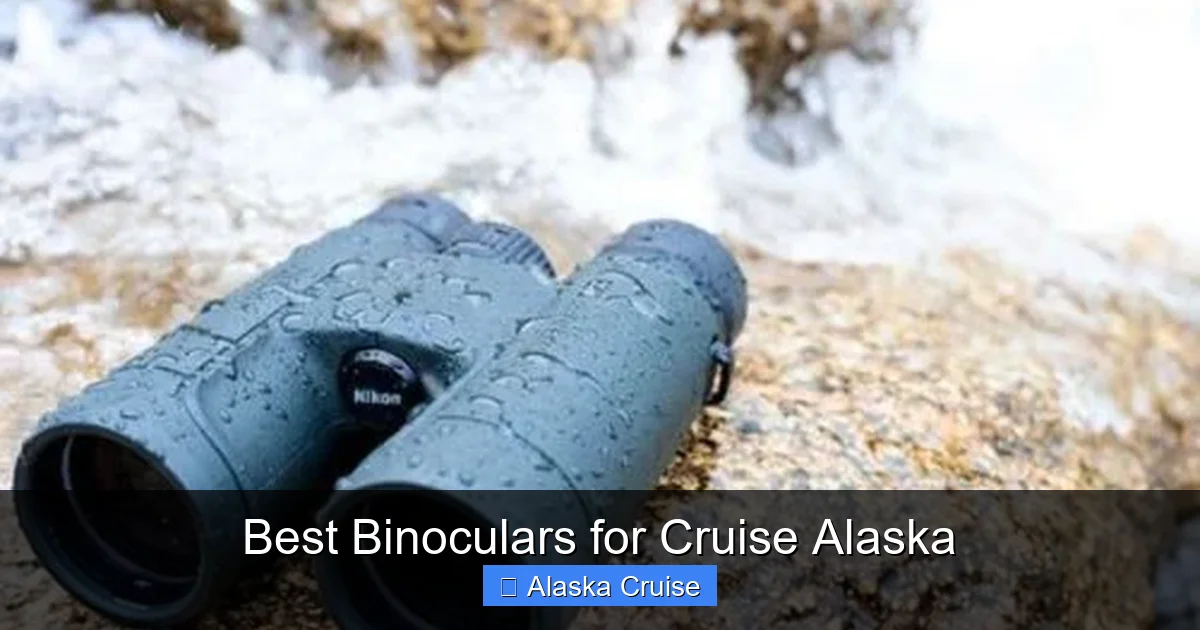
Choosing the best binoculars for cruise Alaska ensures you won’t miss a single breathtaking moment—from breaching whales to towering glaciers. The right pair offers crisp optics, rugged build, and easy handling, even in cold, damp conditions.
Key Takeaways
- Opt for 8×42 or 10×42 magnification: These provide a balance of zoom, brightness, and field of view ideal for Alaska’s vast landscapes and moving wildlife.
- Waterproof and fog-proof construction is essential: Alaska’s coastal climate demands optics sealed against moisture and temperature changes.
- Compact and lightweight models win for portability: You’ll be carrying them on deck, hiking, or storing in small cabins—every ounce counts.
- Look for multi-coated or fully multi-coated lenses: Enhanced light transmission means brighter, sharper images, especially in overcast or low-light conditions.
- Rubber armor improves grip and durability: Protects against drops and provides a secure hold, even with gloves on.
- Image stabilization isn’t necessary—but image clarity is: While stabilized models exist, most travelers find high-quality fixed optics more than sufficient for ship-based viewing.
- Test before you buy—or rent: If possible, try models in person or rent during your trip to ensure comfort and usability.
📑 Table of Contents
Why Binoculars Are a Must-Have for Your Alaska Cruise
An Alaska cruise isn’t just a vacation—it’s a front-row seat to one of nature’s greatest shows. From towering glaciers calving into icy waters to humpback whales breaching just yards from your ship, the scenery is nothing short of spectacular. But here’s the catch: much of the magic happens at a distance. Without a good pair of binoculars, you might miss the delicate details that make Alaska so unforgettable.
Imagine standing on the deck of your cruise ship, wrapped in a warm jacket, as the captain announces a pod of orcas nearby. You raise your binoculars and suddenly, the sleek black-and-white bodies glide through the water with stunning clarity. Or picture yourself anchored near Glacier Bay, watching a massive chunk of ice break off and crash into the sea—binoculars let you see the texture of the ice, the spray of water, and even the seabirds circling above. These moments are fleeting, and having the right optics ensures you don’t just see them—you experience them.
But not all binoculars are created equal, especially when it comes to the unique challenges of an Alaska cruise. The weather can shift in minutes—sunny one moment, foggy the next. You’ll be on a moving ship, often in cold temperatures, and you’ll want gear that’s easy to handle, even with gloves on. That’s why choosing the best binoculars for cruise Alaska isn’t just about magnification—it’s about reliability, comfort, and performance in real-world conditions.
What to Look for in Binoculars for Alaska Cruises
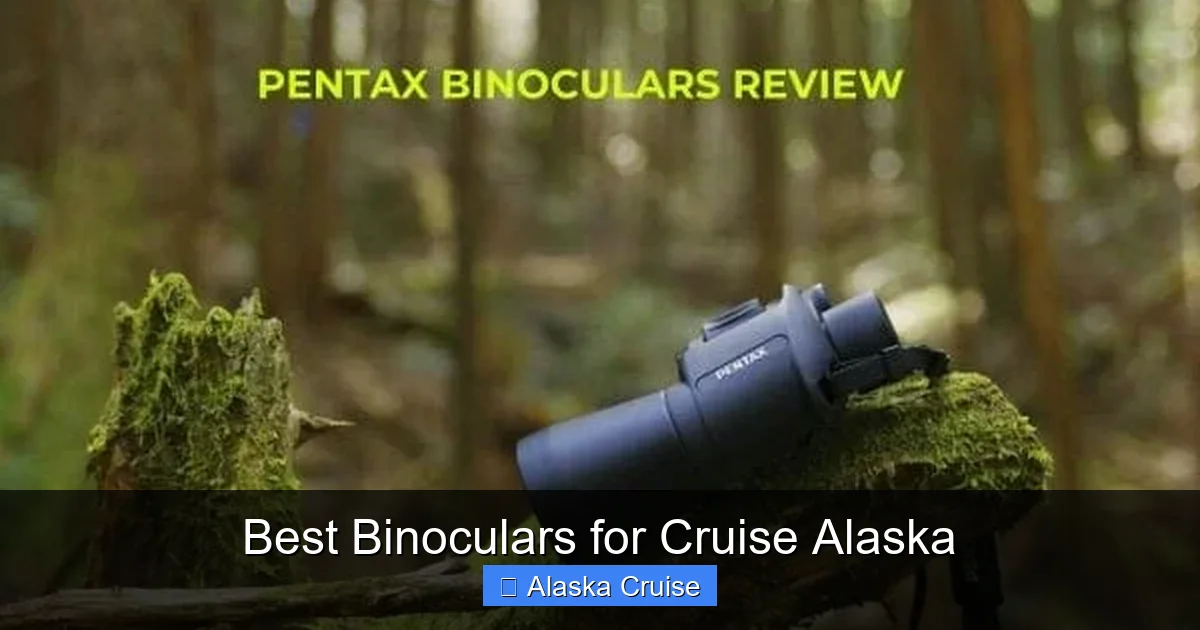
Visual guide about Best Binoculars for Cruise Alaska
Image source: telescopetrove.com
When shopping for binoculars for your Alaska adventure, it’s easy to get overwhelmed by technical specs and marketing buzzwords. But don’t worry—we’ll break it down into simple, practical criteria that matter most for cruise travelers.
Magnification and Objective Lens Size
The first thing you’ll notice on any binocular is a number like “8×42” or “10×50.” The first number is the magnification—how many times closer the object appears. The second is the diameter of the objective lens in millimeters, which affects how much light enters the binoculars.
For Alaska cruises, 8×42 and 10×42 are the sweet spots. An 8x magnification offers a wider field of view, making it easier to track moving animals like whales or birds. It also provides a steadier image, which is helpful on a moving ship. A 10x magnification brings you closer to distant glaciers or mountain peaks, but it can be trickier to hold steady and has a narrower field of view.
The 42mm objective lens strikes a great balance—large enough to gather plenty of light for bright, clear images, but not so large that the binoculars become heavy or bulky. If you go much larger (like 50mm), you’ll gain brightness but lose portability—something to consider when you’re stashing gear in a small cabin or carrying it on shore excursions.
Optical Coatings Matter More Than You Think
You might not think about lens coatings, but they’re one of the biggest factors in image quality. Coatings reduce glare, improve contrast, and allow more light to pass through the lenses. Look for terms like “fully multi-coated” or “multi-coated” lenses—these indicate that multiple layers of coating have been applied to all lens surfaces.
In Alaska’s often overcast or low-light conditions—especially in early morning or late evening—these coatings make a huge difference. You’ll see richer colors, sharper details, and better performance in dim light. Cheaper binoculars may have only partially coated lenses, which can result in washed-out or hazy images, especially when viewing distant wildlife or glaciers under gray skies.
Waterproof and Fog-Proof Are Non-Negotiable
Alaska is a coastal environment, and moisture is everywhere—sea spray, rain, fog, and even your own breath in cold air. That’s why your binoculars must be waterproof and fog-proof. This is typically achieved by sealing the optics with O-rings and filling the interior with dry nitrogen or argon gas. This prevents internal fogging when temperatures change rapidly—like stepping from a warm cabin to a chilly deck.
Without this protection, your binoculars could fog up at the worst moment, ruining your view of a breaching whale or a calving glacier. Plus, if they’re not waterproof, a splash from the ocean could seep inside and damage the lenses or prisms. Invest in a pair that’s built to handle the elements—your future self will thank you.
Size and Weight: Comfort Is Key
You’ll be using your binoculars frequently—on the ship’s deck, during wildlife tours, and on shore excursions. That means comfort and portability are crucial. Compact or mid-sized binoculars (like 8×42 or 10×42) are ideal because they’re lightweight enough to carry all day but still offer excellent optical performance.
Look for models under 2.5 pounds (about 1.1 kg) if possible. Anything heavier can cause neck strain, especially if you’re holding them up for long periods. Also consider the grip—rubber armor not only protects against drops but also provides a secure hold, even when your hands are cold or wet.
If you wear glasses, check for long eye relief (15mm or more) and adjustable eyecups. This ensures you can see the full field of view without pressing your glasses against the eyepieces.
Durability and Build Quality
Alaska adventures can be rough on gear. You might drop your binoculars on a rocky trail, bump them against a railing, or expose them to salt spray. That’s why build quality matters. Look for binoculars with a solid chassis—preferably metal rather than plastic—and rubber armor for shock absorption.
Brands like Nikon, Vortex, Zeiss, and Leica are known for their rugged construction and long-term reliability. While they may cost more upfront, they’re built to last through multiple trips and harsh conditions. Cheaper models might save you money now, but they could fail when you need them most.
Top Binocular Recommendations for Alaska Cruises
Now that you know what to look for, let’s dive into some of the best binoculars for cruise Alaska—models that combine performance, durability, and value.
Nikon Monarch M7 8×42
The Nikon Monarch M7 8×42 is a favorite among travelers and nature enthusiasts for good reason. It offers exceptional optical clarity, thanks to fully multi-coated lenses and extra-low dispersion (ED) glass that reduces color fringing. The 8x magnification provides a wide, steady view—perfect for tracking whales or scanning mountain ranges.
Weighing just 21.6 ounces, it’s lightweight enough for all-day use, and the ergonomic design fits comfortably in your hands. It’s also waterproof, fog-proof, and built with a durable magnesium alloy body. The only downside? The price—around $300—but for the quality, it’s a worthwhile investment.
Vortex Optics Diamondback HD 10×42
If you prefer a bit more zoom, the Vortex Diamondback HD 10×42 is an excellent choice. It delivers sharp, bright images with its HD lens elements and fully multi-coated optics. The 10x magnification brings distant glaciers and wildlife into clear focus, while the 42mm lenses ensure good light gathering.
At 21.3 ounces, it’s surprisingly light for a 10x model, and the rubber armor provides a secure grip. Vortex also includes a lifetime warranty—so if anything goes wrong, they’ll repair or replace it for free. Priced around $250, it’s a great value for the performance.
Zeiss Terra ED 8×42
For those willing to spend a bit more, the Zeiss Terra ED 8×42 offers premium optics at a mid-range price. Zeiss is a legendary name in optics, and this model lives up to the reputation. The ED glass minimizes chromatic aberration, delivering true-to-life colors and crisp details.
It’s waterproof, fog-proof, and built to last, with a sleek, modern design. At 22.9 ounces, it’s slightly heavier than some competitors, but the image quality more than makes up for it. Expect to pay around $400, but if you want top-tier performance, this is a standout choice.
Leica Trinovid HD 8×42
If budget isn’t a concern, the Leica Trinovid HD 8×42 is the gold standard. Known for its exceptional build quality and optical precision, this binocular delivers stunning clarity and color fidelity. The 8×42 configuration is ideal for Alaska’s varied scenery, and the compact design makes it easy to carry.
It’s fully weatherproof, with a durable aluminum body and rubber armor. The only catch? The price—around $1,000. But for serious travelers or photography enthusiasts, it’s worth every penny.
Compact Option: Celestron Nature DX 8×32
If you’re looking for something smaller and more affordable, the Celestron Nature DX 8×32 is a solid pick. At just 18 ounces, it’s one of the lightest models on this list, making it perfect for travelers who prioritize portability.
The 32mm lenses are smaller, so low-light performance isn’t as strong as 42mm models, but for daytime use, it’s more than adequate. It’s waterproof, fog-proof, and features multi-coated optics. At around $150, it’s a budget-friendly option that doesn’t sacrifice too much in quality.
Tips for Using Binoculars on an Alaska Cruise
Even the best binoculars won’t help if you don’t use them effectively. Here are some practical tips to get the most out of your optics during your cruise.
Stabilize Your View
On a moving ship, it’s easy for your image to bounce around. To minimize shake, lean against a railing or wall when possible. You can also rest your elbows on a surface for extra stability. If you’re using 10x magnification, consider a small tripod adapter—some models support this, though it’s not common on compact binoculars.
Use the Right Settings
Most binoculars have a central focus wheel and a diopter adjustment (usually on the right eyepiece). Set the diopter once for your eyes, then use the central focus for quick adjustments. This ensures both eyes are in sync and you can focus rapidly on moving targets.
Keep Them Dry and Clean
Salt spray and moisture can damage lenses over time. After use, wipe the exterior with a soft cloth. Use a lens cleaning kit to remove smudges or salt residue from the lenses. Store them in a protective case when not in use, and avoid leaving them in direct sunlight or extreme cold.
Practice Before You Go
If you’re new to binoculars, spend some time practicing at home. Try focusing on distant objects, adjusting the diopter, and getting a feel for the weight and balance. The more familiar you are with your gear, the quicker you’ll be to spot and focus on wildlife during your cruise.
Share the Experience
Binoculars are more fun when shared! Pass them around with family or friends so everyone gets a chance to see the action. Just be gentle—dropping them can misalign the optics or damage the lenses.
Common Mistakes to Avoid
Even experienced travelers make mistakes when choosing or using binoculars. Here are a few to watch out for.
Choosing Based on Magnification Alone
Higher magnification isn’t always better. While 12x or 15x might seem appealing, they’re harder to hold steady, have a narrower field of view, and often require a tripod. For most cruise activities, 8x or 10x is more than sufficient.
Ignoring Weather Resistance
Don’t assume all binoculars are waterproof. Many budget models claim to be “water-resistant” but aren’t fully sealed. In Alaska’s damp environment, you need true waterproofing to protect your investment.
Overlooking Eye Relief
If you wear glasses, short eye relief can make it hard to see the full image. Look for models with at least 15mm of eye relief and twist-up eyecups for comfort.
Buying the Cheapest Option
While it’s tempting to save money, cheap binoculars often have poor optics, flimsy builds, and short lifespans. Investing in a quality pair ensures you’ll enjoy clear, reliable views for years to come.
Final Thoughts: Make the Most of Your Alaska Adventure
An Alaska cruise is a once-in-a-lifetime experience, and the right binoculars can elevate it from memorable to unforgettable. Whether you’re spotting a bald eagle soaring above a fjord or watching a glacier calve into the sea, having clear, bright, and reliable optics makes all the difference.
Remember, the best binoculars for cruise Alaska are those that balance performance, durability, and comfort. Look for 8×42 or 10×42 models with fully multi-coated lenses, waterproof and fog-proof construction, and a lightweight, ergonomic design. Brands like Nikon, Vortex, Zeiss, and Leica offer excellent options at various price points.
Don’t forget to practice using them before your trip, keep them clean, and share the experience with others. And most importantly—don’t leave them in your cabin! The wildlife and scenery of Alaska are too spectacular to miss.
With the right pair in hand, you’ll be ready to capture every breathtaking moment of your journey through one of the world’s most stunning destinations.
Frequently Asked Questions
What magnification is best for Alaska cruise binoculars?
The best magnification for Alaska cruises is 8x or 10x. An 8x offers a wider field of view and steadier image, ideal for tracking moving wildlife. A 10x brings distant objects closer but can be harder to hold steady on a moving ship.
Do I need waterproof binoculars for an Alaska cruise?
Yes, waterproof and fog-proof binoculars are essential. Alaska’s coastal environment includes sea spray, rain, and rapid temperature changes, which can damage non-sealed optics or cause internal fogging.
Can I use binoculars with glasses?
Yes, as long as the binoculars have long eye relief (15mm or more) and adjustable eyecups. This allows you to see the full field of view without pressing your glasses against the eyepieces.
Are compact binoculars good enough for Alaska?
Compact models like 8×32 can work, but they gather less light than 42mm lenses. For better low-light performance and image brightness, especially in overcast conditions, a mid-sized 8×42 or 10×42 is recommended.
How much should I spend on binoculars for an Alaska cruise?
Expect to spend $150–$400 for a quality pair. Budget models under $100 often lack durability and optical clarity, while premium models over $500 offer top-tier performance but may be overkill for casual travelers.
Can I rent binoculars for my Alaska cruise?
Some cruise lines and tour operators offer binocular rentals, especially on wildlife-focused excursions. Check with your cruise line or local tour providers before your trip. Renting lets you try different models without a big upfront cost.