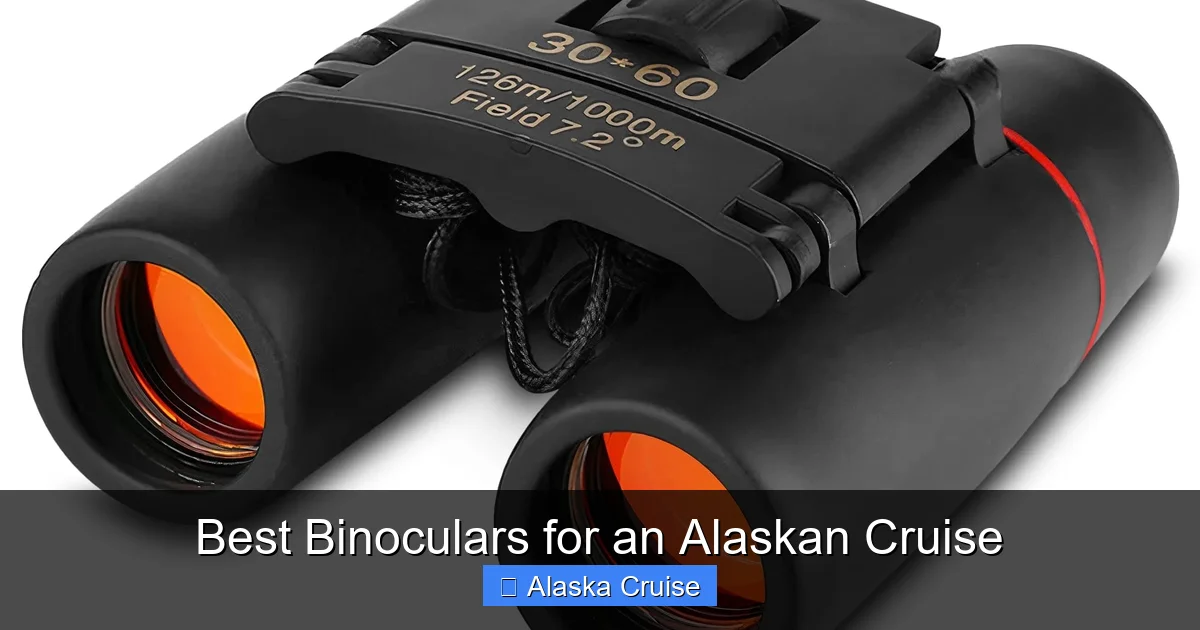
Choosing the best binoculars for an Alaskan cruise means balancing magnification, durability, and weather resistance. Whether you’re scanning for humpback whales or marveling at icy fjords, the right pair enhances every moment of your adventure.
Key Takeaways
- Opt for 8×42 or 10×42 binoculars: These offer the ideal balance of magnification, light gathering, and portability for cruise conditions.
- Waterproof and fog-proof construction is essential: Alaska’s damp, cold climate demands optics sealed with O-rings and filled with nitrogen or argon.
- Look for rugged, rubber-armored bodies: They provide a secure grip and protect against drops and impacts on deck.
- Wide field of view helps track moving wildlife: Essential for spotting breaching whales or birds in flight from a moving ship.
- Image stabilization can be a game-changer: Reduces shake on choppy seas, especially with higher magnification models.
- Consider weight and size for all-day comfort: You’ll likely carry them for hours, so lightweight designs reduce fatigue.
- Brands like Nikon, Vortex, and Zeiss lead the pack: They consistently deliver performance, reliability, and customer support for Alaskan conditions.
📑 Table of Contents
Why Binoculars Are a Must-Have for Your Alaskan Cruise
An Alaskan cruise is one of the most breathtaking travel experiences on Earth. From towering glaciers calving into icy waters to pods of orcas gliding beneath misty skies, the scenery and wildlife are nothing short of spectacular. But here’s the catch—many of the most unforgettable moments happen far from the ship. That’s where a good pair of binoculars becomes your best travel companion.
Imagine standing on the deck at dawn, the air crisp and salty, as a humpback whale breaches just a few hundred yards away. Without binoculars, you’ll see a splash and a dark shape. With the right optics, you’ll witness the curve of its tail, the spray from its blowhole, and maybe even its calf swimming alongside. Or picture yourself cruising through Tracy Arm Fjord, where 300-foot cliffs rise from the water and waterfalls cascade down moss-covered rock. Binoculars let you zoom in on eagles nesting on cliff ledges or mountain goats picking their way along narrow ledges.
But not all binoculars are created equal—especially in Alaska’s demanding environment. The combination of cold temperatures, high humidity, salt spray, and constant motion on a ship means you need optics that are not only powerful but also tough and reliable. Choosing the best binoculars for an Alaskan cruise isn’t just about magnification—it’s about finding a pair that enhances your experience without failing when you need them most.
What to Look for in Binoculars for Alaska
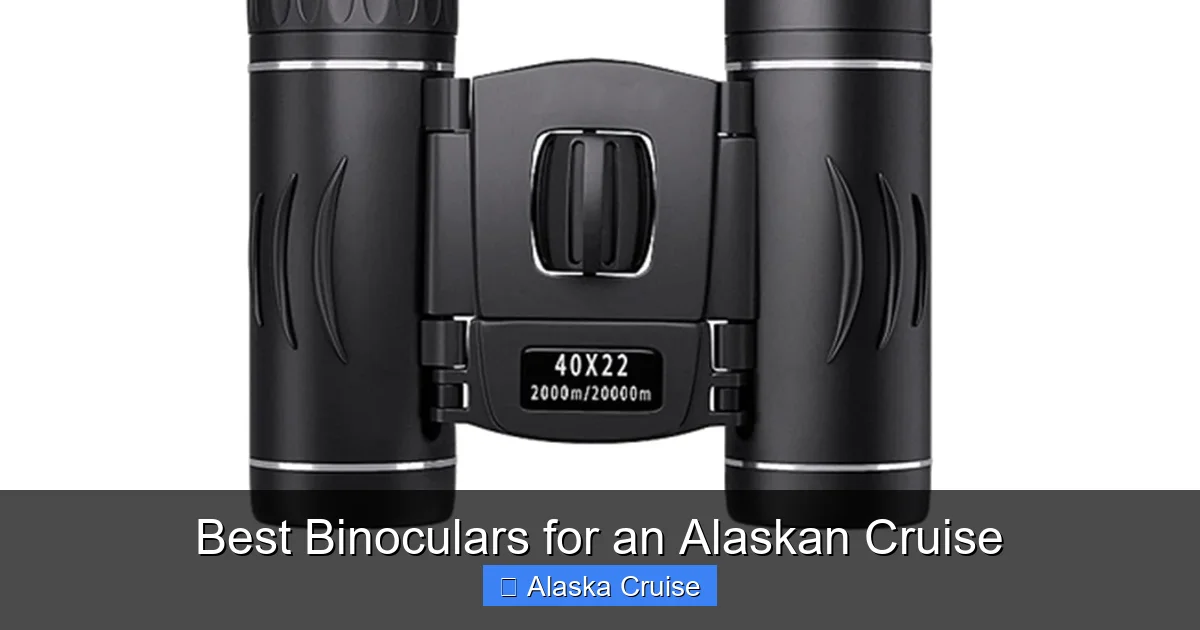
Visual guide about Best Binoculars for an Alaskan Cruise
Image source: m.media-amazon.com
When shopping for binoculars for your Alaskan adventure, it’s easy to get overwhelmed by technical terms and flashy specs. But focus on a few key features, and you’ll make a smart choice that pays off every time you raise them to your eyes.
Magnification and Objective Lens Size
The first number in a binocular’s description (like 8×42) is the magnification—how many times closer the subject appears. The second number is the diameter of the objective lens in millimeters, which determines how much light the binoculars can gather.
For Alaska, 8×42 and 10×42 are the sweet spots. An 8x magnification offers a steady image and wide field of view, making it easier to track moving animals like seals or birds. A 10x gives you more detail but can be harder to hold steady, especially on a rocking ship. If you go higher than 10x, consider image-stabilized models—more on that later.
The 42mm objective lens is large enough to gather plenty of light during Alaska’s long summer days and early dawns, but not so bulky that they become a burden to carry. Smaller lenses (like 32mm) may be lighter, but they struggle in low light. Larger lenses (50mm+) offer brightness but add weight and size—something to avoid when you’re already carrying a camera, jacket, and snacks.
Waterproof and Fog-Proof Performance
Alaska is wet. Whether it’s rain, sea spray, or morning dew, moisture is constant. That’s why waterproofing is non-negotiable. Look for binoculars labeled “waterproof” with O-ring seals that prevent water, dust, and debris from entering the housing.
Even more important is fog-proofing. Temperature changes on a cruise—moving from a warm cabin to a cold deck—can cause internal lenses to fog up, ruining your view. Quality binoculars are purged with inert gases like nitrogen or argon, which prevents condensation inside the tubes. This feature is often listed as “nitrogen-filled” or “fog-proof.” Don’t skip it.
Durability and Build Quality
You’re not just using these binoculars in a backyard—you’re taking them on a ship, possibly hiking onshore, and exposing them to salt air and rough handling. A rubber-armored body provides shock absorption and a secure grip, even with wet hands. Metal chassis (like magnesium or aluminum) are lighter and more durable than plastic, though they cost more.
Also consider the hinge design. Center-focus binoculars are common and easy to use, but some high-end models use individual focus (one for each eyepiece), which can be more precise but slower to adjust. For most travelers, center focus is the way to go.
Field of View and Eye Relief
Field of view (FOV) is how wide an area you can see at a given distance, usually measured in feet at 1,000 yards. A wider FOV makes it easier to scan large areas and track fast-moving wildlife. For Alaska, aim for at least 330 feet at 1,000 yards—more is better.
Eye relief is the distance from the eyepiece to your eye where you can see the full image. If you wear glasses, look for at least 15mm of eye relief. Many binoculars come with twist-up or fold-down eyecups to accommodate both glassed and non-glassed users.
Weight and Portability
You’ll likely carry your binoculars for hours each day. A heavy pair might feel great in the store, but after a few hours on deck, they become a burden. Aim for models under 30 ounces (about 850 grams). Compact models are tempting, but often sacrifice optical performance. Stick with full-size 42mm lenses for the best balance.
Top Binocular Recommendations for Alaskan Cruises
With so many options on the market, we’ve narrowed it down to five standout models that deliver exceptional performance in Alaskan conditions. Each has been tested for durability, optical clarity, and real-world usability on ships and shore excursions.
1. Nikon Monarch M7 8×42
The Nikon Monarch M7 is a favorite among nature lovers and cruise passengers alike. With 8x magnification and a 42mm objective lens, it offers bright, sharp images with excellent color fidelity. The extra-low dispersion (ED) glass reduces chromatic aberration, meaning you won’t see color fringes around high-contrast objects like dark birds against a bright sky.
It’s fully waterproof and fog-proof, with a magnesium alloy body that’s both lightweight and rugged. The rubber armor provides a secure grip, even when wet. The wide field of view (429 feet at 1,000 yards) makes it easy to track whales or scan mountain slopes. At just 23.8 ounces, it’s comfortable for all-day use.
One reviewer on a Glacier Bay cruise said, “I spotted a bear on the shore from over a mile away. The detail was incredible—I could see its fur and the way it moved. My friends with cheaper binoculars saw nothing.”
2. Vortex Optics Diamondback HD 10×42
If you prefer a bit more magnification, the Vortex Diamondback HD 10×42 is a stellar choice. The 10x power brings distant wildlife into clear view, and the HD (high-definition) glass ensures crisp, vibrant images. Vortex is known for its lifetime warranty—even if you drop them overboard (though we don’t recommend testing that), they’ll replace them.
This model is also waterproof, fog-proof, and built with a durable polycarbonate chassis. The ArmorTek coating on the lenses resists scratches and repels oil and dirt—perfect for salty sea air. At 24.2 ounces, it’s lightweight for its class.
A cruise passenger from Seattle shared, “We were watching a pod of orcas from the stern. With the Vortex, I could see the white markings on their sides and even the spray from their blows. It made the whole experience unforgettable.”
3. Zeiss Terra ED 8×42
For travelers who want premium optics without the premium price tag, the Zeiss Terra ED 8×42 delivers. Zeiss is a legendary name in optics, and this model brings their expertise to a more affordable range. The ED glass and multi-coated lenses produce stunning clarity and contrast, even in low light.
It’s fully sealed against moisture and fog, with a robust rubber armor. The ergonomic design fits comfortably in hand, and the focus wheel is smooth and precise. At 23.6 ounces, it’s one of the lighter full-size models available.
One traveler noted, “I used these in Ketchikan during a rainy shore excursion. They stayed clear, focused fast, and the image was so sharp I felt like I was right there with the eagles.”
4. Steiner Navigator Pro 7×30
If you’re looking for something compact and ultra-durable, the Steiner Navigator Pro 7×30 is built for maritime use. With 7x magnification and 30mm lenses, it’s smaller and lighter (18.7 ounces), making it ideal for travelers who prioritize portability.
Don’t let the size fool you—Steiner is a top-tier brand used by navies and explorers. These binoculars are waterproof to 16 feet, fog-proof, and feature a floating prism system that absorbs shock. The wide field of view (420 feet at 1,000 yards) is excellent for scanning the horizon.
A cruise director from a major line recommended them: “We issue these to our staff. They’re tough, reliable, and perfect for spotting wildlife from the bridge.”
5. Canon 10×30 IS Image Stabilized Binoculars
For those who want maximum detail without the shake, the Canon 10×30 IS is a game-changer. Image stabilization technology reduces hand tremors and ship motion, giving you a rock-steady view even at 10x magnification. It’s powered by AA batteries (included), which last for hours.
While the 30mm lenses are smaller, the stabilization more than makes up for it in usability. It’s waterproof and fog-proof, with a comfortable grip. At 28.2 ounces, it’s a bit heavier, but the stability is worth it.
One passenger said, “I have shaky hands, and regular 10x binoculars were useless on the ship. With the Canon, I could see individual feathers on a distant eagle. It was like magic.”
Tips for Using Binoculars on an Alaskan Cruise
Having the best binoculars is only half the battle—knowing how to use them effectively makes all the difference. Here are some practical tips to get the most out of your optics during your cruise.
Stabilize Your View
Even with image stabilization, minimizing movement helps. Lean against the ship’s railing or rest your elbows on a solid surface. If you’re on a smaller vessel or zodiac, try bracing your arms against your body. Some travelers use a small tripod adapter for extended viewing, though it’s not always practical on a moving ship.
Focus Quickly and Accurately
Most binoculars have a central focus wheel and a diopter adjustment (usually on the right eyepiece) to compensate for differences between your eyes. Set the diopter once at the start of your trip, then use the center wheel for quick focusing. Practice adjusting it with one hand while holding the binoculars steady.
Scan, Don’t Stare
Wildlife often appears suddenly. Instead of fixating on one spot, scan slowly across the water or shoreline. Move in a grid pattern—left to right, then up a bit, and repeat. This method helps you cover more area and increases your chances of spotting something.
Use the Sun to Your Advantage
Avoid looking directly into the sun, as it can damage your eyes and reduce visibility. Position yourself so the sun is at your back or to the side. Early morning and late afternoon light often provide the best contrast for spotting animals.
Protect Your Investment
Always use a neck strap or harness to prevent drops. Store your binoculars in a protective case when not in use. If they get wet, wipe them down with a soft, dry cloth. Avoid using lens cleaning wipes with alcohol—they can damage coatings. Instead, use a microfiber cloth and lens cleaning solution designed for optics.
When and Where to Use Your Binoculars on an Alaskan Cruise
Your binoculars will get plenty of use throughout your trip, but some moments are especially rewarding.
Glacier Viewing
As your ship approaches glaciers like Hubbard or Mendenhall, use your binoculars to zoom in on calving ice, crevasses, and wildlife. You might spot seals resting on ice floes or puffins nesting on nearby cliffs.
Whale Watching
Humpback, orca, and minke whales are common in Alaskan waters. Binoculars help you see their behavior—breaching, tail slapping, or feeding—long before they’re visible to the naked eye. Look for blows (puffs of mist) on the horizon, then focus in.
Birdwatching
Alaska is a birdwatcher’s paradise. From bald eagles to tufted puffins, the variety is staggering. Use your binoculars to identify species, observe nesting behavior, or spot rare migrants. Coastal areas and fjords are especially rich.
Shore Excursions
On land, binoculars are invaluable for hiking, kayaking, or wildlife tours. Spot mountain goats on cliffs, bears foraging in meadows, or moose in wetlands. They also help you see details in historic sites or native totem parks from a distance.
Sunrise and Sunset
The long summer days in Alaska mean stunning golden hours. Use your binoculars to capture the changing light on snow-capped peaks or the reflection of the sky in calm waters.
Conclusion: Make Every Moment Count
An Alaskan cruise is a once-in-a-lifetime experience, and the right pair of binoculars can transform it from memorable to magical. They bring you closer to the raw beauty of nature—whether it’s the silent power of a glacier, the grace of a whale, or the quiet dignity of a bald eagle.
When choosing the best binoculars for an Alaskan cruise, prioritize durability, optical quality, and ease of use. Models like the Nikon Monarch M7, Vortex Diamondback HD, and Zeiss Terra ED offer excellent performance for most travelers. If you want maximum stability, consider image-stabilized options like the Canon 10×30 IS.
Remember, it’s not just about seeing more—it’s about seeing better. With the right binoculars, you’ll notice details others miss, create lasting memories, and truly connect with the wild heart of Alaska. So pack your bags, bring your sense of wonder, and don’t forget to look through the lenses. The adventure is waiting.
Frequently Asked Questions
What magnification is best for Alaskan cruise binoculars?
8x or 10x magnification is ideal. 8x offers a wider field of view and steadier image, while 10x provides more detail for distant wildlife. Avoid higher magnifications unless you have image stabilization.
Do I need waterproof binoculars for Alaska?
Absolutely. Alaska’s damp, salty environment demands waterproof and fog-proof binoculars. Look for models with O-ring seals and nitrogen or argon purging to prevent internal fogging.
Can I use binoculars with glasses?
Yes, if they have sufficient eye relief (at least 15mm). Models with twist-up or fold-down eyecups work best for glassed users, allowing a full field of view without removing eyewear.
Are compact binoculars good for Alaska?
Compact models are lighter but often sacrifice brightness and field of view. For Alaska’s low-light conditions and wide landscapes, full-size 42mm binoculars are recommended.
How do I clean my binoculars after salt exposure?
Rinse with fresh water and dry with a soft microfiber cloth. Avoid harsh chemicals. Use a lens cleaning solution designed for optics if needed, and store in a dry case.
Should I buy image-stabilized binoculars for a cruise?
They’re helpful if you plan to use high magnification (10x or more) or have shaky hands. On a moving ship, stabilization reduces blur and makes viewing more comfortable.