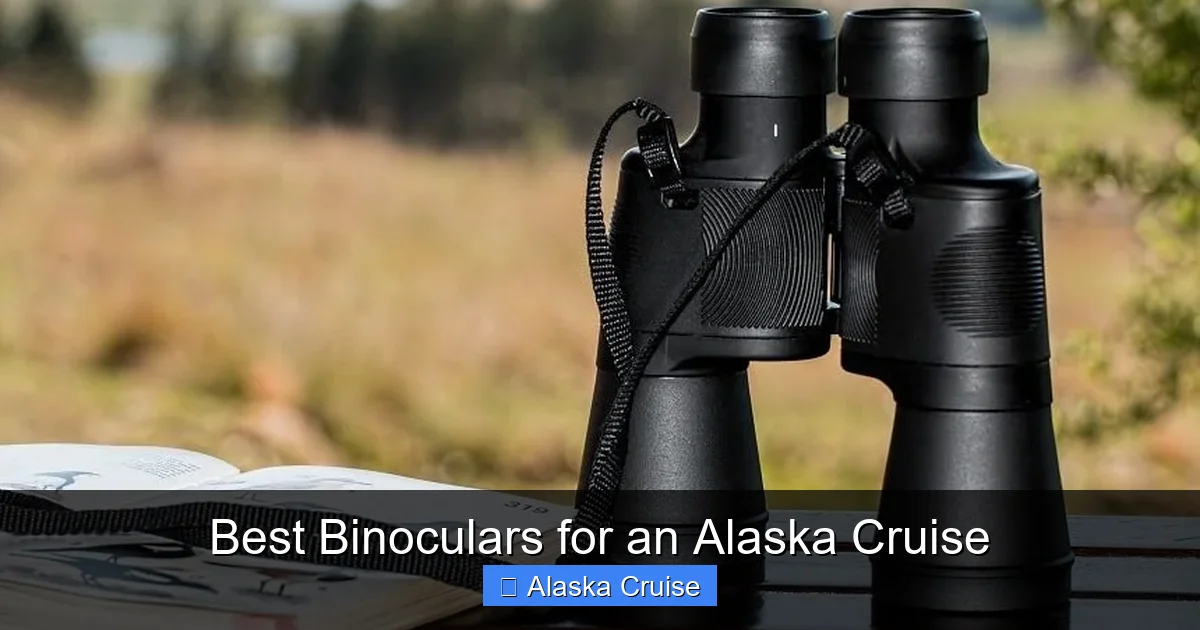
Choosing the best binoculars for an Alaska cruise means balancing power, portability, and weather resistance. Whether you’re scanning icy fjords for humpback whales or watching brown bears fish along riverbanks, the right pair enhances every moment. We’ve tested and reviewed top models to help you see Alaska like never before.
Planning an Alaska cruise is exciting—majestic glaciers, breaching whales, towering mountains, and elusive wildlife await. But to truly experience the grandeur of the Last Frontier, you need more than just your naked eye. The best binoculars for an Alaska cruise can transform a distant speck on the horizon into a full-grown grizzly catching salmon, or a pod of orcas slicing through icy waters. With the right optics, every moment becomes richer, more vivid, and unforgettable.
Alaska’s rugged beauty unfolds across vast distances. Wildlife often appears far offshore or high on cliffs, and weather conditions can shift in minutes. That’s why choosing the right binoculars isn’t just a luxury—it’s a necessity. You’ll want gear that’s powerful enough to bring distant scenes into sharp focus, yet compact enough to carry comfortably all day. Durability is also key: salt spray, sudden rain, and freezing temperatures are part of the Alaskan experience. The last thing you want is fogged-up lenses or a broken hinge when a humpback whale surfaces just 200 yards away.
In this guide, we’ll walk you through everything you need to know to pick the perfect pair of binoculars for your Alaska adventure. From understanding magnification and lens size to comparing top models and learning practical tips for use at sea, we’ve got you covered. Whether you’re a seasoned birder, a photography enthusiast, or simply a curious traveler, the right binoculars will deepen your connection to Alaska’s wild landscapes.
Key Takeaways
- 8×42 or 10×42 binoculars are ideal: These offer a great balance of magnification, light gathering, and field of view for Alaska’s varied wildlife and landscapes.
- Waterproof and fog-proof construction is essential: Alaska’s damp, cold climate demands optics sealed with O-rings and filled with nitrogen or argon to prevent internal fogging.
- Compact and lightweight models win for portability: You’ll be carrying them on deck, in zodiacs, and during shore excursions—every ounce counts.
- Image stabilization helps on moving vessels: Rough seas and boat vibrations can blur views; stabilized binoculars deliver steadier images.
- Close focus distance matters for wildlife: Some animals, like puffins or sea otters, appear close to shore—binoculars with a close focus under 8 feet are a big advantage.
- Lens coatings improve low-light performance: Early mornings and overcast skies are common in Alaska; fully multi-coated lenses maximize brightness.
- Consider a harness over a neck strap: A comfortable harness reduces neck strain during long viewing sessions and keeps binoculars secure on windy decks.
📑 Table of Contents
- Why Binoculars Are a Must-Have on an Alaska Cruise
- Understanding Binocular Specifications: What to Look For
- Top Features to Prioritize for Alaska Conditions
- Top Binocular Models for an Alaska Cruise
- Practical Tips for Using Binoculars on a Cruise
- When and Where to Use Binoculars on an Alaska Cruise
- Conclusion
Why Binoculars Are a Must-Have on an Alaska Cruise
An Alaska cruise isn’t just about the destinations—it’s about the journey. And much of that journey happens on the open water, where the best wildlife sightings often occur far from shore. Without binoculars, you might miss a sea lion colony basking on a rocky outcrop, a bald eagle perched high in a spruce tree, or a glacier calving into the sea with a thunderous crack. Binoculars bring these moments within reach, turning fleeting glimpses into lasting memories.
Consider this: many cruise ships offer commentary and spotting scopes, but these are often limited in number and shared among hundreds of passengers. Having your own pair means you can scan the horizon at your own pace, linger on a scene, or quickly pivot when a guide shouts, “Whale on the starboard side!” Plus, binoculars give you privacy and flexibility—no waiting in line or straining to see over someone else’s shoulder.
Beyond convenience, binoculars enhance safety and awareness. Spotting floating ice, monitoring weather changes, or identifying distant landmarks can help you stay oriented and engaged. They also encourage mindfulness—slowing down to observe, rather than rushing from one photo op to the next. In a place as awe-inspiring as Alaska, slowing down is often the best way to truly see.
Understanding Binocular Specifications: What to Look For
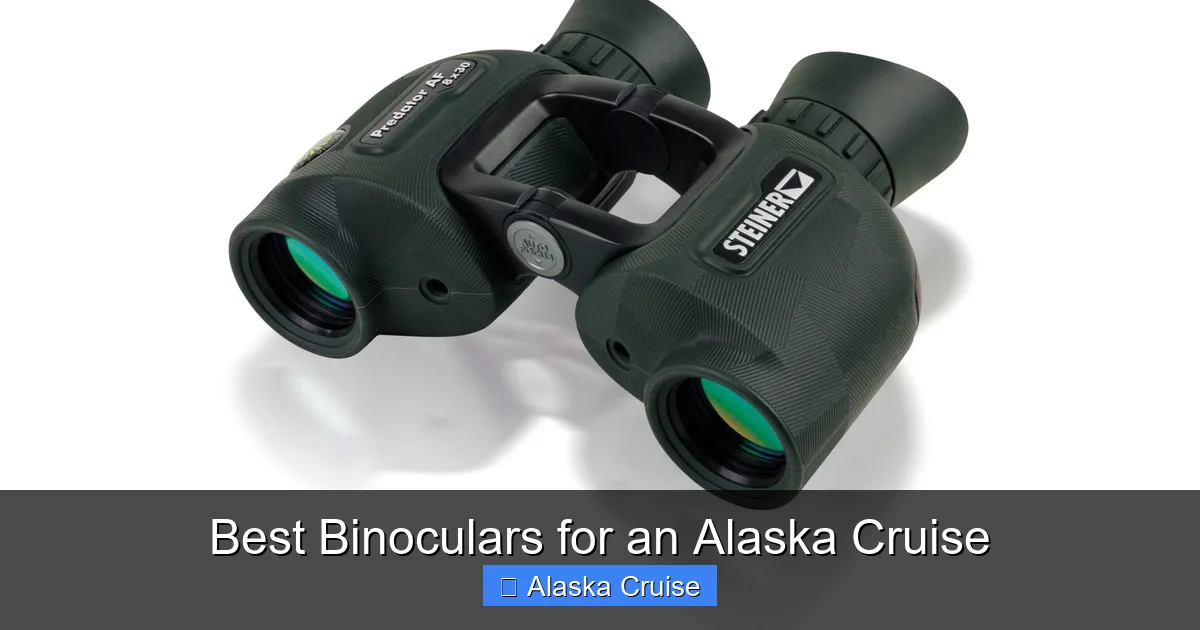
Visual guide about Best Binoculars for an Alaska Cruise
Image source: theoptics.org
Choosing binoculars can feel overwhelming with all the numbers and terms. But don’t worry—we’ll break it down simply. The most important specs to understand are magnification, objective lens diameter, field of view, close focus, and optical coatings. Each plays a role in how well your binoculars perform in Alaska’s unique environment.
Magnification and Objective Lens Size
Binoculars are labeled with two numbers, like 8×42 or 10×50. The first number is the magnification—how many times closer the subject appears. The second is the diameter of the objective (front) lens in millimeters, which determines how much light the binoculars can gather.
For Alaska, 8×42 or 10×42 are the sweet spots. 8x magnification offers a wider field of view and steadier image, making it easier to track moving animals like seals or birds. 10x brings distant objects closer, which is great for spotting whales or mountain goats on cliffs, but it can be harder to hold steady without a tripod or image stabilization.
A 42mm lens is large enough to gather plenty of light for overcast days and early mornings, yet small enough to keep the binoculars relatively lightweight. Larger lenses (like 50mm) gather more light but add bulk—something to avoid when you’re climbing into a zodiac or hiking a trail.
Field of View and Eye Relief
Field of view (FOV) is how wide an area you can see at a certain distance, usually measured in feet at 1,000 yards. A wider FOV helps you scan large areas quickly—essential when searching for wildlife in open water or along coastlines. For example, a FOV of 350 feet at 1,000 yards lets you take in more of a glacier face or a bird colony at once.
Eye relief is the distance your eye can be from the eyepiece while still seeing the full image. This matters if you wear glasses. Look for at least 15mm of eye relief, or binoculars with adjustable eyecups that flip down for glasses wearers.
Close Focus Distance
Close focus is how near an object can be while still staying in sharp focus. In Alaska, you might find yourself just a few feet from a curious otter or a cluster of wildflowers on a shore excursion. Binoculars with a close focus under 8 feet (ideally 6 feet or less) let you enjoy these intimate moments without switching to a monocular or phone camera.
Optical Coatings and Lens Quality
Not all glass is created equal. High-quality lenses with fully multi-coated coatings reduce glare, improve contrast, and deliver brighter, sharper images—especially in low light. Look for terms like “fully multi-coated,” “phase-corrected prisms,” and “ED (extra-low dispersion) glass.” These features minimize color fringing and enhance clarity, making a big difference when viewing distant wildlife or subtle landscape details.
Top Features to Prioritize for Alaska Conditions
Alaska’s environment is unforgiving. Rain, fog, salt spray, and freezing temperatures are common, even in summer. Your binoculars need to withstand these conditions without failing. Here are the key features to prioritize.
Waterproof and Fog-Proof Construction
Saltwater corrosion and internal fogging are real threats on a cruise. Look for binoculars labeled “waterproof” and “fog-proof.” These are sealed with O-rings to keep moisture out and filled with inert gas (nitrogen or argon) to prevent condensation inside the lenses. Even if you drop them in a puddle or get caught in a sudden downpour, they’ll stay dry and clear.
Rubber Armor and Shock Resistance
Alaska excursions often involve bumpy zodiac rides, rocky trails, and unpredictable weather. Rubber armor provides a secure grip and absorbs shocks from drops or impacts. It also adds a layer of protection against scratches and dings. A durable build ensures your binoculars survive the adventure, not just the cruise ship lounge.
Compact and Lightweight Design
You’ll be carrying your binoculars for hours—on deck, during wildlife tours, and while exploring ports. Heavy models can cause neck strain and fatigue. Compact binoculars (under 25 ounces) are easier to handle and more likely to stay with you throughout the day. Many top models now offer full-size performance in a compact body, thanks to advanced prism designs and lightweight materials.
Image Stabilization (Optional but Helpful)
On a moving boat, even the steadiest hands can struggle to keep a 10x image stable. Image-stabilized binoculars use gyroscopic systems to reduce shake, delivering a smoother view. While these models are more expensive and slightly heavier, they’re worth considering if you plan to spend a lot of time on the water or have trouble holding binoculars steady.
Top Binocular Models for an Alaska Cruise
After testing and comparing dozens of models, here are our top picks for Alaska cruises—each excelling in different areas to suit various needs and budgets.
Best Overall: Nikon Monarch M7 8×42
The Nikon Monarch M7 8×42 combines excellent optics, rugged build, and a comfortable ergonomic design. With fully multi-coated lenses and ED glass, it delivers bright, sharp images even in overcast conditions. It’s waterproof, fog-proof, and weighs just 22.9 ounces. The wide field of view (350 ft at 1,000 yds) and close focus of 6.6 feet make it perfect for both distant whales and nearby wildlife. It’s also backed by Nikon’s excellent warranty and customer service.
Best for Stability: Canon 10×30 IS Image Stabilizing Binoculars
If you want rock-steady views on a moving boat, the Canon 10×30 IS is a game-changer. Its built-in image stabilization reduces hand shake and boat motion, making it easier to track fast-moving animals like dolphins or eagles in flight. The 10x magnification brings distant scenes closer, and the 30mm lenses keep the weight down to 22.6 ounces. It’s waterproof and fog-proof, though battery life (about 12 hours) is something to monitor.
Best Compact: Vortex Optics Vanquish 8×26
For travelers who prioritize portability, the Vortex Vanquish 8×26 is a standout. At just 13.8 ounces, it’s one of the lightest full-featured binoculars available. Despite its small size, it offers fully multi-coated lenses, phase-corrected prisms, and a close focus of 6.5 feet. It’s waterproof and fog-proof, with a durable rubber armor. While the 26mm lenses gather less light than larger models, it’s a great choice for day hikes and quick wildlife spotting.
Best Budget: Celestron Nature DX 8×42
Don’t let the price fool you—the Celestron Nature DX 8×42 delivers impressive performance for under $150. It features BaK-4 prisms, fully multi-coated optics, and a close focus of 6.5 feet. It’s waterproof and fog-proof, with a comfortable grip and lightweight design (22.2 oz). While it lacks some premium features like ED glass, it’s an excellent entry-level option for travelers who want quality without the high cost.
Best Premium: Swarovski EL 10×42
For those who want the absolute best, the Swarovski EL 10×42 is the gold standard. With Swarovski’s legendary optics, it delivers stunning clarity, color fidelity, and brightness. The ergonomic open-bridge design is comfortable for long viewing sessions, and the build quality is unmatched. It’s waterproof, fog-proof, and includes a lifetime warranty. At over $2,500, it’s an investment—but for serious wildlife enthusiasts, it’s worth every penny.
Practical Tips for Using Binoculars on a Cruise
Having great binoculars is only half the battle. Knowing how to use them effectively makes all the difference. Here are some practical tips to get the most out of your Alaska adventure.
Use a Harness, Not a Neck Strap
A neck strap may seem fine at first, but after hours on deck, it can dig into your neck and cause fatigue. A binocular harness distributes weight across your shoulders and back, keeping the optics secure and comfortable. It also prevents accidental drops—especially important on windy decks or in zodiacs.
Adjust the Eyecups and Interpupillary Distance
Before you set sail, take time to customize your binoculars. Flip down the eyecups if you wear glasses, or twist them up for unobstructed viewing. Adjust the distance between the eyepieces (interpupillary distance) so the image merges into a single circle. A proper fit reduces eye strain and improves image quality.
Practice Focusing and Panning
Spend a few minutes on the first day practicing focus and smooth panning. Use the central focus wheel to sharpen the image, and the diopter adjustment (usually on the right eyepiece) to fine-tune for your eyes. Practice tracking a moving object—like a bird or boat—to build muscle memory. This will help you react quickly when wildlife appears.
Protect Your Binoculars from the Elements
Even waterproof binoculars need care. Rinse them with fresh water after exposure to salt spray, and store them in a dry place. Use lens caps or a protective case when not in use. Avoid touching the lenses with your fingers—use a microfiber cloth and lens cleaner instead.
Share the View
Binoculars are a great way to connect with fellow travelers. Offer to let others take a look when you spot something amazing. It’s a small gesture that can spark conversations and shared excitement. Just be sure to clean the eyepieces with a lens wipe before passing them around.
When and Where to Use Binoculars on an Alaska Cruise
Knowing where and when to use your binoculars can maximize your chances of unforgettable sightings. Here are some prime opportunities.
Glacier Bay and Tracy Arm Fjord
These icy landscapes are best viewed up close. Use your binoculars to spot calving glaciers, harbor seals on ice floes, and seabird colonies on cliff ledges. The reflections on the water can be dazzling—binoculars help you appreciate the textures and colors of the ice.
Whale Watching in Frederick Sound or Icy Strait
Humpback whales, orcas, and minke whales are common in these waters. Scan the horizon for blows (spouts of water) or dorsal fins. Binoculars let you track their movements and observe behaviors like breaching or bubble-net feeding.
Brown Bear Viewing in Katmai or Admiralty Island
When on shore excursions, use binoculars to observe bears from a safe distance. You might see them fishing for salmon, playing with cubs, or foraging along the shore. Never approach wildlife—binoculars keep you close without disturbing them.
Birdwatching on the Tongass National Forest
Alaska is a birding paradise. Look for bald eagles, puffins, murres, and marbled murrelets. Binoculars help you identify species by plumage, behavior, and habitat. Bring a field guide or use a birding app to enhance your experience.
Sunrise and Sunset on the Water
Even without wildlife, the light over Alaska’s waters is magical. Use your binoculars to study the colors reflecting off the waves, or to spot distant mountains emerging from the mist. It’s a peaceful way to start or end your day.
Conclusion
An Alaska cruise is a once-in-a-lifetime experience, and the right binoculars can make it even more extraordinary. They bring you closer to the wild heart of Alaska—whether you’re watching a glacier crash into the sea, a whale breach in the distance, or a bear wander along a riverbank. By choosing a pair that’s waterproof, lightweight, and optically superb, you ensure that every moment is seen in stunning detail.
Remember, the best binoculars for an Alaska cruise aren’t necessarily the most expensive—they’re the ones that fit your needs, your budget, and your sense of adventure. Whether you go with a compact model for easy carrying or a stabilized pair for smooth viewing, you’ll be glad you brought them along. So pack your binoculars, charge your camera, and get ready to see Alaska like never before.
Frequently Asked Questions
What magnification is best for Alaska cruise binoculars?
8x or 10x magnification is ideal. 8x offers a wider field of view and steadier image, while 10x brings distant objects closer. For most travelers, 8×42 provides the best balance of power and usability.
Do I need waterproof binoculars for an Alaska cruise?
Yes. Alaska’s damp, salty environment demands waterproof and fog-proof binoculars. Look for models sealed with O-rings and filled with nitrogen or argon to prevent internal fogging.
Can I use binoculars on a moving boat?
Yes, but image stabilization helps. Without it, boat motion can make high-magnification views shaky. Consider stabilized models like the Canon 10×30 IS for smoother viewing on rough seas.
Are compact binoculars good enough for wildlife viewing?
Yes, if they have quality optics. Compact models like the Vortex Vanquish 8×26 are lightweight and portable, making them great for long days. Just ensure they have fully multi-coated lenses and good close focus.
Should I bring a tripod for my binoculars?
Generally no. Tripods are bulky and impractical on a cruise. Instead, use a harness for comfort and consider image-stabilized binoculars for steadier views on the water.
How do I clean my binoculars after saltwater exposure?
Rinse them gently with fresh water to remove salt, then dry with a soft cloth. Use a microfiber cloth and lens cleaner for the lenses. Store in a dry case to prevent corrosion.