
Choosing the right binoculars for your Alaska cruise 2026 can make all the difference in spotting whales, bears, and glaciers up close. With the right pair, you’ll enjoy crisp, bright views even in low light and rough weather. This guide covers top models, key features, and expert tips to help you pick the perfect set for your adventure.
Key Takeaways
- Magnification and objective lens size matter: 8×42 or 10×42 binoculars offer the best balance of stability, brightness, and field of view for Alaska’s dynamic scenery.
- Weather resistance is essential: Look for fully waterproof and fog-proof binoculars with rubber armor to handle rain, spray, and temperature swings.
- Image stabilization helps on moving ships: If you’re prone to shaky hands or riding choppy waters, consider stabilized models for smoother viewing.
- Compact and lightweight designs win: You’ll be carrying them all day—choose a pair that’s easy to pack and comfortable around your neck.
- Brightness and clarity in low light: Early mornings and overcast skies are common; prioritize lenses with high light transmission and multi-coated optics.
- Don’t forget the strap and case: A padded neck strap and durable case protect your investment and make transport hassle-free.
- Test before you buy: Try different models to see which feel best in your hands and suit your eyesight needs.
📑 Table of Contents
- Why Binoculars Are a Must-Have for Your Alaska Cruise 2026
- What to Look for in Binoculars for Alaska Cruises
- Top Binocular Recommendations for Alaska Cruise 2026
- Practical Tips for Using Binoculars on Your Alaska Cruise
- Common Mistakes to Avoid When Choosing Binoculars
- Conclusion: Make Every Moment Count on Your Alaska Cruise 2026
Why Binoculars Are a Must-Have for Your Alaska Cruise 2026
An Alaska cruise is one of the most breathtaking travel experiences on Earth. From towering glaciers calving into icy waters to humpback whales breaching just yards from your ship, the sights are nothing short of magical. But here’s the thing—many of these moments happen far from shore or high above the treeline. Without a good pair of binoculars, you might miss the eagle nesting on a cliff, the sea otter floating on its back, or the distant pod of orcas slicing through the waves.
That’s why bringing the best binoculars for Alaska cruise 2026 isn’t just a nice-to-have—it’s essential. The right pair lets you zoom in on wildlife, appreciate geological wonders up close, and fully immerse yourself in the raw beauty of the Last Frontier. Whether you’re sailing through Glacier Bay, exploring the Inside Passage, or cruising near Ketchikan, binoculars turn fleeting glimpses into unforgettable memories.
But not all binoculars are created equal. Alaska’s climate is unpredictable—rain, fog, and sudden temperature drops are common. You need optics that can handle moisture, resist fogging, and deliver sharp images in low-light conditions. Plus, you’ll be on a moving ship, so stability and ease of use matter just as much as magnification power. In this guide, we’ll walk you through everything you need to know to choose the perfect binoculars for your 2026 Alaska adventure.
What to Look for in Binoculars for Alaska Cruises
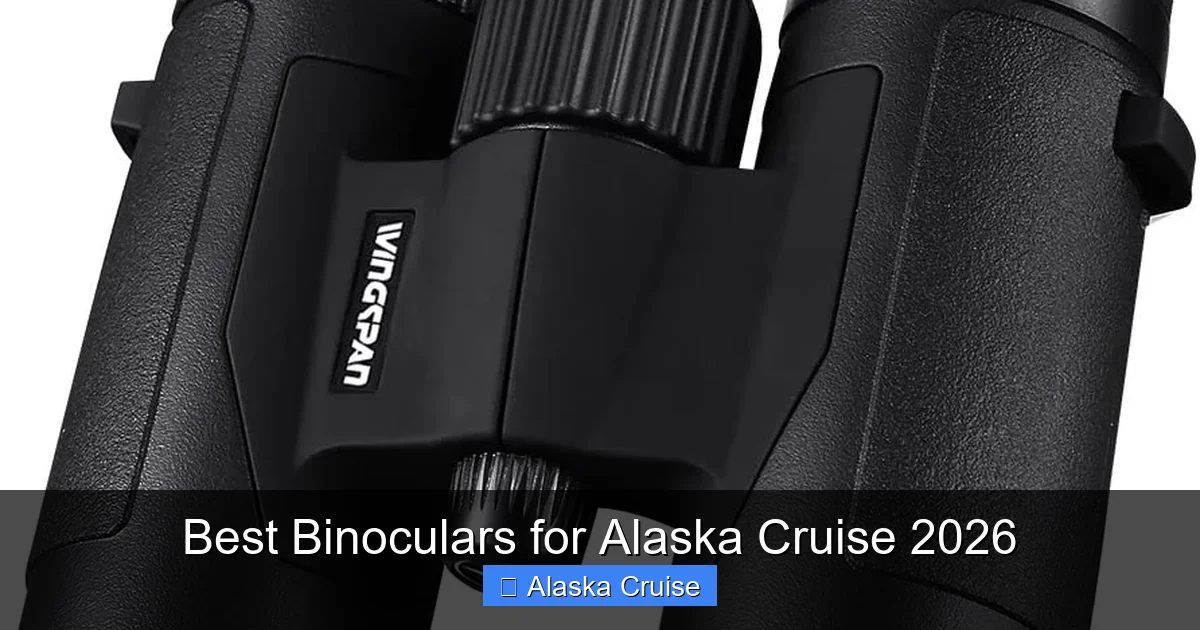
Visual guide about Best Binoculars for Alaska Cruise 2026
Image source: theoptics.org
When shopping for binoculars, it’s easy to get overwhelmed by numbers, jargon, and flashy marketing. But don’t worry—we’ll break it down into simple, practical advice. The key is to focus on features that match Alaska’s unique environment and your personal needs as a traveler.
Magnification and Objective Lens Size
The first thing you’ll notice on any binocular box is a number like “8×42” or “10×50.” The first number is the magnification—how many times closer the object appears. The second is the diameter of the objective lens in millimeters, which determines how much light enters the binoculars.
For Alaska cruises, 8×42 or 10×42 binoculars are ideal. An 8x magnification offers a wider field of view and steadier image, which is great for scanning large areas like fjords or shorelines. A 10x magnification brings you closer to distant wildlife, but it can be shakier, especially on a moving ship. The 42mm objective lens strikes a perfect balance—large enough to gather plenty of light for dawn or dusk viewing, but not so bulky that they become a burden.
Avoid going too high with magnification (like 12x or 15x) unless you plan to mount them on a tripod. Handheld high-power binoculars can be difficult to keep steady, and the narrow field of view makes it harder to track moving animals.
Weather Resistance and Durability
Alaska doesn’t mess around when it comes to weather. One minute it’s sunny, the next it’s pouring rain or blanketed in fog. Your binoculars need to be ready for anything.
Look for models labeled “fully waterproof” and “fog-proof.” Waterproof binoculars are sealed with O-rings to prevent moisture from entering, while fog-proof models are filled with inert gas (like nitrogen or argon) to stop internal fogging when temperatures change. This is crucial when moving from a warm cabin to a chilly deck.
Rubber armor is another must. It provides a secure grip even when wet and protects the binoculars from bumps and drops. If you’re prone to clumsiness (we’ve all been there), this extra layer of protection can save your investment.
Optical Quality and Lens Coatings
Not all glass is created equal. High-quality optics with multi-coated or fully multi-coated lenses deliver brighter, sharper, and more color-accurate images. These coatings reduce glare, improve light transmission, and enhance contrast—especially important in overcast or low-light conditions.
Look for terms like “fully multi-coated lenses,” “ED (extra-low dispersion) glass,” or “phase-corrected prisms.” These features minimize color fringing and distortion, giving you a clearer view of a grizzly bear foraging on the shore or a glacier’s intricate blue crevasses.
Size, Weight, and Comfort
You’ll likely be carrying your binoculars for hours at a time, so comfort is key. Compact and lightweight models are easier to handle and less likely to cause neck strain. A pair under 25 ounces is ideal for most travelers.
Also consider the eyecups. If you wear glasses, look for twist-up or retractable eyecups that let you get closer to the lenses for a full field of view. For non-glasses wearers, soft, fold-down eyecups help block out peripheral light.
Image Stabilization: A Game-Changer on the Water
If you’re sailing through choppy seas or have unsteady hands, image-stabilized binoculars can be a lifesaver. These models use gyroscopic or electronic systems to reduce shake, giving you a rock-steady view even on a rocking ship.
While they’re more expensive, they’re worth considering if you plan to do a lot of wildlife watching or photography. Just remember—stabilized binoculars often require batteries, so pack extras or a portable charger.
Top Binocular Recommendations for Alaska Cruise 2026
Now that you know what to look for, let’s dive into some of the best binoculars for Alaska cruise 2026. These models combine performance, durability, and value to enhance your cruise experience.
1. Nikon Monarch M7 8×42
A favorite among nature lovers, the Nikon Monarch M7 8×42 offers exceptional clarity and brightness. With fully multi-coated lenses and ED glass, it delivers vibrant, true-to-life colors—perfect for spotting a bald eagle against a snowy backdrop.
It’s lightweight (23.5 oz), waterproof, and fog-proof, with a comfortable grip and smooth focus wheel. The wide field of view makes it easy to track moving wildlife, and the close focus distance (6.6 feet) lets you observe details up close.
Best for: Travelers who want premium optics without the premium price.
2. Vortex Optics Diamondback HD 10×42
Vortex is known for rugged, reliable optics, and the Diamondback HD 10×42 lives up to the reputation. It features high-definition glass, fully multi-coated lenses, and a durable rubber armor coating.
The 10x magnification brings distant glaciers and whales into sharp focus, while the 42mm lenses ensure bright images in low light. It’s also backed by Vortex’s VIP warranty—unconditional lifetime coverage, even if you drop it overboard (though we don’t recommend testing that!).
Best for: Adventurers who want durability and long-range viewing.
3. Zeiss Terra ED 8×42
German engineering meets outdoor performance in the Zeiss Terra ED 8×42. These binoculars feature ED glass and LotuTec water-repellent coatings, which help water and dirt slide right off the lenses.
They’re compact, lightweight (22.9 oz), and deliver stunning image quality with excellent color fidelity. The ergonomic design fits comfortably in hand, and the focus wheel is precise and easy to use, even with gloves on.
Best for: Travelers who prioritize optical excellence and compact design.
4. Bushnell Legend Ultra HD 10×42
A great mid-range option, the Bushnell Legend Ultra HD 10×42 offers high-definition optics at an affordable price. It features fully multi-coated lenses, ED Prime glass, and a waterproof, fog-proof design.
The 10x magnification is ideal for spotting distant wildlife, and the 42mm lenses provide bright, clear views in most conditions. The rubber armor ensures a secure grip, and the included strap and case make it easy to carry.
Best for: Budget-conscious travelers who still want high performance.
5. Fujinon Techno-Stabi TS-X 14×40
If you’re serious about stability, the Fujinon Techno-Stabi TS-X 14×40 is a top-tier choice. With 14x magnification and built-in image stabilization, it delivers incredibly steady views—even on a rocking ship.
The 40mm lenses gather plenty of light, and the stabilization system can be adjusted for different motion levels. It’s heavier than other models (35 oz), but the trade-off is unmatched clarity for long-range observation.
Best for: Wildlife enthusiasts and photographers who need rock-solid stability.
Practical Tips for Using Binoculars on Your Alaska Cruise
Having the right binoculars is only half the battle—knowing how to use them effectively makes all the difference. Here are some pro tips to get the most out of your Alaska cruise experience.
Pack Smart and Protect Your Investment
Store your binoculars in a padded case when not in use. A neck strap with a quick-release buckle lets you drop them quickly if you need both hands. Consider a rain cover or neoprene sleeve for extra protection during sudden downpours.
Avoid leaving them in direct sunlight or extreme cold for long periods, as temperature swings can affect internal components.
Use a Tripod or Monopod for Stability
Even with image stabilization, a tripod or monopod can help reduce fatigue and improve image clarity—especially with higher magnification models. Many binoculars have a tripod adapter thread, so you can attach them to a small travel tripod.
Scan Slowly and Systematically
When scanning the horizon or shoreline, move your binoculars slowly and in small sections. This helps your eyes pick up movement and detail. Start wide, then zoom in on areas of interest.
Focus on the Eyes
When observing wildlife, focus on the eyes first. This helps you achieve sharp focus quickly and brings the entire subject into clarity.
Take Breaks to Avoid Eye Strain
Staring through binoculars for long periods can tire your eyes. Take short breaks every 10–15 minutes to rest and rehydrate.
Share the View
Binoculars are a great way to connect with fellow travelers. Offer to share your view of a whale or glacier—it’s a simple gesture that can spark conversations and create shared memories.
Common Mistakes to Avoid When Choosing Binoculars
Even experienced travelers can make poor binocular choices. Here are some common pitfalls and how to avoid them.
Choosing Based on Magnification Alone
Higher magnification isn’t always better. A 15x binocular may seem impressive, but it’s harder to hold steady, has a narrower field of view, and often sacrifices brightness. Stick with 8x or 10x for the best balance.
Ignoring Weather Resistance
Cheap binoculars may look good on paper but fail in real-world conditions. Always check for waterproof and fog-proof ratings—especially for Alaska’s unpredictable climate.
Overlooking Comfort and Ergonomics
A heavy or poorly balanced pair can cause neck strain. Try them on before buying—adjust the eyecups, test the focus wheel, and see how they feel around your neck.
Buying the Cheapest Option
While budget matters, skimping on optics can lead to disappointment. A mid-range pair with good coatings and build quality will outperform a cheap model every time.
Forgetting About Accessories
A good strap, case, and lens caps are essential. Some models include them, but others don’t—factor these into your budget.
Conclusion: Make Every Moment Count on Your Alaska Cruise 2026
An Alaska cruise is a once-in-a-lifetime journey filled with awe-inspiring sights and unforgettable wildlife encounters. The right binoculars don’t just enhance your experience—they help you truly connect with the wild beauty of the region.
From spotting a sea lion basking on a rock to watching a glacier calve into the sea, every moment is richer when you can see it up close. By choosing a pair that balances magnification, durability, and optical quality, you’ll be ready for whatever Alaska throws your way.
Whether you go with the Nikon Monarch M7, Vortex Diamondback HD, or Fujinon Techno-Stabi, remember: the best binoculars for Alaska cruise 2026 are the ones that feel right in your hands and help you see the world with wonder.
So pack your bags, charge your camera, and don’t forget your binoculars. The Last Frontier is waiting—and it’s even more magnificent through a clear, bright lens.
Frequently Asked Questions
What magnification is best for Alaska cruise binoculars?
For most travelers, 8x or 10x magnification is ideal. 8x offers a wider field of view and steadier image, while 10x brings distant wildlife closer. Avoid going above 10x unless you use a tripod or image stabilization.
Are waterproof binoculars necessary for an Alaska cruise?
Yes. Alaska’s weather is unpredictable, with rain, fog, and sea spray common. Waterproof and fog-proof binoculars ensure your optics stay clear and functional in all conditions.
Can I use binoculars with glasses?
Absolutely. Look for models with twist-up or retractable eyecups that allow you to get closer to the lenses for a full field of view. Many top brands offer this feature.
Do I need image-stabilized binoculars on a cruise ship?
It depends. If you’re prone to shaky hands or sailing in rough waters, stabilization can help. However, it adds cost and weight—many travelers do just fine with high-quality 8×42 or 10×42 models.
How much should I spend on binoculars for an Alaska cruise?
Expect to spend $150–$400 for a quality pair. Mid-range models like the Vortex Diamondback HD or Nikon Monarch M7 offer excellent performance without breaking the bank.
Can I rent binoculars for my Alaska cruise?
Some cruise lines or tour operators offer rentals, but availability varies. It’s usually better to bring your own—this ensures you have a reliable, well-fitted pair for the entire trip.