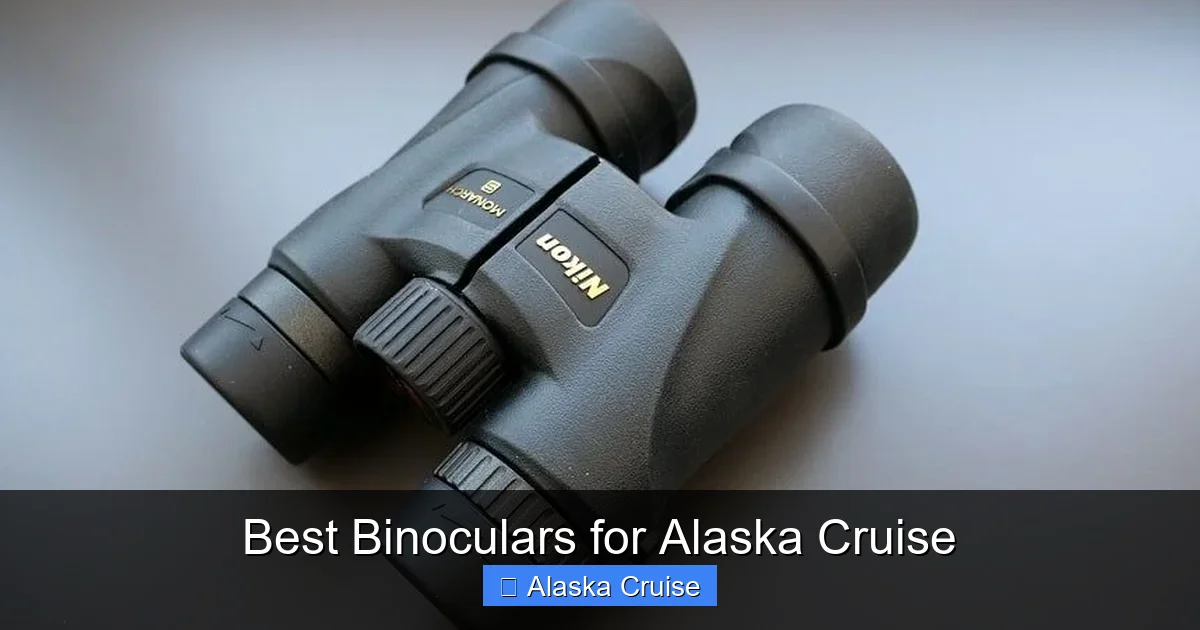
Choosing the best binoculars for an Alaska cruise can make or break your wildlife viewing experience. With so much to see—from breaching humpback whales to towering glaciers—you need optics that deliver clarity, durability, and comfort in harsh conditions.
Key Takeaways
- Waterproof and fog-proof design is essential: Alaska’s damp, cold climate demands binoculars that won’t fog up or let moisture in—look for nitrogen-purged, O-ring sealed models.
- 7x to 10x magnification offers the best balance: Higher magnification may seem tempting, but 7x or 10x provides a stable image and wider field of view, crucial on a moving ship.
- Objective lens size matters for low-light performance: A 42mm or 50mm lens gathers more light, ideal for early morning fjords or overcast skies common in Alaska.
- Compact and lightweight models enhance comfort: You’ll be carrying them for hours—choose a pair under 2.5 pounds with a comfortable grip and neck strap.
- Image stabilization is a game-changer on rough seas: If your budget allows, stabilized binoculars reduce shake and make spotting distant wildlife much easier.
- Coatings and lens quality affect image clarity: Fully multi-coated lenses deliver brighter, sharper images—don’t skimp on optical quality.
- Try before you buy or read detailed reviews: Fit, eye relief, and ease of focus vary—ensure the model suits your eyes and hands.
📑 Table of Contents
- Why Binoculars Are a Must-Have for Your Alaska Cruise
- What Makes Alaska a Unique Challenge for Binoculars?
- Key Features to Look for in Binoculars for Alaska
- Top Binocular Recommendations for Alaska Cruises
- How to Use Your Binoculars Effectively on an Alaska Cruise
- Packing and Caring for Your Binoculars
- Final Thoughts: Make Every Moment Count
Why Binoculars Are a Must-Have for Your Alaska Cruise
An Alaska cruise isn’t just a vacation—it’s a front-row seat to one of the most dramatic natural theaters on Earth. From the thunderous calving of glaciers to the graceful arc of a humpback whale’s fluke, the sights are nothing short of breathtaking. But here’s the catch: many of the most unforgettable moments happen far from the ship, hidden in the mist, or visible only through a keen eye and the right gear.
That’s where binoculars come in. Without them, you might miss a grizzly bear fishing for salmon along a riverbank, a pod of orcas slicing through icy waters, or a bald eagle perched high in a spruce tree. These aren’t just distant blurs—they’re intimate wildlife encounters that define an Alaskan adventure. And while your ship may offer loaner binoculars, they’re often low-quality, poorly maintained, or simply not up to the task.
Investing in your own pair ensures you’re ready for every moment. Whether you’re anchored in Glacier Bay, cruising through the Inside Passage, or exploring remote fjords, the right binoculars transform passive sightseeing into an immersive experience. They bring you closer—without disturbing the wildlife—and let you appreciate details your naked eye would never catch.
What Makes Alaska a Unique Challenge for Binoculars?
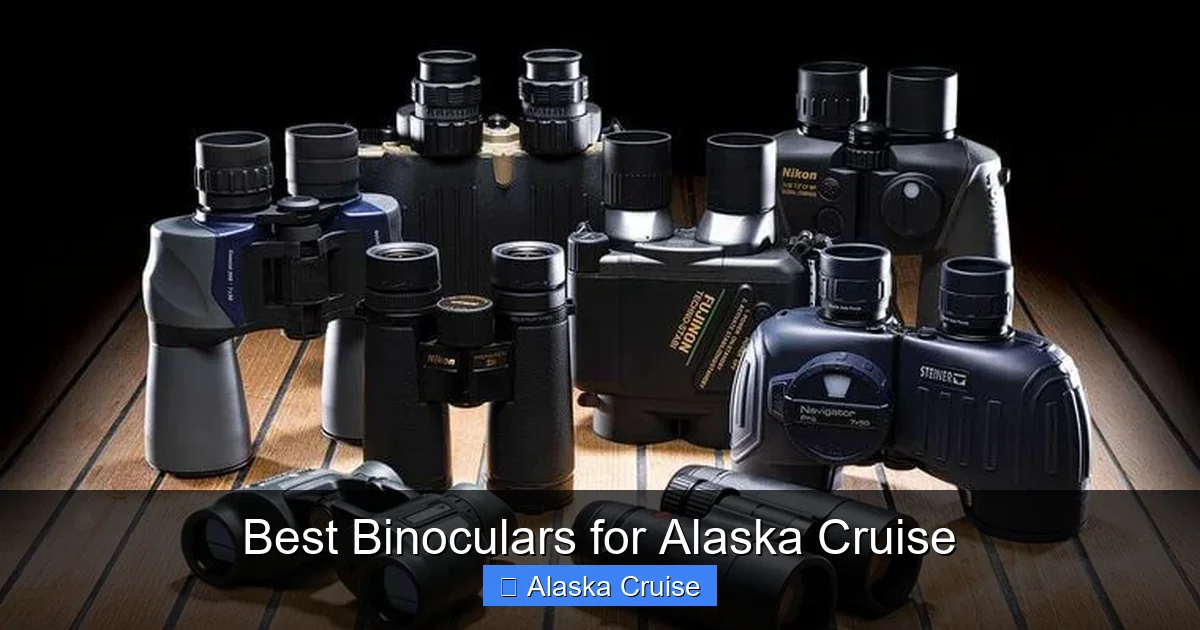
Visual guide about Best Binoculars for Alaska Cruise
Image source: theoptics.org
Alaska’s environment is as beautiful as it is unforgiving. The combination of cold temperatures, high humidity, salt spray, and constant motion on a ship creates a demanding setting for any optical device. Standard binoculars designed for backyard birdwatching or stadium events simply won’t cut it here.
One of the biggest challenges is moisture. Fog, rain, and sea spray are common, especially in coastal regions like Juneau, Ketchikan, and Sitka. If your binoculars aren’t fully sealed, moisture can seep inside, fogging the lenses and ruining your view. Even brief exposure to saltwater can corrode internal components over time.
Then there’s the cold. Temperatures can drop near freezing, even in summer. Metal parts may contract, rubber coatings can stiffen, and internal air can condense if the binoculars aren’t properly purged. This is why nitrogen or argon purging is non-negotiable—it prevents internal fogging by replacing moist air with dry gas.
Another factor is motion. Ships rock and sway, especially in open water or during glacier calving events. High magnification binoculars (like 12x or 15x) amplify this movement, making it nearly impossible to keep a steady image. That’s why lower magnification—7x or 10x—is often better for marine use.
Finally, lighting conditions vary dramatically. Mornings in the fjords can be dim and misty, while midday sun reflects off snow and water, creating glare. You need binoculars that perform well in low light and handle bright conditions without washing out details.
Key Features to Look for in Binoculars for Alaska
When shopping for binoculars for your Alaska cruise, it’s easy to get overwhelmed by technical specs and marketing claims. But focus on these core features, and you’ll make a smart choice.
Magnification and Objective Lens Size
The numbers on binoculars—like 8×42 or 10×50—tell you two important things: magnification and objective lens diameter. The first number is how many times closer the object appears. The second is the size of the front lens in millimeters.
For Alaska, 7x to 10x magnification is ideal. 7x offers a wider field of view and steadier image, great for scanning large areas like glaciers or shorelines. 10x brings you closer to distant wildlife but requires a steadier hand. Avoid anything above 10x unless you have image stabilization.
Objective lens size affects light gathering. A 42mm lens is a sweet spot—big enough for bright images in low light, but not so large that the binoculars become heavy. 50mm lenses gather even more light but add weight and bulk. If you’re prone to fatigue or have small hands, stick with 42mm.
Waterproof and Fog-Proof Construction
This is non-negotiable. Look for binoculars labeled “waterproof” and “fog-proof.” These terms mean the optics are sealed with O-rings and filled with inert gas like nitrogen or argon. This prevents internal fogging and keeps moisture out—even if you drop them in a puddle or get caught in a sudden downpour.
Many mid-to-high-end models from brands like Nikon, Vortex, and Zeiss offer this feature. Don’t assume all “weather-resistant” binoculars are fully waterproof—check the specs carefully.
Lens Coatings and Optical Quality
Not all glass is created equal. Fully multi-coated lenses reduce glare, improve contrast, and deliver brighter images. These coatings are especially important in Alaska’s variable lighting.
Look for terms like “fully multi-coated,” “phase-corrected prisms,” and “ED (extra-low dispersion) glass.” These features minimize color fringing and enhance clarity, so you see true-to-life colors and sharp details—even at dawn or dusk.
Eye Relief and Comfort
If you wear glasses, eye relief—the distance from the eyepiece to your eye where the full image is visible—is crucial. Aim for at least 15mm of eye relief. Many models offer twist-up or fold-down eyecups to accommodate glasses wearers.
Comfort also means a good grip, balanced weight, and smooth focus wheel. You’ll be using these for hours, so avoid models that feel awkward or strain your hands.
Size and Weight
Full-size binoculars (like 10×50) offer excellent performance but can be heavy. Compact models (8×25 or 10×25) are lighter but sacrifice light gathering and image stability.
For Alaska, mid-size binoculars (8×42 or 10×42) strike the best balance. They’re portable enough for all-day use but powerful enough for serious wildlife viewing.
Top Binocular Recommendations for Alaska Cruises
With so many options on the market, we’ve narrowed it down to five standout models that excel in Alaska’s demanding conditions. Each offers a unique blend of performance, durability, and value.
1. Vortex Optics Diamondback HD 10×42
The Vortex Diamondback HD is a favorite among nature enthusiasts for good reason. With 10x magnification and a 42mm objective lens, it delivers crisp, bright images ideal for spotting distant wildlife. The HD (high-definition) glass reduces chromatic aberration, so colors stay true and edges stay sharp.
It’s fully waterproof and fog-proof, with a rugged rubber armor that absorbs shock and provides a secure grip—even with wet hands. The focus wheel is smooth and precise, and the twist-up eyecups work well with or without glasses.
At just under 2 pounds, it’s lightweight enough for long days on deck. Vortex also offers a lifetime warranty, so you’re covered if anything goes wrong. For around $250, it’s an excellent value for serious cruisers.
2. Nikon Monarch M7 8×42
Nikon’s Monarch M7 combines Japanese optics with user-friendly design. The 8x magnification offers a wide field of view—perfect for scanning glaciers or shorelines—while the 42mm lens ensures bright images in low light.
The phase-corrected prisms and fully multi-coated lenses deliver exceptional clarity and color fidelity. It’s also waterproof and fog-proof, with a comfortable grip and easy-to-use focus knob.
One standout feature is the close focus distance—just 6.6 feet—so you can observe nearby birds or flowers in stunning detail. At 1.5 pounds, it’s one of the lighter full-size models, making it ideal for travelers. Priced around $300, it’s a premium choice for those who want top-tier optics.
3. Zeiss Terra ED 8×42
Zeiss is synonymous with optical excellence, and the Terra ED lives up to the reputation. The extra-low dispersion (ED) glass eliminates color fringing, delivering lifelike images with exceptional contrast.
The 8×42 configuration is perfect for Alaska—stable, bright, and versatile. It’s fully sealed against moisture and fog, with a durable polycarbonate chassis that resists impacts.
The ergonomic design fits comfortably in hand, and the focus wheel is buttery smooth. Eye relief is generous at 18mm, making it ideal for glasses wearers. At $400, it’s a higher investment, but the optical quality is worth it for discerning viewers.
4. Bushnell Legend Ultra HD 10×42
Bushnell’s Legend Ultra HD offers premium features at a mid-range price. The 10x magnification brings distant wildlife into clear view, while the 42mm lens gathers ample light for dawn and dusk viewing.
It features fully multi-coated optics and ED Prime glass for sharp, vibrant images. The RainGuard HD coating repels water, fog, and fingerprints—handy in Alaska’s damp climate.
The magnesium chassis keeps weight down to 1.8 pounds, and the rubber armor provides a secure grip. The focus system is fast and accurate, and the eyecups are comfortable for extended use. At around $200, it’s a budget-friendly option that doesn’t sacrifice performance.
5. Canon 10×42 Image Stabilization Binoculars
If you’re willing to invest in the ultimate viewing experience, Canon’s image-stabilized binoculars are in a league of their own. The built-in stabilization system counteracts hand shake and ship motion, delivering a rock-steady image even at 10x magnification.
The 42mm lenses are fully multi-coated, and the optics are sharp and bright. The stabilization is powered by AA batteries and can be turned on or off as needed. It’s especially useful when viewing from a moving ship or in rough seas.
The downside? They’re heavier (about 2.8 pounds) and more expensive (around $700). But for travelers who want the clearest, most stable view possible, they’re worth every penny.
How to Use Your Binoculars Effectively on an Alaska Cruise
Owning great binoculars is only half the battle—knowing how to use them makes all the difference. Here are some practical tips to get the most out of your optics during your cruise.
Stabilize Your View
Even with lower magnification, ship movement can make viewing difficult. Lean against a railing or bulkhead to steady yourself. If possible, rest your elbows on a solid surface. For extra stability, consider a binocular tripod adapter—especially if you’re using higher magnification or image-stabilized models.
Scan Methodically
Don’t just stare at one spot. Use a sweeping motion to scan the shoreline, water, and sky. Start wide, then zoom in on areas of interest. This helps you cover more ground and increases your chances of spotting wildlife.
Use the Right Lighting
Early morning and late afternoon offer the best light for wildlife viewing. The low angle reduces glare and enhances contrast. Avoid looking directly into the sun, as it can wash out details and strain your eyes.
Clean and Maintain Your Binoculars
Salt spray and moisture can leave residue on lenses. Carry a microfiber cloth and lens cleaning solution. Avoid using clothing or paper towels, which can scratch the coatings. After each use, wipe down the exterior and store them in a protective case.
Check the focus and diopter settings regularly. If the image appears blurry, adjust the center focus wheel and diopter (usually on the right eyepiece) to match your eyes.
Share the Experience
Binoculars are more fun when shared. Pass them around with family or fellow passengers. Teach kids how to use them safely and patiently. It’s a great way to bond and ensure everyone gets a chance to see the magic.
Packing and Caring for Your Binoculars
Your binoculars are an investment—protect them like one. Here’s how to pack and care for them during your trip.
Choose the Right Case
A hard or padded case is essential for travel. Look for one with foam inserts that hold the binoculars securely. Soft cases are fine for day use but offer less protection during transit.
Use a Neck Strap or Harness
A comfortable strap prevents drops and reduces neck strain. Many models come with basic straps, but upgrading to a padded harness (like those from Vortex or Peak Design) distributes weight better and keeps the binoculars secure.
Keep Them Dry
Even waterproof binoculars can suffer from prolonged exposure to saltwater. Rinse them with fresh water after use in coastal areas. Store them in a dry, ventilated bag—not a sealed plastic container, which can trap moisture.
Check Before You Board
Cruise lines may have restrictions on large equipment. Most binoculars are fine, but oversized models or tripods might require special handling. Check your cruise line’s policy in advance.
Final Thoughts: Make Every Moment Count
An Alaska cruise is a once-in-a-lifetime experience, and the right binoculars ensure you don’t miss a single detail. From the first glimpse of a glacier to the final wave of a whale’s tail, these moments are fleeting—but with quality optics, they become vivid, lasting memories.
Don’t settle for blurry images or fogged-up lenses. Invest in a pair that’s built for the elements, designed for comfort, and capable of delivering stunning clarity. Whether you choose a budget-friendly Bushnell or a premium Zeiss, the key is to match the binoculars to your needs and expectations.
Remember, the best binoculars for an Alaska cruise aren’t just tools—they’re your window to the wild. They let you see the world as it truly is: vast, untamed, and breathtakingly beautiful. So pack them carefully, use them wisely, and get ready to see Alaska like never before.
Frequently Asked Questions
What magnification is best for Alaska cruise binoculars?
The best magnification for Alaska cruise binoculars is 7x to 10x. Higher magnification can make images shakier on a moving ship, while lower magnification offers a steadier view and wider field of vision for scanning large areas like glaciers and shorelines.
Do I need waterproof binoculars for an Alaska cruise?
Yes, waterproof and fog-proof binoculars are essential for an Alaska cruise. The region’s damp, cold, and salty environment can damage optics that aren’t sealed. Look for nitrogen-purged, O-ring sealed models to prevent internal fogging and moisture damage.
Can I use binoculars with glasses on a cruise?
Absolutely. Choose binoculars with at least 15mm of eye relief and twist-up or fold-down eyecups. Models like the Nikon Monarch M7 or Zeiss Terra ED are excellent for glasses wearers, providing a full field of view without removing your eyewear.
Are image-stabilized binoculars worth it for Alaska?
Image-stabilized binoculars, like those from Canon, are worth it if you want the clearest, most stable view—especially on rough seas or when using higher magnification. They reduce shake significantly, making distant wildlife easier to observe, though they are heavier and more expensive.
What size binoculars are best for travel on a cruise ship?
Mid-size binoculars like 8×42 or 10×42 are ideal for cruise travel. They offer a good balance of light gathering, image stability, and portability. Compact models are lighter but sacrifice performance in low light, while full-size models can be too heavy for all-day use.
How do I clean my binoculars after exposure to saltwater?
Rinse your binoculars with fresh water after exposure to saltwater to remove corrosive residue. Dry them with a soft cloth and store in a ventilated case. Use a microfiber cloth and lens cleaner for the optics—never use paper towels or clothing, which can scratch the lenses.